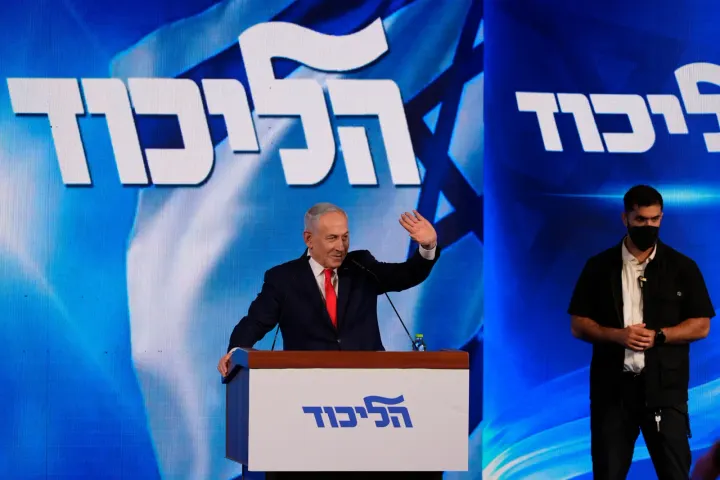
Genocide or War?
An in-depth examination of the genocide allegations against Israel, Netanyahu's ICC arrest warrant, Hamas's responsibility, Gaza's civilian casualties, Egypt's border restrictions and the question of consistent international justice.
The Case Against Netanyahu, Hamas's Responsibility and the Questions International Justice Must Answer
BEYOND THE LINES | IN-DEPTH ANALYSIS | OCTOBER 2026
As Israel faces allegations of genocide and Prime Minister Benjamin Netanyahu remains subject to an international arrest warrant, the debate has become one of the most polarizing legal and political disputes of the modern era. But what does international law actually require? How much responsibility lies with Hamas? What role did Egypt play in Gaza's humanitarian crisis? And are the world's standards of justice applied consistently?
Chapter 1 — October 7: The War Did Not Begin in a Vacuum
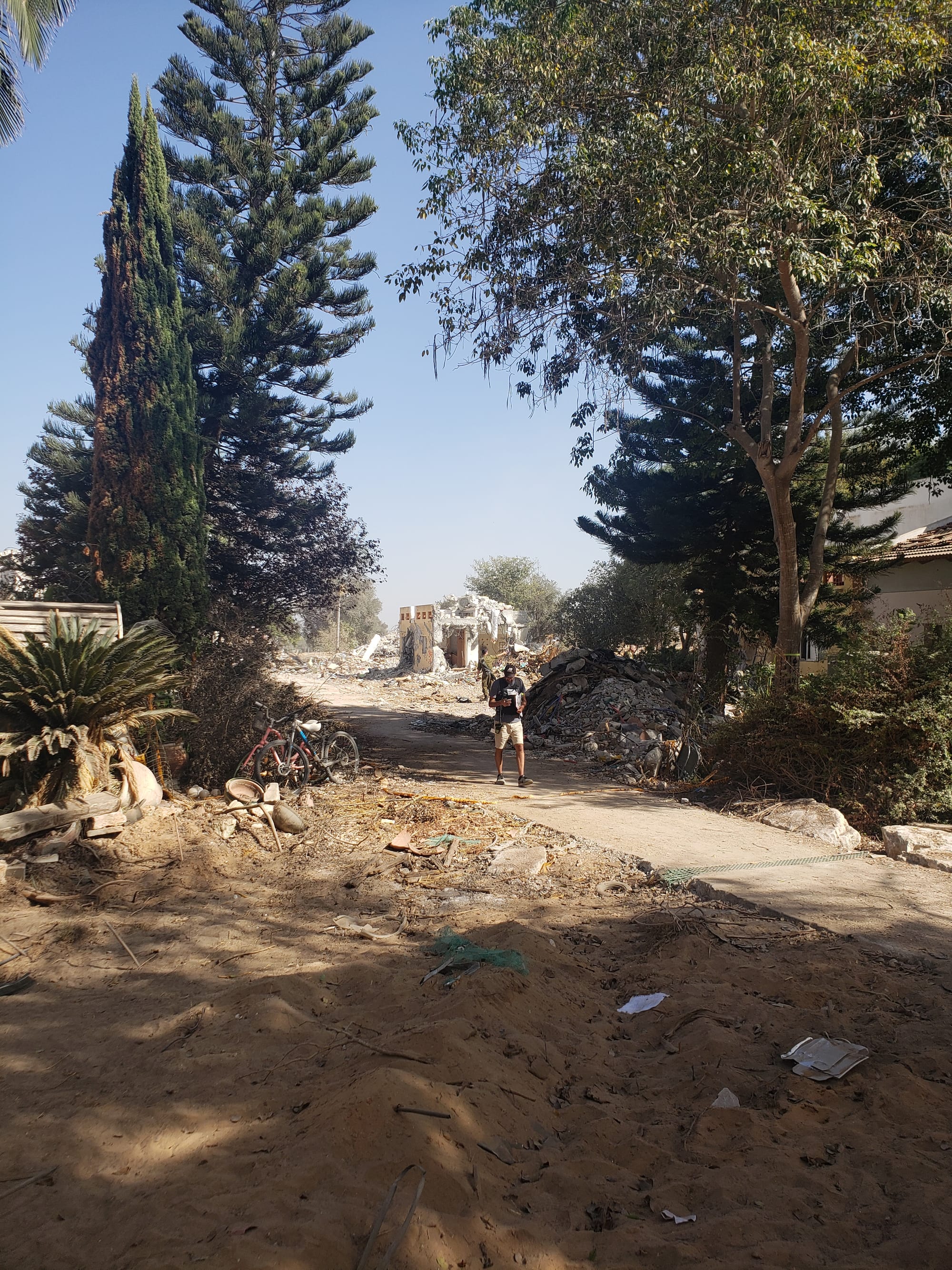
On the morning of October 7, 2023, southern Israel experienced one of the deadliest attacks in the country's history. Hamas and other Palestinian armed organizations crossed the border from Gaza, attacked military positions, entered residential communities and carried out coordinated assaults against civilians.
Approximately 1,200 people were killed in Israel, and 251 people were taken hostage. Among the victims were children, parents, elderly residents, soldiers and foreign nationals.
The violence extended far beyond conventional military engagement. Armed attackers entered homes, killed civilians, attacked people attending the Nova music festival and abducted individuals into Gaza.
Many victims were Jewish Israelis. The attacks occurred in the context of Hamas's long history of antisemitic rhetoric and its declared armed struggle against Israel. However, the victims also included non-Jewish Israelis and foreign nationals.
The deliberate killing and hostage-taking of civilians constituted grave violations of international law.
For Israeli society, October 7 represented more than a security failure. It exposed the vulnerability of communities living near Gaza and fundamentally challenged the assumption that existing border defences could prevent a large-scale attack.
Families were separated. Children witnessed the killing of relatives. Entire communities were evacuated, and the fate of hostages became a central national concern.
Israel subsequently launched a military campaign against Hamas, declaring objectives that included dismantling the organization's military and governing capabilities and securing the release of hostages.
These objectives must be understood in the context of what happened on October 7.
Yet as the war expanded, much of the international debate shifted toward the scale of destruction and civilian deaths in Gaza. The circumstances that triggered Israel's military response increasingly competed for attention with the humanitarian consequences of that response.
This created a difficult question for international journalism.
How should the world evaluate Israel's military actions without minimizing the crimes that preceded them?
Understanding October 7 does not mean that every Israeli military operation should be considered lawful. International humanitarian law continues to apply even when a state responds to atrocities.
But neither can the war be examined accurately if the actions of Hamas and other armed groups are treated as secondary or irrelevant.
Hamas was not merely a political movement caught in an unexpected confrontation. It planned and participated in attacks that deliberately targeted civilians, took hostages and triggered a devastating escalation.
Its leaders also operated within a densely populated territory whose inhabitants would face enormous danger once full-scale warfare began.
That reality raises questions about the responsibilities of armed organizations toward the populations living under their control.
The distinction between explaining the beginning of a war and justifying every action within it is fundamental.
The October 7 attacks help explain why Israel launched its campaign. They do not resolve whether particular attacks, restrictions or military decisions complied with international law.
Likewise, the suffering experienced by civilians in Gaza does not erase the responsibility of those who carried out the original attacks.
A serious investigation must hold both realities in view.
Any attempt to understand the allegations against Israel must begin with a complete account of the events that brought the region into war, while recognizing that accountability does not end with the identification of who initiated the latest escalation.
Chapter 2 — Netanyahu's Arrest Warrant: What Has Actually Been Alleged?
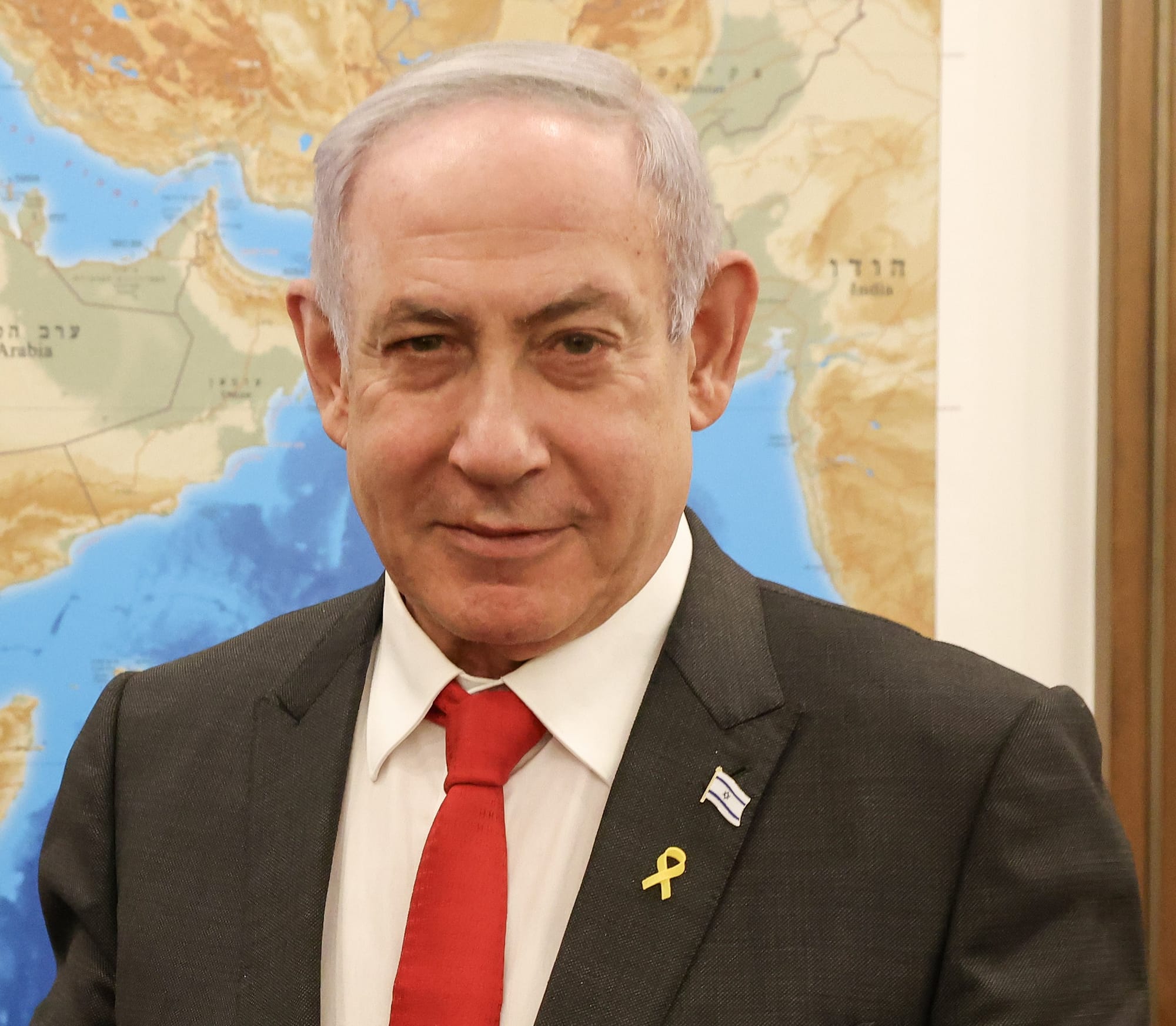
On November 21, 2024, the International Criminal Court issued arrest warrants for Israeli Prime Minister Benjamin Netanyahu and former defence minister Yoav Gallant.
The decision immediately became a major international controversy.
For supporters of the warrants, the decision represented an important assertion that even senior political leaders can face criminal accountability for actions committed during war.
For critics, it raised questions about the court's jurisdiction, the evidence supporting the allegations and whether the legal circumstances of Israel's campaign against Hamas had been adequately considered.
The first important distinction is between the International Criminal Court and the International Court of Justice.
Although both are located in The Hague, they perform different functions.
The International Criminal Court prosecutes individuals suspected of international crimes. The International Court of Justice primarily adjudicates disputes between states.
Netanyahu's arrest warrant was issued by the International Criminal Court.
It was not a genocide arrest warrant.
The allegations concern war crimes and crimes against humanity, including starvation as a method of warfare, intentionally directing attacks against civilians, murder, persecution and other inhumane acts.
The ICC judges found reasonable grounds to believe that Netanyahu and Gallant bore criminal responsibility for the alleged conduct during the period identified in the warrants.
This is a significant judicial finding, but it is not a conviction.
A criminal conviction requires the prosecution to establish guilt beyond reasonable doubt, following proceedings in which the accused can challenge the evidence and present a defence.
Israel rejects the court's jurisdiction and disputes the allegations against its officials.
The jurisdictional dispute is especially important because Israel is not a party to the Rome Statute, the treaty establishing the ICC.
The court, however, considers that it can exercise jurisdiction over relevant alleged crimes committed in Palestinian territory because Palestine has acceded to the treaty.
The legal disagreement is therefore not simply about whether Israel recognizes the institution. It concerns the territorial and legal basis on which the court asserts authority.
Another central question is whether the prosecution can demonstrate the necessary connection between specific decisions made by senior officials and the alleged crimes.
A military campaign can produce devastating civilian consequences without every resulting death constituting an international crime. Conversely, an operation directed against a legitimate military adversary can still involve criminal conduct.
The legality of the campaign must therefore be examined through specific decisions, orders, patterns of conduct, available information and applicable legal obligations.
This is particularly relevant to the allegations involving humanitarian supplies.
Prosecutors must establish the elements of the alleged offences, including the required mental elements and the accused individuals' responsibility.
The defence may challenge the interpretation of government decisions, the military necessity of particular restrictions, the availability of alternative supply routes and the relationship between Israeli actions and humanitarian conditions.
None of those arguments automatically defeats the allegations. They are matters to be tested through evidence.
The court's credibility ultimately depends on its willingness to examine both incriminating and exculpatory material.
The arrest warrants also exist within a broader investigation involving alleged crimes by Palestinian armed-group leaders.
This matters because international criminal law is intended to evaluate individual conduct rather than assign collective guilt to an entire nationality.
A legal system that claims universal authority must be prepared to scrutinize Israeli officials, Hamas commanders and other alleged perpetrators under the same evidentiary standards.
The essential question is not whether Netanyahu is politically popular or unpopular.
It is whether the alleged crimes can be proven, whether the court possesses jurisdiction and whether the proceedings meet the requirements of independent criminal justice.
Until those questions are resolved through the relevant legal process, an arrest warrant must not be presented as a final determination of guilt.
Chapter 3 — What Is Genocide, and Who Has the Authority to Determine It?
Few words carry the historical and moral weight of genocide.
The term is associated with some of humanity's most devastating crimes, including the Holocaust and the systematic destruction of communities targeted because of their national, ethnic, racial or religious identity.
Its legal meaning, however, is narrower than its frequent use in political debate.
Under the 1948 Genocide Convention, genocide involves certain prohibited acts committed with the intent to destroy, in whole or in part, a protected group as such.
These acts include killing members of the group, causing serious bodily or mental harm, deliberately inflicting conditions of life calculated to bring about physical destruction, imposing measures intended to prevent births and forcibly transferring children.
The requirement of specific intent is central.
It is not enough to establish that a war caused extensive destruction or that large numbers of civilians were killed.
For a finding of genocide, the relevant acts and the intent to destroy a protected group must be established under the applicable legal standard.
This distinction does not make other crimes less serious.
Deliberate attacks against civilians, disproportionate attacks, starvation of civilians as a method of warfare and other grave violations can constitute war crimes or crimes against humanity without necessarily satisfying the legal definition of genocide.
South Africa brought proceedings against Israel before the International Court of Justice in December 2023, alleging violations of the Genocide Convention.
Israel rejected the allegations, maintaining that its military campaign targeted Hamas rather than Palestinians as a national group.
The court subsequently ordered provisional measures intended to protect rights under the Convention and address the humanitarian situation.
Those measures did not amount to a final judicial determination that genocide had occurred.
As of October 2026, the proceedings had not produced a final merits judgment.
However, the absence of a final judgment does not mean that the allegations have been disproven.
Several international human-rights organizations and a United Nations commission of inquiry have concluded that Israel's conduct amounts to genocide. Israel rejects these conclusions and challenges the methodologies, evidence and legal interpretations behind them.
These findings must be reported alongside the pending judicial proceedings, rather than confused with a final judgment of the ICJ.
One of the most difficult questions concerns the interpretation of intent.
Can genocidal intent be inferred from statements by political or military officials, the pattern of military operations, restrictions on essential supplies or the cumulative effects of destruction?
Those arguing that genocide occurred point to such evidence.
Those challenging the allegation emphasize Israel's stated objective of defeating Hamas, the existence of military targets in civilian areas, evacuation warnings and efforts to facilitate some humanitarian assistance.
Neither stated military objectives nor humanitarian measures automatically settle the legal question.
A government cannot eliminate the possibility of criminal intent merely by describing its operations as defensive.
Equally, the scale of civilian suffering cannot substitute for a careful examination of the legal elements of genocide.
The question is especially important in a conflict where an armed organization operates among a large civilian population.
If military objectives are located within residential areas, attacks against them may cause extensive civilian casualties. International humanitarian law requires distinction, proportionality and feasible precautions.
A lawful military objective does not automatically make an attack lawful, but civilian casualties do not automatically establish genocidal intent.
The genocide allegation must therefore be evaluated through evidence capable of distinguishing between lawful military operations, unlawful methods of warfare and acts committed with the specific intent required by the Convention.
That is the standard a serious legal investigation must apply.
The responsibility of journalism is not to reach a verdict before the courts do.
It is to explain what has been alleged, what has been established, what remains contested and which legal questions are still unresolved.
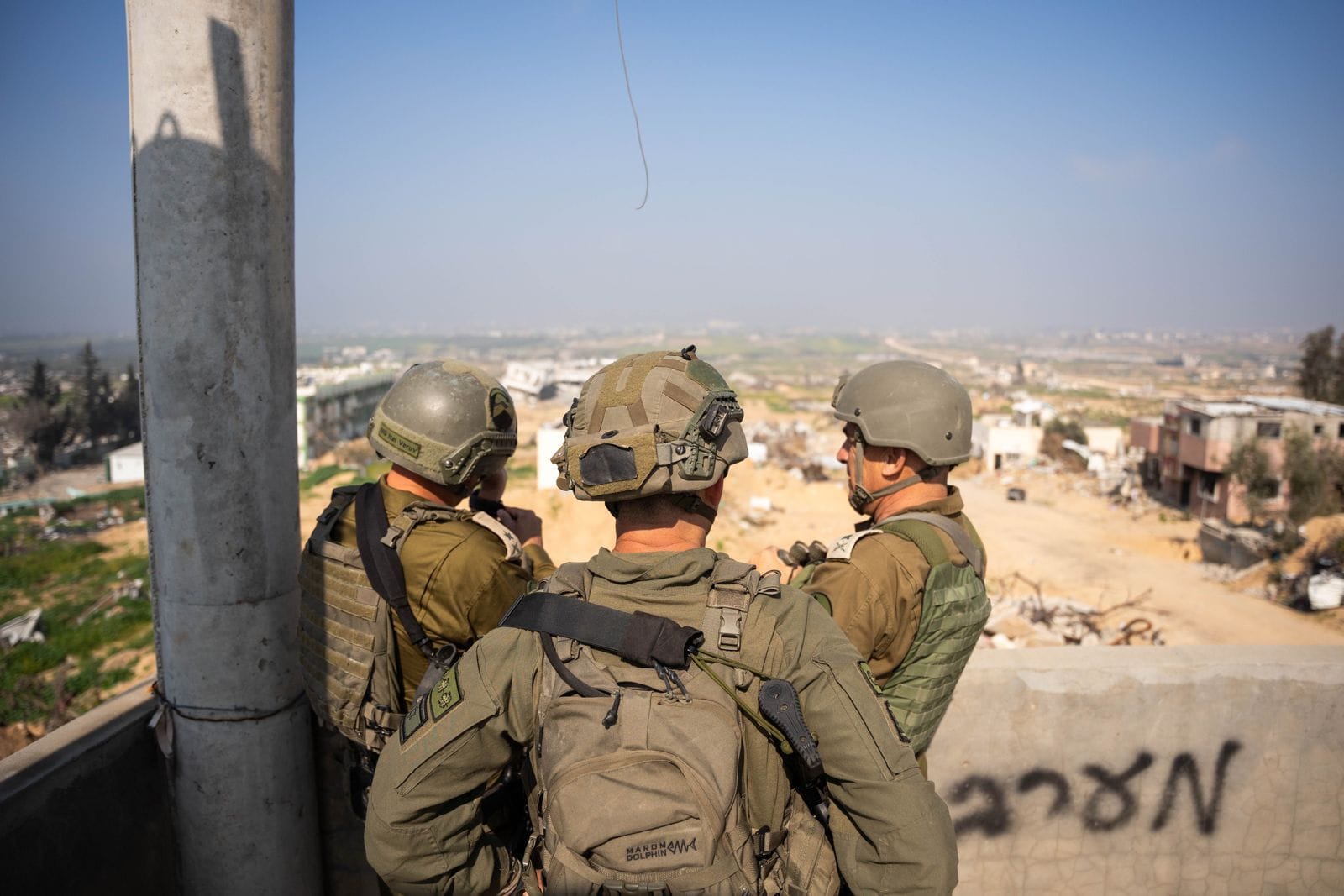
Chapter 4 — Hamas, Civilian Infrastructure and the Question of Human Shields
One of the most difficult aspects of the Gaza war is the relationship between Hamas's military infrastructure and the civilian environment in which it operates.
Gaza is a densely populated territory where residential buildings, schools, hospitals, markets and places of worship exist within relatively small geographical areas.
Hamas has developed an extensive underground tunnel network, used for military movement, weapons storage, command activities and concealment. Israeli forces have discovered tunnels and military installations in or near civilian areas, although individual Israeli claims about particular buildings have not always been independently verified.
The use of civilian infrastructure for military purposes creates significant dangers.
International humanitarian law prohibits the use of civilians to shield military objectives from attack. Deliberately placing military assets among civilians to exploit their protected status can constitute a war crime.
However, there is an important distinction between operating in a populated area and deliberately using civilians as human shields.
The latter requires evidence of an intention to use civilian presence to protect military objectives.
This distinction matters because the term human shield has frequently been used during the conflict without sufficient explanation of what happened at a particular location.
There are documented instances of Hamas and other Palestinian armed groups violating the laws of war. The taking and detention of civilian hostages, including in residential environments, is among the most serious.
Some released Israeli hostages have described being held in private homes, tunnels and other locations within Gaza.
These accounts raise questions about the individuals who knowingly assisted their captors, provided facilities or participated in the concealment of hostages.
Where civilians knowingly and voluntarily participate in hostage detention or other military operations, their individual conduct requires investigation.
But it would be inaccurate to assume that every person living near a hostage location knew what was happening.
In a territory governed by an armed organization with coercive capabilities, civilian participation, knowledge and freedom of choice cannot simply be presumed.
The situation becomes even more complicated when hospitals are involved.
Israeli authorities have repeatedly alleged that Hamas used medical facilities for military purposes. Evidence of tunnels, weapons and armed activity has emerged in connection with certain facilities, while the scope of alleged command infrastructure at particular hospitals remains disputed.
Hospitals enjoy special protection under international humanitarian law.
That protection can be lost under narrowly defined circumstances if a medical facility is used to commit acts harmful to the enemy outside its humanitarian function. Even then, legal requirements concerning warnings, precautions and civilian protection continue to apply.
Medical personnel do not lose their protection simply because they treat wounded members of an armed group.
Treating an injured Hamas fighter is not, by itself, participation in terrorism or proof of support for Hamas. Medical care for wounded combatants is an obligation under humanitarian law.
This is a critical distinction when examining allegations about doctors or medical institutions assisting armed organizations.
Evidence of a doctor deliberately participating in hostage detention or military operations would be different from evidence that the doctor provided medical treatment.
These activities cannot be treated as legally equivalent.
The same principle applies to residential buildings.
A civilian home may become a military objective if it is used for activities that satisfy the legal definition of a military objective. But the presence of one fighter does not automatically make everyone inside a combatant.
The obligations of an attacking force remain substantial.
Commanders must assess the military objective, expected civilian harm, available intelligence and feasible alternatives.
The prohibition against disproportionate attacks does not disappear because Hamas operates among civilians.
There is also another uncomfortable aspect of the human-shields debate.
United Nations investigators have documented instances in which Israeli forces allegedly used Palestinian detainees to perform dangerous tasks during military operations. Such conduct must be investigated under the same prohibition against using protected persons as shields.
The law cannot be applied selectively.
Hamas's military conduct deserves rigorous investigation, particularly where civilian spaces were used to conceal hostages, fighters or weapons.
At the same time, the accusation of human shielding must not become a universal explanation for civilian casualties.
Every incident requires its own evidence.
The most important question is not whether civilian infrastructure and military operations overlapped in Gaza. They clearly did.
The question is which individuals and organizations were responsible for particular decisions, what they knew about civilian risks and whether their conduct violated international law.
Chapter 5 — Gaza's Death Toll: Civilians, Combatants and the Limits of Wartime Statistics
The number of people killed in Gaza has become one of the most emotionally charged aspects of the international debate.
According to Gaza health authorities, more than 74,000 Palestinians had been killed during the conflict by October 2026.
These figures have been widely cited by the United Nations, international news organizations and humanitarian agencies, generally with attribution to Gaza's Ministry of Health.
However, understanding what these figures represent requires examining their methodology.
A central issue is that the ministry's overall death toll does not provide a comprehensive, independently verified distinction between civilians and combatants.
This does not mean the total should automatically be dismissed.
Nor does it mean every person included in the statistics was a civilian.
Both assumptions would go beyond the available evidence.
Hamas and other Palestinian armed organizations have suffered significant military losses during the war. Israel has published its own estimates of militants killed, but the precise figures and methods used to establish them have been contested.
The central challenge is determining the status of individuals at the time they were killed.
An adult man is not automatically a fighter.
A person who supports Hamas politically is not automatically a combatant.
And a child cannot be classified as a militant simply because of age, gender, family relationships or location.
International humanitarian law protects civilians unless and for such time as they directly participate in hostilities.
Membership in an organized armed group with a continuous combat function may also affect an individual's status under the applicable legal framework.
These determinations require evidence.
The distinction becomes especially important when discussing individuals who may have assisted Hamas.
Some civilians may have knowingly participated in hostage concealment, military logistics or other activities directly connected to armed operations.
Others may have supported Hamas politically without participating in violence.
Still others may have opposed Hamas but had no ability to leave areas under its control.
These categories cannot be merged into a single description of the population.
There is also a difference between the reliability of a total death count and the accuracy of its classification.
A casualty registry may record a death accurately while lacking sufficient information to determine whether the deceased was a civilian or a member of an armed group.
Conversely, uncertainty about combatant status does not justify rejecting the recorded death itself.
Another issue concerns indirect mortality.
People may die not only from bombs and gunfire but also from the collapse of medical services, infectious diseases, malnutrition and the inability to obtain treatment for otherwise manageable conditions.
Such deaths may not be fully reflected in a count focused on direct fatalities.
The scale of Gaza's destruction has also made identification difficult.
Bodies remain missing beneath rubble, medical records have been disrupted, and some deaths have been registered retrospectively.
Researchers therefore need to distinguish between reported deaths, individually identified deaths, estimated missing persons and broader estimates of excess mortality.
For a credible investigation, the question should not be reduced to whether one side's statistics are trustworthy and the other's are not.
Instead, the underlying evidence should be examined consistently.
How are deaths registered?
How are duplicate records removed?
What proportion of the deceased have been individually identified?
Which organizations have independently assessed the data?
How are armed-group members classified?
And how are discrepancies between different sources explained?
These questions are particularly important because casualty figures influence public opinion, humanitarian policy and international legal proceedings.
Yet the debate must not lose sight of the people represented by the statistics.
Thousands of children have been killed. Families have been destroyed, and entire communities have experienced devastating loss.
Recognizing these deaths does not require accepting every legal allegation made against Israel.
Similarly, questioning casualty classifications does not require denying the suffering of Gaza's civilian population.
A responsible investigation must do both: examine the evidence critically and recognize the human consequences accurately.
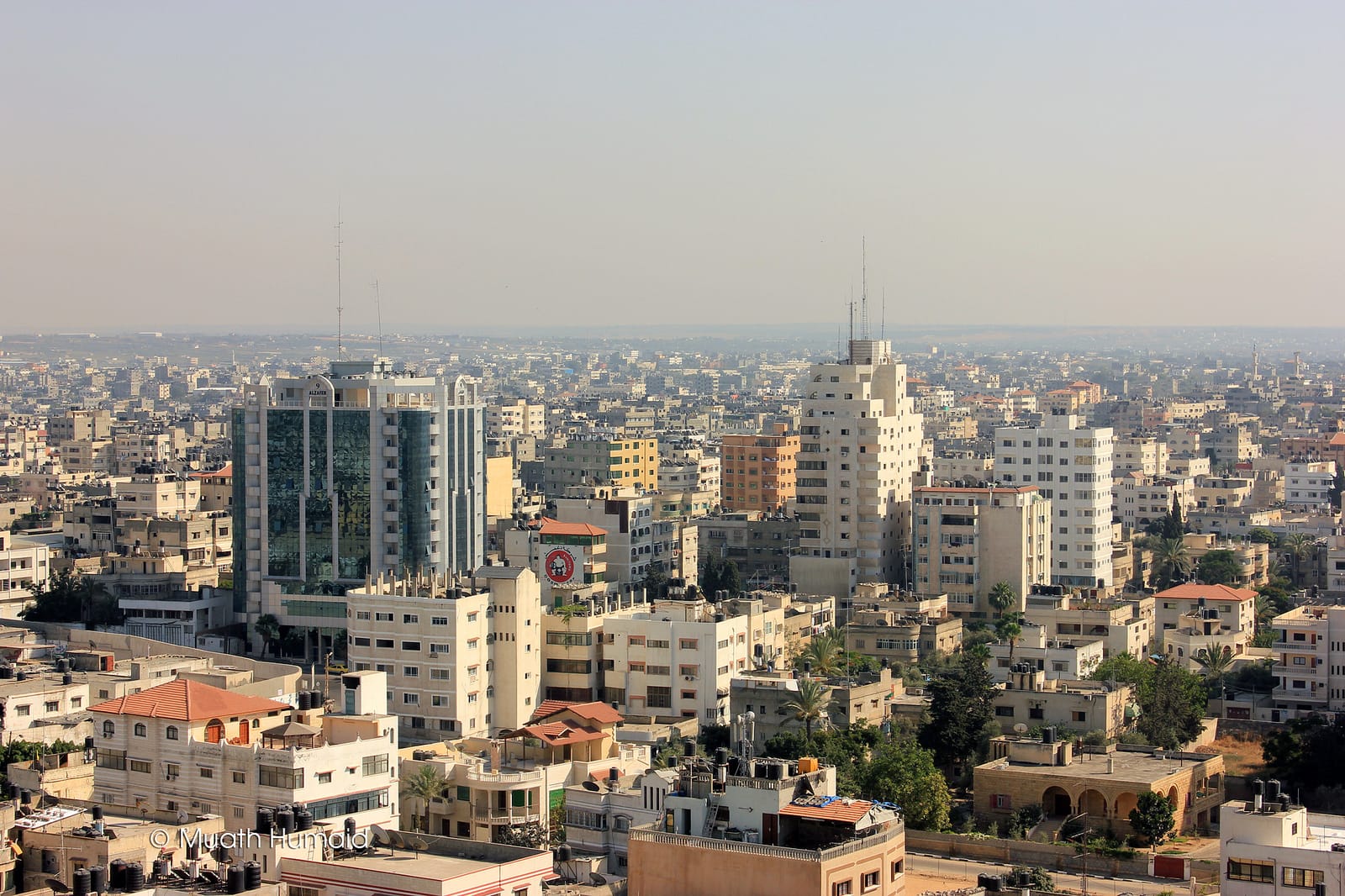
Chapter 6 — Gaza's Population: Can Demographic Statistics Prove or Disprove Genocide?
One of the arguments sometimes raised in debates about Gaza concerns the territory's population.
If genocide is intended to destroy a population, critics of the genocide allegation ask, how can demographic statistics show continued population growth?
At first glance, the question appears straightforward.
But population statistics are more complicated than they may seem.
Before October 2023, Gaza had a young and growing population, with relatively high birth rates.
The Palestinian Central Bureau of Statistics published demographic projections based on earlier census information and expected trends in births, deaths and migration.
Some of those projections extended into 2024, 2025 and 2026.
A person consulting an older statistical table might therefore encounter figures showing a larger population in a later year than in 2023.
However, a projection prepared before a war is not the same as an updated estimate of the population actually living in the territory.
This distinction is crucial.
The Palestinian Central Bureau of Statistics subsequently revised its estimates to account for deaths, people leaving Gaza and declining births.
By the end of 2025, the bureau estimated that Gaza's population had declined by approximately 254,000 people compared with its pre-war projection, a reduction of around 10.6%.
These figures contradict the argument that official Palestinian statistics necessarily demonstrate population growth throughout the war.
They also illustrate why demographic claims must be checked against the methodology and publication date of the underlying data.
There is a second, equally important issue.
Even if a population grows during a particular period, that fact does not automatically disprove genocide.
The Genocide Convention does not require the complete disappearance of a population or a measurable overall population decline.
Genocide may concern the intended destruction of a protected group in part, provided the legal requirements are met.
Demographic trends can contribute to an investigation, but they cannot independently establish or exclude genocidal intent.
The same applies to population decline.
A reduction in population may result from deaths, migration, falling birth rates or a combination of these factors.
It does not automatically establish that the decline was caused by genocidal acts.
To understand Gaza's demographic changes, researchers must examine several variables.
The number of people killed is one factor.
The number who left the territory is another.
Birth rates, maternal health, access to medical care and the displacement of families also affect demographic outcomes.
The war's impact on hospitals and reproductive healthcare may have consequences extending well beyond the period of active fighting.
At the same time, demographic estimates produced during a conflict are subject to uncertainty.
Large-scale displacement, incomplete records and limited access for statistical agencies can complicate attempts to establish the size and composition of the population.
These limitations should be explained rather than ignored.
The larger lesson is that demographic figures should not be used as rhetorical shortcuts.
A single number cannot resolve a legal allegation involving intent, military conduct, civilian protection and the responsibilities of political leaders.
For those challenging the genocide accusation, the strongest approach is to examine the evidence concerning specific intent rather than relying on outdated population projections.
For those supporting the accusation, demographic decline is relevant but cannot substitute for the full legal analysis.
The same evidentiary standard must apply to both arguments.
Chapter 7 — The World's Forgotten Atrocities: Are International Standards Applied Equally?
The international reaction to Gaza has generated enormous political attention.
Governments have issued statements, demonstrators have filled streets, international courts have become involved, and the conflict has dominated news coverage across Europe and beyond.
At the same time, mass atrocities in other parts of the world have often struggled to sustain comparable public attention.
This raises an important question about international priorities.
Why do some conflicts become central to global political debate while others remain comparatively distant from public consciousness?
Sudan offers one of the clearest examples of a humanitarian catastrophe that has received extensive reporting but often less sustained public engagement than the Israel-Gaza conflict.
Since fighting erupted in April 2023 between the Sudanese Armed Forces and the Rapid Support Forces, civilians have experienced mass displacement, killings, sexual violence and the destruction of essential infrastructure.
In Darfur, reports of ethnically targeted violence have revived memories of earlier atrocities.
Entire communities have been displaced, and international investigators have documented serious abuses.
The conflict has also produced severe hunger and humanitarian need.
Nigeria presents a different but equally complex situation.
Communities have experienced attacks by jihadist organizations, armed criminal groups and participants in local conflicts over land, resources and political power.
Christians have been among the victims of targeted violence, including attacks on churches and predominantly Christian communities.
Muslims have also been killed in large numbers, including by jihadist groups that target people they regard as religious or political opponents.
It would therefore be inaccurate to describe all violence in Nigeria as a single campaign against Christians.
Nevertheless, attacks against religious communities deserve sustained attention, and the persecution of Christians in particular regions should not be overlooked.
The same principle applies to Yazidis in Iraq, Rohingya Muslims in Myanmar and other communities subjected to persecution and mass violence.
The international response to these crises has varied considerably.
Some have resulted in international criminal investigations, sanctions or proceedings before the International Court of Justice.
Others have received limited diplomatic attention or inadequate humanitarian resources.
These differences deserve investigation.
Media attention is influenced by numerous factors, including geopolitical alliances, access to journalists, the availability of images, domestic political debates and the involvement of powerful states.
The prominence of Israel in European politics also reflects historical connections, including the Holocaust, antisemitism, the Israeli-Palestinian conflict and longstanding European involvement in Middle Eastern diplomacy.
These factors help explain why the conflict receives exceptional attention.
But explanation is not the same as justification.
The suffering of civilians should not become less important because their country lacks strategic influence or international media visibility.
Nor should the crimes committed against one community be used to dismiss allegations involving another.
If international justice is to maintain credibility, its principles must apply consistently.
The deliberate killing of civilians is unlawful whether the victims are Israeli, Palestinian, Sudanese, Nigerian or members of another community.
The taking of hostages is unlawful regardless of the political cause invoked by the perpetrators.
The use of starvation against civilians as a method of warfare is prohibited regardless of which government or armed organization is responsible.
And genocide must be evaluated under the same legal definition in every country.
The central question is therefore not why the world is concerned about Gaza.
It is whether the world is sufficiently concerned about other atrocities as well.
A universal commitment to human rights cannot depend on which conflict is most politically visible.
For international journalism, this creates a responsibility to examine forgotten crises with the same seriousness applied to conflicts that dominate public debate.
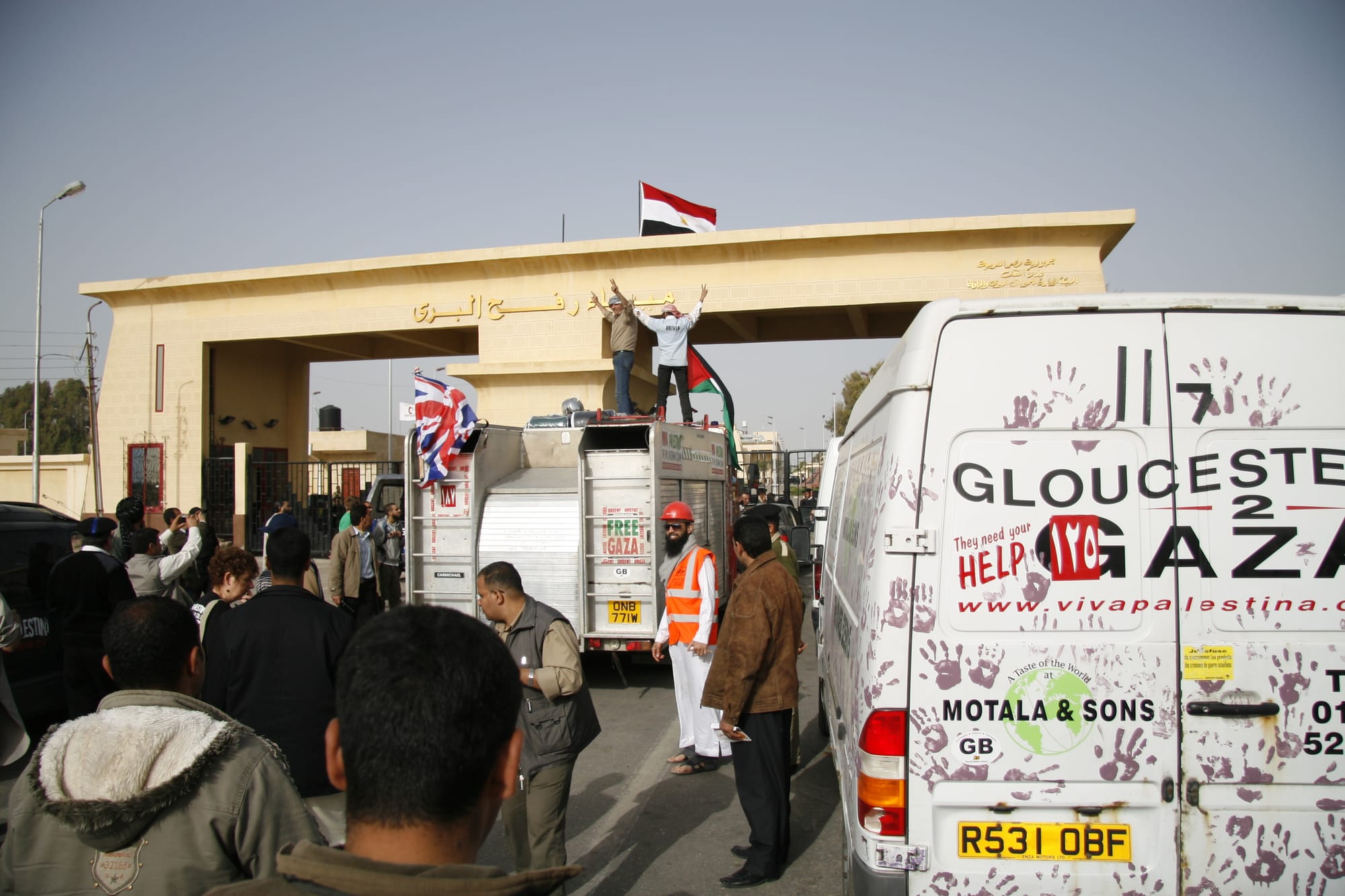
Chapter 8 — Egypt's Closed Border: The Overlooked Questions About Gaza's Humanitarian Access
As Gaza's humanitarian situation deteriorated in October 2023, international attention focused heavily on Israel's restrictions on the territory.
But Gaza also shares a border with Egypt.
At the southern end of the Gaza Strip lies Rafah, a crossing that became one of the most important routes for humanitarian assistance, foreign nationals and medical evacuations.
In the days following the October 7 attacks, the crossing remained closed to regular humanitarian deliveries.
Food, medical supplies and other essential goods accumulated on the Egyptian side while Gaza's civilian population faced rapidly worsening shortages.
The first humanitarian convoy entered through Rafah on October 21, 2023.
It consisted of just 20 trucks.
According to the United Nations, that delivery represented approximately four percent of the daily average volume of goods entering Gaza before the war.
The supplies were urgently needed, but their quantity was nowhere near sufficient to meet the humanitarian emergency.
The situation raises several questions.
Why did it take approximately two weeks for the first convoy to enter?
What decisions were made by Egypt?
What role did Israel play in determining the conditions under which supplies could pass?
And how did security concerns, diplomatic negotiations and damaged infrastructure affect the opening of the crossing?
Egypt's position cannot be understood without examining its security concerns.
For years, Egyptian authorities have been concerned about instability in the Sinai Peninsula, including jihadist militancy, cross-border smuggling and the movement of armed groups.
Egypt has also opposed proposals that could result in large-scale, permanent displacement of Palestinians from Gaza into Egyptian territory.
Egyptian officials argued that such displacement could undermine Palestinian national aspirations and create serious security and political consequences.
These concerns influenced Egypt's approach to opening its border to civilians.
However, the question of admitting large numbers of displaced people is distinct from the question of allowing humanitarian supplies to enter Gaza.
The two issues became closely connected during negotiations, but they involve different responsibilities and practical considerations.
Egypt participated in diplomatic efforts to facilitate aid deliveries and worked with humanitarian organizations preparing supplies for Gaza.
This means it would be misleading to claim that Egypt simply refused to provide humanitarian assistance.
The problem was not merely the absence of aid.
Large quantities of supplies were waiting to enter.
The problem was the inability to move those supplies into Gaza quickly and consistently.
Israeli restrictions played a major role.
Following the October 7 attacks, Israel imposed severe restrictions on the entry of goods and essential supplies into Gaza.
Israeli authorities cited security concerns, including the possibility that materials could be diverted to Hamas.
Security inspections and negotiations over approved routes contributed to the delays.
The United Nations reported that humanitarian trucks entering through Rafah were subject to Israeli security inspections at Nitzana, inside Israel, before proceeding toward Gaza.
By October 26, approximately 3,000 truckloads of humanitarian assistance were still waiting on the Egyptian side.
The scale of this backlog demonstrates that the humanitarian emergency cannot be explained simply by saying that no one was willing to send assistance.
The supplies existed.
The challenge was securing their entry and distribution.
Egypt's role deserves scrutiny because it controlled important territory and infrastructure on its side of the border.
Israel's role deserves scrutiny because of its restrictions, inspection requirements and military operations affecting access.
Hamas's role also requires examination, particularly regarding its military activities, governance responsibilities and the security conditions within Gaza.
However, claims that Hamas systematically diverted particular aid shipments should be supported by evidence rather than assumed.
Humanitarian organizations faced an additional challenge once supplies entered Gaza.
Damaged roads, insecurity, displacement, shortages of fuel and the breakdown of normal distribution systems complicated efforts to reach civilians.
A truck crossing the border did not automatically mean that its contents reached families in need.
The humanitarian consequences were severe.
Hospitals faced shortages of medicine, electricity and fuel.
Families struggled to obtain clean drinking water.
Food supplies became increasingly difficult to distribute.
Children, elderly people and patients requiring regular medical treatment were particularly vulnerable.
The question of responsibility therefore extends beyond the formal opening or closure of a border crossing.
It includes the decisions that delayed assistance, the restrictions imposed on humanitarian supplies and the failure to establish reliable distribution routes.
It is reasonable to ask whether Egypt could have done more, or acted differently, during the early stages of the emergency.
It is equally necessary to examine the influence of Israeli restrictions and the wider security situation.
The evidence does not support assigning the entire delay to Egypt.
But neither should Egypt's decisions disappear from the historical record.
For the civilians of Gaza, humanitarian access was not an abstract diplomatic disagreement.
It was a matter of survival.
A credible investigation must therefore examine the responsibilities of every authority that influenced the movement of food, water, medicine and people across the border.
International scrutiny should follow evidence and decision-making power, rather than stopping at the borders of whichever country receives the most media attention.
Chapter 9 — International Justice: Independent Law or Selective Accountability?
International courts were created to ensure that the most serious violations of international law would not escape scrutiny simply because those responsible held political or military power.
The principle is fundamental.
No individual should be above the law because of their position, nationality or international alliances.
But the effectiveness of international justice depends on more than the existence of courts.
It depends on public confidence that legal standards are applied independently and consistently.
The proceedings involving Israel have exposed deep disagreements about that confidence.
Supporters of the International Criminal Court's action against Netanyahu argue that political leadership cannot provide immunity from allegations of war crimes and crimes against humanity.
Critics question the court's jurisdiction, its interpretation of military decisions and the consequences of issuing arrest warrants against officials of a state engaged in a campaign against an armed organization responsible for mass attacks on civilians.
These disagreements require careful examination.
The first issue is jurisdiction.
The ICC's authority is governed by the Rome Statute and the relevant rules of international law.
Israel is not a state party to the treaty.
Palestine, however, has joined the Rome Statute, and the court considers that it can exercise territorial jurisdiction over relevant crimes committed in Gaza, the West Bank and East Jerusalem.
Israel contests the legal basis of this jurisdiction.
The court has rejected important Israeli challenges, but the dispute remains politically and legally significant.
The second issue is individual responsibility.
International criminal proceedings must establish more than the existence of civilian suffering or a controversial government policy.
They must connect the accused person to specific criminal conduct through the legal requirements governing responsibility, intent and knowledge.
A prime minister does not become criminally responsible for every military action merely by holding office.
Equally, political leadership does not automatically protect a person from responsibility for decisions that may constitute international crimes.
The third issue is the treatment of comparable cases.
The ICC has pursued investigations involving alleged atrocities in countries such as Sudan, the Democratic Republic of the Congo, Uganda and Ukraine.
This history contradicts the suggestion that the court has focused exclusively on Israel.
Nevertheless, questions remain about enforcement.
Some suspects are arrested, while others remain beyond the court's reach.
Cooperation by states varies, and political considerations can affect whether warrants are executed.
The court does not possess its own police force and depends heavily on state cooperation.
This creates a structural problem.
A legal system may apply the same written rules to different suspects while producing unequal practical outcomes because governments respond differently to its decisions.
The fourth issue concerns the relationship between legal institutions and public opinion.
An arrest warrant can become a political symbol long before a trial occurs.
Public demonstrations, diplomatic statements and media commentary may treat allegations as established facts.
This can create confusion between a prosecutor's accusation, a preliminary judicial finding and a final criminal conviction.
These stages must remain distinct.
The same principle applies to genocide allegations.
A report concluding that genocide occurred is an important finding that deserves serious attention.
But the legal authority and evidentiary standard of an investigative commission differ from those of a final judgment by the International Court of Justice.
Neither should be misrepresented.
A further challenge concerns the treatment of Hamas and other Palestinian armed groups.
The crimes committed on October 7, including deliberate attacks on civilians and hostage-taking, require accountability under international law.
The ICC has also pursued allegations against Hamas leaders.
This is essential to the credibility of any investigation that claims to examine the conflict as a whole.
The existence of alleged crimes by one side does not excuse crimes committed by another.
But the investigation of one side should not erase the responsibility of the other.
International justice must also recognize the practical realities of warfare.
Military operations against armed organizations embedded in civilian environments involve difficult legal and operational assessments.
These circumstances do not eliminate humanitarian obligations, but they are relevant to determining the legality of particular actions.
The question is whether courts and investigators have adequately considered the available military intelligence, the expected civilian harm, feasible alternatives and the decisions made by commanders.
This examination must be evidence-based.
Neither political sympathy for Israel nor hostility toward its government should influence the applicable legal standards.
The same applies to Hamas.
An organization's claim to represent a national cause cannot justify deliberate attacks against civilians or the taking of hostages.
International justice is strongest when it can investigate all alleged perpetrators without adopting the political narratives of any party.
Its credibility depends on a simple but demanding principle.
The law must remain the same even when the identity of the accused changes.
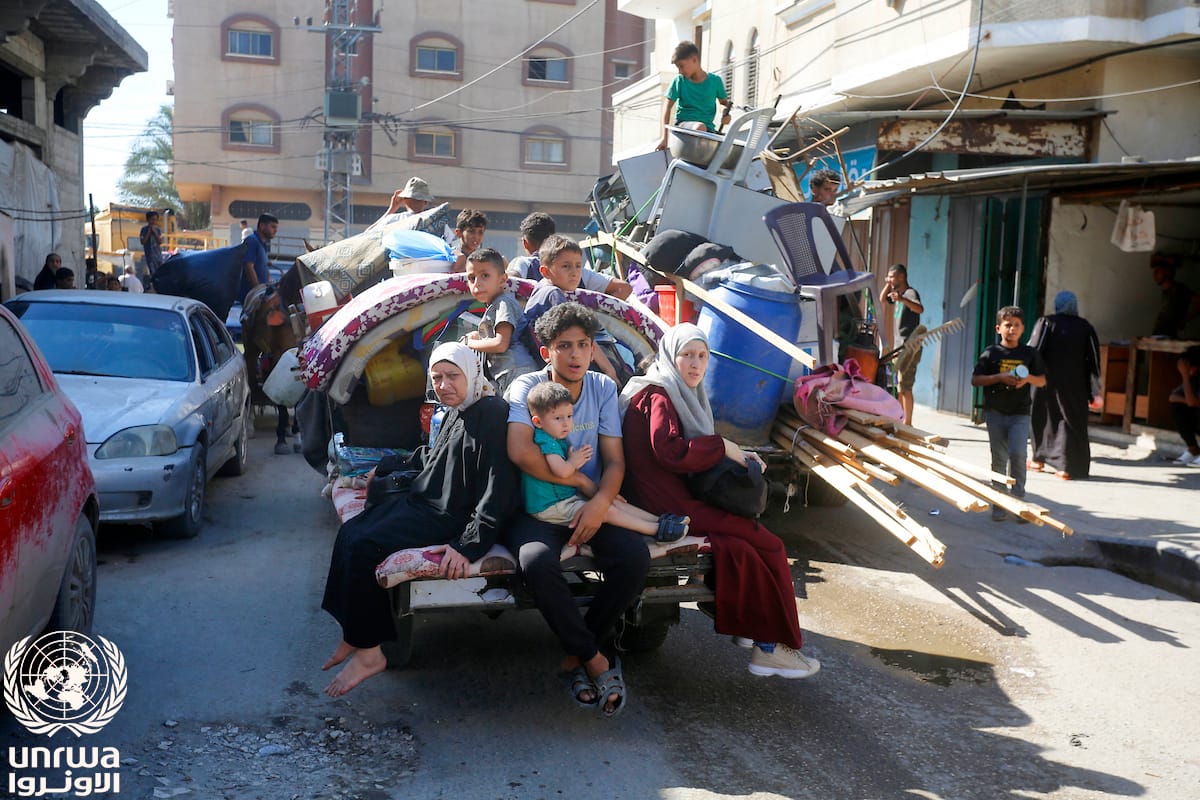
Chapter 10 — The Civilians Caught Between Hamas and Israel
Behind the legal proceedings, political accusations and competing narratives are millions of people whose lives have been changed by the conflict.
In Israel, the October 7 attacks destroyed families, communities and a sense of security.
Parents lost children.
Children lost parents.
Hostages were taken from homes, public spaces and military positions, leaving relatives uncertain about their fate.
Survivors have described the long-term psychological consequences of the attacks and the difficulty of rebuilding communities after extreme violence.
For many Israelis, the events reinforced fears about the intentions and capabilities of armed organizations operating near the country's borders.
These fears cannot be dismissed as merely political.
They are rooted in the experience of a large-scale attack against civilians.
In Gaza, the consequences of the war have been catastrophic.
Large numbers of civilians have been killed or injured.
Residential areas have been destroyed.
Families have been displaced repeatedly, and essential services have suffered severe disruption.
Children have experienced loss, hunger, fear and prolonged interruption of education.
Many have lived through repeated evacuation orders and the destruction of homes.
Their suffering deserves recognition regardless of their families' political beliefs.
The relationship between Hamas and Gaza's civilian population is an important part of the story.
Hamas has exercised governing authority in Gaza since 2007, following its violent takeover of the territory.
It developed military capabilities, maintained armed forces and constructed extensive tunnel networks.
Its governance has also been criticized for repression, restrictions on political opposition and abuses against Palestinians.
These circumstances raise questions about how much freedom ordinary residents possessed to oppose Hamas or challenge its decisions.
The last Palestinian legislative election was held in 2006.
Many of Gaza's current residents were children or had not yet been born when that election took place.
It is therefore inaccurate to treat the entire population as if it had personally authorized the actions of Hamas on October 7.
At the same time, the existence of political support for Hamas and documented civilian involvement in certain militant activities should not be ignored.
The important distinction is between individual responsibility and collective guilt.
A civilian who knowingly participates in a hostage-taking operation may bear legal responsibility for that conduct.
A person who provides direct operational assistance to an armed group may also face legal consequences, depending on the facts.
But living under Hamas rule, expressing political support or being related to a fighter does not automatically remove civilian protection.
This principle is essential.
If civilian protection depended on political opinion or family relationships, entire communities could be exposed to violence without meaningful legal safeguards.
The responsibility of Hamas must therefore be examined through its decisions and conduct.
Why did its leaders initiate an operation that they knew could provoke a major military response?
What preparations were made to protect Gaza's civilian population?
How were military tunnels and resources allocated?
What role did civilian buildings play in its operations?
How were hostages concealed, and who participated in their detention?
These are legitimate investigative questions.
The responsibility of Israel must also be examined through its decisions and conduct.
Were military targets correctly identified?
Were feasible precautions taken to minimize civilian harm?
Were attacks proportionate under international humanitarian law?
Were humanitarian supplies permitted to reach civilians adequately?
Were allegations of misconduct investigated?
These questions are not mutually exclusive.
Hamas can bear responsibility for crimes against Israelis and for violations that endangered Palestinians.
Israel can possess legitimate security objectives while remaining accountable for unlawful military conduct.
The actions of one party do not remove the obligations of the other.
The international community also bears responsibilities.
Humanitarian assistance, diplomatic negotiations, hostage-release efforts and support for reconstruction all require sustained engagement.
A lasting solution must address both Israeli security and Palestinian civilian protection.
It must also confront the problem of armed organizations operating without meaningful democratic accountability.
For ordinary people, the distinction between political rhetoric and practical protection is enormous.
Israeli families need assurance that attacks such as October 7 will not recur.
Palestinian families need safety, humanitarian assistance and the possibility of rebuilding their lives without continuing violence.
Neither objective should be treated as incompatible with the other.
A serious commitment to human rights requires recognition of both.
Chapter 11 — Conclusion: Justice Must Be Based on Evidence, Not Political Allegiance
The debate surrounding Israel, Gaza, the genocide allegation and the arrest warrant against Benjamin Netanyahu has become a test of international law, political consistency and journalistic responsibility.
The questions are difficult because the conflict involves several overlapping realities.
Hamas and other Palestinian armed groups carried out deliberate attacks against civilians on October 7, 2023.
Israel responded with a military campaign aimed at defeating Hamas and securing its population against further attacks.
The campaign caused extensive destruction and civilian suffering in Gaza.
International investigators have documented alleged crimes and reached serious conclusions about Israeli conduct, including findings of genocide that Israel strongly disputes.
The International Criminal Court has issued arrest warrants for Netanyahu and Gallant, while the International Court of Justice continues to consider South Africa's case against Israel under the Genocide Convention.
These facts must be examined together.
The legitimacy of Israel's security concerns does not automatically establish the legality of every military decision.
The suffering of Palestinians does not erase Hamas's responsibility for the October 7 attacks or its subsequent conduct.
The use of civilian areas for military activities raises serious legal questions, but it does not eliminate the protections owed to civilians.
And an arrest warrant, however consequential, is not a criminal conviction.
The question of genocide requires particularly careful analysis.
It cannot be resolved solely by counting deaths, citing population projections or repeating political statements.
It requires an examination of prohibited acts and the specific intent defined by international law.
The conclusions reached by United Nations investigators and human-rights organizations deserve scrutiny and accurate reporting.
Israel's objections and explanations must also be evaluated against the evidence.
A rigorous investigation cannot begin by deciding which evidence will be accepted according to the political identity of the people involved.
The same applies to the humanitarian crisis.
Egypt's border decisions, Israel's restrictions, the conduct of Hamas and the practical obstacles faced by aid organizations all require examination.
No government should escape scrutiny simply because international attention is concentrated elsewhere.
Nor should atrocities in Sudan, Nigeria or other regions be treated as less important because they receive fewer headlines.
The demand for consistent justice is not an argument against investigating Israel.
It is an argument for investigating every alleged perpetrator according to the same legal principles.
That includes Israeli political and military leaders.
It includes Hamas commanders and those who knowingly participated in crimes against civilians.
It includes armed groups and state officials responsible for atrocities in other conflicts.
Ultimately, the credibility of international justice depends on its ability to separate evidence from political allegiance.
The credibility of journalism depends on the same discipline.
For Beyond the Lines, the responsibility is to ask difficult questions, examine competing claims, challenge unsupported assumptions and explain what the evidence actually establishes.
Justice cannot depend on which victims receive the most attention.
It cannot depend on which government has the strongest allies.
And it cannot depend on whether the accused belongs to a politically popular or unpopular cause.
The law must be applied consistently, the evidence must be examined independently, and the lives of civilians must matter regardless of which side of a border they live on.
Sources and references
De volgende bronnen ondersteunen de juridische feiten, historische gebeurtenissen, bevolkingscijfers en humanitaire gegevens in het artikel. Dit is de bronnenlijst voor onderaan de Ghost-publicatie.
1. International Criminal Court (ICC) — Arrest warrants for Benjamin Netanyahu and Yoav Gallant, November 21, 2024.
2. International Court of Justice (ICJ) — South Africa v. Israel — Provisional Measures and Court Proceedings.
3. United Nations Independent Commission of Inquiry — Legal Analysis of Alleged Genocide in Gaza, September 2025.
4. United Nations Human Rights Council — Investigation into Crimes by Israeli Authorities and Palestinian Armed Groups, June 2024.
5. International Committee of the Red Cross (ICRC) — Customary International Humanitarian Law — Rule 97: Human Shields.
6. International Committee of the Red Cross (ICRC) — Direct Participation in Hostilities and Civilian Protection.
7. International Committee of the Red Cross (ICRC) — Protection of Hospitals and Medical Personnel During Armed Conflict.
8. Palestinian Central Bureau of Statistics (PCBS) — Population Changes and Humanitarian Statistics, December 2025.
9. United Nations OCHA — October 21, 2023 — First Humanitarian Aid Convoy Through Rafah.
10. United Nations OCHA — October 26, 2023 — Border Restrictions, Israeli Inspections and Aid Backlog.
11. United Nations OCHA — Reported Humanitarian Impact and Casualty Data, April 2026.
12. Reuters — How the UN Commission Reached Its Genocide Finding, September 2025.
13. Associated Press — Gaza Ceasefire, Hostage Releases and Continuing Conflict, October 2026.