The Houthis: Yemen's War, Iran's Influence and the Growing Threat to Regional Stability
Inside Yemen's Houthi movement: its rise to power, ties to Iran, attacks on Israel, and the growing threat to regional security.

Introduction — A Conflict Far Beyond Yemen
For more than a decade, Yemen has been at the centre of one of the Middle East's most devastating and complicated conflicts. What began as a domestic political struggle has evolved into a prolonged war involving regional powers, international military intervention, competing political movements and millions of civilians caught between armed factions.
Today, the conflict extends far beyond Yemen's borders.
The Houthi movement, officially known as Ansar Allah, has transformed itself from a relatively localized insurgency in northern Yemen into a heavily armed political and military force capable of challenging neighbouring states, threatening international shipping routes and confronting some of the world's most powerful militaries.
Its growing military capabilities, relationship with Iran and increasingly prominent role in regional confrontations have made the Houthis an important factor in the security calculations of Saudi Arabia, Israel, the United States and other countries across the Middle East.
Yet behind the missiles, military operations and political declarations lies a much more complicated story.
It is a story about the collapse of a state, the struggle for political legitimacy, the consequences of foreign intervention and the ambitions of a movement that has increasingly positioned itself as part of a wider regional confrontation.
It is also a story about the people of Yemen, whose suffering has too often been overshadowed by the strategic interests of the countries involved.
Saudi Arabia and the Fear of Another Escalation
Saudi Arabia has long regarded instability in Yemen as a direct threat to its national security.
The two countries share an extensive border, and the rise of the Houthi movement has fundamentally changed the security environment along Saudi Arabia's southern frontier.
Since the Saudi-led military intervention began in March 2015, the kingdom has faced repeated threats from Houthi missiles, drones and cross-border attacks. Saudi cities, airports, energy infrastructure and military installations have all been targeted during different phases of the conflict.
The attacks on Saudi oil facilities in September 2019 demonstrated how vulnerable critical energy infrastructure could be to sophisticated aerial attacks. Although the Houthis claimed responsibility, the United States and Saudi Arabia attributed the operation to Iran, an allegation Tehran denied.
The incident also illustrated how developments in Yemen could affect global energy markets and international security.
Saudi Arabia has subsequently pursued diplomatic efforts aimed at reducing hostilities and finding a negotiated settlement. However, the underlying conflict remains unresolved.
Renewed tensions in October 2026 have again raised concerns about the possibility of military escalation. Reports of fresh attacks and heightened security alerts require careful independent verification, but the broader danger is clear: without a durable political settlement, the confrontation between the Houthis and Saudi Arabia could intensify once again.
For Riyadh, the question is no longer simply whether the Houthis can be defeated militarily.
It is whether Saudi Arabia can secure its borders, protect its economic infrastructure and prevent Yemen from becoming a permanent source of regional instability.
Iran and the Expanding Regional Confrontation
The relationship between Iran and the Houthis is one of the most consequential aspects of the conflict.
Iran has provided the movement with varying forms of political and military support, while international investigations and sanctions proceedings have documented networks involved in transferring weapons components and military technology associated with Houthi capabilities.
The precise degree of Iranian control over Houthi decisions remains debated.
The Houthis have their own political history, domestic ambitions and ideological motivations. They should not simply be understood as an organization operating under direct Iranian command.
Nevertheless, their relationship with Tehran has strengthened their position within a broader network of armed movements opposed to Israel and American influence in the Middle East.
This relationship has also intensified concerns among Saudi Arabia and other Gulf states about Iran's ability to exert pressure through regional partners.
For Iran, Yemen offers strategic significance because of its geographical position near Saudi Arabia and one of the world's most important maritime corridors.
For the Houthis, the relationship provides political support and access to military capabilities that have substantially expanded their reach.
Together, these interests have helped transform a domestic Yemeni conflict into an international security challenge.
From Yemen to Israel and the Red Sea
The regional consequences of Houthi military activity became particularly visible following the Hamas-led attacks against Israel on October 7, 2023, and the subsequent war in Gaza.
The Houthis began launching missiles and drones toward Israel and attacking commercial vessels in and around the Red Sea, presenting their operations as acts of solidarity with Palestinians.
However, their maritime campaign also endangered international shipping and raised serious questions about the distinction between legitimate military targets and civilian commercial traffic.
Not every vessel targeted had a demonstrated connection to Israel.
The attacks disrupted shipping routes, increased transportation costs and prompted military responses by the United States and its allies.
The Bab al-Mandab Strait, located between Yemen and the Horn of Africa, became a focal point of international concern.
This narrow passage connects the Red Sea to the Gulf of Aden and the Indian Ocean. It forms part of a major trade route linking European and Asian markets through the Suez Canal.
The Houthis' ability to threaten maritime traffic in this region demonstrates how an armed movement controlling territory in one country can create consequences for economies thousands of kilometres away.
It also raises an important question.
How did a movement that emerged from Yemen's northern mountains develop the capability to influence international trade, regional military strategy and diplomatic relations across the Middle East?
A Country Divided Against Itself
Despite the international attention surrounding the Houthis, Yemen itself remains deeply divided.
The movement controls Sana'a, the country's capital, and substantial territory in northern and western Yemen.
Other regions remain under the authority of rival political and military organizations, including forces associated with Yemen's internationally recognized government.
Local militias, tribal alliances, southern separatist movements and foreign-backed military formations further complicate the political landscape.
The conflict cannot be reduced to a simple confrontation between the Houthis and Saudi Arabia.
Nor does opposition to the Houthis automatically imply support for every policy or military operation carried out by their opponents.
Yemen's internal divisions reflect decades of political instability, economic inequality, regional grievances and struggles over national identity.
In cities such as Taiz, the consequences have been particularly severe.
Years of fighting have damaged infrastructure, restricted movement and divided communities. Civilians have endured displacement, economic hardship and repeated threats to their security.
Yet resistance to Houthi rule has continued in different forms.
Local reports and circulating videos have drawn attention to women who publicly express their opposition to the movement, including footage presented as showing armed women in Taiz declaring their willingness to stand alongside anti-Houthi forces.
The precise origin, date and circumstances of these particular images require independent verification.
Nevertheless, the broader subject deserves serious examination.
What motivates women to become involved in resistance movements? What dangers do they face? And what does their participation reveal about the social and political divisions within Yemen?
These questions are particularly significant in a country where women have faced severe restrictions, insecurity and the consequences of prolonged armed conflict.
The Human Cost Behind the Headlines
While governments debate military strategy and armed movements claim victories, ordinary Yemenis continue to live with the consequences of war.
The conflict has contributed to one of the world's most serious humanitarian emergencies.
Millions of people have experienced food insecurity, displacement, disrupted education and limited access to essential healthcare.
Children have grown up knowing little beyond political instability and economic uncertainty.
Women have faced additional dangers, including restrictions on freedom of movement, reduced access to employment and education, and heightened vulnerability to exploitation and violence.
Responsibility for civilian suffering cannot be attributed to one actor alone.
The Houthis have faced serious allegations of arbitrary detention, persecution of critics, recruitment of children and restrictions on humanitarian activity.
The Saudi-led coalition has also faced extensive criticism and allegations concerning airstrikes that killed civilians and damaged civilian infrastructure.
Other armed factions have likewise been implicated in abuses.
Understanding the war therefore requires examining the actions of all parties rather than accepting the political narratives promoted by any single government or military organization.
The suffering of Yemen's civilian population should never become secondary to geopolitical competition.
Understanding the Houthis Beyond the Headlines
The Houthis are frequently described as an Iranian-backed militia, a rebel movement or a regional security threat.
Each description captures part of their identity, but none fully explains their development, ambitions or influence.
To understand the movement, it is necessary to examine its religious and political origins, the circumstances surrounding its rise to power, its relationship with Iran and the failures of Yemen's political institutions.
It is equally important to investigate how the movement governs territory, treats political opponents, recruits fighters and justifies its military operations.
The consequences of its actions extend beyond Yemen, affecting Saudi Arabia's national security, Israel's defence calculations, international maritime trade and the wider balance of power in the Middle East.
At the same time, the future of Yemen cannot be determined solely through foreign military operations or regional diplomatic negotiations.
It ultimately depends on whether Yemen's competing political forces can establish a sustainable political arrangement that addresses security, representation, economic recovery and the rights of the population.
This investigation by Beyond the Lines examines the Houthi movement from its origins to its emergence as a regional military actor.
It explores the movement's relationship with Iran, its confrontation with Saudi Arabia, its attacks against Israel and international shipping, and the consequences of its rule for the people living under its authority.
It also examines the voices of those who oppose the movement from within Yemen, including women whose experiences rarely receive sustained international attention.
Because understanding the Houthis requires more than following missile launches, military statements and diplomatic warnings.
It requires understanding the country from which they emerged, the regional powers that influence the conflict and the millions of Yemenis whose futures remain uncertain.
The war in Yemen may have begun as a struggle for power within one country. Its consequences now reach far beyond Yemen's borders.
Chapter 2 — How the Houthis Took Control of Sana'a
The Collapse of Yemen's Political Transition and the Rise of a New Armed Power
In September 2014, the political landscape of Yemen changed dramatically.
Armed fighters belonging to the Houthi movement entered Sana'a, the country's capital, and seized control of key government institutions, military installations and strategic locations.
Within days, the authority of Yemen's internationally recognized government had been severely weakened.
What initially appeared to be another episode in Yemen's prolonged political instability would become a decisive turning point in the country's modern history.
The takeover of Sana'a marked the transformation of the Houthis from a predominantly northern insurgent movement into a powerful national political and military actor.
It also exposed the deep weaknesses of Yemen's state institutions, the failure of its political transition and the dangerous alliances that had developed between former enemies.
However, the fall of Sana'a did not happen overnight.
It was the result of years of political fragmentation, military rivalries, economic hardship and decisions made by leaders who underestimated the consequences of their actions.
To understand how the Houthis captured the capital, it is necessary to examine the political crisis that followed Yemen's 2011 uprising.
The Arab Spring and the Fall of Ali Abdullah Saleh
In 2011, Yemen became one of several Arab countries experiencing mass demonstrations against longstanding political leadership.
Inspired partly by uprisings in Tunisia and Egypt, thousands of Yemenis gathered in public squares demanding political reform, economic opportunity and an end to corruption.
At the centre of the protests stood President Ali Abdullah Saleh.
Saleh had governed North Yemen since 1978 and became president of the unified Republic of Yemen in 1990.
Over more than three decades, he maintained power through a complicated system of tribal alliances, military patronage, political negotiations and the distribution of state resources.
His government survived numerous crises, including civil conflict, separatist movements, Islamist militancy and repeated wars against the Houthis in northern Yemen.
However, his political system also contributed to the weakening of independent state institutions.
Loyalty to individual leaders often mattered more than loyalty to the state.
Important military positions were held by relatives or trusted allies, while competing political factions developed their own networks of influence.
When demonstrations spread across Yemen in 2011, these divisions became increasingly visible.
Some senior military commanders defected from Saleh's government and declared support for the protesters.
Tribal leaders also began reconsidering their alliances.
Violence escalated, and the country moved closer to a broader internal conflict.
In November 2011, Saleh signed a Gulf Cooperation Council-backed agreement under which he would transfer presidential authority to his vice president, Abdrabbuh Mansur Hadi.
Hadi subsequently became president through a transitional election in February 2012 in which he was the only candidate.
The agreement was intended to prevent Yemen from descending into civil war.
Instead, it created a fragile political transition that left many of the country's underlying problems unresolved.
Saleh formally relinquished the presidency but remained politically influential.
His supporters retained positions within the military, government and security institutions.
The Houthis, meanwhile, continued expanding their influence in northern Yemen.
The political transition had changed the presidency, but it had not fundamentally transformed the system of power.
A Political Transition Built on Fragile Foundations
President Hadi inherited a country facing severe political, economic and security challenges.
Yemen was already one of the poorest countries in the Arab world.
Unemployment was widespread, government finances were under pressure and many communities lacked reliable access to electricity, clean water and essential public services.
The state also faced competing territorial challenges.
In the south, separatist movements questioned the legitimacy of the unified Yemeni state.
In other regions, tribal armed groups exercised considerable local authority.
Al-Qaeda in the Arabian Peninsula exploited instability to expand its operations.
In the north, the Houthis continued consolidating their military and political position.
Hadi's government was expected to manage these challenges while restructuring the armed forces, reforming state institutions and preparing a new constitutional framework.
The task was extraordinarily difficult.
The transitional agreement had preserved significant elements of the old political establishment.
Former rivals remained embedded within government institutions, while many Yemenis believed that the political elite had negotiated a transfer of power without delivering meaningful accountability.
The government also struggled to establish effective control over military units whose commanders maintained competing political loyalties.
This institutional weakness would become one of the most important factors behind the Houthi advance.
A government may possess international recognition, but that recognition does not automatically guarantee the loyalty of its armed forces or the confidence of its population.
By 2014, Yemen's political transition was increasingly vulnerable.
The National Dialogue Conference: An Opportunity That Failed
One of the central elements of Yemen's political transition was the National Dialogue Conference.
The conference began in March 2013 and brought together representatives of political parties, civil society organizations, youth movements, women's groups and regional factions.
The Houthis also participated.
Its purpose was to develop a framework for a more inclusive political system and address disputes that had contributed to decades of instability.
Participants discussed constitutional reform, government accountability, political representation, the southern question and the distribution of state power.
In January 2014, the conference concluded with recommendations intended to guide Yemen toward a new constitutional order.
However, significant disagreements remained.
One of the most controversial issues concerned the proposed transformation of Yemen into a federal state.
A subsequent committee proposed dividing the country into six federal regions.
The Houthis opposed the proposed arrangement, arguing that it would weaken their political and economic position.
Southern factions also raised objections, although their concerns and preferred solutions differed.
The federal proposal became another source of political confrontation.
More broadly, the National Dialogue Conference had not resolved the central problem of armed power.
Political agreements could not easily be implemented while major factions retained independent military forces.
The Houthis continued expanding their territorial influence despite participating in the dialogue.
Other political and military groups also resisted reforms that threatened their established interests.
The conference demonstrated that Yemen possessed individuals and organizations willing to negotiate a different political future.
But it also exposed the limits of negotiations when institutions lacked the authority to enforce agreements.
The Alliance Nobody Expected: The Houthis and Ali Abdullah Saleh
One of the most consequential developments preceding the fall of Sana'a was the emerging cooperation between the Houthis and networks loyal to former president Ali Abdullah Saleh.
The relationship was deeply paradoxical.
During Saleh's presidency, the Yemeni government had fought six rounds of conflict against the Houthis between 2004 and 2010.
Hussein al-Houthi, the movement's early leader, had been killed by government forces during the first of these wars.
Thousands of people had been displaced, and the fighting had created lasting hostility between the movement and Saleh's government.
Yet political circumstances changed after Saleh lost the presidency.
Both Saleh and the Houthis had reasons to oppose President Hadi.
Saleh sought to preserve his political influence and weaken the leadership that had replaced him.
The Houthis wanted to expand their authority and challenge a political transition they believed threatened their interests.
These overlapping objectives created the conditions for cooperation.
Elements of the military and security establishment that remained loyal to Saleh subsequently played an important role in the Houthi advance.
Their involvement helped explain why the movement encountered less resistance than might otherwise have been expected.
The cooperation was not necessarily a unified ideological partnership.
It was a tactical alliance between actors with different political histories and ambitions.
Both sides believed they could benefit from weakening Hadi's government.
The arrangement would later collapse violently, demonstrating the instability of alliances built primarily around a common enemy.
Economic Crisis and the Fuel Subsidy Protests
In 2014, Yemen's deteriorating economic situation created another opportunity for political mobilization.
The government faced severe financial pressure and sought to reduce spending on fuel subsidies.
In July 2014, authorities introduced substantial increases in fuel prices.
For many Yemenis, the decision intensified an already difficult economic situation.
Fuel prices affected transportation, food distribution, electricity generation and the cost of essential goods.
The Houthis used public dissatisfaction to organize demonstrations against the government.
They demanded the reversal of fuel price increases, the resignation of the government and implementation of political reforms.
These demands attracted support beyond the movement's traditional religious and regional base.
Some Yemenis who did not identify with Houthi ideology nevertheless shared frustration over corruption, economic hardship and the government's performance.
The movement presented itself as a defender of ordinary citizens against an ineffective political establishment.
However, the demonstrations occurred alongside an increasingly aggressive military campaign.
The Houthis were not simply participating in peaceful political opposition.
They were simultaneously strengthening their armed position and advancing toward the capital.
The combination of public protests, political pressure and military force placed Hadi's government in an increasingly difficult position.
The Military Advance Toward Sana'a
Before entering Sana'a, the Houthis had already expanded their control across parts of northern Yemen.
In July 2014, Houthi fighters captured Amran, a strategically important city north of the capital.
The fighting involved forces associated with General Ali Mohsen al-Ahmar, a powerful military commander and longstanding rival of Saleh.
The fall of Amran removed a major obstacle to the Houthi advance.
It also demonstrated the fragmentation of Yemen's armed forces.
Rather than operating as a unified national institution, military units responded differently according to their commanders' political loyalties and local circumstances.
Some fought against the Houthis.
Others remained largely inactive.
Still others were associated with networks that subsequently cooperated with the movement.
By September, Houthi fighters had moved into positions around Sana'a.
Fighting intensified between the Houthis and forces opposing their advance.
The government struggled to coordinate an effective defence.
The capital's vulnerability reflected more than the strength of the attacking forces.
It revealed the extent to which Yemen's military institutions had been weakened by years of political rivalry and competing chains of command.
September 2014: The Fall of the Capital
On September 21, 2014, Houthi fighters consolidated their control over major parts of Sana'a.
They seized important government and military facilities and established a powerful armed presence in the capital.
The government was forced into negotiations.
On the same day, political representatives signed the Peace and National Partnership Agreement, negotiated with United Nations involvement.
The agreement was intended to establish a new government and address some of the demands raised during the crisis.
However, the political settlement did not reverse the Houthi military takeover.
The movement retained its armed presence and continued exercising pressure over state institutions.
This created a fundamental imbalance.
A political agreement was being implemented in a capital where one armed movement possessed substantial coercive power.
The Houthis increasingly influenced government decisions and appointments.
They also expanded their control over security institutions.
The distinction between participation in government and domination through military force became increasingly difficult to ignore.
For President Hadi, the situation was becoming untenable.
Although he remained internationally recognized as Yemen's president, his ability to exercise independent authority had been severely reduced.
The takeover also changed regional perceptions of the Houthi movement.
Saudi Arabia increasingly viewed the emergence of a powerful armed organization along its southern border as a major security concern.
The movement's relationship with Iran intensified those fears.
Yemen was moving toward a confrontation that would soon involve foreign military forces.
January 2015: The Collapse of Presidential Authority
The political crisis deepened in January 2015.
Disputes over the proposed constitution and the distribution of political power brought the Houthis into direct confrontation with President Hadi.
Houthi forces seized additional government facilities and surrounded key presidential institutions.
The presidential residence came under attack, and Hadi's freedom of movement was severely restricted.
On January 22, Hadi and Prime Minister Khaled Bahah submitted their resignations.
The resignations were not immediately accepted through a completed constitutional process, and Yemen entered a period of profound political uncertainty.
In February, the Houthis announced a constitutional declaration dissolving parliament and establishing a new transitional governing arrangement.
The move was rejected by important Yemeni political factions and international actors.
Hadi subsequently escaped from Sana'a to Aden, where he withdrew his resignation and attempted to re-establish presidential authority.
The country now faced competing claims to legitimate government.
The Houthis exercised control over the capital.
Hadi continued to claim the presidency and retained international recognition.
Other political and military factions pursued their own interests.
The possibility of resolving the crisis through a negotiated political transition was rapidly diminishing.
Why the International Community Failed to Prevent the Takeover
The international response to Yemen's political crisis reflected the difficulty of managing a transition in a country with deeply fragmented institutions.
The United Nations had supported negotiations and encouraged political compromise.
The Gulf Cooperation Council had helped facilitate the original transition agreement.
Western governments had also backed efforts to stabilize Yemen and restructure its political institutions.
However, these initiatives faced several major obstacles.
First, the transition preserved much of the political establishment associated with the previous government.
Second, military reform remained incomplete.
Third, political factions continued using armed force to strengthen their negotiating positions.
Fourth, the country's economic deterioration undermined public confidence in the transition.
Finally, regional and international actors had competing priorities.
The United States remained heavily focused on counterterrorism operations against Al-Qaeda in the Arabian Peninsula.
Saudi Arabia was concerned about instability along its border and the potential expansion of Iranian influence.
Other international actors emphasized diplomatic negotiations but had limited capacity to enforce political agreements.
The United Nations Security Council imposed sanctions on selected individuals accused of threatening Yemen's peace and stability.
Nevertheless, international pressure did not prevent the Houthi consolidation of power.
It would be too simplistic to attribute the collapse solely to international inaction.
Yemen's political institutions were already deeply weakened, and domestic actors made decisions that accelerated the crisis.
However, the international community's approach failed to produce a durable political settlement or prevent the country's transition toward wider war.
March 2015: Saudi Arabia Enters the War
By March 2015, Houthi forces and military units aligned with Saleh were advancing toward southern Yemen.
President Hadi's position in Aden became increasingly vulnerable.
As the military situation deteriorated, Hadi requested external assistance.
On March 26, 2015, Saudi Arabia launched a military intervention at the head of a coalition of Arab states.
The operation, initially known as Operation Decisive Storm, aimed to halt the Houthi advance and restore the internationally recognized Yemeni government.
Saudi Arabia justified its intervention partly through the request for assistance from Hadi and concerns about regional security.
The kingdom also feared that Houthi control over Yemen would strengthen Iran's strategic position near its southern border.
The coalition began extensive air operations against Houthi and allied military targets.
However, the intervention did not produce the rapid political or military outcome initially anticipated.
Instead, Yemen entered a prolonged and devastating phase of war.
The Houthis retained control over Sana'a and significant northern territory.
The internationally recognized government and its allies maintained or regained control over other regions.
Numerous local and regional armed groups became involved.
Over time, the conflict produced widespread civilian casualties, destruction of infrastructure, displacement and severe humanitarian suffering.
Human rights organizations documented alleged violations of international humanitarian law by multiple parties.
The Saudi-led coalition faced serious allegations concerning unlawful airstrikes and civilian casualties.
The Houthis were accused of indiscriminate attacks, arbitrary detention, recruitment of children and other abuses.
The conflict became increasingly difficult to resolve because military, political and regional objectives were intertwined.
What had begun as a domestic struggle over Yemen's political transition had become a war with major international consequences.
The Breakdown of the Saleh–Houthi Alliance
The tactical alliance between the Houthis and former president Ali Abdullah Saleh did not survive indefinitely.
Although the two sides cooperated against Hadi's government and the Saudi-led coalition, their political ambitions remained fundamentally different.
Saleh retained influence through his General People's Congress party and networks within the military and security establishment.
The Houthis sought to consolidate their own authority over the institutions and territories they controlled.
Tensions increased as both sides competed for power.
In December 2017, the alliance collapsed into open fighting in Sana'a.
Saleh publicly called for a change in political direction and indicated his willingness to engage with the Saudi-led coalition.
Within days, Houthi forces defeated his supporters in the capital.
On December 4, 2017, Saleh was killed.
His death marked the end of one of Yemen's most influential political careers.
It also demonstrated how the Houthis had evolved from a movement that depended partly on cooperation with established political networks into an organization capable of eliminating a former ally.
Following Saleh's death, the Houthis further consolidated their control over institutions in Sana'a.
The collapse of the alliance reinforced the movement's dominant position in northern Yemen.
However, it did not bring the country closer to peace.
The broader war continued, and Yemen remained divided between competing authorities.
Conclusion — A Capital Captured, a Country Divided
The Houthi takeover of Sana'a in September 2014 was not an isolated military victory.
It was the culmination of years of political fragmentation, institutional weakness, economic hardship and strategic alliances.
The movement exploited public dissatisfaction with the government while expanding its military capabilities.
Former president Ali Abdullah Saleh and networks loyal to him played an important role in weakening the political transition.
President Hadi's administration struggled to establish effective control over the armed forces and implement meaningful reforms.
International diplomatic efforts failed to prevent the collapse of the transitional political order.
Together, these developments created the conditions in which the Houthis could seize the capital and challenge the internationally recognized government.
The consequences were profound.
Yemen's political transition collapsed.
The country became increasingly divided between rival authorities.
Saudi Arabia intervened militarily in March 2015, transforming the conflict into a major regional confrontation.
The Houthis emerged as a powerful armed movement controlling substantial territory, but without resolving the underlying disputes over Yemen's political future.
The takeover also raised a question that continues to shape the conflict.
Can a movement that gained national power through military force become part of a legitimate and inclusive political settlement?
For Yemen, the answer remains uncertain.
For Saudi Arabia, the Houthi rise created a security challenge along its southern border.
For Iran, the movement's growing military capabilities became strategically significant.
And for millions of Yemenis, the collapse of the political transition marked the beginning of another devastating chapter in their country's history.

Chapter 3 — Saudi Arabia and the War in Yemen
A Military Intervention, a Strategic Miscalculation and a War That Reshaped the Middle East
On March 26, 2015, Saudi Arabia launched a major military intervention in Yemen, leading a coalition of Arab states in an operation intended to reverse the Houthi takeover and restore the internationally recognized Yemeni government.
The operation, initially named Operation Decisive Storm, began with extensive airstrikes against Houthi military positions, weapons depots, air defence systems and installations associated with forces loyal to former Yemeni president Ali Abdullah Saleh.
Saudi Arabia presented the intervention as a necessary response to the collapse of Yemen's political transition and the growing threat posed by an armed movement advancing toward the kingdom's southern border.
For Riyadh, the situation had become increasingly alarming.
The Houthis had seized Sana'a, expanded their territorial control and established a military alliance with elements of Yemen's former government.
Their relationship with Iran raised additional concerns about the possibility of a hostile armed organization gaining a permanent foothold along Saudi Arabia's southern frontier.
Saudi leaders feared that Yemen could become another arena through which Tehran might challenge Saudi security and regional influence.
The intervention was intended to prevent that outcome.
However, what Saudi Arabia initially approached as a military campaign to restore Yemen's government developed into a prolonged conflict with devastating humanitarian consequences.
More than a decade after the intervention began, its political and military legacy continues to shape Yemen and the wider region.
Understanding Saudi Arabia's involvement requires examining both the security concerns that motivated the intervention and the consequences of the military strategy that followed.
1. Why Saudi Arabia Considered Yemen a National Security Priority
Saudi Arabia and Yemen share a long and complicated history.
Their border extends for approximately 1,300 kilometres across mountainous terrain, desert regions and communities with longstanding tribal, commercial and family connections.
Political instability in Yemen has repeatedly created security concerns for Saudi Arabia.
These concerns include cross-border armed activity, weapons smuggling, militant organizations and the possibility that hostile forces could establish military positions near Saudi territory.
The kingdom has historically sought to maintain influence over political developments in Yemen.
For Saudi policymakers, the emergence of a strong and potentially hostile government in Sana'a could alter the balance of power along the Arabian Peninsula.
The rise of the Houthis intensified these concerns.
During the Saada conflicts, Saudi Arabia had already experienced direct confrontation with Houthi fighters.
In 2009, fighting along the border escalated into a Saudi military operation against Houthi positions.
Although the conflict was limited compared with the war that followed in 2015, it demonstrated that Houthi military activity could directly affect Saudi security.
The takeover of Sana'a in September 2014 therefore represented more than a domestic political crisis in Yemen.
From Riyadh's perspective, it raised the possibility that an armed movement hostile to Saudi interests could control the institutions and military resources of a neighbouring state.
The situation became more serious when Houthi and Saleh-aligned forces advanced southward in early 2015.
As President Abdrabbuh Mansur Hadi's position deteriorated, Saudi Arabia faced a strategic decision.
It could attempt to contain the Houthis through diplomacy and border security measures, or intervene militarily to reverse their territorial gains.
The Saudi leadership chose military intervention.
2. Operation Decisive Storm: The Beginning of the Intervention
The Saudi-led coalition began its military campaign on March 26, 2015.
Saudi Arabia was joined by several Arab countries, although the level and duration of their participation varied considerably.
The United Arab Emirates became one of the coalition's most important military partners.
Other states contributed aircraft, personnel, logistical assistance or political support at different stages.
The coalition's stated objective was to restore Yemen's internationally recognized government and prevent the Houthis and their allies from consolidating control over the country.
The operation was launched following a request for assistance from President Hadi.
Saudi Arabia and its partners also referred to regional security concerns and the need to prevent further destabilization.
The coalition initially relied heavily on airpower.
Aircraft targeted military installations, weapons storage facilities, airfields, command centres and other locations associated with Houthi and Saleh-aligned forces.
The campaign sought to weaken the movement's military capabilities and create conditions for government-aligned forces to regain territory.
However, the Houthis proved more resilient than coalition planners had anticipated.
They had developed considerable experience in irregular warfare during years of fighting in northern Yemen.
They also benefited from mountainous terrain, established local networks and access to military equipment acquired from Yemeni armed forces.
Airstrikes could destroy equipment and infrastructure, but they could not easily dismantle the movement's political and military organization.
The coalition also faced the challenge of coordinating diverse Yemeni forces with competing interests.
What was intended to be a decisive intervention soon became a prolonged military confrontation.
3. The Strategic Miscalculation: Why the Houthis Were Not Defeated
One of the central questions surrounding the Saudi intervention is why the coalition failed to remove the Houthis from Sana'a.
Saudi Arabia possessed a modern air force, substantial financial resources and access to advanced Western military technology.
The Houthis, by comparison, had emerged from a relatively poor and geographically isolated region of northern Yemen.
Yet military superiority did not translate into decisive political victory.
Several factors help explain this outcome.
First, the Houthis were deeply embedded in parts of northern Yemen.
Their organization had developed through years of conflict, creating experienced fighters, local support networks and established command structures.
Second, Yemen's mountainous terrain complicated military operations.
Airpower could strike identified targets, but controlling territory required reliable ground forces.
Third, the coalition depended heavily on Yemeni allies whose political objectives were not always aligned.
Some sought to restore the internationally recognized government.
Others prioritized regional autonomy, local security or opposition to rival political factions.
Fourth, the Houthis adapted their military strategy.
They increasingly relied on dispersed forces, fortified positions, missiles, drones and other methods designed to reduce the advantages of conventional military opponents.
Finally, the war itself created new political realities.
As the conflict continued, the Houthis strengthened their control over institutions and resources in territories they governed.
The movement also used the foreign intervention to reinforce its political narrative.
It presented itself as defending Yemen against external aggression.
This message resonated with some communities affected by coalition military operations, even among people who did not necessarily support Houthi ideology.
The result was a conflict in which military pressure did not produce the political outcome Saudi Arabia had sought.
4. The Air Campaign and the Question of Civilian Protection
The Saudi-led air campaign became one of the most controversial aspects of the war.
Coalition aircraft conducted thousands of strikes during the conflict.
While many operations targeted military objectives, numerous attacks caused civilian casualties and damaged civilian infrastructure.
Hospitals, markets, residential buildings, schools, roads and other facilities were affected during different phases of the campaign.
International human rights organizations documented incidents in which airstrikes appeared to violate the laws of war.
Some attacks raised serious questions about target selection, the reliability of intelligence and whether sufficient precautions had been taken to protect civilians.
Under international humanitarian law, parties to an armed conflict must distinguish between military objectives and civilians or civilian objects.
They must also avoid indiscriminate attacks and attacks expected to cause civilian harm excessive in relation to the anticipated concrete and direct military advantage.
These obligations apply regardless of the political objectives of the parties involved.
The coalition maintained that its operations targeted legitimate military objectives and established mechanisms to investigate certain incidents.
However, human rights organizations criticized the adequacy and independence of several investigations.
The Houthis also faced serious allegations of violations of international humanitarian law.
Their forces used explosive weapons in populated areas, laid landmines and carried out attacks that endangered civilians.
The existence of violations by one party does not excuse violations by another.
For Yemen's civilian population, the consequences of the fighting were severe regardless of which military organization was responsible.
Families lost relatives, homes and livelihoods.
Entire communities experienced repeated displacement.
Infrastructure essential to daily life was damaged or destroyed.
The war demonstrated how a military campaign intended to address a security threat could create extensive and lasting civilian suffering.
5. The Blockade, Import Restrictions and Yemen's Economic Collapse
Military operations were not the only factor contributing to Yemen's humanitarian crisis.
Restrictions affecting ports, airports and the movement of commercial goods also had serious consequences.
Yemen depended heavily on imports for food, fuel and other essential supplies before the war.
As the conflict intensified, maritime inspections, access restrictions, damaged infrastructure and insecurity disrupted commercial activity.
The Saudi-led coalition introduced measures intended to prevent weapons from reaching the Houthis.
Saudi Arabia argued that controlling weapons shipments was necessary to protect its security and prevent the movement from expanding its military capabilities.
However, humanitarian organizations repeatedly warned that restrictions on imports could worsen food insecurity and undermine access to essential goods.
The situation was particularly serious because Yemen's economy was already fragile.
The conflict damaged agricultural production, disrupted employment and weakened government institutions.
Currency instability and the fragmentation of financial institutions further reduced purchasing power.
Even when food was available in markets, many families could no longer afford it.
This distinction is important.
Hunger in Yemen was not caused solely by an absolute absence of food.
It was also driven by poverty, economic collapse, restrictions on movement, disrupted salaries and the inability of households to purchase essential supplies.
The Houthis and other Yemeni authorities also imposed restrictions and policies that affected humanitarian access and economic activity.
Responsibility for the crisis therefore extended across multiple actors.
Nevertheless, the scale of Yemen's dependence on imports made restrictions on commercial access particularly consequential.
The war gradually transformed an already difficult economic situation into a prolonged humanitarian emergency.
6. The United Arab Emirates and the Fragmentation of the Anti-Houthi Coalition
Although Saudi Arabia led the military intervention, the United Arab Emirates became another major actor in the conflict.
The UAE contributed military forces, aircraft, training and support for local armed groups.
Its operations were particularly significant in southern Yemen and along parts of the country's coastline.
However, Saudi Arabia and the UAE did not always share identical political objectives.
Saudi Arabia generally emphasized the restoration of Yemen's internationally recognized government and the containment of Houthi influence.
The UAE increasingly developed relationships with southern political and military organizations, including groups seeking greater autonomy or independence for southern Yemen.
This created tensions within the broader anti-Houthi camp.
The Southern Transitional Council, established in 2017, became an influential political and military actor.
Its ambitions challenged the authority of the internationally recognized government.
In 2019, fighting between southern forces and government-aligned units exposed the extent of the divisions.
The Riyadh Agreement, signed later that year, sought to reduce tensions and establish a framework for political and security cooperation.
However, implementation remained difficult.
The fragmentation of the anti-Houthi coalition created opportunities for the Houthis.
While their opponents competed over territory and political authority, the movement maintained a comparatively cohesive leadership structure.
The war was therefore not simply a confrontation between two opposing military camps.
It involved multiple organizations pursuing overlapping and sometimes contradictory objectives.
This complexity made a negotiated settlement increasingly difficult.
7. Missiles, Drones and the War Across the Saudi Border
As the conflict continued, the Houthis expanded their ability to conduct attacks beyond Yemen.
The movement developed and acquired increasingly sophisticated missile and drone capabilities.
Saudi territory became a major target.
Houthi forces launched missiles and drones toward military installations, airports, energy infrastructure and other locations inside the kingdom.
Some attacks were intercepted by Saudi air defence systems.
Others caused damage or casualties.
The attacks demonstrated that the Houthis could impose costs on Saudi Arabia despite the kingdom's considerable military superiority.
The development of these capabilities also intensified scrutiny of Iran's relationship with the movement.
International investigations identified Iranian-origin components and weapons systems associated with Houthi military equipment.
However, determining responsibility for individual attacks requires careful examination of available evidence.
The September 2019 attacks on Saudi oil facilities at Abqaiq and Khurais illustrated the wider strategic danger.
The Houthis claimed responsibility.
Saudi Arabia and the United States attributed the attacks to Iran, while Tehran denied involvement.
The attacks temporarily disrupted a substantial portion of Saudi oil production and caused concern in global energy markets.
The incident demonstrated the vulnerability of critical infrastructure to relatively low-cost aerial weapons.
It also showed how the conflict in Yemen could affect international economic stability.
For Saudi Arabia, the military confrontation was no longer confined to Yemeni territory.
The kingdom's own cities and economic infrastructure had become part of the battlefield.
8. The United States and Western Military Support
The Saudi-led intervention also involved important international relationships.
The United States provided various forms of support to the coalition, including intelligence assistance, logistical cooperation and, during earlier phases of the war, aerial refuelling.
American and European countries also supplied military equipment to Saudi Arabia and other coalition members.
These relationships became increasingly controversial as reports of civilian casualties accumulated.
Human rights organizations and political representatives questioned whether foreign military assistance contributed to operations that violated international humanitarian law.
The United States faced particular scrutiny because of its close security relationship with Saudi Arabia.
American administrations adopted different policies as the conflict evolved.
In 2018, the United States ended aerial refuelling support for coalition aircraft operating in Yemen.
In 2021, President Joe Biden announced an end to American support for offensive operations in the war, including relevant arms sales, while maintaining a commitment to Saudi Arabia's defence against external threats.
The distinction between offensive and defensive assistance became an important part of the policy debate.
Supporters of military cooperation argued that Saudi Arabia faced genuine security threats from Houthi missile and drone attacks.
Critics argued that continuing military assistance risked prolonging the conflict and weakening accountability for civilian harm.
These competing concerns reflected a broader dilemma in American Middle East policy.
How should Washington support the security of regional partners while avoiding involvement in military campaigns that contribute to humanitarian suffering?
The Yemen war became a prominent example of that challenge.
9. The Humanitarian Consequences of a Prolonged War
The humanitarian consequences of the conflict have been enormous.
Years of fighting damaged healthcare facilities, schools, roads, water systems and other essential infrastructure.
Millions of Yemenis were displaced from their homes.
Many families lost access to stable employment and reliable income.
Children experienced interruptions to education, malnutrition and heightened exposure to disease.
The collapse of public services contributed to outbreaks of preventable illnesses, including cholera.
The conflict also intensified existing inequalities.
Women and girls faced additional barriers to healthcare, education, employment and freedom of movement.
Families increasingly relied on humanitarian assistance to survive.
The United Nations and international humanitarian organizations repeatedly warned that Yemen was experiencing one of the world's most severe humanitarian emergencies.
The scale of suffering cannot be explained by military operations alone.
Economic collapse, political fragmentation, restrictions imposed by armed actors and the weakening of public institutions all contributed.
However, the prolonged nature of the war made recovery increasingly difficult.
Even periods of reduced fighting did not automatically restore employment, healthcare or access to essential services.
For many Yemenis, the conflict became a daily struggle for survival rather than a series of identifiable military battles.
This human dimension is essential to any serious examination of the war.
Strategic objectives may explain why governments and armed movements make certain decisions.
They do not diminish the importance of civilian protection or accountability.
10. The 2022 Truce and Saudi Arabia's Changing Strategy
A significant diplomatic development occurred in April 2022, when the United Nations announced a nationwide truce between the principal parties to the conflict.
The agreement included provisions intended to reduce military operations and improve civilian conditions.
It also facilitated limited commercial flights from Sana'a airport and arrangements concerning fuel shipments through Hodeidah.
The truce formally expired in October 2022.
Nevertheless, the level of large-scale cross-border fighting remained substantially lower than during earlier phases of the war.
The reduction in hostilities created opportunities for diplomatic engagement.
Saudi Arabia increasingly pursued direct discussions with the Houthis, including negotiations facilitated by Oman.
This reflected an important change in Saudi strategy.
After years of military operations, Riyadh appeared increasingly focused on reducing security threats, securing its border and finding a negotiated path out of direct confrontation.
The diplomatic approach did not mean that Saudi Arabia accepted all Houthi political demands.
Nor did it resolve Yemen's internal divisions.
Instead, it reflected recognition that military pressure alone had failed to produce a decisive outcome.
The negotiations also raised difficult questions about Yemen's future.
A bilateral understanding between Saudi Arabia and the Houthis might reduce cross-border attacks.
But it would not necessarily resolve disputes involving Yemen's internationally recognized authorities, southern movements and other political factions.
A durable settlement would require a broader political process.
11. Saudi Arabia's Security Dilemma
The war placed Saudi Arabia in a difficult strategic position.
On one hand, the kingdom had legitimate concerns about missile attacks, border security and the presence of a heavily armed movement hostile to its interests.
On the other hand, prolonged military intervention imposed significant financial, political and reputational costs.
The humanitarian consequences of the war generated international criticism.
The inability to defeat the Houthis weakened expectations of a rapid military solution.
And the movement's expanding missile and drone capabilities created new vulnerabilities for Saudi infrastructure.
Riyadh therefore faced a central dilemma.
Continuing military pressure risked further escalation.
Reducing military involvement without a sustainable security arrangement risked leaving unresolved threats along the border.
Diplomacy offered an alternative, but negotiations were complicated by the Houthis' demands, Yemen's internal divisions and the wider regional confrontation involving Iran.
Saudi Arabia's broader economic ambitions also increased the importance of regional stability.
Major infrastructure projects, international investment and economic diversification depend partly on predictable security conditions.
Renewed attacks against Saudi territory could therefore have consequences beyond immediate military damage.
The kingdom's experience in Yemen illustrates the limits of conventional military superiority when confronting a politically entrenched armed movement using asymmetric warfare.
It also demonstrates the difficulty of translating battlefield operations into a stable political outcome.
12. The Risk of Renewed Escalation
Despite diplomatic progress after 2022, Yemen's underlying conflict remained unresolved.
The Houthis continued exercising authority over substantial territory.
Yemen's internationally recognized institutions remained divided and politically weakened.
Southern political movements maintained separate ambitions.
Economic conditions remained extremely difficult.
Meanwhile, regional tensions involving Iran, Israel and the United States introduced additional risks.
The Houthis' attacks against shipping in the Red Sea and their confrontation with Israel demonstrated that the movement could engage in regional military operations even during periods of reduced fighting with Saudi Arabia.
This created a complicated security environment.
A new confrontation involving the Houthis could potentially affect Saudi Arabia, international maritime traffic and other regional actors.
However, escalation is not inevitable.
Saudi Arabia and the Houthis have both demonstrated an ability to engage in negotiations when their strategic interests favour reducing hostilities.
The challenge is that temporary military restraint does not resolve the political disputes that caused the war.
Any renewed confrontation would also carry serious risks for Yemen's civilian population.
After years of economic collapse and humanitarian suffering, another period of extensive military operations could deepen an already severe crisis.
For this reason, the future of Saudi-Houthi relations cannot be assessed solely through military capabilities.
It must also be examined through diplomacy, economic pressures, regional alliances and the prospects for an inclusive Yemeni political settlement.
Conclusion — The Limits of Military Power
Saudi Arabia entered Yemen's war in March 2015 with the objective of restoring the internationally recognized government and preventing the Houthis from consolidating control over the country.
The intervention reflected genuine Saudi security concerns, particularly regarding instability along its southern border and the movement's relationship with Iran.
However, the military campaign did not achieve its principal political objective.
The Houthis retained control over Sana'a and significant parts of northern Yemen.
They expanded their missile and drone capabilities and demonstrated an ability to threaten Saudi territory.
At the same time, the war contributed to devastating humanitarian consequences.
Civilian casualties, displacement, economic collapse and damage to essential infrastructure transformed Yemen into a prolonged humanitarian emergency.
The intervention also exposed divisions among the Houthis' opponents and the difficulty of building a unified political alternative.
Saudi Arabia's subsequent diplomatic engagement reflected the limitations of a predominantly military strategy.
Yet diplomacy remains complicated by Yemen's internal fragmentation and the wider regional confrontation.
The central lesson of the Saudi intervention is not that national security threats should be ignored.
It is that military superiority does not automatically produce political stability.
A lasting resolution requires more than weakening an adversary's military capabilities.
It requires addressing the political conditions that allow armed movements to retain power, establishing credible security arrangements and protecting the rights and interests of civilians.
For Saudi Arabia, Yemen remains a major national security concern.
For the Houthis, the conflict has strengthened their position as a regional military actor.
For the people of Yemen, however, the most urgent questions remain far more immediate.
Will the fighting end?
Will the economy recover?
And will the country's competing political forces ever reach an agreement that allows ordinary Yemenis to rebuild their lives?

Chapter 4 — Iran's Influence: Support, Weapons and Regional Strategy
How Tehran's Relationship with the Houthis Changed Yemen's War and the Balance of Power in the Middle East
The relationship between Iran and Yemen's Houthi movement has become one of the most consequential and controversial elements of the conflict in the Middle East.
For Saudi Arabia, the United States and Israel, Iranian support for the Houthis represents a significant regional security concern.
For Tehran, the relationship provides an opportunity to expand its influence near Saudi Arabia's southern border and one of the world's most strategically important maritime corridors.
For the Houthis themselves, cooperation with Iran has contributed to the development of military capabilities that extend far beyond those of a conventional insurgent movement.
What began as a localized political and religious struggle in northern Yemen has evolved into a confrontation involving ballistic missiles, armed drones, maritime attacks and increasingly complex regional alliances.
However, the relationship is not as straightforward as it is sometimes presented.
The Houthis are frequently described as an Iranian proxy, a term suggesting that the movement acts primarily on Tehran's instructions.
Although substantial evidence exists of Iranian military and technological assistance, the extent to which Iran directly controls Houthi decision-making remains disputed.
The movement has its own leadership, historical grievances, domestic political ambitions and strategic interests.
Understanding this distinction is essential.
Iran's relationship with the Houthis demonstrates how regional powers can strengthen armed movements without necessarily exercising complete authority over their operations.
It also reveals how Yemen's conflict has become intertwined with the wider struggle for influence between Iran, Saudi Arabia, Israel and the United States.
1. Iran's Regional Strategy: Influence Beyond Its Borders
Iran's foreign policy has long placed considerable importance on developing relationships with political movements and armed organizations across the Middle East.
Since the Islamic Revolution of 1979, Tehran has sought to challenge American influence, oppose Israel and establish relationships with governments and non-state actors that share elements of its strategic outlook.
This approach has developed partly in response to Iran's security environment.
Iranian leaders have historically viewed the presence of American military forces in neighbouring countries, international sanctions and regional rivalries as threats to their national security.
Rather than relying exclusively on conventional military forces, Iran has developed partnerships with organizations capable of exerting influence beyond its borders.
The Islamic Revolutionary Guard Corps, particularly its Quds Force, has played an important role in developing and maintaining some of these relationships.
Iran's regional network has included Hezbollah in Lebanon, armed factions in Iraq, Palestinian militant organizations and the Houthi movement in Yemen.
These organizations differ considerably in ideology, structure, objectives and degree of dependence on Iran.
They should not be understood as interchangeable parts of a single organization.
Nevertheless, cooperation among them has allowed Tehran to exert influence across several regional conflicts.
Iranian officials and aligned movements frequently describe this network as the Axis of Resistance.
The term reflects their stated opposition to Israel, American military influence and certain Western-backed regional governments.
From Iran's perspective, relationships with armed movements can create strategic leverage without requiring the deployment of large conventional Iranian forces.
For its regional opponents, however, this strategy creates serious security challenges.
An attack carried out by an armed movement may threaten another country while leaving uncertainty about the degree of Iranian involvement.
That ambiguity complicates deterrence, diplomatic negotiations and decisions about military retaliation.
Yemen has become one of the clearest examples of this challenge.
2. Why Yemen Matters to Iran
Yemen occupies a strategically important geographical position.
The country lies along the southern Arabian Peninsula, bordering Saudi Arabia and Oman.
Its western coastline overlooks the Red Sea, while its southern coast faces the Gulf of Aden.
Near Yemen's southwestern coast lies the Bab al-Mandab Strait, one of the world's most important maritime passages.
Commercial vessels travelling between Europe and Asia frequently pass through this corridor on their way to or from the Suez Canal.
Energy shipments, manufactured goods and other commercial cargo depend on secure access to these waters.
The ability of an armed organization to threaten shipping in this region can therefore create consequences far beyond Yemen.
For Iran, a relationship with the Houthis offers several potential strategic advantages.
First, it creates pressure on Saudi Arabia from the south.
Saudi Arabia has traditionally regarded Iran as one of its principal regional competitors.
A militarily capable Houthi movement along the kingdom's southern border complicates Saudi defence planning.
Second, Houthi military capabilities can affect maritime security.
Threats to shipping in the Red Sea can disrupt international commerce and increase the costs of transporting goods.
Third, the movement provides Iran with another regional partner opposed to Israel and American influence.
Finally, cooperation with the Houthis can strengthen Tehran's diplomatic position by increasing the number of regional conflicts in which Iranian interests must be considered.
However, these strategic advantages do not necessarily mean that Iran created the Houthi movement or controls every aspect of its behaviour.
The movement emerged from Yemen's own political and religious circumstances long before it became a major regional military actor.
Its relationship with Iran developed over time.
3. The Historical Development of Iranian-Houthi Relations
The Houthis and Iran share certain ideological characteristics, particularly their opposition to American influence and Israel.
Both also draw on traditions associated with Shia Islam.
However, their religious backgrounds are not identical.
Iran's political and religious establishment is predominantly associated with Twelver Shia Islam.
The Houthis emerged from Yemen's Zaydi Shia tradition.
These traditions differ in important aspects of religious doctrine, historical development and political authority.
Consequently, the relationship cannot be explained solely through shared religious identity.
During the movement's early years, the Houthis were primarily concerned with local grievances in northern Yemen.
Their conflicts with the Yemeni government involved political marginalization, religious identity, regional power and opposition to government policies.
Iranian influence was not the principal explanation for the movement's emergence.
As the Saada Wars continued between 2004 and 2010, Yemeni and Saudi officials increasingly accused Iran of supporting the Houthis.
Tehran denied allegations of direct military involvement.
Independent evidence concerning the scale of Iranian assistance during the movement's earliest years was more limited than the evidence that emerged later.
The relationship became more significant as Yemen's political institutions weakened.
Following the Houthi takeover of Sana'a in September 2014 and the Saudi-led intervention in March 2015, the movement's strategic importance to Iran increased substantially.
The conflict created opportunities for closer military and political cooperation.
Over time, international investigations documented weapons and components associated with Iranian military technology reaching Houthi-controlled areas.
The relationship developed into an increasingly important element of the regional security environment.
4. Evidence of Iranian Weapons and Military Assistance
One of the most important questions concerning Iran's relationship with the Houthis is the nature and extent of military support.
Iran has repeatedly denied providing certain weapons to the movement in violation of international restrictions.
However, investigations by United Nations experts and other organizations have identified evidence linking Iranian-origin military technology to Houthi weapons systems.
The United Nations Panel of Experts on Yemen has examined weapons recovered from attacks, intercepted shipments and military equipment associated with Houthi forces.
Its reports have documented concerns involving weapons transfers, military components and violations of applicable arms restrictions.
Investigators have identified similarities between certain Houthi missile and drone systems and weapons associated with Iran.
In some cases, technical characteristics, manufacturing features and recovered components have provided evidence relevant to identifying the origin of weapons.
Maritime interceptions have also revealed shipments containing weapons or components believed to be intended for armed groups in Yemen.
The evidence supports the conclusion that Iranian-origin technology has contributed to Houthi military capabilities.
However, several distinctions are necessary.
The discovery of Iranian-origin components does not automatically establish who ordered a particular attack.
Nor does it necessarily demonstrate that every weapon was transferred directly by the Iranian government.
Weapons can move through intermediaries, smuggling networks and complex supply chains.
Investigators must therefore distinguish between the origin of equipment, the route by which it reached Yemen and the individuals responsible for its eventual use.
These distinctions are important for credible journalism.
Nevertheless, the broader pattern of evidence has strengthened international concerns about Iranian military assistance to the Houthis.
5. Ballistic Missiles: From Local Warfare to Regional Threat
One of the most significant developments in Houthi military capabilities has been the expansion of their missile arsenal.
During the earlier phases of Yemen's conflict, the movement gained access to weapons and military equipment previously held by Yemeni armed forces.
This included Soviet-era missile systems and other equipment acquired through the collapse or fragmentation of state military institutions.
Over time, the Houthis developed the ability to launch missiles over increasingly long distances.
Saudi Arabia became a principal target.
Houthi forces launched missiles toward airports, military facilities and other locations inside the kingdom.
Some were intercepted by Saudi air defence systems.
Others caused damage or casualties.
The development of longer-range capabilities changed the strategic calculations of the conflict.
Saudi Arabia could no longer view the fighting solely as a military confrontation taking place inside Yemen.
Its own territory and infrastructure were increasingly vulnerable.
Investigations into recovered missile debris identified characteristics associated with Iranian missile technology.
International experts examined propulsion systems, guidance components and structural features to assess possible connections.
These findings contributed to allegations that Iranian assistance had helped the Houthis expand their capabilities.
However, Yemen's existing missile inventory, local adaptation and the movement's own technical development also played roles.
The Houthis did not begin the war without access to military equipment.
Their expansion involved a combination of captured weapons, technical modification, local production and external assistance.
The result was a movement increasingly capable of challenging states possessing far greater conventional military resources.
6. Drones and the Transformation of Asymmetric Warfare
Unmanned aerial vehicles have become another defining feature of Houthi military operations.
Drones offer several advantages to armed organizations operating against technologically superior opponents.
They can be less expensive than conventional military aircraft, require fewer personnel and create challenges for air defence systems.
The Houthis have used drones for reconnaissance and attacks against military and infrastructure targets.
Over time, their systems became more capable.
Some were designed to strike targets at considerable distances.
Others were used alongside missiles in coordinated operations.
Investigations identified technical similarities between certain Houthi drones and Iranian systems.
Recovered components and manufacturing characteristics contributed to assessments concerning external technological assistance.
The development of these capabilities allowed the movement to impose significant costs on its opponents.
Defending against repeated drone and missile attacks requires advanced detection systems, interceptors and extensive military coordination.
The financial imbalance can be considerable.
An attacking drone may cost far less than the defensive equipment required to intercept it.
This asymmetry is one reason drone warfare has become increasingly important in modern conflicts.
The Houthis' use of such systems demonstrates how a non-state armed movement can develop capabilities that were once associated primarily with national militaries.
It also raises questions about the international transfer of military technology and the ability of sanctions regimes to restrict access to sensitive components.
7. The 2019 Saudi Oil Attacks and the Question of Responsibility
On September 14, 2019, major Saudi oil facilities at Abqaiq and Khurais were attacked.
The strikes caused significant disruption to Saudi oil production and briefly affected global energy markets.
The Houthis claimed responsibility.
However, the United States and Saudi Arabia attributed the operation to Iran.
Tehran denied involvement.
The dispute over responsibility became a major international issue.
Investigations examined the weapons used, the direction of the attacks and technical evidence recovered from the sites.
A United Nations investigation did not establish responsibility in the same definitive terms asserted by some governments.
This distinction remains important.
A claim of responsibility by an armed organization does not necessarily prove that the organization planned or executed an operation independently.
Likewise, allegations made by governments must be assessed against available evidence.
The attacks nevertheless demonstrated the vulnerability of critical energy infrastructure to sophisticated aerial weapons.
They also highlighted the broader strategic significance of the conflict involving Iran, Saudi Arabia and the Houthis.
For Saudi Arabia, the incident reinforced concerns about the security of its energy sector.
For international markets, it demonstrated how regional military confrontations could create global economic consequences.
For the Houthis, the claim of responsibility strengthened their image as an organization capable of threatening a much more powerful adversary.
The event became an important example of the uncertainty surrounding military operations involving regional armed movements and their external supporters.
8. Maritime Smuggling and the Challenge of Enforcing Arms Restrictions
The transfer of weapons and military components into Yemen has become a major international security concern.
Yemen's extensive coastline and proximity to important maritime routes create opportunities for both legitimate commercial activity and illicit trafficking.
International naval forces have intercepted shipments containing weapons and components suspected of being destined for armed groups in Yemen.
Some seizures have included rifles, ammunition, missile-related components and other military equipment.
Investigators have examined manufacturing markings, technical specifications and shipping routes to determine possible origins.
United Nations restrictions prohibit certain arms transfers to designated individuals and entities associated with the conflict.
However, enforcing these restrictions is complicated.
Weapons can be transported through multiple jurisdictions.
Components may be concealed within commercial cargo.
Smuggling networks can use smaller vessels and indirect routes.
The distinction between civilian goods and military components can also create difficulties.
Many electronic and mechanical components have legitimate commercial applications.
Their presence in a weapons system does not automatically demonstrate that the original manufacturer knowingly supplied an armed organization.
For this reason, investigations must examine the entire supply chain wherever possible.
The continuing discovery of sophisticated weapons in Houthi possession has nevertheless raised questions about the effectiveness of international enforcement measures.
It also demonstrates how difficult it can be to prevent military technology from reaching armed movements during prolonged conflicts.
9. Are the Houthis an Iranian Proxy?
The description of the Houthis as an Iranian proxy is common in political statements and media reporting.
However, the term requires careful examination.
A proxy relationship generally involves a state supporting another actor to advance its strategic interests.
Such relationships can take different forms.
A state may provide financing, weapons, training, intelligence or political assistance.
The supported organization may share some objectives with its sponsor while maintaining substantial operational independence.
The degree of control can vary significantly.
In the case of the Houthis, evidence of Iranian assistance is substantial.
The movement also shares important strategic positions with Tehran, particularly opposition to Israel and American military influence.
However, the Houthis possess their own political leadership and domestic power base.
Their history predates the expansion of their relationship with Iran.
Their territorial ambitions within Yemen cannot be explained solely through Iranian foreign policy.
The movement has also pursued negotiations and military operations according to its own political calculations.
For these reasons, describing the Houthis exclusively as an instrument of Tehran risks overlooking important aspects of their behaviour.
At the same time, ignoring Iranian support would produce an equally incomplete understanding.
The relationship is best examined as a strategic partnership characterized by shared interests, external assistance and varying degrees of autonomy.
This distinction matters when considering diplomatic solutions.
Even if Iran reduced its support, Yemen's internal political conflict would not automatically disappear.
Conversely, a political settlement within Yemen would not necessarily eliminate the broader regional confrontation involving Iran and its opponents.
10. Iran, Israel and the Axis of Resistance
The Houthis' relationship with Iran has become increasingly important in the context of regional confrontations involving Israel.
Iranian leaders have long presented opposition to Israel as a central element of their regional political identity.
Several armed organizations associated with Tehran have adopted similar positions.
The Houthis' own rhetoric includes explicit hostility toward Israel and antisemitic language directed against Jews.
Following the Hamas-led attacks against Israel on October 7, 2023, and the subsequent war in Gaza, the Houthis began launching missiles and drones toward Israel.
They also initiated attacks against vessels in the Red Sea and surrounding waters.
The movement described these operations as acts of solidarity with Palestinians.
However, its attacks created significant risks for civilian maritime traffic and international commerce.
The operations also contributed to military confrontations involving the United States, the United Kingdom and Israel.
Iran's relationship with the Houthis became increasingly relevant to these developments.
The movement's missile and drone capabilities allowed it to participate in regional confrontations despite Yemen's geographical distance from Israel.
This illustrates how military technology and external partnerships can extend the influence of armed organizations beyond their immediate territory.
However, the precise relationship between Iranian strategic decisions and individual Houthi operations remains a subject requiring evidence-based assessment.
Shared political objectives do not automatically establish direct operational command.
11. The Risks for Saudi Arabia and the Gulf States
Iranian support for the Houthis has important implications for Saudi Arabia and other Gulf countries.
Saudi Arabia's principal concern is the possibility that a hostile armed movement could maintain the ability to threaten its territory and infrastructure.
Missiles and drones create risks for airports, energy facilities, military installations and civilian populations.
The Houthis' control over territory near the Saudi border also complicates border security.
For other Gulf states, the conflict raises questions about regional stability, maritime trade and the security of energy infrastructure.
The United Arab Emirates has also experienced Houthi attacks.
In January 2022, attacks in Abu Dhabi caused casualties and demonstrated that the threat was not limited to Saudi Arabia.
These incidents reinforced concerns about the regional reach of Houthi military capabilities.
However, Gulf states have not always adopted identical approaches toward the movement.
Saudi Arabia has increasingly pursued diplomatic engagement.
The UAE has maintained relationships with various Yemeni factions and has its own security priorities.
Oman has played an important role in facilitating negotiations.
These differences demonstrate that regional responses to the Houthis involve more than a simple division between Iran and its opponents.
Each state must balance security concerns, diplomatic opportunities and economic interests.
The risk of renewed escalation remains significant whenever military operations threaten to undermine existing diplomatic arrangements.
12. What Iran Gains — and What It Risks
Iran's relationship with the Houthis provides several potential strategic benefits.
It creates pressure on Saudi Arabia.
It strengthens Tehran's connections with an armed movement capable of influencing Red Sea security.
It contributes to a broader regional network opposed to Israel and American influence.
And it provides Iran with additional strategic leverage during periods of confrontation.
However, the relationship also creates risks.
Houthi attacks can provoke military retaliation and international pressure.
Evidence of Iranian weapons transfers can contribute to sanctions and diplomatic isolation.
Escalation involving the Red Sea or Israel can increase the possibility of a wider regional conflict.
Iran must therefore balance the strategic advantages of supporting the movement against the danger that Houthi operations could contribute to confrontations Tehran may not fully control.
The Houthis face a similar dilemma.
External support has contributed to their military development.
But closer association with Iran can also strengthen the perception among their opponents that they represent a foreign-backed threat.
This perception has influenced Saudi Arabia's security policy and the broader international response.
The relationship therefore carries political and military consequences for both parties.
Conclusion — A Strategic Partnership with Regional Consequences
The relationship between Iran and the Houthis has become a defining feature of the modern conflict in Yemen.
Iranian-origin weapons technology, political cooperation and shared regional objectives have contributed to the movement's growing military capabilities.
The Houthis have developed from a northern Yemeni insurgency into an organization capable of launching missiles, deploying drones and threatening maritime traffic.
Their position near Saudi Arabia and the Bab al-Mandab Strait gives them strategic significance far beyond Yemen's borders.
For Tehran, the relationship offers opportunities to exert pressure on regional opponents.
For Saudi Arabia, it creates serious national security concerns.
For Israel and the United States, the Houthis represent another armed actor capable of participating in regional military confrontations.
Yet the movement cannot be understood solely through its relationship with Iran.
Its origins, leadership and domestic ambitions remain rooted in Yemen's own political history.
The evidence of Iranian support is important, but it does not eliminate the need to examine Houthi decisions independently.
Ultimately, the relationship illustrates a broader challenge in Middle Eastern security.
Armed movements can develop substantial military capabilities through combinations of domestic resources, captured equipment, technological adaptation and foreign assistance.
Once established, these capabilities can influence regional politics even when the original conflict remains unresolved.
The consequences are particularly serious for Yemen.
Its domestic political struggle has become intertwined with regional rivalries, international maritime security and confrontations involving some of the world's most powerful states.
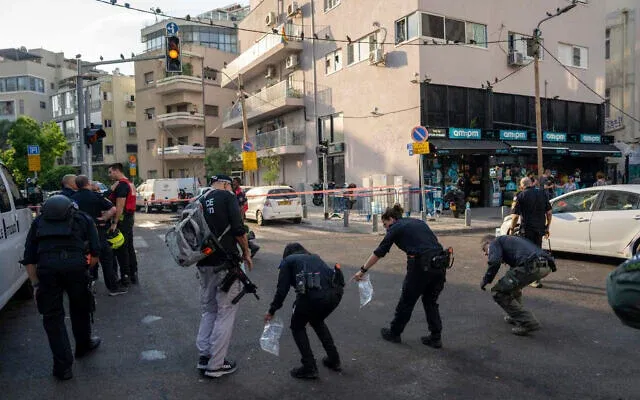
Chapter 5 — The Houthis and Israel: Ideology, Missiles and a New Regional Front
How a Yemeni Armed Movement Became Part of the Confrontation with Israel
For much of their early history, the Houthis were primarily associated with Yemen's internal political struggles.
Their movement emerged from northern Yemen, developed through repeated confrontations with the Yemeni government and eventually established control over Sana'a and significant parts of the country.
Israel was geographically distant from these original conflicts.
Yet hostility toward Israel had been embedded in Houthi political rhetoric long before the movement began launching missiles and drones toward Israeli territory.
Following the Hamas-led attacks against Israel on October 7, 2023, and the subsequent war in Gaza, that hostility developed into direct military confrontation.
The Houthis launched missiles and drones toward Israel, attacked vessels in the Red Sea and presented their operations as part of a broader campaign in support of Palestinians.
Israel responded with military strikes against Houthi-controlled infrastructure and military-related targets in Yemen.
The confrontation introduced another dangerous dimension to an already unstable region.
A movement originally formed around domestic Yemeni grievances had become capable of participating in military operations against a state located approximately 2,000 kilometres away.
The consequences extended beyond Israel and Yemen.
International shipping routes were disrupted, regional military alliances were tested and the possibility of a wider confrontation involving Iran became increasingly significant.
To understand why the Houthis entered the conflict, it is necessary to examine the movement's ideology, its relationship with Iran and the strategic calculations behind its military operations.
1. Hostility Toward Israel: An Ideological Foundation
Opposition to Israel has been a prominent feature of Houthi political ideology for more than two decades.
The movement's best-known slogan includes the phrases “Death to America,” “Death to Israel” and “Curse the Jews.”
The language reflects a combination of anti-American political rhetoric, opposition to Israel and explicitly antisemitic hostility.
The distinction between criticism of a government and hatred directed toward an entire religious or ethnic community is essential.
Criticism of Israeli military operations, government policies or the treatment of Palestinians is a legitimate subject of political debate.
However, language condemning Jews collectively cannot be understood merely as criticism of Israeli policy.
It targets people on the basis of religious or ethnic identity.
This is particularly significant because the slogan is not an isolated statement made by an individual supporter.
It has become a recognizable part of the movement's public political identity.
Houthi leaders have repeatedly framed their struggle in religious and ideological terms, presenting Israel and the United States as central adversaries.
Their rhetoric also reflects broader narratives promoted by movements associated with Iran's so-called Axis of Resistance.
However, the Houthis' hostility toward Israel predates their emergence as a major regional military actor.
The movement's early leader, Hussein Badreddin al-Houthi, developed his political message during a period of growing opposition to American intervention in the Middle East.
The wars in Afghanistan and Iraq reinforced his argument that Muslim societies faced foreign domination.
Israel became a central symbol within this ideological framework.
Over time, the movement's opposition evolved from political declarations into military operations.
The events following October 7, 2023, provided an opportunity for the Houthis to translate their longstanding rhetoric into regional action.
2. October 7, 2023: A Turning Point in the Regional Conflict
On October 7, 2023, Hamas-led armed groups launched a large-scale attack against southern Israel.
Approximately 1,200 people were killed, according to Israeli authorities, and 251 people were taken hostage into Gaza.
The victims included civilians, children, elderly people and members of the Israeli security forces.
The attacks involved killings in residential communities, assaults on military installations and violence at the Nova music festival.
The events triggered a major Israeli military campaign in Gaza.
Israel stated that its objectives included dismantling Hamas's military and governing capabilities and securing the release of hostages.
The war subsequently caused extensive destruction, mass displacement and a severe humanitarian crisis in Gaza.
Palestinian civilians experienced enormous suffering, while the conflict generated intense international debate over military conduct, humanitarian access and the protection of civilians.
The consequences extended across the Middle East.
Hezbollah intensified its confrontation with Israel along the Lebanese border.
Iran-aligned armed groups in Iraq and Syria conducted attacks against American and other military targets.
The Houthis announced their intention to participate in the confrontation.
They presented their operations as an effort to support Palestinians and pressure Israel over its military campaign in Gaza.
However, the movement's participation also served its own political and strategic interests.
By confronting Israel, the Houthis strengthened their position within the regional Axis of Resistance.
They also gained international attention and reinforced their domestic narrative as an organization resisting foreign powers.
The war in Gaza therefore became both an ideological justification and a strategic opportunity for the movement.
3. From Political Statements to Missile Attacks
In October 2023, the Houthis began launching missiles and drones in the direction of Israel.
Some projectiles were intercepted before reaching Israeli territory.
On October 19, 2023, the United States Navy destroyer USS Carney intercepted missiles and drones launched from Yemen over the Red Sea.
American officials assessed that the projectiles were potentially directed toward Israel.
The incident demonstrated that Houthi military activity had expanded beyond Yemen and the Saudi border.
On October 31, the Houthis publicly claimed responsibility for launching missiles and drones toward Israel.
The movement subsequently carried out additional attacks.
Many were intercepted by Israeli or allied defence systems.
Others failed to reach their intended targets.
Nevertheless, the launches created a new security challenge.
Israel was now facing threats from another direction, beyond the immediate battlefields of Gaza and Lebanon.
The distance between Yemen and Israel made these operations particularly significant.
Launching weapons over such distances requires technical capabilities involving propulsion, guidance and operational planning.
The attacks therefore raised questions about the origins of Houthi military technology and the role of Iranian assistance.
They also demonstrated how armed organizations could exploit increasingly accessible missile and drone technologies to challenge states with far more advanced conventional militaries.
4. Eilat: Israel's Southern Gateway Under Threat
The Israeli city of Eilat became one of the most prominent locations associated with Houthi attacks.
Situated at the northern end of the Gulf of Aqaba, Eilat is an important tourism destination and Israel's principal port on the Red Sea.
Its geographical position makes it particularly relevant to threats originating from Yemen.
Houthi missiles and drones directed toward southern Israel created security concerns for residents, businesses and transport infrastructure.
Air defence alerts disrupted daily life, while the broader threat to Red Sea shipping affected commercial activity.
The Port of Eilat was especially vulnerable to the disruption of maritime routes.
As Houthi attacks against commercial vessels intensified, shipping companies increasingly avoided the Red Sea.
This reduced maritime traffic reaching Eilat and contributed to serious financial difficulties for the port.
The economic consequences demonstrated that attacks do not need to strike their intended targets to create substantial damage.
The threat of violence alone can alter commercial behaviour.
Shipping companies must consider the safety of crews, insurance costs, potential delays and the possibility of losing vessels or cargo.
For Israel, the confrontation with the Houthis therefore involved more than missile defence.
It also affected trade, economic security and access to maritime routes.
5. The Red Sea Campaign: Pressure on Israel or a Threat to Global Shipping?
In November 2023, the Houthis began a campaign targeting vessels in the Red Sea and surrounding waters.
The movement claimed that its operations were directed against ships associated with Israel or countries supporting Israeli military operations.
However, the actual pattern of attacks was considerably broader and more complicated.
Commercial vessels with no clearly demonstrated connection to Israel were also targeted.
Some ships were attacked on the basis of alleged ownership relationships or commercial links that were disputed or difficult to establish.
Other incidents involved vessels operating under international flags with multinational crews.
The seizure of the vehicle carrier Galaxy Leader in November 2023 became one of the most widely publicized incidents.
Houthi forces boarded the vessel and took control of it.
Its crew members were detained for an extended period.
The incident illustrated how maritime operations could place civilian seafarers at risk.
Subsequent attacks involved missiles, drones and explosive unmanned surface vessels.
Several commercial ships were damaged, and some attacks caused fatalities.
In March 2024, an attack on the bulk carrier True Confidence killed three crew members.
The deaths demonstrated that the campaign posed a direct threat to civilian lives.
International shipping companies responded by diverting vessels away from the Red Sea.
Many ships instead travelled around the Cape of Good Hope at the southern tip of Africa.
These longer routes increased transportation time, fuel consumption and operating costs.
The economic consequences extended to businesses and consumers far beyond the Middle East.
The Houthi campaign therefore raised an important question.
Can attacks against international commercial shipping be justified as political pressure against a government when civilian crews and unrelated countries bear the consequences?
Under international humanitarian law, commercial vessels do not become lawful military targets merely because an armed group objects to the policies of a country with which a ship may have some commercial association.
The legality of any particular attack depends on the applicable legal framework, the vessel's status and use, and the circumstances of the operation.
Political declarations alone do not establish that a civilian vessel is a legitimate military objective.
6. Iran's Role in the Confrontation with Israel
The Houthis' military operations against Israel have intensified scrutiny of their relationship with Iran.
Tehran has long supported armed movements opposed to Israel and American influence in the Middle East.
Iranian officials have described these relationships as part of a broader regional resistance strategy.
The Houthis' participation in the confrontation with Israel strengthened their position within this network.
Their ability to launch long-range missiles and drones also raised questions about external technological assistance.
International investigations have documented Iranian-origin components and technical similarities involving certain Houthi weapons systems.
However, establishing the origin of military technology is different from proving direct Iranian control over individual operations.
The Houthis maintain their own leadership and decision-making structures.
Their political calculations include domestic legitimacy, regional influence and their relationship with other armed movements.
Iran may benefit strategically from Houthi operations that place pressure on Israel or disrupt maritime security.
But the extent to which Tehran authorizes or directs specific attacks must be assessed through evidence rather than assumption.
This distinction matters because accusations of direct Iranian responsibility can influence decisions about military retaliation.
An incorrect assessment could contribute to escalation between states.
At the same time, ignoring documented external assistance would obscure an important factor behind the movement's expanding capabilities.
The relationship is therefore central to understanding the regional consequences of Houthi military activity.
7. The First Direct Israeli Strikes Against Houthi Targets
For several months, the confrontation between Israel and the Houthis was characterized primarily by Houthi missile and drone launches, interceptions and maritime attacks.
That changed significantly in July 2024.
On July 19, a Houthi-launched drone struck Tel Aviv.
The attack killed one person and injured others.
The incident demonstrated that Houthi weapons could penetrate Israeli airspace and cause casualties in a major population centre.
The following day, Israel launched airstrikes against targets in the Yemeni port city of Hodeidah.
Israeli authorities stated that the operation targeted infrastructure associated with Houthi military activity.
The strikes caused casualties and significant damage, including fires at fuel storage facilities.
The operation marked Israel's first publicly acknowledged direct military attack against Houthi-controlled territory in Yemen.
It also represented a major escalation.
Israel had demonstrated its willingness to conduct military operations over a considerable distance in response to Houthi attacks.
The Houthis, meanwhile, presented the Israeli strikes as further justification for continuing their operations.
The confrontation created the possibility of a cycle of retaliation.
Each side could portray its actions as a response to the previous attack.
Such dynamics are particularly dangerous when military operations involve civilian infrastructure or occur near densely populated areas.
The laws of war require parties to distinguish military objectives from civilian objects and to take feasible precautions to minimize civilian harm.
Those obligations apply to both Houthi attacks and Israeli military operations.
8. Escalation in 2024 and 2025
The confrontation continued after the July 2024 strikes.
The Houthis launched additional missiles and drones toward Israel.
Israel conducted further operations against targets in Houthi-controlled Yemen.
In September 2024, Israeli aircraft struck facilities in Hodeidah and Ras Isa following continued Houthi attacks.
The operations targeted infrastructure that Israel said was being used to support the movement's military activities.
Further Israeli strikes took place in December 2024.
The attacks demonstrated the increasing importance of Yemen within Israel's regional security planning.
In May 2025, a Houthi missile struck near Ben Gurion Airport, injuring several people and disrupting airport operations.
The incident reinforced concerns about the movement's ability to threaten critical Israeli infrastructure.
Israel subsequently carried out further strikes against Houthi-controlled targets, including infrastructure in the Sana'a area.
The expanding confrontation raised difficult questions about deterrence.
Israel sought to demonstrate that attacks against its territory would carry military consequences.
The Houthis attempted to show that Israeli retaliation would not force them to abandon their operations.
Both approaches carried the risk of further escalation.
Military strikes could damage infrastructure and reduce certain capabilities, but they did not necessarily eliminate the movement's ability or willingness to conduct additional attacks.
The confrontation therefore became another example of the difficulty of achieving lasting deterrence against an armed organization with dispersed military assets and strong ideological motivations.
9. The United States and International Military Responses
The Houthi campaign also brought the United States and its allies into direct military confrontation with the movement.
In December 2023, the United States announced Operation Prosperity Guardian, a multinational maritime security initiative intended to protect shipping in the Red Sea.
American and allied naval forces intercepted missiles and drones threatening vessels in the region.
In January 2024, the United States and the United Kingdom began conducting strikes against Houthi military targets in Yemen.
The operations were intended to reduce the movement's ability to attack commercial shipping.
Targets included missile facilities, radar installations, weapons storage sites and other military infrastructure.
The United States and its partners argued that the operations were necessary to protect freedom of navigation and defend vessels against attacks.
The Houthis condemned the strikes and continued their campaign.
The confrontation demonstrated the difficulty of using military force to stop attacks by a movement operating from dispersed positions across a large territory.
Airstrikes can destroy identified weapons and infrastructure.
However, mobile launch systems, concealed equipment and decentralized operations can make it difficult to eliminate the threat completely.
The military response also raised questions about the risk of expanding the conflict.
Operations intended to protect international shipping could create additional incentives for retaliation.
The challenge for international governments was therefore to protect maritime traffic without allowing the confrontation to develop into a broader regional war.
10. The Political Value of Confronting Israel
The Houthis' confrontation with Israel cannot be understood solely through military objectives.
It also serves important political purposes.
Within Yemen, the movement has used its operations against Israel to reinforce its image as a defender of Palestinians and an opponent of foreign intervention.
This narrative can appeal to people who strongly oppose Israeli military actions in Gaza, including some who do not support Houthi domestic policies.
The movement has organized large public demonstrations and used state-controlled media to promote its position.
The confrontation has also allowed the Houthis to redirect political attention toward an external adversary.
This is significant because the movement faces criticism over governance, economic conditions, restrictions on civil liberties and alleged human rights abuses in areas under its control.
External military confrontation can strengthen nationalist or religious mobilization.
However, public participation in demonstrations does not necessarily indicate unconditional support for the movement's domestic rule.
Some Yemenis may support the Palestinian cause while opposing Houthi political repression.
Others may reject the movement's military operations because of the risks they create for Yemen.
The relationship between public opinion, ideological mobilization and political control is therefore complicated.
Internationally, the confrontation has increased the Houthis' visibility.
A movement that was once primarily discussed in relation to Yemen's civil war has become a regular subject of international security debates.
This attention can strengthen its political standing among sympathetic movements.
But it also exposes Yemen to further military retaliation and economic disruption.
11. Antisemitism, Political Opposition and the Danger of Collective Hatred
The Houthi movement's rhetoric toward Israel raises an issue that extends beyond military confrontation.
Its official slogan includes hostility directed at Jews collectively.
This language is not equivalent to criticism of Israeli government policies.
It expresses prejudice against an entire religious and ethnic community.
Antisemitism has a long and destructive history, including persecution, discrimination and mass violence against Jewish populations.
Political movements that use antisemitic language contribute to the normalization of hostility toward Jews regardless of nationality or political beliefs.
This distinction is especially important during periods of intense conflict involving Israel and the Palestinians.
People may legitimately criticize Israeli military decisions, government policies or settlement practices.
They may also advocate for Palestinian rights and statehood.
Such positions do not inherently constitute antisemitism.
However, assigning collective responsibility to Jews for the actions of the Israeli government crosses a fundamental boundary.
The Houthis' rhetoric also raises concerns when considered alongside the history of Yemen's Jewish community.
Jewish communities existed in Yemen for many centuries and formed an important part of the country's cultural and religious history.
Most Yemeni Jews emigrated during the twentieth century, particularly following the establishment of Israel and the large-scale migration of 1949–1950.
The remaining community became extremely small.
In recent decades, Jewish residents in Houthi-controlled areas have faced threats, intimidation and pressure that contributed to further departures.
The near disappearance of Yemen's Jewish community is the result of a long and complex history, but the treatment of its remaining members is an important human rights concern.
Religious freedom and the protection of minorities are essential standards by which political authorities should be judged.
The same principles apply to all communities.
No population should be targeted because of religion, ethnicity or collective association with a government.
12. A New Front in an Already Dangerous Region
The confrontation between Israel and the Houthis has added another layer of instability to the Middle East.
Israel faces security threats from several directions.
The Houthis have demonstrated an ability to launch long-range weapons toward Israeli territory and threaten maritime traffic.
Iran's relationship with the movement adds a further strategic dimension.
Saudi Arabia and other Gulf states must consider how renewed regional escalation could affect their own security.
The United States and its allies face the challenge of protecting international shipping while attempting to avoid a wider conflict.
For Yemen, the consequences are particularly serious.
The country has already endured years of civil war, economic collapse and humanitarian suffering.
Further military escalation risks damaging infrastructure, disrupting essential supplies and placing additional pressure on civilians.
The Houthis' decision to participate in regional confrontation has therefore created costs that extend beyond their military organization.
It has increased Yemen's exposure to international military operations while doing little to resolve the country's internal political divisions.
At the same time, the confrontation has demonstrated the limits of military deterrence.
Neither long-range strikes nor defensive interceptions alone can address the political motivations behind the conflict.
The risk of renewed attacks remains closely connected to developments in Gaza, Israel's regional security environment, Iranian foreign policy and the Houthis' own strategic calculations.
A lasting reduction in hostilities would require more than temporary military restraint.
It would depend on broader diplomatic arrangements and the willingness of the parties involved to reduce confrontation.
Conclusion — From Ideological Hostility to Direct Military Conflict
The Houthis' confrontation with Israel represents a major transformation in the movement's regional role.
For years, opposition to Israel was primarily expressed through political speeches, ideological messaging and public demonstrations.
Following October 7, 2023, that hostility became a sustained military campaign.
The movement launched missiles and drones toward Israeli territory, attacked international shipping and positioned itself within a wider regional confrontation.
Israel responded with military strikes against Houthi-controlled targets in Yemen.
The United States and its allies also became involved through maritime defence operations and attacks against Houthi military infrastructure.
The consequences have extended far beyond the original conflict in Gaza.
Commercial shipping has been disrupted.
Civilian lives have been endangered.
Regional military tensions have intensified.
And Yemen has become increasingly exposed to military operations involving foreign powers.
The confrontation also reveals important contradictions within the Houthi movement.
Its leaders present themselves as defenders of oppressed populations while facing serious allegations of repression and human rights abuses in territories under their own control.
They claim to oppose foreign aggression while conducting attacks that threaten civilian maritime traffic and expose Yemen to further military retaliation.
Their political rhetoric invokes solidarity with Palestinians while including language that openly promotes hatred toward Jews.
These contradictions deserve critical examination.
Understanding the Houthis requires recognizing both their stated political objectives and the consequences of their actions.
It also requires distinguishing between legitimate concern for Palestinian civilians and military operations that violate the rights or endanger the lives of others.
Ultimately, the confrontation between Israel and the Houthis demonstrates how a prolonged domestic conflict can become part of a much wider regional struggle.

Chapter 6 — The Red Sea: Threats to International Shipping
How the Houthis Turned One of the World's Most Important Maritime Corridors into a Zone of Conflict
The Red Sea has connected civilizations, economies and trading networks for thousands of years.
Today, it remains one of the most strategically important maritime corridors in the world.
Commercial vessels transporting oil, natural gas, food, manufactured goods and industrial materials travel through its waters, linking European and Asian markets through the Suez Canal.
For international shipping companies, the route offers a significantly shorter journey than sailing around the southern tip of Africa.
For countries dependent on maritime trade, its security is an essential economic concern.
Yet since late 2023, the Red Sea has become the centre of a prolonged confrontation involving Yemen's Houthi movement, international naval forces and commercial shipping companies.
The Houthis began attacking vessels in the Red Sea and surrounding waters following the outbreak of the war between Israel and Hamas.
The movement claimed that its operations were intended to pressure Israel and demonstrate solidarity with Palestinians in Gaza.
However, the consequences extended far beyond Israel.
Commercial vessels with multinational crews were attacked, shipping companies diverted their routes, insurance costs increased and international governments deployed naval forces to protect maritime traffic.
Some attacks caused fatalities.
Others resulted in the destruction or sinking of vessels.
The campaign demonstrated how an armed movement controlling territory along a strategically important coastline could disrupt international trade despite possessing far fewer resources than the world's major naval powers.
It also raised fundamental questions about international maritime law, the protection of civilian seafarers and the limits of military intervention.
Understanding the Red Sea crisis requires examining the geography of the region, the development of Houthi maritime capabilities and the international response to a threat that has become increasingly difficult to contain.
1. The Bab al-Mandab Strait: A Strategic Gateway Between Continents
At the southern entrance to the Red Sea lies the Bab al-Mandab Strait.
The name is often translated from Arabic as the Gate of Tears.
The strait separates Yemen on the Arabian Peninsula from Djibouti and Eritrea on the African side.
It connects the Red Sea with the Gulf of Aden and, beyond it, the Indian Ocean.
Together with the Suez Canal, the Bab al-Mandab forms part of one of the world's most important maritime trading routes.
Ships travelling between Asia and Europe can pass through the Indian Ocean, enter the Gulf of Aden, cross the Bab al-Mandab, sail through the Red Sea and continue through the Suez Canal into the Mediterranean.
Without this route, many vessels must travel around the Cape of Good Hope at the southern end of Africa.
Depending on the ports involved, that alternative can add thousands of kilometres and many days to a voyage.
The Bab al-Mandab is therefore more than a narrow geographical passage.
It is a strategic point where regional insecurity can create international economic consequences.
Before the Houthi maritime campaign, substantial volumes of commercial shipping and energy supplies passed through the Red Sea and Suez Canal route.
Oil tankers, container ships, bulk carriers and other commercial vessels depended on its accessibility.
The geography also creates particular security vulnerabilities.
Ships passing through narrow maritime corridors have limited opportunities to avoid threats originating from nearby coastlines.
Military forces positioned along the Yemeni coast can potentially threaten vessels travelling through surrounding waters.
The Houthis' control over parts of western Yemen therefore provides a significant strategic advantage.
They do not need to control the entire Red Sea to create disruption.
The ability to threaten ships approaching or passing through key maritime routes can be sufficient to alter international shipping decisions.
2. How the Houthi Maritime Campaign Began
The modern Red Sea crisis intensified following the Hamas-led attacks against Israel on October 7, 2023, and the subsequent Israeli military campaign in Gaza.
Houthi leaders announced that they would take action against Israel and vessels they claimed were connected to Israeli interests.
The movement presented its maritime operations as part of a broader effort to pressure Israel over the war in Gaza.
In November 2023, Houthi forces seized the vehicle carrier Galaxy Leader in the Red Sea.
Armed personnel boarded the vessel and took control of it.
The ship was associated through its ownership structure with an Israeli businessman, although it was not an Israeli-flagged vessel.
Its multinational crew was detained.
The seizure attracted international attention because it demonstrated that the Houthis were prepared to conduct direct operations against commercial shipping.
The campaign subsequently expanded.
The movement launched missiles and drones toward vessels in the Red Sea, Gulf of Aden and surrounding waters.
Some attacks involved ships the Houthis claimed had connections to Israel.
Others targeted vessels whose alleged connections were unclear, indirect or disputed.
As the confrontation developed, Houthi statements broadened the categories of vessels they threatened.
The movement announced restrictions targeting ships associated with countries it considered responsible for military operations against Yemen or supportive of Israel.
These declarations created uncertainty for shipping companies.
A vessel's flag, ownership, operator, destination and commercial relationships could all become factors in Houthi claims about whether it was a legitimate target.
However, such claims did not establish legal authority to attack civilian commercial shipping.
The campaign quickly became a threat to international maritime security rather than a confrontation affecting only Israeli interests.
3. Missiles, Drones and Unmanned Boats: A New Maritime Threat
The Houthis have employed several types of weapons in their maritime campaign.
These have included anti-ship missiles, ballistic missiles, aerial drones and explosive unmanned surface vessels.
The use of different systems complicates defensive operations.
Commercial ships are generally not equipped to defend themselves against sophisticated missile attacks.
Their crews are trained primarily for navigation, cargo operations, emergency response and maritime safety.
Even when ships employ private security personnel, such arrangements do not provide the capabilities of a modern naval air defence system.
The Houthis' weapons have therefore created a serious threat to civilian vessels.
Anti-ship missiles can travel at high speeds and cause extensive damage if they strike a ship.
Unmanned aerial vehicles can approach from different directions and may be difficult to detect, depending on their design and operating conditions.
Explosive unmanned surface vessels can threaten ships near the waterline.
The movement has also used combinations of weapons in certain operations.
These tactics can complicate the task of identifying and intercepting incoming threats.
International naval forces have deployed sophisticated defensive systems to counter the attacks.
However, protecting every commercial vessel across a large maritime area is extremely difficult.
The Red Sea and Gulf of Aden cover extensive distances.
Military ships cannot remain close to every merchant vessel at all times.
Furthermore, Houthi launch systems can be mobile, concealed or dispersed across territory under the movement's control.
Destroying one weapons facility does not necessarily eliminate the ability to launch further attacks.
The maritime campaign illustrates a broader development in modern warfare.
Relatively inexpensive weapons can impose substantial financial and operational costs on technologically advanced opponents.
The challenge is not simply whether a missile or drone can be intercepted.
It is whether maritime security can be maintained consistently and economically over an extended period.
4. The Human Cost: Civilian Seafarers Under Attack
The international discussion surrounding the Red Sea crisis often focuses on military strategy, shipping costs and geopolitical consequences.
However, the people working aboard commercial vessels face the most immediate dangers.
Merchant ships are operated by civilian crews drawn from countries across the world.
Seafarers may spend months away from their families, transporting goods essential to international trade.
They are not automatically participants in the political or military disputes involving the countries through which their vessels travel.
Nevertheless, Houthi attacks have placed them directly in danger.
On March 6, 2024, the bulk carrier True Confidence was struck by a Houthi missile attack in the Gulf of Aden.
Three crew members were killed and others were injured.
The attack became one of the clearest demonstrations of the deadly consequences of the campaign.
It also highlighted the vulnerability of civilian seafarers operating in conflict-affected waters.
Other attacks caused severe damage to vessels and forced crews to abandon ship.
The psychological consequences should not be overlooked.
Seafarers travelling through threatened waters may face the possibility of missile alerts, explosions, fires or emergency evacuation.
For crews whose livelihoods depend on maritime employment, avoiding dangerous routes may not always be a personal choice.
Shipping companies, charterers and vessel operators make decisions about routes and risk management.
The people aboard the vessels must then live with the consequences.
The protection of civilian seafarers is therefore a central humanitarian issue.
They should not be treated as acceptable casualties of political pressure campaigns.
5. The Sinking of the Rubymar
One of the most significant incidents of the early Red Sea campaign involved the bulk carrier Rubymar.
On February 18, 2024, the vessel was struck by Houthi missiles while travelling through the Bab al-Mandab area.
The attack caused serious damage.
The crew abandoned the vessel and was rescued.
The ship remained afloat for a period but eventually sank in early March 2024.
The sinking created concerns about environmental damage and maritime safety.
The Rubymar was carrying a large quantity of fertilizer.
Its cargo raised fears about possible consequences for the marine environment.
The Red Sea contains important coral reef ecosystems and supports coastal communities dependent on fishing and other maritime activities.
A major pollution incident could have long-term economic and environmental effects.
The sinking also created a potential navigational hazard.
The incident demonstrated that attacks against commercial shipping can produce consequences beyond the immediate vessel.
Environmental damage, disrupted trade and risks to other ships may continue long after the original attack.
The Rubymar became a symbol of the wider dangers created by the Houthi maritime campaign.
6. The Tutor Attack and the Expansion of Maritime Warfare
In June 2024, the bulk carrier Tutor was attacked in the Red Sea.
The operation involved an explosive unmanned surface vessel and additional strikes.
The attack caused extensive damage and led to the ship's eventual sinking.
One crew member was reported missing and presumed dead.
The incident demonstrated the increasing complexity of Houthi maritime tactics.
The use of an explosive surface vessel was particularly significant.
Unlike an aerial drone, an unmanned boat approaches its target at sea level.
Depending on its design and operating conditions, it may present different detection and interception challenges.
A strike near a ship's waterline can cause serious flooding and structural damage.
The Tutor attack also demonstrated the potential effectiveness of combining different types of weapons.
For international naval forces, such operations create difficult defensive requirements.
Ships must monitor threats from the air, sea surface and potentially other directions.
The campaign therefore became an example of how relatively small armed organizations can adapt modern technology to challenge international maritime security.
7. The Economic Consequences for Global Trade
The Houthi attacks had immediate consequences for international shipping.
Major shipping companies began diverting vessels away from the Red Sea.
Instead of travelling through the Suez Canal, many ships sailed around the Cape of Good Hope.
The alternative route increased journey times and operating costs.
Longer voyages required additional fuel and increased the time vessels and crews spent at sea.
Shipping companies also faced higher insurance premiums and security expenses.
These additional costs affected international supply chains.
Manufacturers and retailers depend on predictable transportation schedules.
When ships take longer routes, deliveries can be delayed and logistics networks become more complicated.
The effects can extend to consumer goods, industrial components and agricultural products.
The consequences are not distributed equally.
Companies with substantial financial resources may be better able to absorb additional costs.
Smaller businesses may face greater difficulties.
Countries that depend heavily on imported goods can also be vulnerable to increases in transportation expenses.
Egypt experienced particularly serious economic consequences because of reduced traffic through the Suez Canal.
Canal transit fees represent an important source of foreign currency revenue for the Egyptian government.
A sustained reduction in shipping traffic therefore affects national finances.
The Red Sea crisis demonstrated how an armed movement operating in one country could influence economic conditions across several continents.
8. Egypt, the Suez Canal and the Wider Regional Economy
The Suez Canal is one of Egypt's most important strategic and economic assets.
It connects the Mediterranean Sea with the Red Sea, allowing ships to avoid the much longer route around Africa.
For decades, the canal has played a central role in international maritime trade.
Revenue from transit fees contributes to Egypt's foreign currency earnings.
The Houthi campaign created a major challenge for this system.
As shipping companies diverted vessels, traffic through the canal declined.
Egypt consequently faced reduced revenue during a period of broader economic pressure.
The effects also extended to ports and logistics businesses connected to the route.
Maritime trade depends on networks of services, including fuel supply, maintenance, cargo handling and transportation.
When shipping patterns change, these businesses can experience significant disruption.
The crisis therefore created economic consequences for countries that were not directly involved in the military confrontation.
This is one reason international maritime security is not simply a concern for naval powers.
It affects governments, businesses and workers throughout the global economy.
9. Operation Prosperity Guardian and the International Naval Response
In December 2023, the United States announced Operation Prosperity Guardian.
The initiative was established to strengthen maritime security in the Red Sea and surrounding waters.
Several countries participated in or supported international efforts to protect commercial shipping.
Naval forces conducted patrols, monitored threats and intercepted missiles and drones.
The operation reflected growing concern that the Houthi campaign threatened freedom of navigation.
International maritime trade depends on the ability of civilian vessels to travel through international waters without being subjected to unlawful attacks.
The United States and its partners argued that protecting this principle was essential to international security.
However, the operation faced practical limitations.
The maritime area requiring protection was extensive.
Commercial traffic involved numerous vessels travelling along different routes.
The Houthis could launch attacks from positions inside Yemen, often using mobile or concealed systems.
Naval forces therefore had to combine surveillance, defensive interception and intelligence gathering.
The operation also raised questions about how long international governments could sustain such deployments.
Maintaining modern warships and air defence systems in a conflict zone is expensive.
The financial costs of defending commercial shipping can be substantial, particularly when inexpensive attacking weapons require costly defensive responses.
These challenges contributed to debates about whether military protection alone could restore confidence in the Red Sea route.
10. American and British Strikes Against Houthi Targets
In January 2024, the United States and the United Kingdom began conducting military strikes against Houthi targets in Yemen.
The operations were intended to reduce the movement's ability to attack commercial shipping.
Targets included missile launch facilities, radar systems, weapons storage locations and other military infrastructure.
American and British officials argued that the strikes were necessary to protect maritime security and respond to attacks against vessels.
The Houthis condemned the operations and continued launching attacks.
This created a cycle of military action and retaliation.
The effectiveness of the strikes became a subject of debate.
Destroying weapons and military infrastructure can reduce an armed organization's immediate capabilities.
However, it does not necessarily eliminate its ability to conduct future attacks.
Mobile weapons systems, dispersed storage facilities and the movement's access to replacement equipment complicated efforts to suppress the threat.
The Houthis also used the foreign strikes to reinforce their political messaging.
They portrayed the attacks as evidence that Western governments were directly involved in the confrontation.
This narrative supported the movement's broader ideological position.
The situation demonstrated the limitations of military force when an armed organization considers continued confrontation politically valuable.
11. International Maritime Law and the Protection of Civilian Shipping
The Red Sea crisis raises important legal questions.
International law recognizes the importance of freedom of navigation and establishes rules governing maritime activity.
Commercial vessels generally enjoy protection from unlawful attacks.
During armed conflict, international humanitarian law also regulates the circumstances in which ships may be attacked.
Civilian merchant vessels are not automatically legitimate military objectives.
Their legal status depends on their conduct, use and the circumstances of the conflict.
A vessel may become a military objective under certain conditions, but political hostility toward its owners or the government of a country with which it has commercial connections does not by itself establish that status.
Parties conducting military operations must comply with applicable rules concerning distinction, proportionality and precautions.
The Houthis' attacks against civilian shipping have therefore raised serious concerns under international law.
The United Nations Security Council addressed the issue in Resolution 2722, adopted in January 2024.
The resolution demanded that the Houthis cease attacks against merchant and commercial vessels.
It also condemned the attacks and emphasized the importance of navigational rights and freedoms.
However, international legal condemnation does not automatically prevent further violations.
Enforcement depends on political cooperation, military capabilities and the willingness of parties to comply with international obligations.
The Red Sea crisis illustrates the difficulty of maintaining international legal protections when armed organizations are willing to challenge established maritime norms.
12. Why the Red Sea Remains Difficult to Secure
The international response has demonstrated that protecting the Red Sea is not a simple military task.
Several factors contribute to the difficulty.
First, Yemen's coastline provides opportunities for dispersed military operations.
Second, the Houthis possess different types of weapons capable of threatening maritime traffic.
Third, international shipping involves large numbers of vessels with varying routes and schedules.
Fourth, the cost of defensive operations can be considerably higher than the cost of individual attacks.
Fifth, the conflict is connected to wider political developments involving Israel, Gaza, Iran and the United States.
These factors mean that maritime security cannot be separated entirely from regional diplomacy.
Military operations may reduce immediate threats.
However, restoring confidence among shipping companies requires sustained improvements in security.
Commercial operators make decisions based on risk assessments rather than political declarations alone.
Even after attacks decline, companies may hesitate to return to a route if they believe the danger could quickly reappear.
The economic consequences can therefore continue beyond periods of active fighting.
A durable solution would require both effective maritime protection and a reduction in the political and military incentives driving the attacks.
Conclusion — A Regional Conflict with Global Consequences
The Houthi campaign in the Red Sea demonstrates how a regional armed movement can disrupt international trade and challenge major naval powers.
By threatening vessels near the Bab al-Mandab Strait, the Houthis have affected shipping routes connecting Europe, Asia and the Middle East.
Their attacks have endangered civilian seafarers, damaged and destroyed commercial vessels, increased transportation costs and created risks for the marine environment.
The international response has involved naval deployments, defensive interceptions and military strikes against Houthi targets.
Yet the campaign has proved difficult to end through military means alone.
The movement's ability to operate from dispersed positions, employ different weapons systems and connect its actions to broader political objectives has complicated international efforts.
The crisis also raises fundamental questions about the protection of civilian shipping.
Commercial vessels should not become targets simply because an armed organization seeks to pressure a government.
Civilian seafarers should not be placed in danger because of political disputes in which they have no direct role.
And the security of international maritime routes should not depend on the willingness of armed movements to refrain from attacks.
For Yemen, the consequences are particularly serious.
The country's prolonged internal conflict has become intertwined with international maritime security, regional military confrontation and global economic interests.
The Red Sea campaign has increased the Houthis' international influence.
But it has also exposed Yemen to additional military operations and contributed to uncertainty in a country already suffering from years of war.

Chapter 7 — Saudi Arabia and the Risk of Renewed Escalation
The Return of War in Yemen, the October 2026 Attacks and the Growing Danger to Regional Security
For several years, Saudi Arabia appeared to be moving away from direct military confrontation with Yemen's Houthi movement.
The United Nations-brokered truce of April 2022 had significantly reduced large-scale fighting, creating an opportunity for diplomatic engagement after years of devastating warfare.
Although the truce formally expired in October 2022, the relative reduction in hostilities continued for an extended period.
Saudi Arabia increasingly pursued negotiations aimed at securing its southern border, reducing missile and drone attacks, and finding a political arrangement that could allow the kingdom to move beyond its prolonged military involvement in Yemen.
However, the underlying conflict was never resolved.
The Houthis retained control over Sana'a and substantial territory in northern Yemen.
The internationally recognized Yemeni government remained politically and militarily fragmented.
The country's economy continued to deteriorate, and millions of civilians remained dependent on humanitarian assistance.
By the middle of 2026, the fragile period of relative calm was breaking down.
Renewed military operations, territorial advances and cross-border attacks brought Saudi Arabia and the Houthis into increasingly direct confrontation.
In September and October 2026, the escalation accelerated dramatically.
Missiles and drones were launched toward Saudi infrastructure, fighting intensified around the strategically important city of Taiz, and military operations expanded along Yemen's Red Sea coastline.
The crisis demonstrated how quickly an unresolved conflict could return to full-scale war.
It also raised a critical question for Saudi Arabia and the wider Middle East.
Could renewed confrontation with the Houthis trigger a larger regional conflict at a time when tensions involving Iran, Israel and the United States were already dangerously high?
1. From the 2022 Truce to the Collapse of Relative Calm
The April 2022 truce represented one of the most important diplomatic developments in Yemen since the Saudi-led intervention began in 2015.
Negotiated under United Nations auspices, the agreement significantly reduced major military operations and cross-border attacks.
It also created limited opportunities to improve civilian conditions, including commercial flights from Sana'a and arrangements concerning fuel shipments.
For Saudi Arabia, the truce offered a potential route away from a military campaign that had failed to achieve its principal objective of removing the Houthis from the capital.
For the Houthis, the reduction in fighting allowed them to consolidate their territorial position while pursuing negotiations concerning economic arrangements, salaries and restrictions affecting areas under their control.
The truce did not produce a comprehensive political settlement.
Yemen remained divided between rival authorities, and disputes over government legitimacy, territorial control and the distribution of resources continued.
Nevertheless, the decline in major hostilities demonstrated that military restraint was possible.
Oman played an important role in facilitating contacts between Saudi Arabia and the Houthis.
The United Nations continued advocating a broader political roadmap.
Yet the diplomatic process remained vulnerable.
The Houthis retained significant military capabilities, including missiles and drones.
Saudi Arabia continued supporting Yemen's internationally recognized government.
Neither side had resolved the fundamental political and security disputes underlying the conflict.
The reduction in fighting therefore represented a fragile pause rather than a durable peace.
By 2026, that distinction had become increasingly important.
2. Why the Conflict Reignited in 2026
The renewed escalation in 2026 developed from several interconnected factors.
One was the continued absence of a comprehensive political settlement.
Another was the changing balance of power among Yemen's competing political and military factions.
Developments in southern Yemen further complicated the situation.
The Southern Transitional Council, which had previously exercised substantial influence in parts of the south, experienced major political and military reversals during late 2025 and early 2026.
Government-aligned forces supported by Saudi Arabia subsequently strengthened their position.
These changes altered the internal balance of power and affected the strategic calculations of the Houthis.
At the same time, the wider regional confrontation involving Iran, Israel and the United States created additional instability.
The military conflict involving Iran in 2026 increased pressure on Tehran's regional partners and intensified concerns about the possibility of simultaneous confrontations across several countries.
Within Yemen, disputes involving airspace restrictions, access to airports, economic measures and territorial control contributed to the breakdown of relative calm.
By July, military confrontation was intensifying.
In September, Houthi forces launched major advances along Yemen's western coastline and toward strategically important positions near the Bab al-Mandab Strait.
Government-aligned forces responded with counteroffensives, supported by Saudi military operations.
The fighting spread across several governorates.
The conflict was no longer characterized primarily by isolated incidents or limited exchanges of fire.
It had returned to large-scale military confrontation.
3. The Houthi Offensive and the Battle for Yemen's Western Coast
Yemen's western coastline has enormous strategic significance.
It provides access to the Red Sea and includes territory overlooking important international maritime routes.
Control over coastal cities, ports, roads and elevated positions can influence both military operations and commercial shipping.
During September 2026, Houthi forces advanced into territory previously controlled by government-aligned forces.
Their operations included areas near the historic port city of Mocha, also known as Al-Makha, and positions approaching the Bab al-Mandab Strait.
The advances raised concerns about the security of the southern Red Sea.
For the Houthis, expanding territorial control along the coast could strengthen their military position and provide additional leverage in negotiations.
For Saudi Arabia and Yemen's internationally recognized government, the offensive threatened important defensive positions and access routes.
The government subsequently launched counteroffensives.
In early October, government forces reported retaking Mocha and positions near the Bab al-Mandab with coalition support.
However, the wider fighting continued.
Territorial control in such conflicts can change rapidly, and claims made by opposing military organizations require independent verification.
The strategic significance of the fighting was nevertheless clear.
The western coastline had again become a major battlefield.
Its importance extended beyond Yemen's internal conflict because of its proximity to international shipping routes.
A prolonged struggle for control of the coast could increase risks for commercial vessels and create additional pressure on regional governments.
4. Taiz: A City Caught Between Competing Forces
The city of Taiz has long been one of the most heavily affected areas of Yemen's war.
Located in the country's southwest, Taiz occupies a strategically important position between Houthi-controlled northern territory and areas associated with the internationally recognized government.
Its surrounding mountains and roads have repeatedly become military objectives.
Control over access routes can determine whether food, fuel, medicine and other essential supplies reach the population.
During the renewed fighting in 2026, the situation around Taiz deteriorated sharply.
Houthi advances placed additional pressure on government-controlled areas.
Fighting intensified in the highlands west and south of the city.
Government forces attempted to regain strategic positions and prevent further Houthi advances.
The military confrontation created severe consequences for civilians.
Road closures, insecurity and disruptions to commercial transport reduced access to essential goods.
Families faced rising prices and increasing uncertainty.
The situation also illustrated a central problem in Yemen's war.
Military control over surrounding territory can effectively isolate a city without requiring the attacking force to occupy its centre.
Civilians may become trapped between opposing forces, unable to leave safely or obtain sufficient supplies.
The humanitarian consequences can continue even during periods when fighting temporarily decreases.
Taiz therefore represents more than a strategic military objective.
It is a city whose residents have repeatedly experienced the consequences of prolonged conflict, political division and restrictions on movement.
The renewed fighting also provides important context for reports of local resistance to the Houthis, including the participation of women in public opposition movements.
However, individual videos and claims concerning armed groups must be independently verified before being presented as evidence of specific events.
5. The Return of Missile and Drone Attacks Against Saudi Arabia
One of the most serious developments in the renewed conflict has been the return of sustained Houthi attacks against Saudi territory.
The movement has launched missiles and drones toward airports, energy infrastructure and other locations inside the kingdom.
These attacks represent a significant escalation from the period of relative calm following the 2022 truce.
Saudi Arabia possesses advanced air defence systems, but repeated attacks create substantial operational challenges.
Missiles and drones may approach from different directions and can place pressure on defensive resources.
Even successful interceptions can result in falling debris and risks to civilian populations.
Airports are particularly sensitive targets.
They are essential to international travel, commercial activity and economic development.
An attack against a major civilian airport can endanger passengers, employees and surrounding communities.
Energy infrastructure is similarly important.
Saudi Arabia is one of the world's largest oil producers and exporters.
Its production facilities, refineries, pipelines and export terminals play an important role in global energy markets.
Disruption to these facilities can affect international prices and supply expectations.
The Houthis' ability to threaten such infrastructure gives them strategic leverage.
However, attacks against civilian infrastructure also raise serious legal and humanitarian concerns.
The fact that an installation contributes to a country's economy does not automatically make it a lawful military target.
Under international humanitarian law, the status of a particular target must be assessed according to its actual use and contribution to military action.
The renewed attacks have therefore raised concerns not only about Saudi national security but also about civilian protection and the risk of wider economic disruption.
6. October 2026: A Dangerous New Phase
By October 2026, the confrontation had entered a particularly dangerous phase.
On October 9, United Nations Special Envoy Hans Grundberg warned the Security Council that Yemen had returned to full-scale war.
His assessment reflected the expansion of fighting across multiple frontlines and the increasing danger to civilians.
Houthi attacks against Saudi Arabia had already affected civilian and energy infrastructure.
Fighting continued around Taiz, Lahj and other governorates.
The internationally recognized government and Saudi-backed forces were conducting counteroffensives.
The escalation intensified further during the middle of the month.
On October 15, Yemeni government officials reported a Houthi attack against the presidential palace complex in Aden.
The government reported fatalities, while the Saudi-led coalition described a broader series of Houthi attacks against Saudi infrastructure.
The confrontation was increasingly affecting political institutions, civilian facilities and strategic economic targets.
On October 24, the Houthis announced another series of attacks against Saudi Arabia.
Houthi military spokesperson Yahya Saree claimed that the movement had targeted several important facilities, including King Khalid International Airport in Riyadh, energy installations in Yanbu and Rabigh, oil pumping stations and the East-West Pipeline.
The Saudi-led coalition reported intercepting two ballistic missiles.
Saudi authorities also reported falling missile debris in several locations.
However, the Houthi claims concerning successful strikes on specific facilities were not independently confirmed at the time of reporting.
This distinction is important.
A military organization's announcement that it has attacked a target does not establish that the target was successfully struck.
Similarly, statements concerning interceptions, damage and casualties require verification.
Nevertheless, the scale and frequency of the reported attacks demonstrated the seriousness of the confrontation.
Saudi Arabia was again facing a direct military threat from Yemen.
And the possibility of further escalation had become an immediate regional security concern.
7. Saudi Arabia's Energy Infrastructure and Economic Vulnerability
Saudi Arabia's energy sector is central to both its national economy and global oil markets.
The kingdom operates extensive production facilities, refineries, pipelines, storage installations and export terminals.
These facilities are geographically dispersed and connected through complex transportation networks.
Protecting them requires substantial security resources.
The Houthi attacks have demonstrated that even a militarily powerful country can face difficulties defending critical infrastructure against repeated missile and drone threats.
The September 2019 attacks on Abqaiq and Khurais had already revealed the potential consequences of sophisticated aerial operations.
The renewed confrontation in 2026 has brought similar concerns back into focus.
Facilities such as the East-West Pipeline are strategically important because they allow Saudi Arabia to transport oil across the kingdom toward the Red Sea.
Such infrastructure can provide alternatives when other maritime routes are disrupted.
However, pipelines and associated facilities can themselves become vulnerable during periods of regional conflict.
For international energy markets, the danger is not limited to confirmed physical damage.
The expectation of possible disruption can influence prices, insurance costs and investment decisions.
For Saudi Arabia, the security challenge also intersects with its economic diversification strategy.
The kingdom has invested heavily in tourism, infrastructure, technology and major development projects.
These ambitions depend partly on regional stability and international confidence.
Repeated missile alerts and attacks against infrastructure can undermine that confidence.
The confrontation therefore creates economic risks that extend beyond the immediate costs of military operations.
8. Iran and the Risk of a Wider Regional War
The renewed conflict in Yemen cannot be separated entirely from the wider confrontation involving Iran.
The Houthis have developed significant military capabilities through a combination of captured equipment, domestic adaptation and external assistance.
Investigations have documented Iranian-origin technology associated with Houthi weapons systems.
Iran and the Houthis also share important political objectives, including opposition to Israel and American military influence.
However, the movement retains its own leadership and domestic political interests.
This creates a complicated relationship.
Iran may benefit strategically when Houthi operations place pressure on Saudi Arabia or disrupt regional security.
At the same time, Tehran may face additional risks if those operations contribute to a wider confrontation.
Saudi Arabia must consider whether attacks originating from Yemen reflect decisions made primarily by Houthi leaders, Iranian strategic interests or a combination of both.
The distinction matters.
Military retaliation based on assumptions about external control could expand a conflict beyond its original participants.
Conversely, failing to recognize documented external military support could lead to an incomplete understanding of the threat.
The wider regional conflict in 2026 has made these calculations more difficult.
Military operations involving Iran, Israel and the United States have increased the possibility that separate confrontations could become interconnected.
Yemen is particularly vulnerable to this dynamic.
Its domestic war already involves regional alliances and foreign military support.
Further escalation could deepen those connections and make a political settlement even more difficult.
9. International Responses and Collective Security
The renewed attacks against Saudi Arabia have prompted diplomatic and military responses from regional and international partners.
Saudi Arabia has sought support from countries concerned about the security of the Arabian Peninsula and the stability of international energy supplies.
Pakistan and Türkiye have participated in discussions concerning regional defence cooperation.
The United Kingdom has also addressed Saudi defensive requirements.
These developments reflect the broader strategic importance of Saudi security.
However, international military cooperation creates difficult questions.
Defensive assistance may help protect civilians and critical infrastructure against missile and drone attacks.
At the same time, governments must consider whether their involvement could contribute to further escalation.
The distinction between defensive operations and participation in offensive military campaigns is particularly important.
Countries providing assistance must also consider their obligations under international law.
The United Nations has continued calling for restraint and renewed negotiations.
However, diplomatic appeals face serious obstacles when military operations are intensifying and political trust has deteriorated.
The challenge for international actors is therefore twofold.
They must address immediate threats to civilians and regional security while supporting a political process capable of reducing the underlying causes of the conflict.
Without progress on both fronts, military assistance may manage certain risks without producing lasting stability.
10. The Humanitarian Consequences of Renewed Fighting
The return of full-scale war has created additional suffering in a country already devastated by years of conflict.
Yemen's humanitarian situation remained severe even during the period of reduced hostilities.
Millions of people continued to face food insecurity, inadequate healthcare and economic hardship.
The renewed fighting has intensified these problems.
Displacement has increased as families flee areas affected by military operations.
Road closures and insecurity have disrupted access to food, fuel and medicine.
Healthcare facilities face additional pressure as casualties rise and supplies become more difficult to obtain.
The situation around Taiz is particularly concerning.
Civilians have experienced restrictions on movement and increasing difficulties obtaining essential goods.
The United Nations has warned that renewed military operations threaten to deepen the humanitarian emergency.
Humanitarian organizations also face obstacles related to security, access restrictions and the detention of personnel.
The Houthis have been criticized for detaining United Nations and humanitarian workers.
Such actions undermine the ability of aid organizations to assist vulnerable populations.
Other parties to the conflict also bear responsibility for protecting civilians and facilitating humanitarian access.
International humanitarian law requires all parties to distinguish civilians from combatants and to take feasible precautions to minimize civilian harm.
The renewed war demonstrates the consequences of failing to establish a durable political settlement.
Even when military frontlines remain relatively stable for several years, the absence of peace leaves civilians vulnerable to renewed violence.
11. Can Saudi Arabia Avoid Another Prolonged War?
Saudi Arabia faces a difficult strategic choice.
The kingdom cannot ignore repeated missile and drone attacks against its territory.
Protecting civilians, airports, energy infrastructure and national borders is a fundamental security responsibility.
However, the experience of the war beginning in 2015 demonstrated the limitations of prolonged military intervention.
Years of airstrikes and military support for Yemeni allies failed to remove the Houthis from Sana'a.
The conflict also generated enormous humanitarian suffering and international criticism.
A renewed large-scale campaign could produce similar difficulties.
The Houthis have developed more sophisticated weapons and strengthened their territorial institutions since the early years of the war.
Saudi Arabia therefore faces an adversary that may be more capable of imposing costs than it was in 2015.
At the same time, Riyadh possesses substantial military resources and regional partnerships.
The kingdom may seek to combine defensive operations, support for Yemeni government forces and diplomatic pressure.
The effectiveness of such an approach remains uncertain.
Military pressure may influence negotiations, but it can also encourage retaliation.
Diplomatic engagement may reduce attacks, but it requires agreements that both sides are willing and able to implement.
The central challenge is finding a strategy that protects Saudi security without creating another prolonged cycle of escalation.
12. What Happens Next? Three Possible Scenarios
The renewed confrontation presents several possible outcomes.
The first is continued military escalation.
Under this scenario, Houthi missile and drone attacks would continue, while Saudi Arabia and government-aligned forces intensified military operations.
Fighting could spread across additional areas of Yemen.
Civilian casualties, displacement and economic disruption would likely increase.
The second possibility is a limited military confrontation followed by renewed negotiations.
Saudi Arabia and the Houthis might seek an arrangement that reduces cross-border attacks while leaving broader political questions unresolved.
Such an agreement could provide temporary stability.
However, without an inclusive Yemeni political settlement, the risk of future conflict would remain.
The third possibility is a broader diplomatic process involving Yemen's principal political factions and relevant regional actors.
This would require negotiations over security arrangements, political representation, economic institutions and the distribution of state authority.
It would also require addressing the interests of southern political movements and communities that do not support either the Houthis or the existing government.
Such a settlement would be difficult to achieve.
Nevertheless, it offers the strongest prospect of reducing the recurring cycle of war.
The future will depend on decisions made by the Houthis, Saudi Arabia, Yemen's internationally recognized authorities and other regional actors.
The international community can facilitate negotiations and provide humanitarian assistance.
But a durable settlement ultimately requires political commitments from the parties directly involved.
Conclusion — The Return of a War That Never Truly Ended
The renewed confrontation between Saudi Arabia and the Houthis demonstrates the fragility of Yemen's political and security environment.
The relative calm that followed the 2022 truce reduced violence but did not resolve the underlying conflict.
The Houthis retained substantial military capabilities and territorial control.
Saudi Arabia continued supporting Yemen's internationally recognized government.
Political negotiations failed to produce a comprehensive settlement.
By 2026, the unresolved disputes had returned to open military confrontation.
The Houthi offensive along Yemen's western coastline, renewed fighting around Taiz and repeated attacks against Saudi infrastructure created a dangerous regional security crisis.
The events of October 2026 demonstrate that the conflict is no longer merely a historical legacy of the Saudi intervention in 2015.
It is an active and escalating war with consequences for civilians, energy infrastructure, maritime security and international diplomacy.
For Saudi Arabia, the challenge is protecting national security without becoming trapped in another prolonged military campaign.
For the Houthis, continued escalation may strengthen their political narrative but also expose Yemen to further destruction.
For Iran and other regional powers, the conflict creates both strategic opportunities and serious risks.
And for the people of Yemen, the return of large-scale fighting threatens to deepen an already devastating humanitarian emergency.
The most important question is not whether Saudi Arabia possesses the military power to respond.
It is whether military action, diplomacy and political negotiations can be combined to prevent another decade of war.

Chapter 8 — Women Against the Houthis: Resistance from Within Yemen
The Women Challenging Armed Rule, Defending Their Communities and Fighting for a Voice in Yemen's Future
In a country devastated by more than a decade of war, the experiences of women rarely receive the same international attention as military offensives, missile attacks and diplomatic negotiations.
The conflict in Yemen is often described through the actions of armed movements, regional governments and foreign military powers.
The Houthis, Saudi Arabia, Iran and Yemen's internationally recognized authorities dominate much of the international discussion.
Yet behind these political and military developments are millions of Yemeni women whose lives have been profoundly affected by the conflict.
They have experienced displacement, economic hardship, restrictions on movement, interrupted education and the loss of family members.
Many have become responsible for supporting households in communities where employment opportunities and public services have collapsed.
Others have continued working as teachers, healthcare professionals, journalists, humanitarian workers and community organizers despite serious personal risks.
Some have challenged armed groups and political authorities directly.
Others have participated in demonstrations, advocated for detainees, documented abuses or supported local resistance movements.
Reports of women publicly opposing Houthi rule, including circulating footage presented as showing armed women in the Taiz region, have drawn attention to a less frequently examined dimension of Yemen's conflict.
The images raise important questions.
Why would women living in a country already devastated by war consider taking up arms?
What circumstances lead civilians to conclude that peaceful opposition is no longer sufficient?
And what does the participation of women in resistance movements reveal about the political and social divisions within Yemen?
Answering these questions requires more than examining a single video.
It requires understanding the historical role of Yemeni women, the consequences of Houthi governance and the different forms of resistance that have emerged throughout the conflict.
1. Women in Yemen Before the Current War
The challenges facing Yemeni women did not begin with the Houthi takeover of Sana'a in 2014.
Long before the current conflict, Yemen struggled with poverty, limited educational opportunities, political instability and significant inequalities between men and women.
Traditional social structures influenced women's access to employment, political participation and personal independence.
However, Yemeni society has never been uniform.
Conditions differed considerably between urban and rural communities, northern and southern regions, and families with different educational and economic backgrounds.
Women participated in education, business, public administration, healthcare and political organizations.
In some communities, women held influential positions within local networks and civil society.
The country's history also includes prominent female political figures and activists.
During the 2011 uprising against President Ali Abdullah Saleh, women played a visible role in public demonstrations.
They organized protests, delivered speeches and demanded political reform.
Their participation challenged assumptions that women were absent from Yemen's political life.
One of the most internationally recognized figures was Tawakkol Karman, a journalist and human rights activist who received the Nobel Peace Prize in 2011.
Her activism demonstrated that Yemeni women were capable of influencing national political debates despite substantial social and political obstacles.
Following the uprising, women also participated in Yemen's National Dialogue Conference.
The conference included discussions about women's political representation, legal rights and participation in public institutions.
Although the political transition ultimately failed, these efforts demonstrated that women were actively seeking a role in shaping Yemen's future.
The subsequent war interrupted many of these ambitions.
2. How the War Changed Women's Lives
The conflict that intensified in 2014 and 2015 transformed daily life across Yemen.
Military operations damaged infrastructure, disrupted employment and weakened public services.
Millions of people were displaced.
Families lost homes, income and access to essential healthcare.
Women experienced these consequences in ways shaped by existing inequalities.
In many households, men were killed, detained, displaced or recruited into armed groups.
Women consequently assumed additional responsibilities for supporting children and elderly relatives.
Some became the principal income earners for their families.
Others struggled to obtain employment in an economy severely damaged by war.
Pregnant women faced particular difficulties accessing medical care.
Damaged healthcare facilities, shortages of medical personnel and restrictions on transportation increased the risks associated with childbirth.
Girls experienced interruptions to education.
Economic hardship also contributed to increased risks of child marriage and other harmful coping practices.
Displacement created additional dangers.
Women living in temporary shelters or overcrowded accommodation often faced inadequate sanitation, limited privacy and heightened vulnerability to exploitation.
The war also reduced the ability of civil society organizations to provide support.
These consequences were not confined to Houthi-controlled areas.
Women across Yemen suffered under the combined effects of armed conflict, economic collapse and political fragmentation.
However, the policies of the authorities governing different territories have also shaped women's experiences.
Understanding those differences is essential when examining the impact of Houthi rule.
3. Women's Rights Under Houthi Governance
Since consolidating control over Sana'a and much of northern Yemen, the Houthi movement has introduced or enforced policies that have significantly affected women's freedom and participation in public life.
Human rights organizations have documented restrictions on women's movement, employment and access to certain public spaces.
One particularly controversial issue concerns requirements affecting women's ability to travel without a male guardian, commonly referred to as a mahram.
Restrictions have varied by location and period, but humanitarian organizations have reported that such requirements have interfered with women's ability to work, travel and deliver assistance.
For women employed by humanitarian organizations, these restrictions can have consequences beyond their personal freedom.
Female aid workers are often essential to reaching women and girls in communities where cultural practices limit interaction with unrelated men.
Restricting their movement can therefore reduce access to healthcare, education and humanitarian support.
Women have also faced pressure concerning clothing, public behaviour and participation in professional activities.
Rights organizations have reported intimidation and harassment of women who challenge restrictions or participate in activities considered unacceptable by local authorities.
These policies have contributed to concerns that women's autonomy is being increasingly limited.
However, the experiences of women under Houthi rule are not identical.
Some continue to work, study and participate in public life.
Others face more severe restrictions depending on their location, occupation, family circumstances and political activities.
A responsible examination must recognize these differences while assessing documented violations of fundamental rights.
4. Political Repression and the Risks Faced by Female Activists
Political opposition in Houthi-controlled territory can involve significant personal risks.
Human rights organizations have documented arbitrary detention, enforced disappearance, intimidation and restrictions on freedom of expression.
Women involved in journalism, activism and civil society have faced particular challenges.
Some have reported threats or harassment because of their public activities.
Others have been detained or pressured to stop their work.
The risks are not limited to individuals openly associated with political opposition.
Women may become vulnerable because of family relationships, professional responsibilities or perceived connections to rival political groups.
In conflict environments, accusations of political disloyalty can carry serious consequences.
The use of detention and intimidation can also discourage wider public participation.
When activists fear imprisonment or retaliation against their families, organizing peaceful opposition becomes increasingly difficult.
This can weaken civil society and reduce opportunities for political dialogue.
The treatment of female activists is therefore an important indicator of the broader human rights environment.
A political movement's claims to defend national sovereignty or religious values do not remove its responsibility to respect fundamental rights.
Freedom of expression, protection from arbitrary detention and equal treatment under the law remain essential standards.
These principles apply to all authorities operating in Yemen.
5. Taiz: A City Where Resistance Has Deep Roots
Taiz occupies a particularly important position in Yemen's conflict.
The city and surrounding governorate have experienced prolonged fighting between Houthi forces and various government-aligned and local armed groups.
Its strategic location has made it a major military objective.
Control over roads and mountainous positions surrounding the city has repeatedly affected access to food, fuel, medicine and other essential supplies.
For residents, the consequences have been severe.
Years of insecurity have disrupted education, employment and healthcare.
Families have experienced displacement and the loss of relatives.
Restrictions on movement have complicated daily life.
Taiz has also become associated with opposition to Houthi expansion.
Local political groups, community organizations and armed formations have participated in resistance to the movement.
However, opposition to the Houthis is not politically uniform.
Different groups have their own leadership structures, ideological positions and relationships with Yemen's internationally recognized authorities.
Some are motivated by local security concerns.
Others seek broader political change.
This diversity matters when examining reports of women participating in resistance.
A woman expressing opposition to the Houthis may not necessarily support every organization fighting against them.
Her motivations may be connected to personal experiences, family security, political beliefs or the conditions in her community.
Understanding these motivations requires listening to the women themselves rather than assuming that all opposition reflects a single political agenda.
6. The Video from Taiz: What Can Be Established?
A video circulating through messaging platforms has been presented as showing armed women in Yemen's Taiz governorate expressing their willingness to confront the Houthis.
The accompanying message claims that the women are prepared to stand alongside government forces.
The footage shows several heavily covered individuals, some visibly carrying weapons.
However, the material raises important verification questions.
The precise filming location has not been independently established.
The date of the recording remains unconfirmed.
The identities and organizational affiliations of the individuals have not been verified.
It has also not been established whether the accompanying description accurately reflects the spoken statements.
These limitations are significant.
Videos circulating during armed conflicts are frequently shared without reliable information about their origin.
Some are authentic but presented with incorrect dates or locations.
Others are edited, selectively described or circulated as part of political messaging.
For this reason, the footage should not be treated as conclusive evidence of a newly formed women's military unit or a specific recent operation.
Nevertheless, the claims accompanying the video raise a legitimate subject for investigation.
Women have participated in political mobilization and community resistance throughout Yemen's modern history.
Their involvement in opposition movements deserves attention.
The central journalistic task is to establish whether the individuals shown in the video can be identified, whether the recording can be geolocated and whether their statements can be independently translated and confirmed.
Until that work is completed, the video remains an unverified account rather than established evidence of a particular military development.
7. Why Women May Become Involved in Armed Resistance
The decision to participate in armed conflict is rarely explained by a single motivation.
For women living in areas affected by prolonged violence, the circumstances can be particularly complex.
Some may become involved because of political convictions.
Others may seek to defend their families or communities.
Personal experiences of displacement, detention, violence or the death of relatives may influence individual decisions.
In some cases, armed organizations actively recruit women for political or military purposes.
In others, women may participate through local networks or community defence initiatives.
However, carrying a weapon does not automatically establish that an individual is an active combatant.
Weapons may be displayed during demonstrations, political gatherings or symbolic acts of resistance.
The distinction between public political expression and participation in hostilities is important.
It is also necessary to consider whether participation is voluntary.
Armed groups may exert social, political or economic pressure on individuals to support their activities.
Women in conflict zones may have limited opportunities to refuse such demands.
For these reasons, the appearance of armed women in a video should not automatically be interpreted as evidence of empowerment.
The circumstances surrounding their participation must be examined.
Are they acting independently?
Do they belong to an organized military formation?
Are they receiving training?
What risks do they face?
And what alternatives are available to them?
These questions are essential to understanding the relationship between women's agency and armed conflict.
8. Women Inside the Houthi Movement
The role of women in Yemen's conflict is not limited to opposition against the Houthis.
The movement itself has mobilized women for political, ideological and security-related activities.
One of the most widely discussed examples is the female security formation commonly referred to as the Zainabiyat.
Reports by human rights organizations and United Nations experts have described the involvement of female Houthi personnel in security operations, surveillance and the enforcement of restrictions affecting women.
Female personnel can operate in environments where male security officers face cultural or social limitations.
This can make them useful to an organization seeking to monitor women's activities or conduct searches and detentions.
Investigations have alleged that members of these formations participated in abuses, including intimidation and mistreatment of detainees.
Such allegations require careful attribution and examination of the available evidence.
The existence of female personnel within the Houthi movement also complicates simplistic narratives about women and armed conflict.
Women may participate in organizations that restrict the rights of other women.
Their involvement does not necessarily indicate support for gender equality or personal freedom.
Political movements can mobilize women while maintaining highly restrictive social policies.
The relevant question is therefore not merely whether women participate.
It is what authority they possess, what activities they perform and whether their participation contributes to protecting or violating fundamental rights.
9. Women as Journalists, Human Rights Defenders and Community Leaders
Not all resistance involves weapons.
Throughout Yemen's conflict, women have continued working to document abuses, assist displaced families and advocate for political change.
Female journalists have reported on the humanitarian consequences of war despite threats to their safety.
Human rights defenders have worked to document detention, violence and restrictions on civil liberties.
Community organizers have supported access to food, education and healthcare.
Women have also participated in local mediation efforts and campaigns seeking the release of detainees.
These activities may receive less international attention than military operations.
However, they can have a substantial impact on communities affected by conflict.
A journalist documenting abuses can challenge official narratives.
A humanitarian worker can help families obtain essential assistance.
A community leader can facilitate dialogue between groups divided by years of violence.
Such work is particularly important in a country where formal political institutions have been weakened.
Civil society organizations can provide alternative channels for public participation and accountability.
Yet these activities also expose women to risks.
Journalists and activists may face intimidation from armed groups, local authorities or individuals opposed to their work.
The dangers are not limited to Houthi-controlled areas.
Women working in other parts of Yemen have also reported threats and restrictions.
Protecting female journalists and civil society representatives is therefore essential to any meaningful process of political recovery.
10. The Danger of Romanticizing Women in War
Images of armed women often attract international attention.
They can challenge stereotypes about women in conservative societies and demonstrate that women are capable of participating in activities traditionally associated with men.
However, such images can also create misleading narratives.
A photograph of a woman holding a rifle may be interpreted as a symbol of courage, independence or resistance.
But it does not reveal the circumstances that brought her into that situation.
It does not explain whether she chose to participate.
It does not establish whether she is trained, protected or affiliated with an organized force.
And it does not reveal the personal consequences she may face.
For journalists, the challenge is to avoid transforming individuals into symbols without understanding their experiences.
Women involved in armed resistance may demonstrate extraordinary determination.
But their participation can also reflect the failure of political institutions to provide security and peaceful opportunities for change.
The objective should not be to celebrate the expansion of warfare.
It should be to understand why civilians, including women, may come to view armed resistance as necessary.
Their experiences should be examined with the same seriousness applied to male combatants and political leaders.
11. Women's Rights and the Responsibility of All Parties
The Houthi movement has faced serious criticism for restrictions on women's rights and alleged abuses against female activists.
However, the wider conflict has exposed women to violations by multiple parties.
Women in areas outside Houthi control have also experienced insecurity, discrimination and restrictions on personal freedom.
Armed groups and local authorities have been accused of abuses in different regions.
The collapse of national institutions has weakened legal protections.
Economic hardship has increased vulnerability to exploitation.
A credible examination of women's rights in Yemen must therefore assess the conduct of all relevant authorities.
This does not diminish the importance of documenting Houthi abuses.
It places those abuses within the broader responsibility of political and military actors to protect civilians.
International human rights law establishes fundamental protections against discrimination, arbitrary detention and violence.
International humanitarian law also requires parties to armed conflict to protect civilians and individuals who are not participating in hostilities.
Women who participate in political opposition do not lose their basic human rights.
Nor should civilians be targeted because of their family relationships or perceived political affiliations.
The protection of women must remain a priority regardless of which organization controls a particular territory.
12. What Role Will Women Have in Yemen's Future?
Yemen's eventual recovery will require more than a military ceasefire.
The country faces enormous challenges involving political representation, economic reconstruction, education, healthcare and the rebuilding of public institutions.
Women will be essential to addressing these problems.
They have already demonstrated their ability to organize communities, provide humanitarian assistance and participate in political movements.
Yet they remain underrepresented in many formal decision-making processes.
Peace negotiations that exclude women risk overlooking issues affecting a substantial proportion of the population.
These include access to education, employment, healthcare, legal protection and freedom of movement.
Women's participation can also contribute to broader discussions about accountability and reconciliation.
The United Nations' Women, Peace and Security agenda recognizes the importance of women's meaningful involvement in conflict prevention, peace negotiations and post-conflict recovery.
However, meaningful participation requires more than symbolic representation.
Women must have opportunities to influence decisions and advocate for the needs of their communities.
For Yemen, this means ensuring that future political arrangements address women's rights alongside security and territorial questions.
The country's future should not be determined exclusively by armed organizations and regional governments.
The voices of civilians, including women who have lived through years of conflict, must form part of any durable settlement.
Conclusion — Beyond the Weapons, the Women of Yemen
The experiences of Yemeni women reveal a dimension of the conflict that is frequently overshadowed by military developments.
They have endured displacement, economic hardship, restrictions on movement and the destruction of essential services.
Some have challenged political authorities through journalism, activism and community organizing.
Others have participated in movements opposing Houthi rule.
Women have also been mobilized within the Houthi movement itself, demonstrating that their involvement in conflict can take very different forms.
The circulating video presented as showing armed women in Taiz raises important questions about resistance and the changing roles of women in Yemen.
However, those images must be independently verified before conclusions can be drawn about the individuals involved.
Their significance should not depend solely on whether they are carrying weapons.
The more important story concerns the conditions under which Yemeni women live, the choices available to them and the risks they face when challenging political or military authority.
For some women, resistance means publicly opposing an armed movement.
For others, it means continuing to teach, report, provide healthcare or support their families despite extraordinary hardship.
These forms of determination deserve serious journalistic attention.
The future of Yemen cannot be understood exclusively through the decisions of military commanders, political leaders or foreign governments.
It must also be understood through the experiences of the women whose lives have been transformed by war.
Because behind every military confrontation are individuals whose struggles rarely appear in official statements — and whose voices may be essential to building a more peaceful future.

Chapter 9 — Life Under Houthi Rule: Human Rights, Religious Freedom and Political Repression
Behind the Military Headlines: How Yemen's Houthi Authorities Govern, Control and Reshape Everyday Life
The Houthis are frequently discussed in international news because of their missile attacks, military operations and confrontation with regional powers.
Their involvement in the conflict with Saudi Arabia, their relationship with Iran and their attacks against international shipping have made the movement a significant actor in Middle Eastern security.
Yet these developments reveal only one part of the story.
For millions of Yemenis living in territories controlled by the Houthis, the movement is not simply an armed organization conducting military operations.
It is also the authority that influences their schools, workplaces, courts, media, religious institutions and daily lives.
Since taking control of Sana'a in September 2014, the Houthis have gradually developed an extensive system of political, military and administrative control.
Their leadership has established institutions, appointed officials and introduced policies affecting large sections of the population.
The movement presents itself as defending Yemen's sovereignty, resisting foreign intervention and protecting the country's religious and cultural identity.
However, human rights organizations and United Nations investigators have documented serious allegations of political repression, arbitrary detention, restrictions on freedom of expression and discrimination against religious minorities.
Journalists, activists, humanitarian workers and political opponents have faced significant risks.
Women have experienced restrictions affecting their movement and participation in public life.
Religious minorities have faced intimidation and, in some cases, detention or pressure to leave.
Meanwhile, economic collapse and prolonged conflict have made everyday survival increasingly difficult.
Understanding life under Houthi rule requires examining these realities alongside the movement's political claims.
It also requires distinguishing between the experiences of civilians and the actions of the authorities governing them.
The people living in Houthi-controlled territory are not a single political community.
Many have different religious beliefs, political opinions and personal experiences.
Some support the movement.
Others oppose it.
Many are primarily concerned with surviving the consequences of a devastating war.
1. From Armed Movement to Governing Authority
The Houthis emerged from northern Yemen as a political and religious movement associated with the country's Zaydi Shia tradition.
During the early 2000s, they became involved in repeated armed confrontations with the government of President Ali Abdullah Saleh.
Their influence expanded considerably during the political instability that followed Yemen's 2011 uprising.
In September 2014, Houthi forces entered Sana'a and established control over important government institutions.
The movement subsequently consolidated its position through military operations, political appointments and the development of administrative structures.
Following the collapse of the internationally supported political transition in early 2015, the Houthis increasingly exercised governing authority over territory under their control.
They established political institutions and appointed officials responsible for security, education, finance and other government functions.
However, their authority has remained internationally contested.
Yemen's internationally recognized government operates separately from the Houthi administration.
The country has consequently developed competing centres of political power.
Within Houthi-controlled areas, the movement has sought to transform military control into a more permanent governing system.
This process has involved the appointment of loyal officials, the expansion of security institutions and increasing influence over public administration.
The movement's leadership has also developed mechanisms for political mobilization and ideological education.
These developments are important because the Houthis can no longer be understood solely as an insurgent organization.
They exercise authority over millions of civilians.
That authority creates responsibilities under applicable international law, including obligations concerning civilian protection and fundamental human rights.
2. Political Opposition and the Limits of Freedom of Expression
Political freedom has become a major concern in Houthi-controlled territory.
Human rights organizations have documented arrests, intimidation and restrictions affecting individuals accused of opposing the movement.
Political activists, journalists and members of rival organizations have faced pressure because of their activities or perceived affiliations.
Some detainees have reportedly been held without adequate legal procedures.
Others have experienced prolonged detention or limited access to legal representation.
The use of security institutions to suppress opposition can have consequences extending beyond those directly detained.
Families may fear retaliation.
Community organizations may reduce their activities.
Individuals may avoid discussing political issues publicly.
This creates an environment in which political participation becomes increasingly restricted.
Freedom of expression is particularly important during periods of conflict.
Citizens must be able to question government decisions, criticize military operations and discuss the actions of those exercising authority.
Without such freedoms, accountability becomes difficult.
The Houthis have presented some security measures as necessary responses to espionage, foreign interference or threats to national security.
However, allegations of security threats do not remove the requirement to respect due process and fundamental rights.
Authorities must distinguish between genuine criminal conduct and peaceful political opposition.
Arbitrary detention and punishment for peaceful expression cannot be justified simply by invoking national security.
3. Journalists and the Struggle for Independent Reporting
Independent journalism has faced severe challenges throughout Yemen's conflict.
Media organizations have been affected by violence, economic collapse and political pressure from multiple parties.
In Houthi-controlled areas, journalists have faced detention, threats and restrictions on their work.
Some media outlets have been closed, taken over or placed under political control.
Others have experienced censorship or pressure to follow official narratives.
Journalists investigating military operations, corruption or human rights abuses may face significant personal risks.
The detention of journalists can also discourage others from reporting on sensitive subjects.
This creates a serious problem for the public.
Without independent media, citizens may have limited access to reliable information about government policies, economic conditions and military developments.
Official statements can dominate public discussion.
Alternative perspectives may become difficult to publish.
The consequences extend beyond politics.
Independent reporting is essential for documenting humanitarian needs, exposing corruption and informing communities about public services.
When journalists are unable to work freely, abuses can remain hidden.
The Houthis have accused certain journalists and media organizations of cooperating with hostile foreign governments.
Such allegations require evidence and appropriate legal procedures.
They should not be used as a general justification for suppressing independent reporting.
A free press is not a threat to legitimate government.
It is an essential mechanism through which those exercising power can be held accountable.
4. Arbitrary Detention, Enforced Disappearance and Allegations of Torture
One of the most serious concerns documented by human rights organizations involves the treatment of detainees.
Reports have described arbitrary arrests, enforced disappearances, torture and other forms of mistreatment in facilities operated by Houthi authorities.
Individuals accused of political opposition or cooperation with rival forces have been particularly vulnerable.
Some detainees have reportedly been held incommunicado.
Families have sometimes struggled to obtain information about the location or condition of detained relatives.
The absence of transparent legal procedures increases the risk of abuse.
When individuals are detained without effective judicial oversight, opportunities for accountability are limited.
International human rights law prohibits torture and other cruel, inhuman or degrading treatment.
Enforced disappearance and arbitrary detention also violate fundamental legal protections.
These principles remain relevant during armed conflict.
The Houthis are not the only party accused of detention-related abuses in Yemen.
Other armed groups and authorities have also faced serious allegations.
However, violations committed elsewhere do not diminish the responsibility of Houthi authorities for abuses occurring under their control.
Every allegation should be investigated independently.
Victims and their families should have access to effective remedies.
And those responsible for serious violations should face appropriate accountability.
5. Religious Freedom and the Treatment of Minorities
Yemen has a long and complex religious history.
Its population includes communities associated with different traditions of Islam, as well as a small number of religious minorities.
The Houthis emerged from the Zaydi Shia tradition, which has deep historical roots in northern Yemen.
However, the movement's political ideology should not be equated with the beliefs of all Zaydi Muslims.
Many Zaydis do not necessarily support Houthi political objectives or methods of governance.
Religious identity and political allegiance are not interchangeable.
Under Houthi rule, concerns have emerged regarding religious freedom and the treatment of minority communities.
Human rights organizations have documented discrimination, intimidation and restrictions affecting certain religious groups.
The Baha'i community has faced particularly serious difficulties.
Baha'is in Yemen have experienced arrests, legal proceedings and pressure associated with their religious beliefs.
In 2023, Houthi security personnel detained members of the Baha'i community during a peaceful gathering in Sana'a.
The incident attracted international condemnation.
Religious freedom includes the right to hold beliefs, practice religion and participate in peaceful religious activities without discrimination.
The protection of minority communities is particularly important in societies affected by prolonged political conflict.
When religious identity becomes associated with political suspicion, vulnerable groups may face additional risks.
Authorities exercising control over territory have a responsibility to protect individuals regardless of their religion.
6. Yemen's Jewish Community: A History of Disappearance and Persecution
Jewish communities existed in Yemen for many centuries.
They contributed to the country's religious, cultural and commercial history.
Yemeni Jewish traditions developed distinctive forms of religious scholarship, music, craftsmanship and community life.
During the twentieth century, the community experienced major demographic changes.
Large numbers of Yemeni Jews emigrated to Israel, particularly during the mass migration of 1949–1950.
Other departures occurred in subsequent decades.
By the time the Houthis consolidated control over northern Yemen, the remaining Jewish population was extremely small.
The community had already experienced decades of insecurity and emigration.
However, the situation became increasingly difficult for those who remained.
Reports described intimidation, threats and pressure affecting Jewish residents in areas under Houthi influence.
The movement's official slogan includes the phrase “Curse the Jews,” reflecting explicitly antisemitic rhetoric.
Such language is particularly concerning when used by an organization exercising political and military authority.
Antisemitism targets Jews collectively because of their identity.
It cannot be justified as criticism of the Israeli government.
The distinction between opposition to a state's policies and hostility toward a religious or ethnic community is fundamental.
The near disappearance of Yemen's Jewish population reflects a complex history involving migration, political upheaval and insecurity.
It would be historically inaccurate to attribute the entire process to the Houthis.
Nevertheless, the treatment of the remaining community under Houthi rule deserves scrutiny.
The protection of religious minorities is an essential measure of a governing authority's commitment to fundamental rights.
7. Women's Rights and Restrictions on Daily Life
Women living in Houthi-controlled territory face challenges arising from both the broader conflict and policies introduced or enforced by local authorities.
Human rights organizations have documented restrictions affecting women's freedom of movement, employment and participation in public life.
One major concern involves requirements for women to travel with a male guardian, commonly referred to as a mahram.
Such restrictions have affected women working in humanitarian organizations and other professional sectors.
They can also limit access to education, healthcare and employment.
The consequences extend beyond individual freedom.
Female humanitarian workers are often essential to delivering assistance to women and girls.
Restrictions on their movement can reduce the effectiveness of aid operations.
Women have also reported pressure concerning clothing, public behaviour and professional activities.
Female activists and journalists may face additional risks when challenging political authorities.
However, the experiences of women are not identical across all Houthi-controlled areas.
Conditions can vary depending on location, occupation and family circumstances.
A careful examination must recognize these differences while assessing documented restrictions.
The broader conflict has also weakened women's economic independence.
Many families depend on women for income and caregiving responsibilities.
Policies limiting their ability to work or travel can therefore deepen household poverty.
Women's rights are not separate from Yemen's economic recovery.
They are directly connected to education, employment, healthcare and the ability of families to rebuild their lives.
8. Education, Ideology and the Influence of Political Authorities
Education is one of the most important institutions through which societies shape future generations.
In Yemen, the war has severely disrupted schooling.
Many schools have been damaged or closed.
Teachers have faced interruptions to salary payments.
Families struggling with poverty may be unable to afford transportation, supplies or other educational expenses.
Within Houthi-controlled territory, additional concerns have emerged regarding political and ideological influence over education.
Reports have described changes to school materials, public messaging and educational activities.
Critics argue that some initiatives promote the movement's political ideology and religious interpretations.
The Houthis have presented their educational policies as efforts to preserve cultural identity and resist foreign influence.
However, education should provide children with opportunities to develop knowledge, critical thinking and independent judgment.
When schools become instruments of political mobilization, those objectives may be undermined.
The issue is particularly sensitive during armed conflict.
Children are vulnerable to propaganda and pressure from armed organizations.
International standards emphasize the importance of protecting children from recruitment and exploitation.
Educational institutions should not be used to normalize violence or encourage children to participate in hostilities.
The future of Yemen will depend partly on whether its education system can recover from years of disruption and political division.
9. Child Recruitment and the Militarization of Society
The recruitment and use of children in armed conflict is among the most serious concerns associated with Yemen's war.
United Nations reporting has documented the recruitment and use of children by parties to the conflict, including Houthi forces.
Children may be exposed to military training, ideological instruction or activities supporting armed operations.
Some have reportedly been recruited through community networks, educational programmes or mobilization campaigns.
The circumstances vary.
Economic hardship can make families vulnerable to pressure or incentives associated with armed groups.
Children may also be influenced by political messaging that presents military participation as a religious or national duty.
The recruitment and use of children in hostilities can have devastating consequences.
Children may be killed or injured.
Their education may be interrupted.
They may experience psychological trauma and difficulties reintegrating into civilian life.
International law provides specific protections for children affected by armed conflict.
Recruitment and use of children below applicable legal age thresholds can constitute serious violations.
The responsibility to prevent such abuses applies to all armed actors.
The militarization of childhood also has long-term consequences for society.
A generation exposed to prolonged violence may face difficulties rebuilding trust, education and economic opportunity.
Preventing child recruitment is therefore essential to Yemen's future recovery.
10. The Economy Under Houthi Administration
Economic conditions in Houthi-controlled territory have deteriorated severely during the conflict.
However, the causes are complex.
The war has damaged infrastructure, disrupted trade and weakened financial institutions.
Yemen's economy has become divided between competing political authorities.
Currency policies, banking regulations and revenue collection have been affected by the country's political fragmentation.
The interruption of public-sector salary payments has created hardship for many families.
Teachers, healthcare workers and other government employees have experienced prolonged periods without reliable income.
For households dependent on these salaries, the consequences have been severe.
The Houthis have also faced criticism over taxation, revenue collection and the distribution of public resources.
Businesses operating in areas under their control have reported financial pressures associated with fees, levies and administrative requirements.
Such measures can affect employment, commercial activity and consumer prices.
At the same time, international restrictions, military operations and broader economic disruption have contributed to the crisis.
It would therefore be inaccurate to attribute all economic hardship exclusively to Houthi governance.
Nevertheless, authorities exercising control over territory have responsibilities concerning the administration of public resources and the protection of civilian welfare.
Transparency and accountability are essential.
When citizens lack reliable information about public revenue and expenditure, concerns about corruption and misuse of resources become difficult to address.
11. Humanitarian Organizations Under Pressure
Humanitarian organizations have played a critical role in supporting civilians throughout Yemen's war.
The United Nations, international aid agencies and local organizations have provided food assistance, healthcare, water, sanitation and other essential services.
However, delivering aid in Houthi-controlled territory has become increasingly difficult.
Humanitarian organizations have reported restrictions on movement, administrative interference and obstacles affecting their operations.
The detention of aid workers has become a particularly serious concern.
In June 2024, Houthi authorities detained United Nations personnel and employees of humanitarian and civil society organizations.
Additional detentions and restrictions subsequently intensified international concern.
The Houthis have accused some detainees of involvement in espionage or activities serving foreign interests.
International organizations have rejected allegations against their personnel and called for their release.
The detention of humanitarian workers can have consequences extending far beyond the individuals involved.
Aid operations depend on access, security and cooperation with local authorities.
When staff members face arrest or intimidation, organizations may be forced to reduce activities.
This can leave vulnerable communities without essential assistance.
Humanitarian access should not be used as an instrument of political pressure.
Parties exercising control over territory have obligations under applicable international humanitarian law concerning relief for civilians in need.
The protection of humanitarian personnel is therefore essential to preventing further suffering.
12. The Contradiction Between Resistance Rhetoric and Domestic Repression
The Houthis present themselves as a movement resisting foreign intervention, defending national sovereignty and opposing injustice.
Their leaders frequently emphasize opposition to Israel, the United States and regional governments they consider hostile.
This messaging has contributed to their political identity.
It has also attracted attention beyond Yemen, particularly during the confrontation involving Gaza and the Red Sea.
However, the movement's international rhetoric must be examined alongside its domestic governance.
A political organization cannot be assessed solely through its declarations concerning foreign policy.
Its treatment of civilians, political opponents, journalists and minority communities is equally important.
Human rights organizations have documented serious concerns involving detention, restrictions on freedom of expression, discrimination and interference with humanitarian operations.
These allegations raise fundamental questions about accountability.
A movement claiming to defend oppressed populations must also be judged by how it treats people living under its own authority.
Opposition to foreign military intervention does not justify political repression.
Claims of religious legitimacy do not remove the obligation to protect religious minorities.
And appeals to national sovereignty do not excuse violations of fundamental human rights.
The same standards should apply to all parties in Yemen's conflict.
Saudi-backed forces, southern armed groups and other authorities have also faced allegations of serious abuses.
Independent journalism must examine those allegations without selective standards.
However, the existence of violations by other actors does not diminish the responsibility of the Houthis for their own conduct.
Conclusion — The Reality Behind Houthi Rule
The Houthis have developed from a regional armed movement into a governing authority exercising control over millions of people.
Their political and military influence extends beyond Yemen through regional alliances, missile capabilities and attacks affecting international shipping.
Yet the movement's domestic governance reveals another dimension of its power.
Human rights organizations have documented serious allegations of political repression, arbitrary detention, restrictions on freedom of expression and discrimination against minority communities.
Journalists and activists have faced intimidation.
Women have experienced restrictions affecting their movement and professional opportunities.
Children have been exposed to recruitment and militarization.
Humanitarian organizations have encountered serious obstacles.
At the same time, ordinary Yemenis continue struggling with the consequences of prolonged war, economic collapse and the weakening of public institutions.
These realities must be examined carefully.
Not every person living in Houthi-controlled territory supports the movement.
Nor can all of Yemen's suffering be attributed to a single political actor.
The country has been devastated by a conflict involving multiple armed groups, regional governments and international interests.
Nevertheless, those exercising authority over civilians must be held accountable for their actions.
The fundamental question is not whether the Houthis describe themselves as a resistance movement.
It is whether their governance respects the rights, dignity and security of the people living under their control.

Chapter 10 — The Humanitarian Crisis: Yemen's Forgotten Civilians
Hunger, Displacement and the Human Cost of a War That Has Devastated an Entire Generation
Behind Yemen's military frontlines, missile attacks and regional political confrontations lies a humanitarian emergency that has affected millions of people.
For more than a decade, the country has endured armed conflict, economic collapse, political fragmentation and the deterioration of essential public services.
The consequences have been devastating.
Families have been forced to abandon their homes.
Children have grown up without reliable access to education.
Hospitals have struggled to function amid shortages of medicine, equipment and qualified personnel.
Millions of people have faced serious difficulties obtaining sufficient food and clean drinking water.
For many Yemenis, the greatest danger is not necessarily an airstrike or an approaching military offensive.
It is the gradual destruction of the systems that make ordinary life possible.
A family may survive the fighting but lose its income.
A child may escape direct violence but suffer from malnutrition.
A pregnant woman may live far from the frontlines yet be unable to reach a functioning hospital.
A displaced household may spend years in temporary accommodation without knowing whether returning home will ever be possible.
These experiences reveal the broader consequences of prolonged warfare.
The humanitarian crisis is not the result of a single military operation or one political decision.
It has developed through years of fighting involving the Houthis, Yemen's internationally recognized government, the Saudi-led coalition and other armed organizations.
Restrictions on trade, damaged infrastructure, economic policies, insecurity and interference with humanitarian operations have all contributed.
Understanding Yemen's humanitarian emergency therefore requires examining the relationship between military conflict, economic collapse and civilian survival.
It also requires recognizing that the country's population cannot be reduced to the political or military organizations exercising authority over different territories.
Millions of Yemenis have had little influence over the decisions that transformed their lives.
Yet they continue to bear the consequences.
1. A Humanitarian Crisis Years in the Making
Yemen was already one of the poorest countries in the Middle East before the current war.
Its economy faced structural challenges, including high unemployment, limited public resources, water scarcity and dependence on imported goods.
Political instability further weakened state institutions.
The 2011 uprising and the subsequent transition created additional uncertainty.
When the Houthis seized Sana'a in September 2014, the country's political crisis deepened.
The Saudi-led military intervention in March 2015 marked the beginning of a new and devastating phase.
Airstrikes, ground fighting and the fragmentation of government authority disrupted economic activity across the country.
Infrastructure was damaged.
Public services deteriorated.
Businesses closed.
Government employees experienced interruptions to salary payments.
The country's financial institutions became increasingly divided.
These developments had consequences far beyond the battlefield.
Yemen's population depended heavily on functioning markets, transport networks and public services.
When these systems deteriorated, families struggled to obtain food, healthcare and other necessities.
The humanitarian crisis gradually became self-reinforcing.
Economic collapse increased poverty.
Poverty reduced access to food and healthcare.
Poor health limited people's ability to work.
Displacement disrupted education and employment.
Each new military escalation placed additional pressure on an already weakened society.
The result was a prolonged emergency in which millions of civilians became dependent on humanitarian assistance.
2. Hunger and Food Insecurity
Food insecurity is among the most serious consequences of Yemen's conflict.
The country imports a substantial proportion of its food.
This dependence makes the population vulnerable to disruptions in maritime trade, transportation, currency markets and household income.
The war has affected all these systems.
Damage to roads and ports has complicated the movement of goods.
Insecurity has disrupted agricultural production and commercial transport.
Currency depreciation and inflation have reduced purchasing power.
Many families have lost reliable sources of income.
Consequently, food can be present in local markets while remaining unaffordable for large sections of the population.
This distinction is essential.
Food insecurity does not always mean that food is physically unavailable.
It can also mean that families lack the financial resources needed to purchase it.
Parents may reduce the number of meals they eat so their children can receive more food.
Households may sell possessions, borrow money or withdraw children from school to cope with economic hardship.
Some families become dependent on assistance from relatives or humanitarian organizations.
The effects are particularly serious for children, pregnant women and people with existing medical conditions.
Prolonged food insecurity weakens health and increases vulnerability to disease.
It can also have lasting consequences for children's physical and cognitive development.
Humanitarian organizations have repeatedly warned that Yemen faces severe levels of food insecurity.
However, the situation varies between governorates and changes over time.
Reliable assessments must therefore distinguish between food insecurity, acute malnutrition and famine.
These terms describe different conditions and should not be used interchangeably.
The broader conclusion remains clear.
Millions of Yemenis struggle to obtain sufficient nutritious food, and the prolonged conflict has made that struggle far more difficult.
3. Malnutrition and the Children Paying the Highest Price
Children are among the most vulnerable victims of Yemen's humanitarian emergency.
Their development depends on adequate nutrition, clean water, healthcare and a stable environment.
The war has disrupted all four.
Malnutrition can have severe consequences during early childhood.
Children who do not receive sufficient nutrients may experience weakened immune systems, delayed development and increased vulnerability to disease.
Severe acute malnutrition can become life-threatening without appropriate treatment.
The problem is particularly serious when healthcare services are unavailable or difficult to reach.
A child suffering from malnutrition may also develop an infection.
The infection can further reduce nutritional intake and worsen the child's condition.
Without timely medical care, the combination can become deadly.
Humanitarian organizations have established programmes to identify and treat malnourished children.
These interventions can save lives.
However, they depend on reliable access to communities, medical supplies and sufficient funding.
When conflict disrupts transportation or humanitarian operations, vulnerable children may lose access to treatment.
Malnutrition also has consequences extending beyond immediate survival.
Children who experience prolonged nutritional deprivation may face lasting difficulties with growth, learning and health.
The damage can affect their opportunities throughout adulthood.
Yemen's humanitarian crisis is therefore not only a present emergency.
It threatens the wellbeing and development of an entire generation.
4. Healthcare on the Edge of Collapse
Yemen's healthcare system has suffered extensive damage during the conflict.
Hospitals and clinics have faced shortages of medicine, medical equipment, electricity and qualified personnel.
Some facilities have been damaged by fighting.
Others have struggled to remain operational because of financial difficulties or interrupted supply chains.
Healthcare workers have continued providing services under extremely difficult conditions.
However, many have experienced delayed or unpaid salaries.
Some have left their positions or moved to areas where employment is more secure.
For patients, the consequences can be severe.
Routine medical treatment may become difficult to obtain.
People with chronic illnesses may struggle to access medication.
Emergency services may be unavailable in remote or conflict-affected areas.
Pregnant women face particular risks.
Safe childbirth requires access to trained healthcare personnel, appropriate facilities and emergency obstetric care.
When transportation is disrupted or hospitals lack essential supplies, preventable complications can become life-threatening.
Children are also vulnerable to interruptions in vaccination programmes and primary healthcare.
The collapse of medical services can therefore cause deaths unrelated to direct military violence.
This is one of the defining characteristics of prolonged humanitarian emergencies.
The destruction of healthcare infrastructure continues affecting civilians long after individual battles have ended.
5. Cholera, Disease and the Struggle for Clean Water
Access to clean drinking water is essential to public health.
Yet Yemen has experienced serious problems involving water infrastructure, sanitation and the spread of preventable diseases.
The country faced major water challenges even before the war.
Population growth, groundwater depletion and limited infrastructure placed pressure on available resources.
The conflict made these problems considerably worse.
Damage to water systems, electricity shortages and disruptions to public services reduced access to safe water.
In some communities, families depend on water deliveries or sources that may be unsafe.
Poor sanitation increases the risk of infectious disease.
Yemen experienced one of the world's largest recorded cholera epidemics during the conflict.
Cholera spreads through contaminated water or food and can cause severe dehydration.
Without appropriate treatment, the disease can be fatal.
Children and vulnerable individuals face particular risks.
Preventing cholera requires more than medical treatment.
It also requires functioning water systems, sanitation, hygiene programmes and public health surveillance.
These services are difficult to maintain during prolonged warfare.
Humanitarian organizations have worked to improve access to clean water and support disease prevention.
However, insecurity, damaged infrastructure and funding shortages continue to create obstacles.
The water crisis illustrates how the consequences of war extend into the most basic aspects of daily life.
A family may survive military violence but remain exposed to disease because safe drinking water is unavailable.
6. Millions Forced to Leave Their Homes
Displacement has become one of the defining features of Yemen's conflict.
Families have fled military offensives, airstrikes, insecurity and the destruction of their homes.
Some have moved repeatedly as frontlines shifted.
Others have remained displaced for years.
Many displaced Yemenis live in temporary settlements, unfinished buildings or overcrowded accommodation.
Conditions can be extremely difficult.
Access to clean water, sanitation, healthcare and education may be limited.
Employment opportunities are often scarce.
Families may depend on humanitarian assistance or informal work to survive.
Displacement also creates social and psychological consequences.
Children lose contact with schools and friends.
Adults may be separated from extended family networks.
Communities that previously provided mutual support can become fragmented.
For people who owned homes, farms or businesses, displacement can mean losing the foundation of their economic security.
Returning home is not always possible.
Buildings may have been destroyed.
Land may be contaminated by mines or unexploded ordnance.
Political or military authorities may control former residential areas.
Even when fighting decreases, these obstacles can prevent families from rebuilding their lives.
The humanitarian challenge therefore extends beyond providing temporary shelter.
Displaced people need security, legal protection, education and opportunities to regain economic independence.
7. Landmines and the Hidden Dangers of War
Landmines and unexploded ordnance represent a serious long-term threat to civilians.
Yemen's conflict has involved the extensive use of explosive weapons.
Human rights organizations and demining specialists have documented landmine contamination in several parts of the country.
Houthi forces have faced serious allegations concerning the widespread use of landmines, including antipersonnel mines.
Other explosive remnants of war also pose dangers.
These hazards can remain in the ground long after military operations have ended.
Farmers may encounter explosives while working in fields.
Children may discover dangerous objects while playing.
Families returning to abandoned homes may enter contaminated areas without knowing the risks.
Explosions can cause death, severe injuries and permanent disabilities.
The consequences extend beyond individual casualties.
Landmines can prevent communities from using agricultural land.
They can block roads and restrict access to water sources.
They can also delay reconstruction and the return of displaced families.
Removing explosive hazards requires specialized personnel, equipment and sustained funding.
Mine clearance is often slow and dangerous.
The scale of contamination means that Yemen may continue facing these risks for many years after a political settlement is reached.
8. Education Interrupted: A Generation Growing Up During War
Education is one of the foundations of a stable society.
It provides children with knowledge, skills and opportunities for future employment.
In Yemen, prolonged conflict has disrupted education for large numbers of children.
Schools have been damaged, closed or used for other purposes.
Teachers have experienced interruptions to salary payments.
Families struggling with poverty may be unable to afford transportation, school materials or other expenses.
Displacement can make regular attendance impossible.
Some children have been forced to work to support their families.
Girls may face additional barriers associated with economic hardship, early marriage and restrictions on movement.
The consequences are significant.
Children who miss years of schooling may struggle to return.
They can fall behind academically or leave education permanently.
This reduces future employment opportunities and contributes to long-term poverty.
Education is also important for psychological stability.
Schools provide structure, social interaction and a sense of normality.
For children affected by conflict, these elements can support recovery from traumatic experiences.
The destruction of educational opportunities therefore affects more than academic achievement.
It undermines the country's future social and economic development.
Rebuilding Yemen will require substantial investment in schools, teachers and educational infrastructure.
9. The Psychological Consequences of Prolonged Conflict
The psychological effects of war are often less visible than physical destruction.
Yet they can be equally profound.
Yemenis have experienced repeated exposure to violence, displacement, insecurity and the loss of relatives.
Children may grow up hearing explosions or witnessing armed confrontations.
Parents may struggle to provide food and shelter.
Families may experience prolonged uncertainty about detained or missing relatives.
These conditions can contribute to anxiety, depression, trauma-related symptoms and other mental health difficulties.
However, access to mental healthcare remains limited.
Yemen faced shortages of specialized mental health services before the war.
The conflict has further weakened healthcare capacity.
Social stigma can also discourage people from seeking assistance.
For children, prolonged exposure to insecurity may affect emotional development, concentration and behaviour.
For adults, the psychological burden can be intensified by unemployment, displacement and the responsibility of caring for family members.
Mental health support is therefore an important component of humanitarian recovery.
It should not be treated as a secondary concern.
A society recovering from prolonged conflict must address both physical reconstruction and the psychological wellbeing of its population.
10. Humanitarian Aid and the Obstacles to Delivering Assistance
International humanitarian organizations have played a central role in supporting Yemen's population.
The United Nations, the International Committee of the Red Cross, international aid agencies and local organizations have provided food, healthcare, water, sanitation and emergency shelter.
Their work has helped prevent additional suffering.
However, humanitarian operations face serious obstacles.
Insecurity can prevent aid workers from reaching affected communities.
Damaged roads and infrastructure complicate transportation.
Administrative restrictions can delay or obstruct assistance.
Humanitarian organizations have also reported interference by authorities and armed groups.
In Houthi-controlled areas, the detention of aid workers has created particular concern.
Such actions can undermine humanitarian operations and discourage organizations from maintaining a presence.
Other parties to the conflict have also imposed restrictions affecting humanitarian access.
The principle of humanitarian assistance is that aid should be provided according to need.
Civilians should not be denied essential assistance because of their political beliefs, location or perceived affiliations.
Humanitarian organizations must be able to operate safely and independently.
When aid delivery becomes politicized, the people most in need are often those who suffer.
11. Who Bears Responsibility for Yemen's Humanitarian Crisis?
The humanitarian catastrophe in Yemen cannot be explained through the actions of one party alone.
The Houthis have exercised authority over substantial territory and have faced serious allegations concerning restrictions on humanitarian access, detention of aid workers, landmine use and other violations.
The Saudi-led coalition conducted military operations that caused civilian casualties and damaged infrastructure.
Human rights organizations documented airstrikes raising serious concerns under international humanitarian law.
Yemen's internationally recognized authorities and other armed groups have also faced allegations of abuses and failures affecting civilian protection.
The wider international community has played a role through military assistance, arms transfers, diplomatic decisions and humanitarian funding.
Economic policies and restrictions affecting trade have further contributed to civilian suffering.
Responsibility must therefore be examined according to specific actions and evidence.
A violation committed by one party does not justify violations by another.
Nor does the existence of multiple responsible actors mean that all actions are equally serious or have identical consequences.
Independent investigations are necessary to establish facts and assess accountability.
For civilians, however, the immediate priority is survival.
They need food, healthcare, clean water, security and opportunities to rebuild their lives.
Political debates over responsibility must not become an excuse for delaying assistance.
12. Why Yemen's Humanitarian Emergency Must Remain an International Priority
Yemen's humanitarian crisis has continued for more than a decade.
During that time, international attention has shifted repeatedly toward other conflicts and political developments.
However, reduced media coverage does not mean that humanitarian needs have disappeared.
Millions of people continue facing severe economic hardship and insecurity.
Children remain vulnerable to malnutrition and interrupted education.
Healthcare facilities struggle to provide essential services.
Displaced families face uncertain futures.
The country's recovery will require sustained international engagement.
Emergency humanitarian assistance remains essential.
But long-term recovery also depends on economic stabilization, functioning public institutions and a durable political settlement.
Reconstruction cannot succeed if military operations repeatedly destroy infrastructure.
Economic development cannot flourish when businesses face insecurity and fragmented regulation.
Education cannot recover if teachers remain unpaid and schools are unsafe.
The humanitarian emergency is therefore inseparable from Yemen's political future.
A lasting solution requires addressing both immediate suffering and the conditions that allow the conflict to continue.
Conclusion — The People Behind the Headlines
The war in Yemen is frequently discussed through the actions of military commanders, political leaders and foreign governments.
Missile attacks, territorial advances and regional alliances dominate international reporting.
Yet the greatest consequences are often experienced far from the centres of political power.
They are experienced by parents struggling to feed their children.
By patients unable to obtain medical treatment.
By families forced to abandon their homes.
By children growing up without reliable education.
And by communities attempting to survive amid the collapse of essential services.
The humanitarian crisis is not an unavoidable natural disaster.
It has been intensified by political decisions, military operations, economic restrictions and failures to protect civilians.
Responsibility extends across multiple parties, but accountability must be based on evidence rather than political allegiance.
The people of Yemen deserve more than temporary relief from the consequences of war.
They deserve security, functioning institutions, access to essential services and the opportunity to rebuild their lives.
The country's future cannot be measured solely by territorial control or military strength.
It must also be measured by whether ordinary people can live without fear, obtain sufficient food, educate their children and receive medical care when they need it.
Ultimately, the most important measure of peace in Yemen will not be the absence of headlines about war. It will be the return of ordinary life for the millions of people who have endured its consequences.

Chapter 11 — What Comes Next? Yemen's Future and Regional Security
Between War and Peace: The Houthis, Regional Power Struggles and the Uncertain Future of Yemen
After more than a decade of devastating conflict, Yemen stands at a crossroads.
The country has experienced political collapse, military intervention, territorial fragmentation and one of the world's most serious humanitarian emergencies.
The Houthis have transformed from a regional movement in northern Yemen into a powerful political and military organization capable of influencing regional security.
Their control over Sana'a and substantial areas of northern Yemen has fundamentally changed the country's political landscape.
Their military capabilities have expanded beyond Yemen's borders.
Missile and drone attacks against Saudi Arabia, operations directed toward Israel and attacks on international shipping have demonstrated their ability to influence events across the Middle East.
Yet military strength has not brought stability to Yemen.
The country remains divided between competing political authorities, armed organizations and regional interests.
Millions of civilians continue struggling with poverty, displacement and inadequate public services.
Political negotiations have repeatedly failed to produce a comprehensive settlement.
The central question is no longer simply whether the Houthis can be defeated militarily.
It is whether Yemen's competing political forces can establish a system in which power is shared, civilians are protected and the country's institutions can begin functioning again.
The answer will have consequences extending far beyond Yemen.
Saudi Arabia's national security, Iran's regional strategy, Israel's defence planning and the safety of international maritime trade are all connected to developments inside the country.
Yemen's future has therefore become a matter of international concern.
However, any lasting solution must ultimately address the needs and political aspirations of the Yemeni population.
A settlement designed exclusively around the interests of foreign governments would risk repeating the failures of previous diplomatic efforts.
The future of Yemen will depend on whether military confrontation can give way to political compromise.
1. Can the Houthis Be Defeated Militarily?
One of the most important questions facing regional governments is whether military force can remove the Houthis from power.
The experience of the conflict since 2015 suggests that this would be extremely difficult.
When Saudi Arabia launched its military intervention, the coalition possessed substantial advantages in aircraft, weapons systems and financial resources.
The Houthis were initially far less technologically advanced.
Nevertheless, the movement survived years of military operations.
It retained control over Sana'a and much of northern Yemen.
Over time, it developed more sophisticated military capabilities and strengthened its administrative structures.
Several factors contributed to this resilience.
The mountainous terrain of northern Yemen complicates conventional military operations.
The movement also possesses established local networks and experience in irregular warfare.
Its forces have adapted to operating under sustained military pressure.
Missiles, drones and mobile weapons systems allow the Houthis to threaten opponents without relying exclusively on conventional ground forces.
These capabilities make military defeat difficult to achieve.
However, survival does not necessarily mean political legitimacy.
A movement may maintain territorial control through military strength while facing opposition from sections of the population.
The Houthis' ability to govern effectively, protect civilian rights and provide economic stability remains a separate question.
A military campaign might weaken the movement or reduce certain capabilities.
But removing its leadership would not automatically resolve Yemen's political divisions.
Other armed groups could compete for power.
Local conflicts might intensify.
State institutions could become even more fragmented.
The experience of prolonged conflicts elsewhere demonstrates that defeating an armed organization does not necessarily produce a stable political order.
For Yemen, the challenge is therefore broader than the military balance of power.
It concerns the creation of institutions capable of governing a deeply divided country.
2. The Houthis' Political Future
The Houthis have developed institutions that extend beyond their military organization.
They exercise influence over government administration, security services, education and economic activity in territories under their control.
This makes their future role a central issue in any peace process.
A political settlement that excludes the movement entirely may be difficult to implement while it retains substantial territorial and military power.
However, recognizing the Houthis as a political actor does not require accepting all their demands or overlooking alleged human rights violations.
Any durable agreement would need to address several fundamental questions.
What authority would the movement exercise within a future Yemeni state?
Would it retain an independent military structure?
How would government institutions be organized?
What protections would exist for political opponents and minority communities?
And how would responsibility for past abuses be addressed?
These questions are politically sensitive.
The Houthis may resist arrangements that significantly reduce their military autonomy.
Other Yemeni factions may reject agreements that appear to reward the movement's seizure of power.
The challenge is finding a political framework that reduces the incentives for renewed warfare.
Such a framework would require security guarantees, credible institutions and mechanisms for resolving disputes peacefully.
It would also need to provide meaningful representation for communities that do not support the Houthis.
Without these safeguards, a political settlement could become little more than a temporary division of power between armed organizations.
3. Saudi Arabia's Strategic Choices
Saudi Arabia has played a central role in Yemen's conflict since the beginning of its military intervention in March 2015.
The kingdom initially sought to restore Yemen's internationally recognized government and prevent the consolidation of a hostile armed movement along its southern border.
Over time, the military campaign became increasingly costly.
Saudi Arabia faced international criticism over civilian casualties and the humanitarian consequences of coalition operations.
The Houthis also developed the ability to threaten Saudi territory through missiles and drones.
These attacks demonstrated that the conflict could not be contained within Yemen.
For Riyadh, the primary strategic objective has increasingly involved protecting national security and preventing further cross-border attacks.
Saudi Arabia also has substantial economic interests in regional stability.
Its development plans depend partly on international investment, infrastructure security and predictable economic conditions.
A prolonged confrontation with the Houthis creates risks for these objectives.
However, withdrawing from military involvement without a reliable security arrangement could leave the kingdom vulnerable.
Saudi Arabia therefore faces a difficult balance.
It must protect its borders while avoiding another prolonged and costly military campaign.
Diplomatic engagement with the Houthis may offer opportunities to reduce immediate threats.
Yet negotiations must also consider the interests of Yemen's internationally recognized government and other political factions.
An agreement reached exclusively between Riyadh and the Houthis could reduce cross-border violence without resolving Yemen's internal conflict.
The kingdom's future approach will therefore influence whether the country moves toward a broader settlement or remains divided.
4. Iran's Influence and the Limits of Regional Alliances
Iran's relationship with the Houthis has become an important element of Middle Eastern geopolitics.
Tehran has supported organizations opposed to Israel and American influence.
The Houthis have increasingly participated in this wider network of regional relationships.
Investigations have documented Iranian-origin components and technical assistance associated with certain Houthi weapons systems.
However, the movement also possesses its own political leadership and domestic interests.
It would be misleading to assume that every Houthi military decision is directly controlled by Tehran.
The relationship is better understood as a combination of strategic alignment, external support and organizational autonomy.
For Iran, the Houthis provide a means of influencing security developments near the Arabian Peninsula and the Red Sea.
Their operations can place pressure on Saudi Arabia, Israel and international maritime traffic.
However, this influence also creates risks.
Houthi attacks may contribute to military escalation that Iran does not fully control.
Regional confrontation can also expose Iranian interests to additional military and diplomatic pressure.
A future political settlement in Yemen would therefore need to consider the role of external military support.
Reducing weapons transfers and strengthening border and maritime security could contribute to stability.
But such measures would be difficult to implement without broader political agreements.
The Houthis' relationship with Iran is important.
It is not, however, the only factor determining Yemen's future.
Domestic political grievances, territorial disputes and economic conditions remain central.
5. Israel and the Future of the Houthi Threat
The confrontation between Israel and the Houthis has introduced a new dimension to regional security.
For many years, Israel's principal security concerns focused on threats involving Gaza, Lebanon, Syria and Iran.
The emergence of Houthi long-range missile and drone capabilities added another potential front.
Following October 7, 2023, the Houthis launched attacks toward Israel and threatened shipping associated, in their view, with Israeli interests.
The confrontation demonstrated that geographical distance does not necessarily prevent armed organizations from influencing regional conflicts.
For Israel, future security planning must account for the possibility of attacks originating from Yemen.
Air defence systems, intelligence capabilities and cooperation with regional partners are likely to remain important.
However, military responses alone may not eliminate the threat.
The Houthis have demonstrated an ability to continue operating despite repeated strikes against their infrastructure.
The movement's ideological hostility toward Israel also complicates diplomatic possibilities.
Its official rhetoric includes explicitly antisemitic language and rejection of Israel.
These positions are significant because they influence how the movement defines its political objectives.
Nevertheless, the future intensity of the confrontation may depend on developments beyond Yemen.
Changes in the Gaza conflict, Iranian regional policy and broader diplomatic relationships could affect Houthi calculations.
A reduction in regional hostilities might create incentives for restraint.
But there is no guarantee that such developments would permanently end the movement's hostility toward Israel.
For Israel and its partners, the challenge is to reduce immediate military threats while preventing Yemen from becoming a permanent additional battlefield.
6. The Red Sea and the Future of International Shipping
The Red Sea has become one of the most important international dimensions of the Houthi conflict.
Attacks against commercial shipping have demonstrated how an armed movement can disrupt global trade through control of strategically located territory.
The Bab al-Mandab Strait connects the Red Sea with the Gulf of Aden and the Indian Ocean.
It forms part of a major maritime route linking Europe and Asia through the Suez Canal.
When shipping companies consider this route unsafe, many vessels must travel around the Cape of Good Hope.
These longer journeys increase costs and complicate international supply chains.
The consequences affect countries far beyond the Middle East.
For international governments, protecting freedom of navigation remains a central concern.
Naval deployments and defensive operations can reduce immediate risks.
However, they are expensive and difficult to sustain indefinitely.
A durable solution would require a reduction in attacks and greater confidence that commercial vessels can travel safely.
The challenge is that maritime security has become connected to wider political disputes.
The Houthis have used shipping attacks as a means of exerting pressure over regional conflicts.
This creates uncertainty for commercial operators.
Even a temporary reduction in attacks may not immediately restore confidence.
Shipping companies must consider the possibility that hostilities could resume.
The future of the Red Sea route will therefore depend partly on political developments inside Yemen and across the wider region.
7. Yemen's Fragmentation: One Country or Several Political Entities?
Yemen's political divisions extend beyond the confrontation between the Houthis and the internationally recognized government.
The country's modern history includes the existence of separate northern and southern states before unification in 1990.
Political tensions continued after unification.
The 1994 civil war deepened grievances in the south.
In subsequent decades, southern political movements increasingly demanded greater autonomy or independence.
The current conflict has intensified these divisions.
Different armed groups and political organizations have exercised control over various territories.
Some support a unified Yemeni state.
Others advocate federal arrangements or renewed southern independence.
These competing visions create major obstacles to a comprehensive settlement.
A future government must address the distribution of political authority and economic resources.
It must also consider the relationship between national institutions and regional communities.
Simply restoring the political structure that existed before the war may not resolve longstanding grievances.
At the same time, dividing Yemen into separate political entities could create new disputes over borders, resources and security.
The country's future constitutional structure therefore requires inclusive negotiations.
The voices of local communities must be considered alongside those of established political and military leaders.
Without meaningful participation, any agreement risks reproducing the conditions that contributed to earlier conflict.
8. Accountability, Justice and the Legacy of War
A lasting peace in Yemen will require addressing the consequences of serious human rights violations.
Throughout the conflict, multiple parties have faced allegations involving unlawful attacks, arbitrary detention, torture, enforced disappearance and the recruitment of children.
Civilians have suffered from the destruction of homes, infrastructure and essential services.
Families continue seeking information about missing or detained relatives.
Victims of violence may require medical care, financial support and legal remedies.
The challenge of accountability is politically sensitive.
Armed groups may resist investigations that could implicate their leaders.
Governments may prioritize immediate security arrangements over legal proceedings.
However, ignoring serious abuses can undermine public confidence in a peace settlement.
Victims may view an agreement as unjust if those responsible for violations face no consequences.
Transitional justice mechanisms can take different forms.
They may include independent investigations, truth-seeking processes, reparations and institutional reforms.
The appropriate approach would need to reflect Yemen's political and legal circumstances.
International support could help strengthen accountability mechanisms.
However, such efforts should not become instruments of selective political punishment.
The same standards must apply to all parties.
A credible peace process should recognize the rights of victims regardless of their political affiliation, religion or place of residence.
Justice and reconciliation are not identical.
But both are important to preventing future cycles of violence.
9. Rebuilding Yemen's Economy
Even if major military operations ended, Yemen would face an enormous reconstruction challenge.
The conflict has damaged roads, hospitals, schools, ports, electricity networks and water infrastructure.
Economic activity has been disrupted.
Public institutions have weakened.
Millions of people have lost employment or reliable income.
Rebuilding the country would require substantial financial resources and long-term planning.
However, reconstruction is not simply a matter of repairing buildings.
Yemen needs functioning economic institutions.
Businesses require predictable regulations and access to financial services.
Public employees need reliable salaries.
Farmers need access to land, water and markets.
Families need opportunities to earn income without depending indefinitely on humanitarian assistance.
The fragmentation of Yemen's financial institutions presents a particularly serious obstacle.
Competing monetary and administrative systems have complicated economic management.
A future settlement would need to address these divisions.
International financial assistance could support recovery.
However, donors would likely require transparency, accountability and credible governance arrangements.
Corruption and political interference could undermine reconstruction.
Economic recovery therefore depends on institutional reform as well as financial investment.
Without functioning institutions, reconstruction funds may fail to produce lasting improvements.
10. Women, Young People and the Future of Yemeni Society
Yemen's future cannot be determined exclusively by military commanders and political leaders.
Women and young people will play an essential role in rebuilding the country.
The conflict has interrupted education and employment opportunities for an entire generation.
Many young Yemenis have grown up knowing little other than political instability and war.
Their opportunities will influence the country's long-term stability.
Without access to education and employment, young people may remain vulnerable to recruitment by armed groups.
Economic frustration can also contribute to political instability.
Investment in schools, vocational training and employment programmes will therefore be essential.
Women have also experienced profound changes in their responsibilities during the conflict.
Many have become primary caregivers and income earners.
Others have worked as journalists, humanitarian professionals and community organizers.
Their participation in reconstruction and political negotiations is important.
However, meaningful participation requires legal protections and opportunities to influence decisions.
A peace agreement that excludes women and young people risks overlooking the needs of large sections of society.
Yemen's recovery will depend partly on whether its political institutions become more inclusive.
11. The Role of the International Community
The international community has been involved in Yemen's conflict through diplomacy, military assistance, humanitarian aid and economic support.
The United Nations has repeatedly attempted to facilitate negotiations.
Regional governments have supported different political and military actors.
International humanitarian organizations have provided essential assistance.
Yet these efforts have not produced a comprehensive settlement.
One reason is the complexity of the conflict.
Yemen's war involves domestic political disputes, regional security concerns and competing economic interests.
External governments may prioritize their own strategic objectives.
These priorities do not always align with the needs of Yemeni civilians.
A more effective international approach would require coordination between diplomatic, humanitarian and economic initiatives.
Military de-escalation is important.
But it must be accompanied by political negotiations and support for essential public services.
International actors should also encourage respect for humanitarian law and accountability for serious violations.
The protection of civilian populations must remain a central objective.
However, foreign governments cannot impose a durable political settlement without meaningful participation from Yemeni stakeholders.
International assistance can facilitate peace.
It cannot replace the political decisions required inside Yemen.
12. Three Possible Futures for Yemen
The future of Yemen remains uncertain.
Several broad scenarios are possible.
Scenario One: Continued Fragmentation and Periodic Warfare
Under this scenario, Yemen remains divided between competing political and military authorities.
The Houthis retain control over substantial northern territory.
Other factions continue governing different regions.
Major military operations may decrease temporarily, but disputes over territory, resources and political legitimacy remain unresolved.
Periodic fighting could continue.
Regional governments might maintain relationships with rival factions.
The country would remain vulnerable to renewed escalation.
Humanitarian needs would likely remain severe.
Economic recovery would be difficult without functioning national institutions.
This scenario would represent neither full-scale war nor lasting peace.
Instead, Yemen could experience prolonged instability interrupted by recurring military confrontations.
Scenario Two: A Limited Political Agreement
A second possibility involves a negotiated arrangement that reduces major hostilities.
Saudi Arabia and the Houthis could reach understandings concerning border security and cross-border attacks.
Yemeni political factions might agree to temporary administrative arrangements.
Such an agreement could improve humanitarian access and create opportunities for economic stabilization.
However, a limited settlement might leave important political questions unresolved.
The future of southern Yemen, the status of armed groups and the distribution of national resources could remain contested.
This scenario might provide significant short-term benefits.
But its long-term stability would depend on whether the parties continued negotiating broader reforms.
Scenario Three: An Inclusive National Settlement
The most ambitious scenario would involve a comprehensive political agreement.
Such a settlement would address Yemen's territorial divisions, political representation, security arrangements and economic institutions.
It would require participation from the Houthis, the internationally recognized government, southern political movements and other relevant stakeholders.
Women, civil society organizations and local communities would also need meaningful representation.
Security arrangements would be essential.
Armed groups would need to agree on mechanisms reducing the risk of renewed confrontation.
Economic institutions would require reform.
Human rights protections and accountability mechanisms would need to be strengthened.
International assistance could support reconstruction.
This scenario would be extremely difficult to achieve.
The parties have deeply conflicting interests and limited mutual trust.
Nevertheless, an inclusive settlement offers the strongest possibility of addressing the underlying causes of Yemen's conflict.
13. What Would a Sustainable Peace Actually Require?
A sustainable peace would require more than the absence of major military operations.
It would need to address several interconnected challenges.
First, the parties must establish credible security arrangements.
Cross-border attacks, territorial offensives and threats against civilian infrastructure would need to decrease.
Second, political institutions must become more inclusive.
Communities excluded from decision-making may continue resisting central authority.
Third, economic stability must improve.
Public-sector salaries, commercial activity and access to essential services are fundamental to civilian wellbeing.
Fourth, humanitarian organizations must be able to operate safely and independently.
Fifth, serious human rights violations must be addressed through credible accountability mechanisms.
Sixth, external governments must avoid treating Yemen solely as an arena for regional competition.
These requirements are interconnected.
Security without economic recovery may prove fragile.
Economic assistance without accountable institutions may be ineffective.
Political agreements without civilian protection may fail to gain public legitimacy.
The central challenge is therefore building a settlement that addresses Yemen's military, political, economic and humanitarian problems together.
14. The Cost of Failure
If Yemen's conflict remains unresolved, the consequences will extend beyond its borders.
Saudi Arabia could continue facing threats to its territory and infrastructure.
Israel may remain exposed to missile and drone attacks originating from Yemen.
International shipping could experience recurring disruption.
Iran's regional relationships may continue influencing the conflict.
The United States and other international powers could face repeated pressure to intervene militarily.
However, the greatest costs would continue to fall on Yemeni civilians.
Families would remain vulnerable to displacement.
Children could lose further educational opportunities.
Economic recovery would remain limited.
Healthcare and public services would struggle to function.
The continuation of conflict would also increase the difficulty of future reconstruction.
Every additional year of instability can deepen institutional weakness and social division.
The longer the conflict continues, the harder it may become to restore public confidence and rebuild national institutions.
This is why Yemen's future should not be viewed solely through the perspective of regional military strategy.
It is also a question of human development, political rights and the survival of communities.
15. Beyond the Headlines: What Yemen's Conflict Reveals About the Middle East
Yemen's war illustrates several broader realities of modern Middle Eastern politics.
First, domestic conflicts can become deeply connected to regional rivalries.
The Houthis' rise began within Yemen's political and religious environment.
Over time, their activities became linked to Saudi security, Iranian strategy and confrontation with Israel.
Second, military superiority does not necessarily produce political victory.
The Saudi-led coalition possessed substantial military resources.
Yet years of intervention failed to establish a stable political settlement.
Third, relatively inexpensive military technologies can create significant international consequences.
Houthi missiles and drones have threatened energy infrastructure, civilian populations and commercial shipping.
Fourth, humanitarian suffering can continue even when major military operations decrease.
Economic collapse, displacement and damaged institutions create long-term consequences.
Finally, the conflict demonstrates the importance of examining political movements beyond their public rhetoric.
The Houthis describe themselves as a resistance movement opposing foreign intervention.
However, their domestic governance, treatment of political opponents and military operations must also be assessed.
The same principle applies to every party involved in Yemen's conflict.
Political claims should be examined alongside documented actions.
International journalism has a responsibility to distinguish between propaganda, verified evidence and competing interpretations.
Without that distinction, public understanding becomes vulnerable to manipulation.
Final Conclusion — Yemen's Future Cannot Be Decided by War Alone
The story of the Houthis is not simply the story of an armed movement in northern Yemen.
It is the story of how political grievances, religious identity, state collapse and regional competition can transform a domestic conflict into an international security crisis.
The movement emerged from Yemen's internal struggles.
It expanded through military confrontation and political instability.
It seized control of Sana'a and established authority over millions of people.
It developed increasingly sophisticated military capabilities.
And it became involved in confrontations affecting Saudi Arabia, Israel and international shipping.
Yet the expansion of military influence has not produced lasting stability.
Yemen remains deeply divided.
Its economy has been devastated.
Its public institutions have weakened.
Millions of civilians continue facing serious humanitarian challenges.
The conflict has also demonstrated the limitations of foreign military intervention.
Regional governments have invested enormous resources in military operations without achieving a comprehensive political solution.
Meanwhile, the people of Yemen have endured the consequences.
The future of the country will depend on decisions made by the Houthis, Yemen's other political factions, regional governments and international institutions.
But any durable settlement must begin with a fundamental principle.
The lives and rights of Yemen's civilians must matter more than the political ambitions of armed organizations or the strategic interests of foreign powers.
A sustainable peace will require security arrangements, political compromise, economic reconstruction and respect for fundamental human rights.
It will require protecting religious minorities, journalists, women and political opponents.
It will require preventing the recruitment of children and ensuring that humanitarian organizations can operate without intimidation.
And it will require creating institutions that serve the population rather than competing military factions.
For the international community, Yemen should not be remembered only when missiles are launched toward Israel, Saudi Arabia or commercial vessels.
The country deserves attention because millions of people have lived through years of conflict and continue struggling to rebuild their lives.
The Houthis' military capabilities may influence regional security for years to come.
But Yemen's future should not be measured by the range of its missiles, the number of armed groups operating within its borders or the strategic value of its coastline.
It should be measured by whether children can return to school.
Whether families can obtain sufficient food.
Whether women can participate freely in public life.
Whether journalists can report without fear.
And whether political disagreements can finally be resolved without violence.
The question is not simply whether the Houthis will remain powerful.
The question is whether Yemen can move beyond a political system in which military power determines the future of millions of civilians.
That is the challenge facing Yemen.
And it is a challenge whose consequences will continue to shape the Middle East long after the latest military headlines have disappeared.
Beyond the Lines — Independent Journalism. Context Beyond the Headlines.
Sources and References
Beyond the Lines | Independent Journalism
Research period: 2014–October 2026
This article draws on United Nations documentation, international human rights investigations, humanitarian assessments, maritime security reporting and independent news coverage.
The sources below provide historical context, documented findings and contemporary reporting on the Houthi movement, the conflict in Yemen and its regional consequences.
1. Historical Background, the Houthis and Yemen's Political Conflict
United Nations — Panel of Experts on Yemen (2024)
Final Report of the Panel of Experts on Yemen, S/2024/731.
A comprehensive investigation covering Houthi military capabilities, external assistance, political developments, arms transfers, maritime attacks and reported violations of international law.
United Nations — Office of the Special Envoy for Yemen (2022)
United Nations Initiative for a Two-Month Truce.
The original agreement establishing the April 2022 truce, including provisions concerning military operations, fuel shipments, commercial flights and humanitarian access.
United Nations — Office of the Special Envoy for Yemen
Background and History of the Yemeni Peace Process.
Official information on Yemen's political negotiations, ceasefire initiatives and the continuing efforts to establish an inclusive political settlement.
2. Iran, Regional Security and Military Capabilities
United Nations Security Council — Panel of Experts on Yemen (2024)
Final Report, S/2024/731.
Documents evidence concerning weapons, military technology, external support networks and the development of Houthi capabilities.
United Nations Security Council (2015)
Resolution 2216.
Addresses the conflict in Yemen, the arms embargo and demands directed at relevant parties.
United Nations Security Council (2024)
Resolution 2722.
Condemns Houthi attacks against merchant and commercial vessels in the Red Sea and demands their immediate cessation.
3. The Houthis, Israel and the Red Sea
International Maritime Organization (2024–2026)
Red Sea Security and Maritime Incident Reporting.
Official information concerning attacks against international shipping, civilian seafarers, vessel damage and maritime safety.
International Maritime Organization (March 2024)
Red Sea Crisis — Rubymar and Galaxy Leader.
Statements concerning the sinking of the Rubymar, the detention of the Galaxy Leader crew and the protection of commercial shipping.
United Nations Security Council (March 2024)
Security Council Press Statement on the Red Sea and Bab al-Mandab.
Documents international condemnation of attacks on civilian shipping, including the deadly attack against the True Confidence.
United Nations Security Council (January 2024)
Resolution 2722 — Maintenance of International Peace and Security.
Establishes the Security Council's position on attacks against commercial vessels and the importance of freedom of navigation.
4. Human Rights, Women and Political Repression
Human Rights Watch (2025)
World Report 2025: Yemen.
Examines violations involving different parties to Yemen's conflict, including restrictions on women's rights, arbitrary detention and interference with humanitarian assistance.
Amnesty International (May 2024)
Yemen: One Year On, Huthis Must Release Baha'is Arbitrarily Detained Over Their Religion and End Persecution of Minorities.
Documents the detention of members of Yemen's Baha'i religious community and concerns regarding religious persecution.
Amnesty International (September 2024)
Yemen: Four Arbitrarily Detained Baha'is Released.
Provides further information concerning the release of individuals detained following a peaceful religious gathering in Sana'a.
5. Humanitarian Conditions and Economic Consequences
United Nations Office for the Coordination of Humanitarian Affairs (2026)
Yemen Humanitarian Needs and Response Plan 2026.
Provides humanitarian assessments covering food insecurity, malnutrition, displacement, healthcare, water access and protection needs.
World Bank (May 2026)
Yemen Economic Monitor — Pushing Against the Tide.
Examines Yemen's economic deterioration, financial pressures, the impact of regional instability and obstacles to economic recovery.
6. Recent Military Developments
Reuters (October 24, 2026)
Houthis Say They Targeted Saudi Oil Sites; Attacks Reported in Aden.
Reports Houthi claims of attacks against Saudi airports and energy infrastructure, Saudi coalition statements concerning missile interceptions and attacks reported in Aden.
Claims by military organizations are attributed to the relevant parties and are not presented as independently established facts unless corroborated.
Editorial Methodology
Beyond the Lines distinguishes between independently documented findings, statements issued by governments or armed organizations, and analytical assessments.
Military claims are attributed to their original sources. Allegations of human rights violations are presented with reference to the organizations documenting them.
Humanitarian statistics are based on dated assessments and should not be interpreted as permanent figures.
Where events remain disputed or independently unverified, the article identifies those limitations.
Last research update: October 25, 2026.
Beyond the Lines — Independent Journalism. Context Beyond the Headlines.