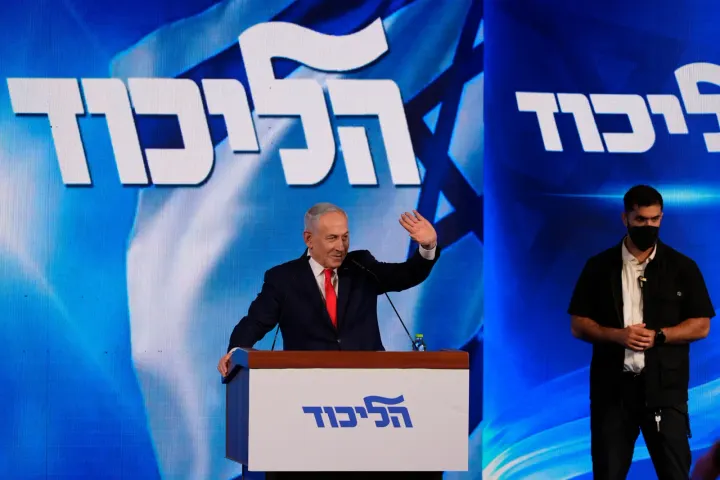
Israel Elections 2026: A Nation at a Crossroads
As Israel prepares for its October 27, 2026 elections, the country faces major questions about Netanyahu, national security, political accountability, democracy and its future in the Middle East.
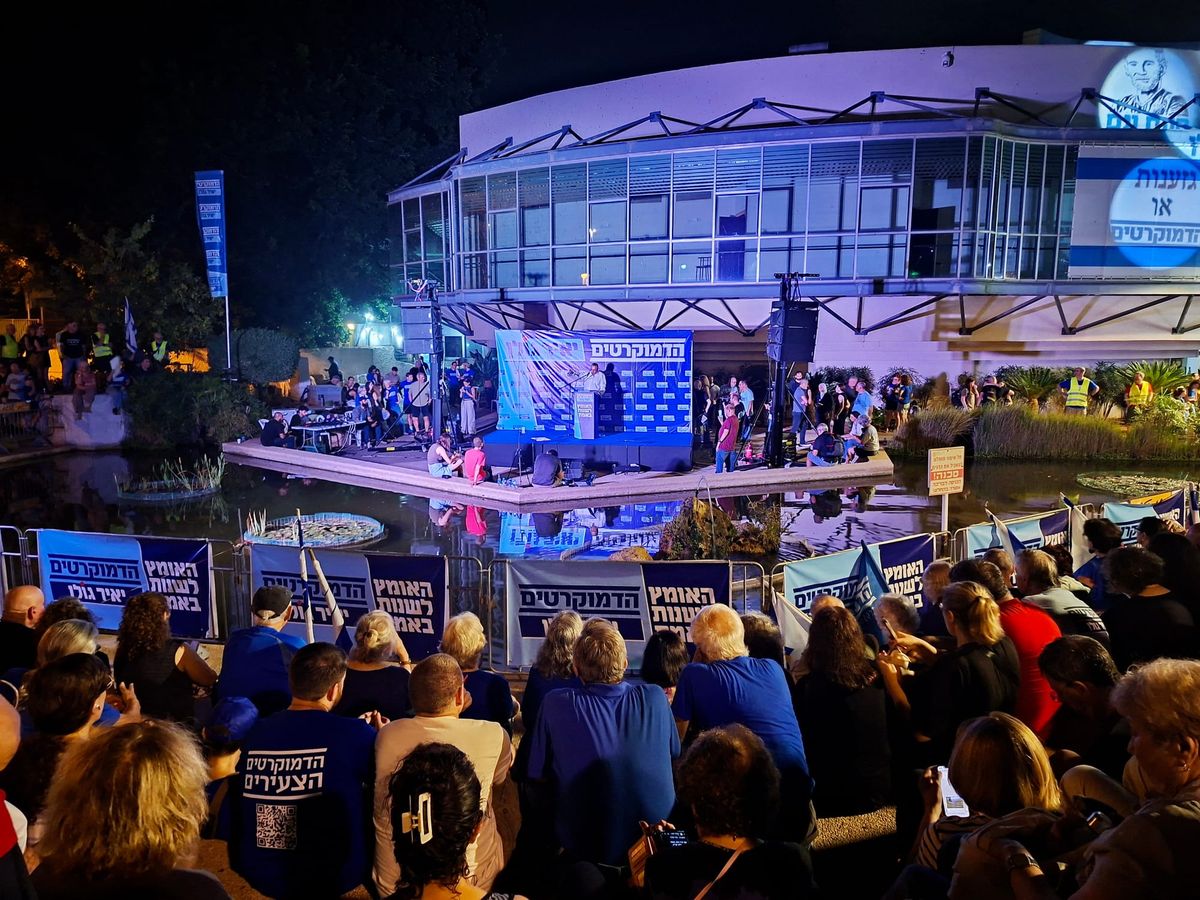
Democracy, Security, Political Accountability and the Future of Israel
Beyond the Lines | Politics & Democracy | October 2026
Introduction — More Than an Election
On October 27, 2026, Israeli citizens are scheduled to return to the ballot box to elect a new Knesset, the country’s 120-member parliament.
Under ordinary circumstances, a parliamentary election is an opportunity for citizens to evaluate government policies, compare political alternatives and decide which representatives should shape the next four years. But Israel is not approaching this election under ordinary circumstances.
The country has experienced one of the most traumatic periods in its modern history. The Hamas-led attacks of October 7, 2023, the subsequent war in Gaza, confrontations involving Hezbollah and Iran, international diplomatic disputes, and persistent domestic political divisions have transformed the national debate.
Questions that once dominated Israeli politics — judicial reform, economic inequality, the relationship between religion and state, and the future of the Israeli-Palestinian conflict — now compete with urgent concerns about national security, military preparedness, political responsibility and the country’s international position.
For some Israelis, the election represents an opportunity to demand accountability for the failures that preceded October 7. For others, the central concern is whether Israel’s next government will be capable of responding to continuing regional threats. Many voters will consider both questions equally important.
Understanding the 2026 election requires looking beyond individual politicians. It requires examining how Israel’s democracy functions, how its political divisions developed, and how recent events have influenced the expectations of its citizens.
Chapter 1 — Understanding Israel’s Political System: Why Every Vote Matters
Unlike the United States, where voters separately elect a president and members of Congress, Israel follows a parliamentary system. Citizens vote for political party lists, and the distribution of parliamentary seats reflects the proportion of votes received by parties that meet the electoral threshold.
The Knesset consists of 120 members. A governing coalition ordinarily needs the support of at least 61 members to command a parliamentary majority. Israel’s electoral threshold currently stands at 3.25 percent. Parties receiving fewer votes do not obtain parliamentary representation.
This creates an important political reality: even relatively small changes in voting patterns can affect the balance of power between competing political blocs. A party that narrowly fails to cross the threshold can lose all parliamentary representation, while another small party that crosses it may become influential during coalition negotiations.
Coalition agreements determine how ministries are distributed, which legislation receives priority and how disagreements between participating parties will be managed. These arrangements can create opportunities for compromise. They can also make governments vulnerable when coalition partners disagree on issues central to their political identity.
The 2026 election will therefore involve two interconnected political decisions. The first will be made by voters when they select their preferred party lists. The second will emerge through negotiations between elected representatives as they attempt to form a government. The party with the most seats does not automatically obtain the premiership.
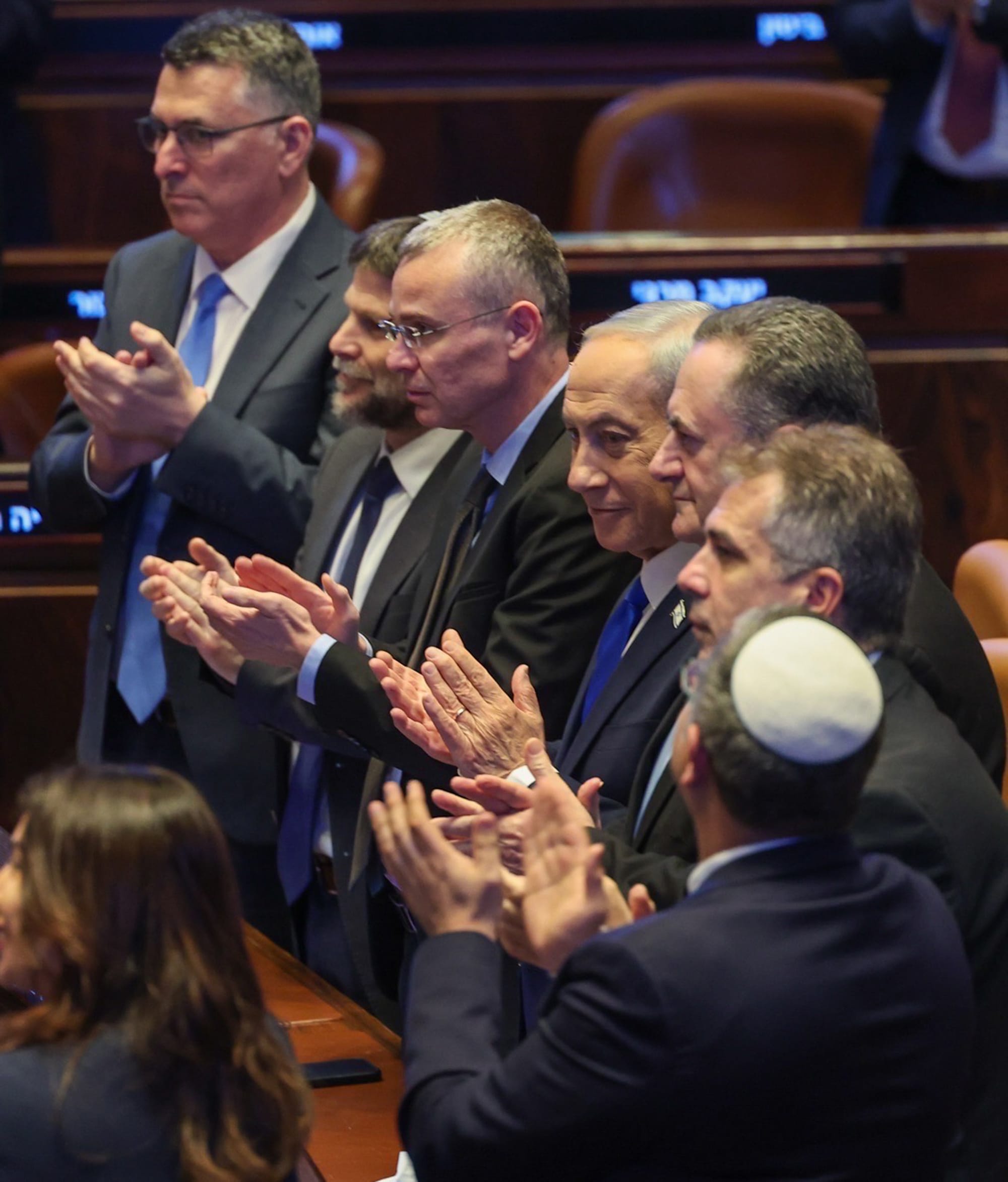
Chapter 2 — Benjamin Netanyahu: Experience, Controversy and Political Responsibility
Few politicians have influenced modern Israeli politics as extensively as Benjamin Netanyahu. Having served multiple terms as prime minister, Netanyahu has played a central role in shaping Israel’s economic policies, security doctrine and international relationships.
Netanyahu first became prime minister in 1996, following a period marked by the Oslo peace process, Palestinian suicide bombings and the assassination of Prime Minister Yitzhak Rabin. His political approach emphasized security, skepticism toward Palestinian leadership and the importance of maintaining Israel’s strategic freedom of action.
The Abraham Accords, announced in 2020, established or advanced normalization between Israel and several Arab states, including the United Arab Emirates and Bahrain. Supporters regard those agreements as an important diplomatic achievement. Critics argue that regional normalization did not resolve the underlying Israeli-Palestinian conflict.
The Hamas-led attacks of October 7, 2023, fundamentally changed the debate surrounding Netanyahu’s leadership. Approximately 1,200 people were killed, according to Israeli authorities, and 251 people were taken hostage into Gaza. The attacks exposed major failures in military preparedness, intelligence assessments and border security.
Why were warnings not adequately interpreted? How were attackers able to penetrate heavily defended areas? What intelligence information reached political decision-makers? These questions concern multiple institutions, including the government, military command and intelligence services.
Netanyahu has defended his government’s approach and emphasized the importance of confronting Hamas and other regional threats. Opposition politicians and critics have demanded greater political accountability and independent scrutiny. An electoral result, however, is not a substitute for an independent factual investigation.
His government also entered the October 7 crisis after months of confrontation over proposed judicial changes. Supporters argued that elected representatives should exercise greater influence over judicial appointments and legal decisions; opponents warned that weakening judicial oversight could undermine democratic checks and balances. The relationship between elected officials and independent institutions remains a central issue.
Chapter 3 — The Opposition: Different Leaders, Different Visions
Israeli opposition politics cannot be understood simply as a competition between left and right. Some politicians challenging Netanyahu have backgrounds in conservative or nationalist movements. Others come from centrist or progressive traditions. Their disagreements with the prime minister do not necessarily imply agreement with one another.
Gadi Eisenkot, a former chief of staff of the Israel Defense Forces, has emerged as an important figure in the political debate. His son was killed while serving in Gaza in December 2023. His political platform emphasizes leadership, institutional responsibility and national security, but military experience alone does not determine a politician’s positions on economic policy or diplomacy.
Naftali Bennett and Yair Lapid previously shared responsibility for governing Israel during the coalition that replaced Netanyahu in 2021. Bennett emerged from Israel’s national-religious political environment; Lapid built his career around centrist politics and secular civic interests. Their cooperation illustrates how political alliances can cross ideological boundaries.
Avigdor Lieberman has held senior positions, including defence minister. His approach combines strong national security positions with criticism of the influence of ultra-Orthodox parties over public policy. Yair Golan, another former senior military officer, represents a different political tradition emphasizing democratic institutions and civil rights.
A common objective of replacing Netanyahu does not automatically create agreement on every major policy. A coalition containing conservative nationalists, centrists and progressive politicians would need to negotiate disagreements over settlements, military exemptions, religion and state, and relations with Palestinian institutions.
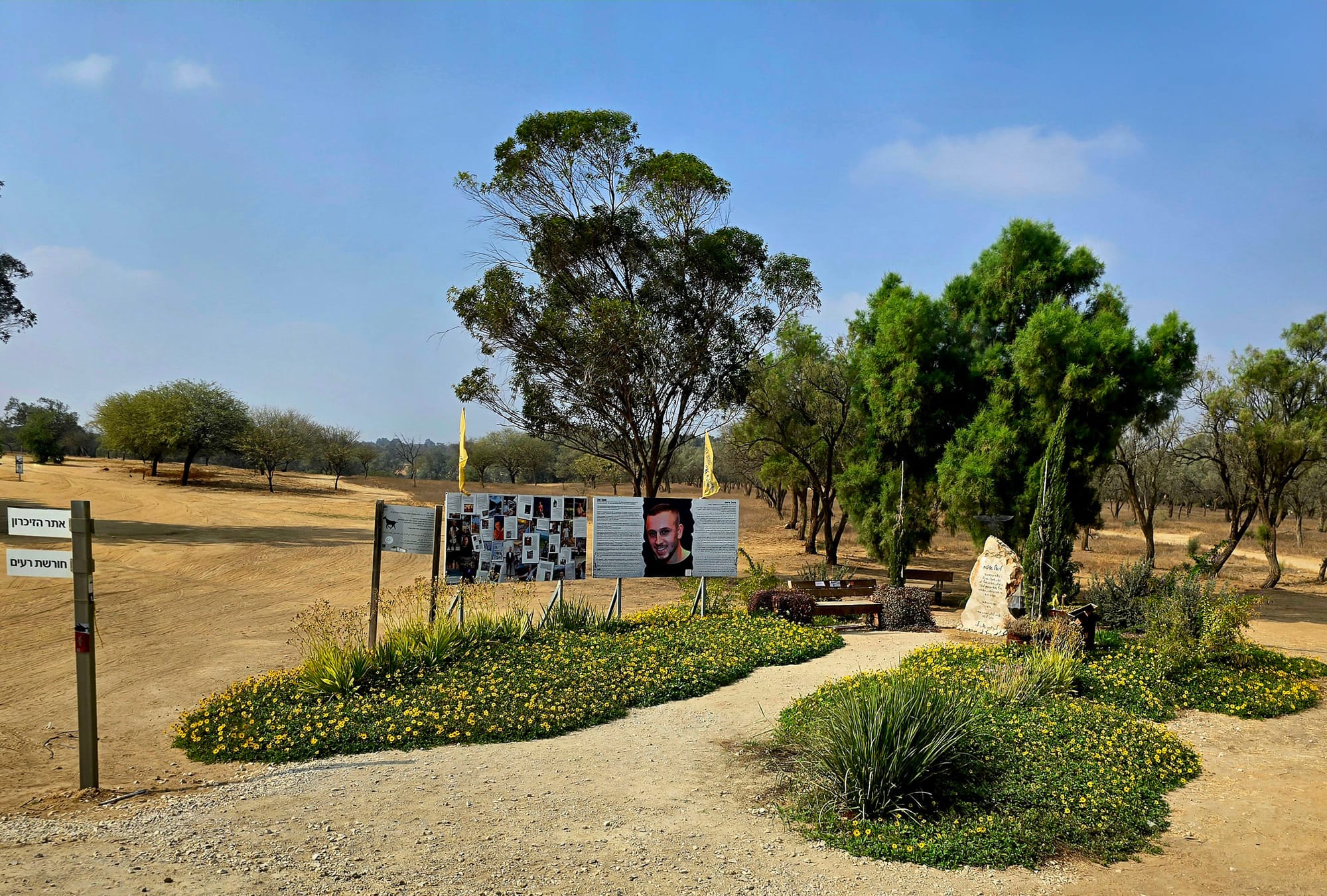
Chapter 4 — October 7 and the Transformation of Israeli Society
The consequences of October 7 extend far beyond the battlefield. For communities near Gaza, the attacks represented a direct assault on homes, families and their sense of security. Entire communities experienced killings, kidnappings, destruction and displacement.
Military mobilization disrupted family life, employment and education. Reservists were called away from their civilian occupations, sometimes for extended periods. Spouses and children carried the burden of repeated absences, while businesses struggled with workforce shortages.
The fate of those taken hostage became one of the most emotionally charged issues in Israeli public life. Families demanded action to secure their return. Debates developed over the balance between military pressure and negotiated agreements. Many Israelis who supported efforts to dismantle Hamas’s military capabilities also criticized specific government decisions.
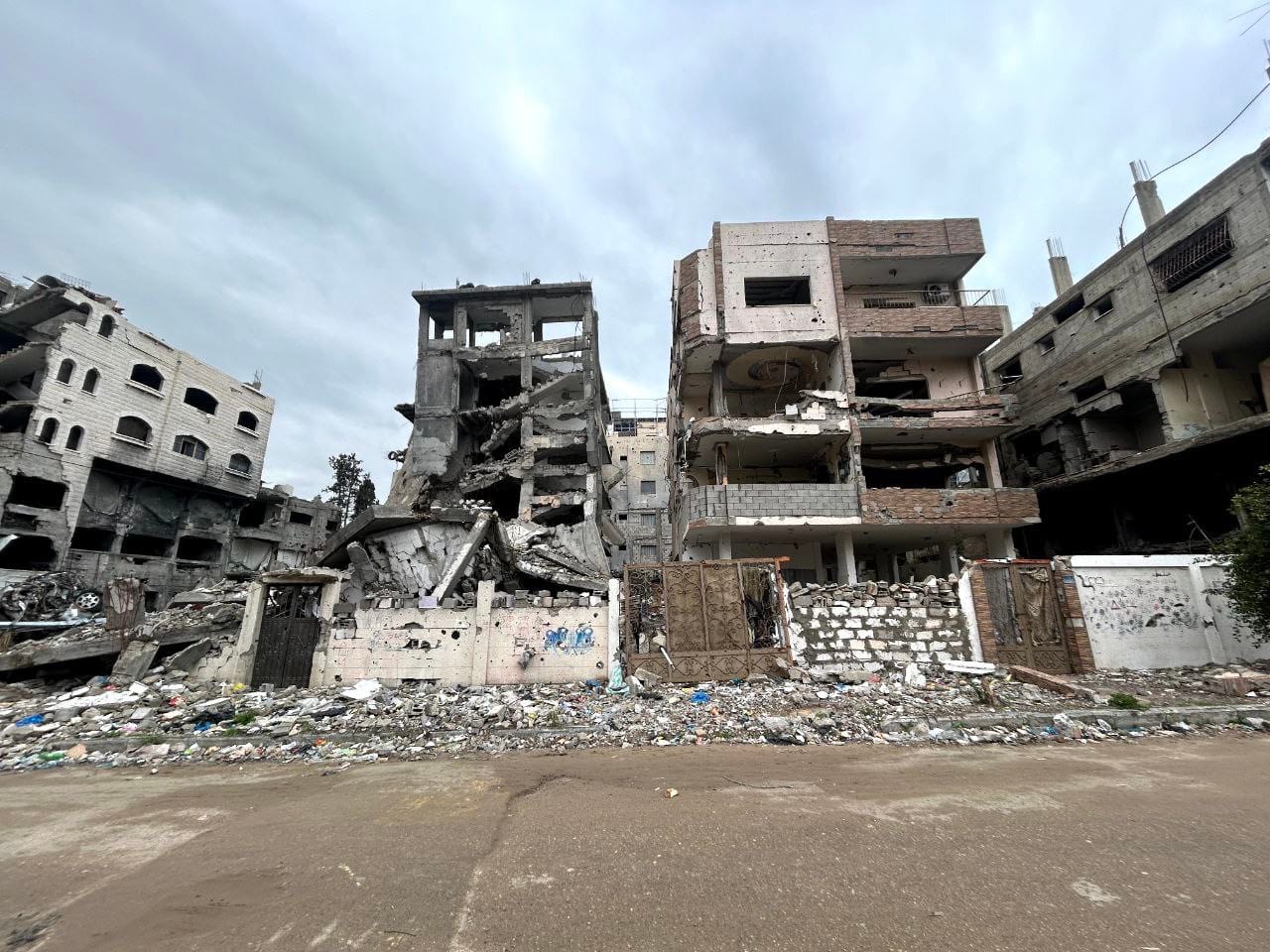
Israel’s military response resulted in extensive destruction and loss of life in Gaza. Large numbers of Palestinian civilians were killed, injured or displaced, and humanitarian conditions deteriorated severely. International organizations raised concerns about civilian protection, humanitarian access and compliance with international humanitarian law.
Israel maintained that operations targeted Hamas and other armed organizations and pointed to their use of civilian areas for military purposes. Under international humanitarian law, the presence of combatants among civilians does not remove the obligation to distinguish between military targets and civilians or to take precautions to minimize civilian harm.
For voters, the war raises questions about military objectives, the future governance of Gaza, humanitarian responsibilities and arrangements necessary to prevent renewed attacks.
Chapter 5 — Iran, Hezbollah and Israel’s Regional Security Challenges
Israel’s security environment involves more than its relationship with Gaza. For decades, Israeli governments have regarded Iran’s nuclear program, ballistic missile capabilities and support for armed organizations as major national security concerns.
Iran has supported Hezbollah in Lebanon and armed groups elsewhere in the region. Israeli leaders across much of the political spectrum have expressed concern about these relationships, while differing over how best to confront them.
Some emphasize military deterrence and the willingness to use force against emerging threats. Others argue for combining military preparedness with diplomatic coordination, international sanctions and regional security partnerships.
Tensions between Israel and Iran have escalated into direct military confrontations. In 2026, further hostilities involving Iran, Israel and the United States intensified debates about regional escalation. Campaign accusations about the political motives behind military decisions should not be treated as established facts without evidence.
Hezbollah has represented a major security concern for Israel’s northern communities. Cross-border hostilities have displaced civilians on both sides of the Israel-Lebanon border. Israeli and Lebanese civilians have experienced disruption, casualties and property damage.
The next Israeli government will face questions about border security, military deployments and arrangements intended to reduce the risk of renewed fighting.
Chapter 6 — The Economy: The Cost of Living Behind the Security Debate
Although military and diplomatic questions dominate international coverage, domestic economic concerns remain highly relevant. Israel has developed a globally significant technology sector, with strengths in cybersecurity, medical technology, software and advanced research.
Yet economic success is not experienced equally. Housing affordability, household expenses and differences in economic opportunity remain persistent concerns. Younger Israelis may face major challenges purchasing a home, while families balance housing with childcare, transportation and food.
Prolonged military mobilization has added pressure to households and businesses. Reservists leave behind companies, professional responsibilities and family obligations. Small businesses can be particularly vulnerable when owners or essential employees are absent.
National security requires substantial resources, but budgets involve choices. Defence and reconstruction spending must be considered alongside education, healthcare, infrastructure and social welfare. Political parties differ over taxation, public spending and economic regulation.
An election centered exclusively on military leadership would therefore overlook economic pressures affecting daily life.

Chapter 7 — Religion, Military Service and the Debate Over Equality
One of the most persistent disagreements in Israeli politics concerns the relationship between religious communities and state institutions. Israel defines itself as a Jewish and democratic state, and the interaction between those elements has been debated since its establishment.
Questions concerning marriage, public transportation, religious education, military service and the authority of religious institutions remain politically significant.
Military service is compulsory for many Jewish Israeli citizens, subject to legal exemptions and exceptions. Druze and Circassian men are also generally subject to conscription, while most Arab citizens are not conscripted.
Historically, many ultra-Orthodox men studying in religious institutions received deferments or exemptions. These arrangements became increasingly controversial as the ultra-Orthodox population grew and military demands increased.
Critics of broad exemptions argue that responsibility for national defence should be distributed more equally. Ultra-Orthodox leaders emphasize the religious importance of Torah study and express concerns about the effect of military service on their communities.
Ultra-Orthodox parties have often played important roles in coalition formation. Their participation can influence policies concerning education, religious institutions and military exemptions. The next government will need to address these tensions within Israeli law and its parliamentary commitments.
Chapter 8 — Arab Citizens of Israel and Political Representation
Arab citizens constitute a substantial minority of Israel’s population and participate in national elections. Their communities include Muslims, Christians, Druze and people with different cultural and political identities.
Arab political participation takes several forms, including parties focused on minority rights, civic equality, economic development and the Israeli-Palestinian conflict. Some Arab citizens vote for predominantly Jewish parties, while others support Arab-led lists.
Their political priorities are not uniform. Crime, public safety, employment, education, housing and municipal funding are important in many communities. The wider conflict also influences political attitudes and relations between communities.
Historically, Arab-majority parties have often remained outside governing coalitions. The participation of Ra’am in the coalition formed in 2021 demonstrated a different model of parliamentary cooperation and generated political controversy.
A comprehensive account of Israeli democracy must include these perspectives rather than presenting the electorate as a single, politically uniform population.
Chapter 9 — The Palestinian Question and the Future of Gaza
The future of Israeli-Palestinian relations remains one of the most difficult questions facing Israel’s political leadership. The conflict involves competing national aspirations, security concerns, historical claims, territorial disputes and international law.
Israeli parties differ in their approaches. Some reject Palestinian statehood and emphasize continued Israeli security control over disputed or occupied territories. Others support political separation, negotiations or greater cooperation with Palestinian institutions.
Any long-term arrangement for Gaza must confront several issues: who will exercise civilian authority; how security will be maintained; what arrangements will govern reconstruction and humanitarian assistance; how armed groups will be prevented from rebuilding capabilities used to attack civilians; and what political rights and economic opportunities will be available to Palestinians.
These questions involve Israel, Palestinian representatives, neighboring states and international organizations. They cannot be resolved through Israeli domestic politics alone.
The West Bank presents a separate set of challenges. Israeli settlements, Palestinian movement restrictions, security operations, settler violence and Palestinian attacks against Israelis have contributed to tensions. Most of the international community considers Israeli settlements in occupied territory contrary to international law; Israel disputes aspects of the legal and political interpretation.
Different Israeli parties propose different approaches to settlement expansion, enforcement against violence and relations with Palestinian authorities.
Chapter 10 — Democracy, Protest and the Independence of Institutions
Israel’s democratic institutions have experienced significant political pressure. The judicial reform debate that began before October 7 brought large numbers of demonstrators into the streets.
Supporters argued that elected representatives should have greater authority over institutions exercising significant public power. Opponents feared that reducing judicial independence could weaken protections against government overreach.
Israel does not have a single consolidated written constitution comparable to those of many other democracies. Its constitutional framework includes Basic Laws, legislation, judicial decisions and institutional practices. The relationship between these elements remains contested.
Public demonstrations have long been part of Israeli political life. Citizens have protested over security policies, economic conditions, corruption allegations, social inequality and constitutional changes.
Political disagreement does not necessarily indicate democratic failure. However, persistent disputes about institutional independence, executive authority and the legitimacy of political opponents can affect public confidence. The election will also test how competing movements accept electoral procedures and parliamentary outcomes.
Chapter 11 — Israel’s International Relationships
Israel’s next government will inherit a complex diplomatic environment. The United States remains a central security and diplomatic partner, including military assistance, intelligence coordination, technological development and diplomacy.
Relations have nevertheless involved disagreements over settlements, military operations and regional diplomacy. European governments have also expressed differing positions on Israeli security concerns, Gaza and Palestinian rights.
The Abraham Accords expanded opportunities for trade, tourism and security cooperation with Arab partners. They demonstrated that some Arab governments were willing to develop relations with Israel without first resolving the Palestinian question. Subsequent conflict has created new diplomatic challenges.
Relations with Egypt and Jordan remain important. Both have peace treaties with Israel and play roles in regional diplomacy and security arrangements.
Israel’s military operations and policies in Palestinian territories have been subjects of proceedings and investigations involving international judicial institutions. These processes have generated disagreements over jurisdiction, legal interpretation, military conduct and political responsibility.
The legal questions are distinct from electoral competition, but they may influence diplomatic relationships and policies of the next government.

Chapter 12 — The Final Days Before the Election
As election day approaches, political parties must communicate priorities to an electorate with diverse concerns. Campaigns address security threats, government accountability, economic pressures and the future of democratic institutions.
Political advertising, television interviews, public appearances and social media discussions contribute to the campaign environment. The Israel Democracy Institute’s published election calendar identifies October 13 as the beginning of official campaign broadcasts and October 15 as the start of voting at eligible Israeli diplomatic missions abroad.
Voter participation can affect the composition of parliament, particularly when parties are close to the electoral threshold. Surveys provide information about public attitudes at particular moments but are subject to sampling differences, methodological limitations and changes in voter intentions.
After votes are counted, the president consults representatives of the elected factions before assigning a member of the Knesset the task of forming a government. Coalition negotiations can involve ministries, budgets, legislation and policy priorities.
An election result does not automatically reveal the composition or direction of the next government. That becomes clearer when agreements are negotiated and a government obtains parliamentary confidence.
Chapter 13 — What Will the Next Government Have to Address?
Regardless of which parties participate in the next governing coalition, major challenges will remain. Israel will continue to face questions about military preparedness, intelligence capabilities, regional deterrence and protection of civilian communities.
The failures associated with October 7 and subsequent decisions of political and security institutions remain subjects requiring scrutiny. Disagreements over religion, military service, judicial authority and national identity have created tensions within society.
Government spending, housing affordability, employment, technological development and the economic consequences of conflict will require policy decisions. Relations with the United States, European governments, Arab states and international institutions will remain central to Israel’s strategic position.
The next government will also confront unresolved questions about Gaza, the West Bank and Israeli-Palestinian relations.
These challenges are interconnected. Military operations affect public spending and diplomacy; domestic decisions influence coalition stability; international developments affect security planning and economic confidence.
Chapter 14 — Beyond the Ballot Box: A Country Defining Its Future
The 2026 election is not simply a contest between Benjamin Netanyahu and his political opponents. It reflects broader disagreements about the direction of Israeli society.
How should a democracy respond to a catastrophic security failure? What balance should exist between military strength and diplomatic engagement? How should political leaders be held accountable? What obligations should citizens share? How should the state protect democratic institutions while responding to security threats?
For some voters, October 7 reinforces the importance of military preparedness and strong deterrence. For others, it demonstrates the need for institutional reform, independent investigations and different political leadership. Others focus on economic opportunity, religious identity, civic equality or relations with Palestinians.
The election provides a democratic mechanism through which citizens express preferences, but the responsibilities of government continue long after voting concludes.
On October 27, Israelis will elect a new parliament at a moment of exceptional political and regional significance. The election will not resolve every challenge confronting the country, but it will establish the political framework within which many challenges will be addressed.
Beyond the headlines, Israel’s 2026 election is a story about democratic choice, political responsibility and the future of a nation confronting profound questions about its security and identity.
Sources and Further Reading
The following sources provide official documentation, historical background, legal information and independent reporting relevant to Israel's 2026 parliamentary elections. Accessed October 15, 2026.
1. Elections and Parliamentary System
1. The Knesset — Elections for the Knesset
Official information about Israel's parliamentary elections, electoral procedures and democratic institutions.
https://main.knesset.gov.il/EN/mk/pages/elections.aspx
2. The Knesset — Electoral Threshold
Explanation of Israel's electoral threshold of 3.25 percent and its significance for parliamentary representation.
https://main.knesset.gov.il/EN/About/Lexicon/Pages/ElectoralThreshold.aspx
3. The Knesset — Distribution of Knesset Seats
Official explanation of proportional representation and the Bader–Ofer method used to distribute parliamentary seats.
https://main.knesset.gov.il/EN/About/Lexicon/pages/seats.aspx
4. Israel Democracy Institute — Elections 2026
Independent research, political analysis and background information concerning Israel's 2026 elections.
https://en.idi.org.il/elections-2026/
5. Library of Congress — Israel's Upcoming Election on October 27, 2026
Legal and institutional background concerning the scheduled parliamentary election.
https://blogs.loc.gov/law/2026/10/falqs-israels-upcoming-election-on-october-27-2026/
2. October 7 and Regional Conflict
6. United Nations — Secretary-General's October 7 Anniversary Message (2026)
United Nations statement addressing the October 7 attacks, the victims and the consequences of the conflict.
https://unsco.unmissions.org/en/node/136938
7. United Nations — Independent International Commission of Inquiry Report (2024)
Independent investigation examining violations of international humanitarian law and human rights in Israel and the occupied Palestinian territories.
8. Associated Press — Gaza Ceasefire and Postwar Challenges (October 2026)
Reporting on developments in Gaza, postwar governance, reconstruction and regional security.
https://apnews.com/article/f6c105e8f72d8b478d78312142d888ed
3. International Law and Political Accountability
9. International Court of Justice — South Africa v. Israel
Official court documents and orders relating to proceedings under the Genocide Convention. Provisional measures do not constitute a final judgment on the merits.
https://www.icj-cij.org/case/192/orders
10. International Court of Justice — Occupied Palestinian Territory Advisory Opinion
Official legal materials concerning Israel's policies and practices in the occupied Palestinian territory, including East Jerusalem.
https://www.icj-cij.org/case/186
11. International Criminal Court — Situation in the State of Palestine
Official information concerning ICC proceedings, jurisdiction and accountability. Arrest warrants concern allegations and are not criminal convictions.
https://www.icc-cpi.int/victims/state-palestine
4. Contemporary Political Reporting
12. Financial Times — What Would Israel's Opposition Do Differently?
Analysis of Israel's opposition parties, their political differences and alternative policy proposals ahead of the 2026 election.
https://www.ft.com/content/9a97cadd-ac19-432e-8850-090f59e8d00a
13. Reuters — Explainer: What Is the International Criminal Court? (October 9, 2026)
Background on the ICC, its jurisdiction and its role in international criminal proceedings.
https://www.reuters.com/world/what-is-international-criminal-court-2026-10-09/
Editorial Note — Beyond the Lines
This article draws on official parliamentary records, independent research institutions, international legal documentation and established news organizations. Political developments, election polling and security conditions may change. Readers are encouraged to consult the original sources for the latest information.