Hamas's European Network: The Money, the Operatives and the Warnings Governments Received
European investigations reveal alleged Hamas-linked fundraising and weapons networks, raising questions about years of security warnings.
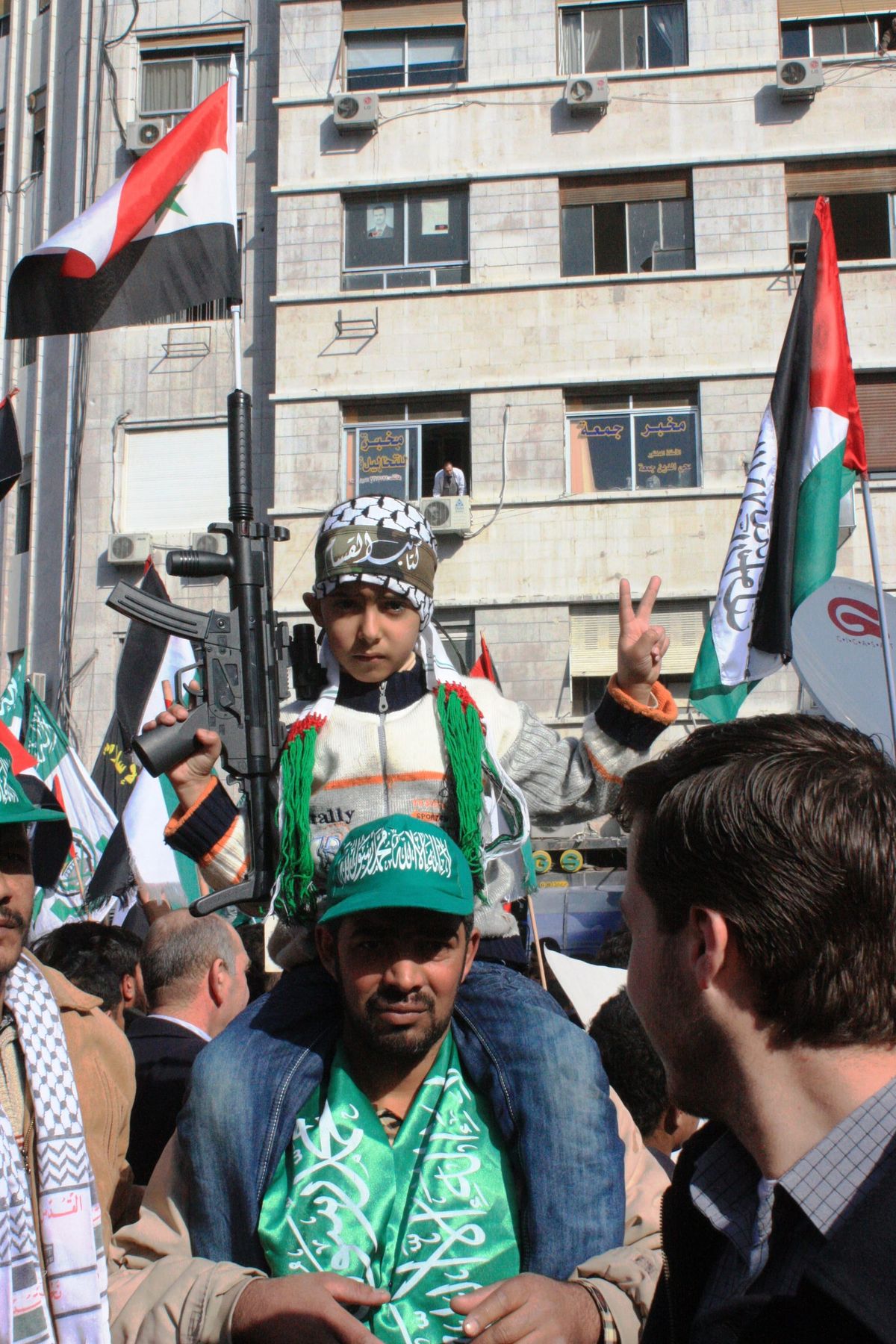
From charitable organisations and international fundraising to alleged weapons networks and planned attacks, European investigations reveal how Hamas-linked activities have operated across borders — and raise difficult questions about government oversight.
BEYOND THE LINES | SPECIAL REPORT | 15 NOVEMBER 2026
Estimated reading time: 20–25 minutes
The Story in Brief
For years, European intelligence agencies, financial regulators and prosecutors have investigated individuals and organisations suspected of supporting Hamas. Their findings describe activities ranging from fundraising and political influence to alleged weapons storage and preparations for attacks against Jewish or Israeli targets.
In the Netherlands, intelligence officials have identified a longstanding network linked to Hamas. In Italy, prosecutors have investigated millions of euros allegedly transferred through charitable organisations. German authorities have pursued suspected operatives accused of acquiring weapons, while American sanctions have targeted financial facilitators in several European countries.
These developments raise questions about how such activities continued despite earlier warnings.
But the evidence also demands important distinctions. Sanctions are not criminal convictions, political activism is not automatically terrorist activity, and the existence of several Hamas-linked cases does not establish that every suspect belongs to one centrally controlled European organisation.
Introduction — A European Security Question Years in the Making
Hamas is internationally known for its armed activities in the Israeli–Palestinian conflict, including the attacks of 7 October 2023, when Hamas-led militants killed approximately 1,200 people in southern Israel and abducted around 250 others.
The European Union designates Hamas as a terrorist organisation. Its restrictions extend beyond the group's military wing.
Yet the question of Hamas's presence in Europe predates October 2023 by decades.
For years, European countries have been places where Palestinian political organisations, humanitarian charities, religious associations and diaspora communities operate. Most of these activities are lawful, and many provide genuine assistance to civilians affected by conflict.
Security authorities have nevertheless identified instances in which individuals or organisations allegedly exploited legitimate institutions to support Hamas.
The distinction matters.
Providing humanitarian assistance to Palestinians is not evidence of supporting terrorism. Neither is participating in a demonstration, expressing opposition to Israeli government policies or advocating Palestinian statehood.
The concern arises where investigators identify financial transfers, operational instructions, organisational relationships or other evidence connecting particular activities to Hamas.
Recent investigations have exposed three broad areas of concern: international fundraising, political and organisational influence, and alleged operational preparations.
Together, they present a complex security challenge that extends across national borders.
Chapter 1 — A Network Years in the Making
Hamas emerged in 1987 during the First Intifada as a Palestinian Islamist movement with political, social and armed components.
Its activities subsequently developed beyond Gaza and the West Bank, supported by international relationships, financial networks and representatives operating in different countries.
The organisation's overseas presence has not always taken the same form.
Some individuals have represented Hamas politically. Others have been accused of fundraising on its behalf. A separate category involves people suspected of preparing or facilitating violent operations.
These distinctions are central to understanding the European picture.
In its 2025 annual report, published in April 2026, the Dutch General Intelligence and Security Service, the AIVD, identified two forms of Hamas-related activity in Europe.
The first involved a longstanding political network engaged in fundraising, propaganda, lobbying and other influence activities.
The second concerned individuals suspected of hiding, transporting or storing firearms and ammunition, reportedly under instructions from Hamas members in Lebanon.
According to the AIVD, approximately ten individuals in the Netherlands could be connected to the wider European political network.
The agency also reported that the network had become involved with broader organisations participating in pro-Palestinian and anti-Israel demonstrations.
However, it explicitly noted that these demonstrations did not result in violent incidents during 2025.
This distinction prevents the intelligence findings from being interpreted as evidence that the wider protest movement is controlled by Hamas.
The more significant finding is that European intelligence authorities have identified a longstanding Hamas-linked infrastructure that operates across several types of activity.
The precise relationship between those activities, and the extent to which they are centrally directed, remains an important investigative question.
Chapter 2 — Following the Money
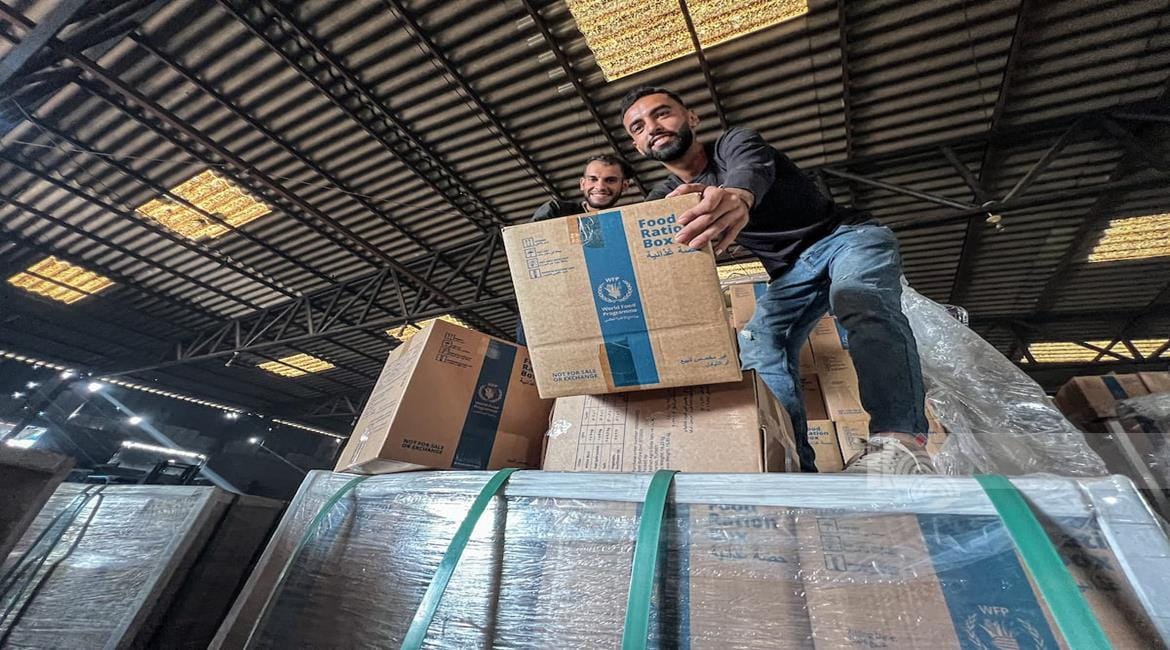
Financial support is essential to the survival of any organisation maintaining political institutions, personnel and armed capabilities.
For Hamas, international fundraising has attracted particular scrutiny.
In October 2024, the United States Department of the Treasury described Europe as an important source of fundraising for Hamas and stated that the organisation had maintained representatives across the continent for many years.
American officials estimated that Hamas may have received as much as $10 million per month through donations linked to deceptive charitable fundraising in early 2024.
This was an American government assessment, not an independently audited total.
The Treasury Department described arrangements in which organisations presented themselves as humanitarian charities while allegedly transferring money to Hamas-controlled entities.
Such arrangements can create serious challenges for financial institutions and regulators.
A donor may believe a contribution will purchase food, medicine or shelter for civilians. The money may pass through several accounts or intermediary organisations before reaching its final destination.
Where funds are diverted to a designated terrorist organisation, the original humanitarian purpose does not eliminate the legal or security concerns.
However, the existence of transfers to Gaza does not itself demonstrate diversion.
Investigators must establish the destination, the control exercised over recipient organisations, the knowledge of those involved and the relevant legal framework.
In June 2025, the US Treasury imposed sanctions on individuals and organisations in several countries, including the Netherlands and Italy.
Among the designated entities were the Netherlands-based Israa Foundation and the Italy-based La Cupola d'Oro.
American authorities alleged that these organisations provided material support to Hamas.
The sanctions were administrative measures under US counterterrorism authorities. They did not, by themselves, establish criminal guilt in European courts.
In October 2026, the Treasury announced further sanctions involving two France-based individuals and two associated entities. According to the US government, the network had transferred more than $2 million to Hamas through charitable fronts and cryptocurrency arrangements over several years.
The case illustrated how alleged financing methods can evolve in response to restrictions on conventional banking.
The central question for European regulators is therefore not simply whether suspicious transfers can be detected.
It is whether financial restrictions can prevent networks from reorganising through alternative associations, intermediaries or payment systems.
Chapter 3 — The Netherlands: What the AIVD Already Knew
The Netherlands occupies an important position in the European investigations because its domestic intelligence agency has publicly acknowledged a Hamas-linked network operating within the country.
The AIVD's 2025 annual report described approximately ten individuals connected to the broader European political network.
According to the agency, the Dutch network has been involved in propaganda, lobbying and fundraising for Hamas in Gaza for years.
The agency also reported increased understanding of how people connected to the network participated in organisations involved in demonstrations.
This finding warrants scrutiny, but it requires careful interpretation.
A demonstration may involve thousands of people with different motivations, political positions and affiliations. The presence of individuals associated with a particular organisation does not establish that all participants support that organisation.
The AIVD did not claim that all pro-Palestinian demonstrations were Hamas operations.
Nevertheless, its assessment raises legitimate questions about whether organisations involved in political campaigning have adequate transparency regarding funding, leadership and external relationships.
A separate financial case concerns Amin Ghazi Abu Rashed and the Israa Foundation.
In June 2025, the US Treasury sanctioned Abu Rashed and the foundation, alleging material support for Hamas.
The designation is significant because it identifies specific actors rather than relying on broad claims about Palestinian organisations in the Netherlands.
The investigative challenge is to establish what Dutch authorities knew about the relevant activities, when they received that information and which legal measures were available.
There is also a wider question concerning cooperation between financial intelligence units, security agencies and public prosecutors.
An intelligence service may identify a security concern without possessing evidence that can be used in a criminal prosecution.
Conversely, a financial institution may close an account because of compliance concerns without proving that a criminal offence occurred.
Understanding these different thresholds is essential before concluding that authorities failed to act.
Chapter 4 — Germany: From Hidden Weapons to Alleged Attack Plans
Germany has become a central country in the investigation of suspected Hamas operational activities in Europe.
In December 2023, German federal prosecutors announced arrests involving individuals suspected of participating in Hamas-related operations.
According to prosecutors, suspects had attempted to locate weapons that could potentially be used in attacks against Jewish institutions in Europe.
Subsequent investigations expanded the picture.
German authorities alleged that individuals associated with Hamas had been involved in acquiring, storing and moving firearms and ammunition across European borders.
The Dutch AIVD later described similar concerns, stating that people connected to Hamas had handled weapons under instructions from members of the organisation in Lebanon.
In September 2026, German federal prosecutors announced charges against seven defendants in a case involving alleged Hamas membership and preparations for a serious act of violence.
According to the prosecution, the case involved an automatic firearm, thirteen pistols and more than 700 rounds of ammunition.
These allegations are serious because they concern possible operational capacity rather than fundraising or political influence alone.
The reported cross-border movement of weapons also raises questions about cooperation among European law-enforcement agencies.
But the criminal proceedings must not be confused with convictions.
The accused retain the presumption of innocence, and the courts must determine whether the prosecution has established the alleged offences.
The AIVD has also acknowledged uncertainty about the ultimate purpose of the suspected weapons infrastructure.
That uncertainty does not diminish the seriousness of the investigation. It defines the limits of what can presently be stated as fact.
Chapter 5 — Italy: Charities, Bank Accounts and Millions of Euros
Italy provides one of the most detailed examples of alleged Hamas financing through charitable organisations.
On 27 December 2025, Italian authorities announced an investigation involving nine arrest warrants and approximately €7 million in alleged financial support to Hamas.
The investigation was coordinated by prosecutors in Genoa, working with police and financial investigators.
Among those named was Mohammad Hannoun, a prominent figure in Palestinian associations in Italy.
Prosecutors alleged that Hannoun occupied a leading position within an Italian Hamas-related structure.
They described financial transfers involving charitable organisations, intermediary entities and recipients in Gaza.
According to the prosecution, funds were allegedly channelled through associations including ABSPP and La Cupola d'Oro.
Investigators also examined whether new organisations had been established after banks restricted or closed accounts associated with the individuals concerned.
This is one of the most important aspects of the case.
If substantiated, it would demonstrate how financial restrictions can be circumvented through organisational restructuring.
Italian investigators reportedly examined banking records, communications and international transfers, with assistance from authorities in other European countries, including the Netherlands.
Prosecutors alleged that more than 70 per cent of donations collected through certain organisations were transferred to entities controlled by or associated with Hamas.
Hannoun's legal representative disputed the accusations, maintaining that the fundraising had humanitarian purposes and challenging the interpretation of the financial evidence.
In September 2026, Italian prosecutors announced the conclusion of preliminary investigations concerning Hannoun and several other suspects.
That procedural development did not amount to a criminal conviction.
The Italian case illustrates both the potential complexity of terrorism-financing investigations and the importance of judicial scrutiny.
Financial transfers may be documented, but the legal interpretation of those transfers depends on evidence concerning recipients, organisational control, knowledge and intent.
For European governments, the case also raises questions about whether earlier financial warnings resulted in sufficiently coordinated action.

Chapter 6 — Britain: Asylum, Citizenship and Security Questions
The United Kingdom has faced longstanding questions about the activities of individuals and organisations accused of supporting Hamas.
These questions encompass fundraising, political representation, immigration procedures and the limits of security screening.
One recent case concerns Mohammed Alfatih, formerly known as Mohammed Naim, whose reported family background and alleged associations have attracted attention.
According to British reporting in November 2026, Alfatih is the son of senior Hamas figure Bassem Naim and was formerly associated with Ismail Haniyeh, the Hamas political leader killed in Tehran in July 2024.
Alfatih was convicted in Britain following a knife attack involving a bailiff in Birmingham.
The court proceedings concerned his conduct towards the bailiff, not a conviction for Hamas membership.
He has also been linked in reporting to a separate German investigation into alleged plans targeting Israeli interests in Europe.
Those German allegations must be assessed independently of his British conviction.
Reports that Alfatih obtained asylum in Britain in 2015 and later acquired citizenship raise questions about immigration and national-security screening.
However, a family relationship with a Hamas official does not automatically establish personal involvement in terrorism.
Nor does a subsequent criminal conviction establish that an earlier asylum decision was fraudulent.
A meaningful investigation would require access to the relevant immigration decisions, court documents and information concerning what British authorities knew at the time.
Such records may not be publicly available.
The broader policy question concerns how governments evaluate security risks when applicants have family or professional connections to designated organisations.
Refugee protection is an individual legal process. It cannot lawfully be denied solely because an applicant belongs to a particular nationality or family.
At the same time, international refugee law contains exclusion provisions for people responsible for certain serious crimes.
Determining whether those provisions apply requires individual evidence and due process.
The Alfatih case therefore presents legitimate questions about security screening without, on the available public evidence, establishing systemic fraud or deliberate government tolerance of Hamas.
Chapter 7 — Belgium, France and the Wider European Connections
The European picture extends beyond the countries where the most prominent arrests have occurred.
Belgium and France are relevant because of their roles in international financial services, cross-border associations and European security cooperation.
However, their involvement must be established through specific evidence rather than assumptions about diaspora communities or political activism.
France became the subject of a significant new American sanctions announcement on 2 October 2026.
The US Treasury designated two France-based individuals and two associated entities, alleging that they had helped transfer more than $2 million to Hamas through deceptive charitable arrangements and cryptocurrency channels.
The announcement described a financing structure operating over several years.
It demonstrated that American authorities continued to identify suspected fundraising activities in Western Europe even after earlier sanctions against organisations elsewhere.
But the legal consequences of American sanctions and European criminal proceedings are not identical.
A person designated by the United States may face asset freezes and financial restrictions under American jurisdiction without having been convicted in France.
Whether French prosecutors possess sufficient evidence for criminal proceedings is a separate matter.
Belgium requires similarly careful treatment.
Claims about Hamas-related activities through Belgian associations or commercial structures should be supported by company records, financial documents, official investigations or judicial findings.
The existence of a registered organisation, a Palestinian community association or a political campaign is not sufficient evidence of Hamas involvement.
For European authorities, the more substantial challenge is the ability of individuals and financial structures to operate across jurisdictions.
An association may be registered in one country, receive donations from another and transfer funds through a third.
Investigations consequently depend on cooperation between financial intelligence units, prosecutors, police and security services.
Where information remains confined within national institutions, investigators may struggle to establish the complete financial picture.
The European Union has developed mechanisms for judicial and law-enforcement cooperation, including Europol and Eurojust.
Whether those mechanisms were used effectively in particular Hamas-related cases is a question that requires examination of the individual investigations.
Chapter 8 — Scandinavia: What Do Authorities Know?
Scandinavia is an important part of any comprehensive examination of Hamas-linked activities in Europe.
Norway, Sweden and Denmark have different relationships with the European Union, different counterterrorism frameworks and distinct approaches to political organisations and humanitarian assistance.
Norway has historically played a diplomatic role in the Israeli–Palestinian conflict, including its involvement in the Oslo peace process.
The country also hosts humanitarian organisations and Palestinian solidarity initiatives.
None of these facts establishes a connection to Hamas.
A serious investigation must distinguish between legitimate humanitarian and political activity and specific allegations of financing or operational support.
Denmark is relevant to the wider European security picture because German investigations have described cross-border movements and searches connected to suspected weapons infrastructure.
However, the existence of a cross-border investigation does not establish that a national government knowingly permitted Hamas operations.
For Norway, the central questions concern the extent of publicly documented intelligence assessments, the monitoring of terrorism financing and cooperation with European partners.
The Norwegian Police Security Service, PST, and financial authorities have responsibilities concerning threats to national security and suspicious financial activity.
The absence of public prosecutions would not necessarily demonstrate the absence of intelligence concerns. Security agencies do not disclose all their investigations.
Equally, the existence of international warnings does not justify assuming that particular Norwegian organisations or individuals are implicated.
A further investigation should examine Norwegian financial-intelligence reports, PST threat assessments, relevant court cases and any documented cooperation with foreign authorities.
Sweden should be examined through the same evidentiary framework.
The objective is not to produce a list of countries presumed to contain Hamas networks.
It is to establish where authorities have identified specific individuals, organisations, financial flows or operational activities — and where the public evidence remains insufficient.
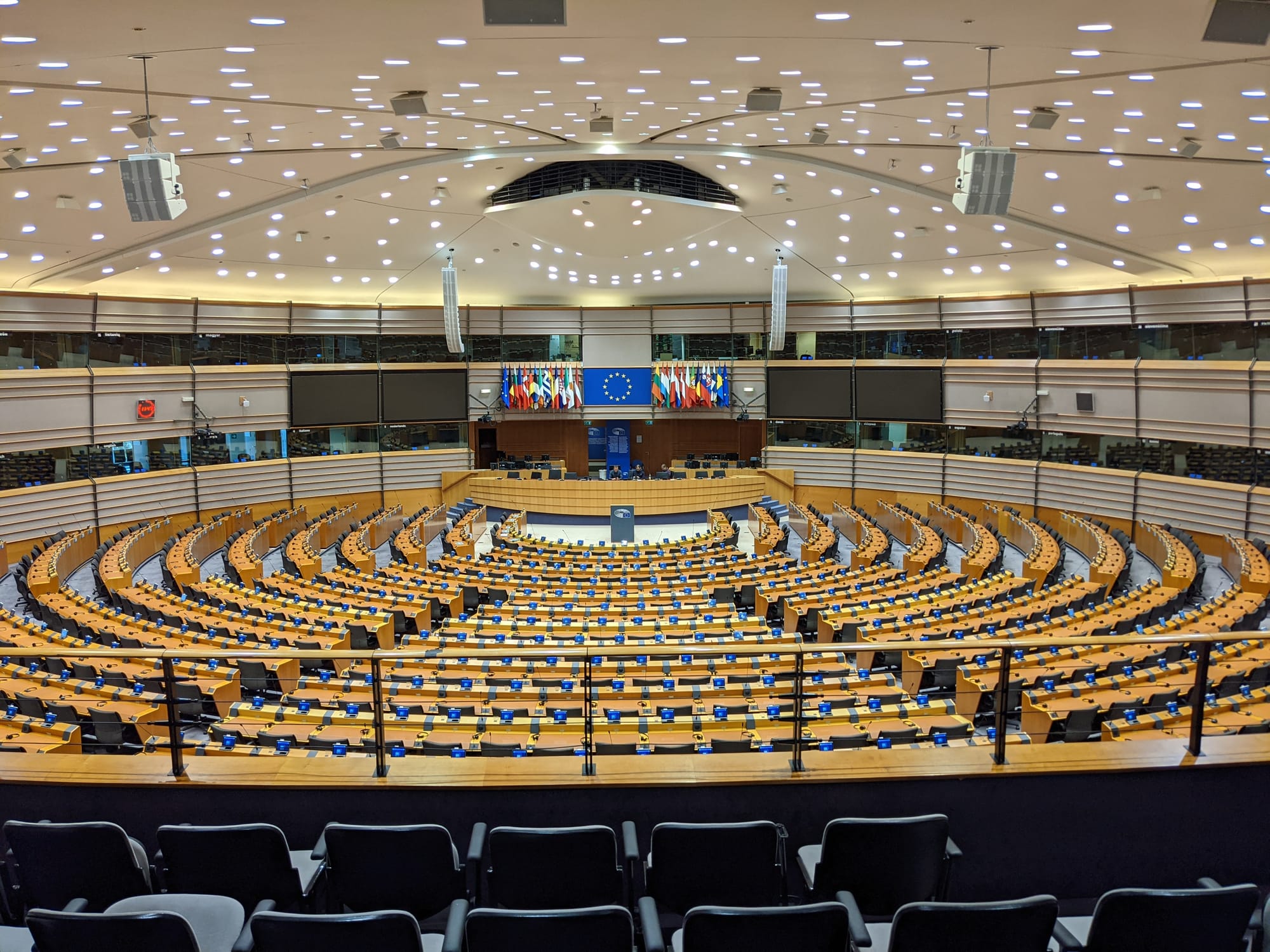
Chapter 9 — Political Influence, Protests and the Risk of Misrepresentation
One of the most sensitive aspects of the European investigations concerns the relationship between Hamas-linked individuals and broader political movements.
Across Europe, large demonstrations have taken place in response to the war in Gaza.
Participants have expressed a wide range of views, including support for Palestinian statehood, demands for humanitarian access, criticism of Israeli military operations and opposition to particular government policies.
These positions are not, in themselves, evidence of terrorism.
Nevertheless, the Dutch AIVD reported that individuals connected to a Hamas-linked political network had become involved with broader organisations participating in demonstrations.
That finding is significant because it raises questions about organisational influence and transparency.
An organisation seeking to influence public opinion may participate in lawful political activity while simultaneously maintaining undisclosed relationships that warrant scrutiny.
The appropriate investigative response is to examine leadership structures, funding sources, public statements, communications and documented organisational connections.
It is not to presume that demonstrators share the affiliations of everyone involved in organising an event.
The AIVD specifically stated that the demonstrations it examined had not resulted in violent incidents during 2025.
This distinction is essential to accurate reporting.
There is also a difference between criticism of Israel, antisemitism and explicit support for Hamas.
These categories can overlap in particular circumstances, but they are not interchangeable.
Threats against Jewish communities, celebration of attacks on civilians and direct incitement to violence present distinct legal and security concerns.
Political criticism of Israeli government decisions remains protected expression in democratic societies.
The challenge for European governments is to respond to documented extremist activity without undermining legitimate political participation.
For journalists, the challenge is equally important: to expose verifiable connections without transforming suspicion into guilt by association.
Chapter 10 — Warnings, Sanctions and Missed Opportunities
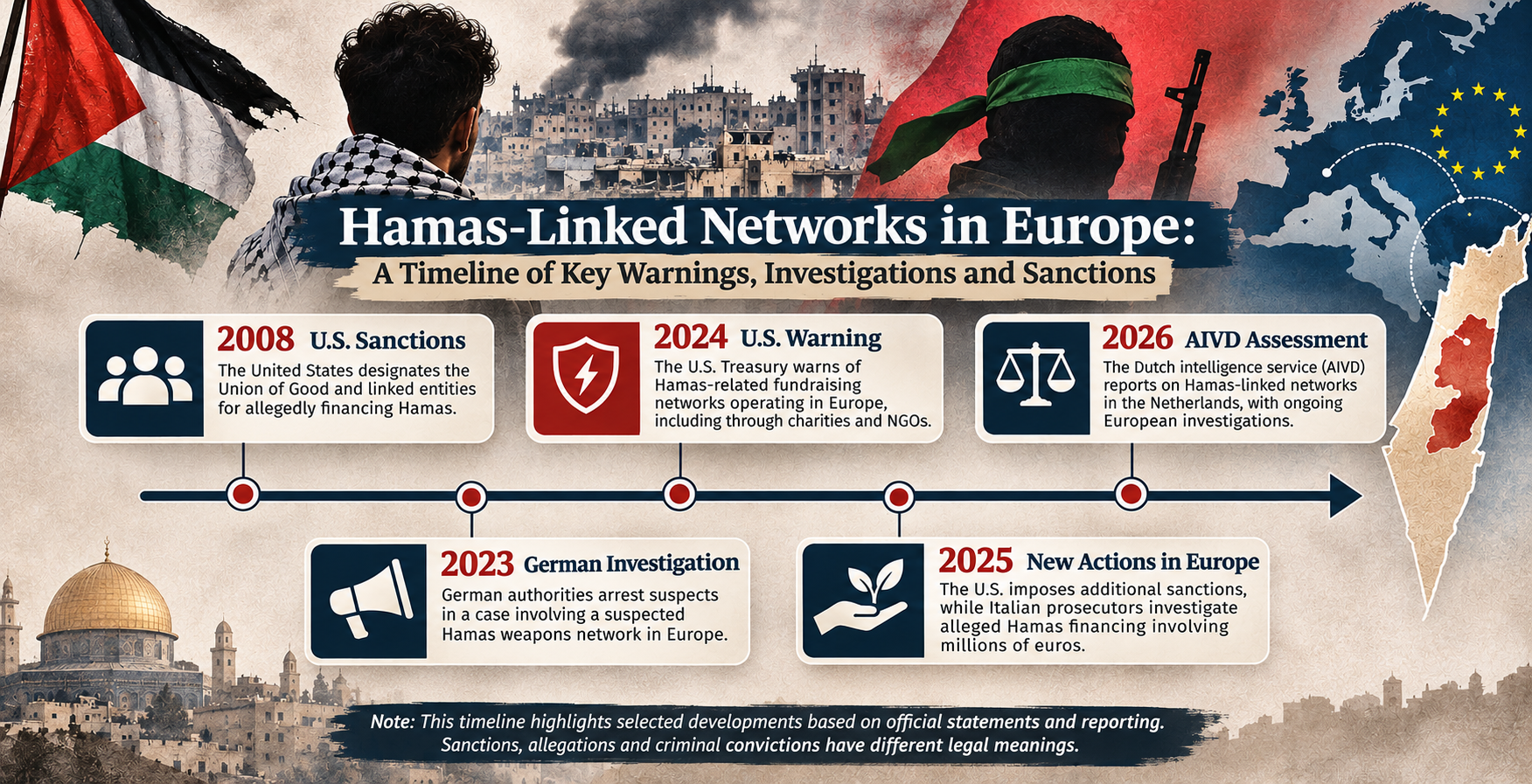
The chronology of Hamas-related investigations demonstrates that European authorities were not encountering the issue for the first time after October 2023.
American authorities had identified international fundraising structures associated with Hamas many years earlier.
In 2008, the United States designated the Union of Good, describing it as an organisation established to facilitate financial support for Hamas.
Further American sanctions followed against individuals and organisations accused of providing financial assistance.
By October 2024, the US Treasury was publicly describing Europe as an important source of Hamas fundraising.
In June 2025, additional sanctions targeted entities in the Netherlands, Italy and elsewhere.
Meanwhile, German prosecutors were investigating alleged weapons networks, and Italian authorities were examining suspicious financial transactions.
By 2026, Dutch intelligence officials were publicly describing a longstanding Hamas-linked political network and separate suspected operational activities.
This sequence raises an important question.
Why did some individuals and organisations remain active despite years of international concern?
There are several possible explanations.
First, intelligence information may not meet the evidentiary standard required for criminal prosecution.
Second, activities may be distributed across several countries, making it difficult for any single authority to establish the complete picture.
Third, financial restrictions may lead suspected networks to change names, establish new organisations or use alternative payment methods.
Fourth, authorities may face legal restrictions concerning surveillance, information sharing and the disclosure of intelligence.
Finally, governments may make decisions about enforcement priorities that deserve public scrutiny.
These possibilities should not be confused with established findings of negligence.
To demonstrate that authorities failed in their responsibilities, an investigation would need to establish what information was available, when it was received, which actions were legally possible and why particular decisions were made.
The Italian investigation provides a potentially revealing example because prosecutors described financial concerns and investigative activity that preceded October 2023.
The reported establishment of new associations following banking restrictions also raises questions about the effectiveness of financial controls.
But whether particular institutions acted negligently cannot be determined solely from the fact that an investigation continued over several years.
Counterterrorism cases can require prolonged surveillance and extensive international cooperation.
The relevant question is not simply whether authorities knew of a risk.
It is whether they responded appropriately to the evidence available at the time.
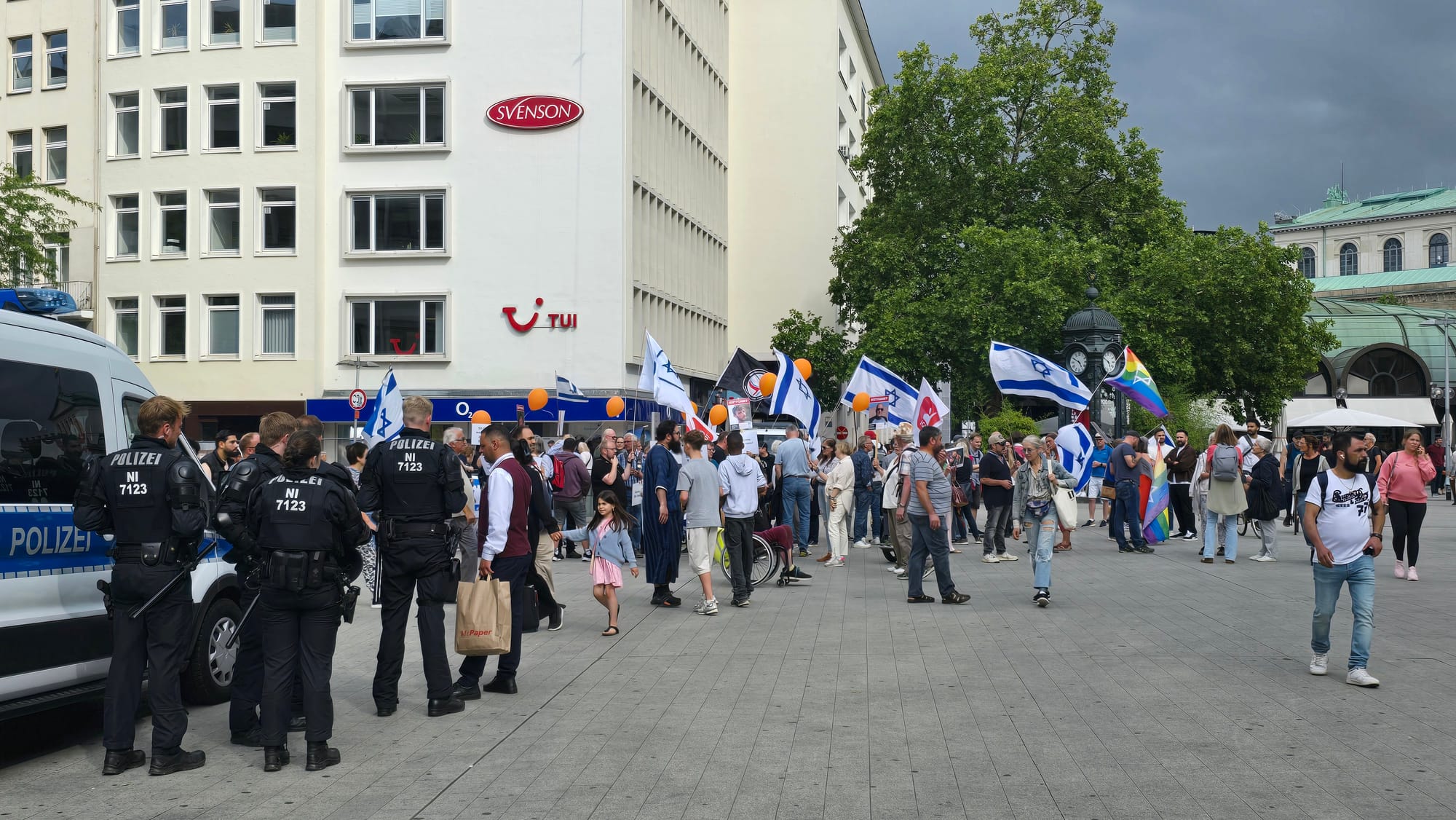
Chapter 11 — Palestinian Dissidents and the Cost of Hamas's Influence
Discussion of Hamas-related networks in Europe frequently focuses on Israeli security, Jewish communities and the responsibilities of Western governments.
Another perspective deserves attention: Palestinians who oppose Hamas.
Palestinian political opinion is diverse.
Hamas does not represent every Palestinian, and its political authority in Gaza has long been contested.
Palestinians have criticised Hamas over governance, political repression, economic conditions, the consequences of armed conflict and restrictions on political freedoms.
Some have expressed these criticisms publicly, while others have faced pressure or feared repercussions.
For Palestinians living in Europe, the ability to criticise Hamas without intimidation is an important question of freedom of expression and personal security.
The same principle applies to people who support Palestinian rights while rejecting attacks against civilians.
An investigation into Hamas-linked networks should therefore consider whether particular organisations or individuals have attempted to silence Palestinian dissenting voices.
Such allegations require direct testimony, documentary evidence and careful protection of vulnerable sources.
They should not be assumed to apply to Palestinian community organisations generally.
The distinction is especially important because Palestinians seeking humanitarian assistance, protection or political representation should not be collectively associated with Hamas.
Effective counterterrorism policy and the protection of Palestinian civil rights are not opposing objectives.
Both depend on individual accountability and the rule of law.
A credible European response should protect Jewish communities from antisemitic threats, Israeli citizens from targeted violence and Palestinians from intimidation or collective suspicion.
Chapter 12 — Europe's Security Challenge: What Must Be Answered?
The investigations across Europe reveal a security problem that cannot be understood through one country or one criminal case alone.
Dutch intelligence assessments describe longstanding political and financial activity linked to Hamas.
American sanctions identify alleged international fundraising structures.
Italian prosecutors have investigated millions of euros in charitable donations allegedly redirected to Hamas-linked recipients.
German authorities have pursued suspected operatives accused of acquiring weapons and preparing violent attacks.
These findings differ in their legal status, but together they demonstrate the breadth of official concern.
They also expose the limits of existing public knowledge.
It remains unclear how far particular networks were centrally directed, whether all the individuals involved knew the ultimate purpose of their activities and whether national authorities possessed information that could have justified earlier intervention.
The question of government responsibility therefore requires more than a chronology of warnings.
It requires examination of specific decisions.
Did financial regulators communicate concerns to prosecutors?
Were sanctions designations followed by domestic investigations?
Did banks identify suspicious patterns across related organisations?
Were intelligence findings shared effectively between European countries?
Did authorities distinguish between legitimate humanitarian activity and evidence of terrorist financing?
And where suspected networks changed their organisational structures, were existing monitoring systems capable of detecting those changes?
These are questions European governments should be able to address, at least to the extent permitted by ongoing investigations and national-security considerations.
Greater transparency would help the public understand both the threats identified and the actions taken to counter them.
It would also help protect legitimate civil-society organisations from indiscriminate suspicion.
What This Means
The European cases illustrate the difficulty of confronting an organisation whose alleged overseas activities can involve financial, political and operational elements.
A financial investigation in Italy may involve organisations registered elsewhere.
A suspected weapons network in Germany may require cooperation with authorities in neighbouring countries.
An intelligence assessment in the Netherlands may identify relationships that do not immediately support criminal prosecution.
The result is a fragmented picture.
That fragmentation creates difficulties for investigators, policymakers and the public.
It also creates opportunities for misleading claims.
Some commentators portray every pro-Palestinian organisation as a potential Hamas front. Others dismiss documented intelligence findings as politically motivated accusations.
Neither approach adequately reflects the evidence.
The available official records establish that Hamas-linked activities have been identified in Europe and that authorities have taken action against particular individuals and organisations.
They do not establish that every Palestinian association is compromised or that European governments have deliberately provided Hamas with protection.
The distinction is fundamental to any credible assessment of Europe's security responsibilities.
Conclusion — Beyond the Warnings
For more than a decade, governments and security agencies have documented concerns about international Hamas financing.
Recent investigations have added a further dimension: suspected weapons infrastructure and preparations for violence within Europe.
The available evidence raises legitimate questions about financial oversight, cross-border cooperation and the effectiveness of counterterrorism measures.
But the most important unanswered questions concern specific decisions.
What did authorities know? When did they know it? What action was possible? And where warnings failed to prevent continued activity, what explains that failure?
These questions require access to court records, financial documents, official assessments and responses from the institutions concerned.
They cannot be resolved through political rhetoric alone.
Europe's challenge is to identify and disrupt genuine terrorist networks while preserving the rights of the communities and individuals who have no involvement in them.
The strength of that response will ultimately depend not only on the number of arrests or sanctions announced, but on whether governments can demonstrate that their institutions are capable of recognising threats, sharing information and acting on credible evidence.
For an issue that crosses borders, financial systems and political environments, accountability must be equally comprehensive.
Sources & References
- AIVD — Annual Report 2025. Dutch General Intelligence and Security Service. Published April 2026.
https://www.aivd.nl/actueel/magazines/jaarverslag/jaarverslag/2025/extremisme - US Department of the Treasury — 7 October 2024. International Hamas fundraising and financial facilitators.
https://home.treasury.gov/news/press-releases/jy2632 - US Department of the Treasury — 10 June 2025. Sanctions involving individuals and organisations in the Netherlands, Italy and other countries.
https://home.treasury.gov/news/press-releases/sb0162 - US Department of the Treasury — 12 March 2026. Further action against alleged charitable financing networks.
https://home.treasury.gov/news/press-releases/sb0415 - US Department of the Treasury — 2 October 2026. Sanctions concerning France-based individuals and alleged financing activities.
https://home.treasury.gov/news/press-releases/sb0647 - US Department of the Treasury — National Terrorist Financing Risk Assessment 2026.
https://home.treasury.gov/system/files/246/2026-NTFRA.pdf - Italian prosecutors — December 2025. Investigation concerning Mohammad Hannoun and alleged Hamas financing.
https://www.carc.it/wp-content/uploads/2025/12/API-Hannoun-Comunicato-stampa-DDA-e-Procura.pdf - ANSA — 27 December 2025. Italian investigation into alleged Hamas financing.
https://www.ansa.it/sito/notizie/cronaca/2025/12/27/finanziata-hamas-per-7-milioni-di-euro-attraverso-associazioni-9-arresti_24bc6e4c-65ec-4dab-bc7e-a2be2c878e7e.html - Euronews — 27 December 2025. Arrests and financial investigation in Italy.
https://www.euronews.com/2025/12/27/9-arrested-and-8-million-seized-in-illicit-hamas-financing-probe-in-italy - ANSA — 18 September 2026. Conclusion of preliminary investigations concerning Mohammad Hannoun.
https://www.ansa.it/liguria/notizie/2026/09/18/presunti-fondi-ad-hamas-chiuse-indagini-su-hannoun_11564ba2-2309-458f-a35e-98018144b389.html - German Federal Public Prosecutor General. Official announcements concerning suspected Hamas members and weapons investigations, December 2023 and September 2026.
https://www.generalbundesanwalt.de/ - The Guardian — 13 November 2026. Reporting on Mohammed Alfatih's British conviction and separate German allegations.
https://www.theguardian.com/uk-news/2026/nov/13/former-hamas-bodyguard-convicted-of-birmingham-knife-also-wanted-in-germany
Editorial Note
This report draws on publicly available intelligence assessments, government sanctions announcements, prosecutorial statements and published journalism.
Sanctions, intelligence findings, criminal allegations and convictions have different legal meanings. Where individuals face unresolved criminal allegations, they retain the presumption of innocence.
The article does not suggest that Palestinian humanitarian organisations or pro-Palestinian demonstrators generally have links to Hamas.
This is a documentary research report rather than an original investigation based on confidential records or independent interviews. Certain claims, particularly those involving British immigration decisions, German criminal proceedings and Scandinavian activities, require additional documentary verification before publication.
Beyond the Lines — Independent Journalism. Beyond the Headlines.