Child Marriage: The Girls Left Behind by Law, Tradition and Silence
Millions of girls are married before adulthood. Why do laws, traditions and economic pressures continue to put their futures at risk?
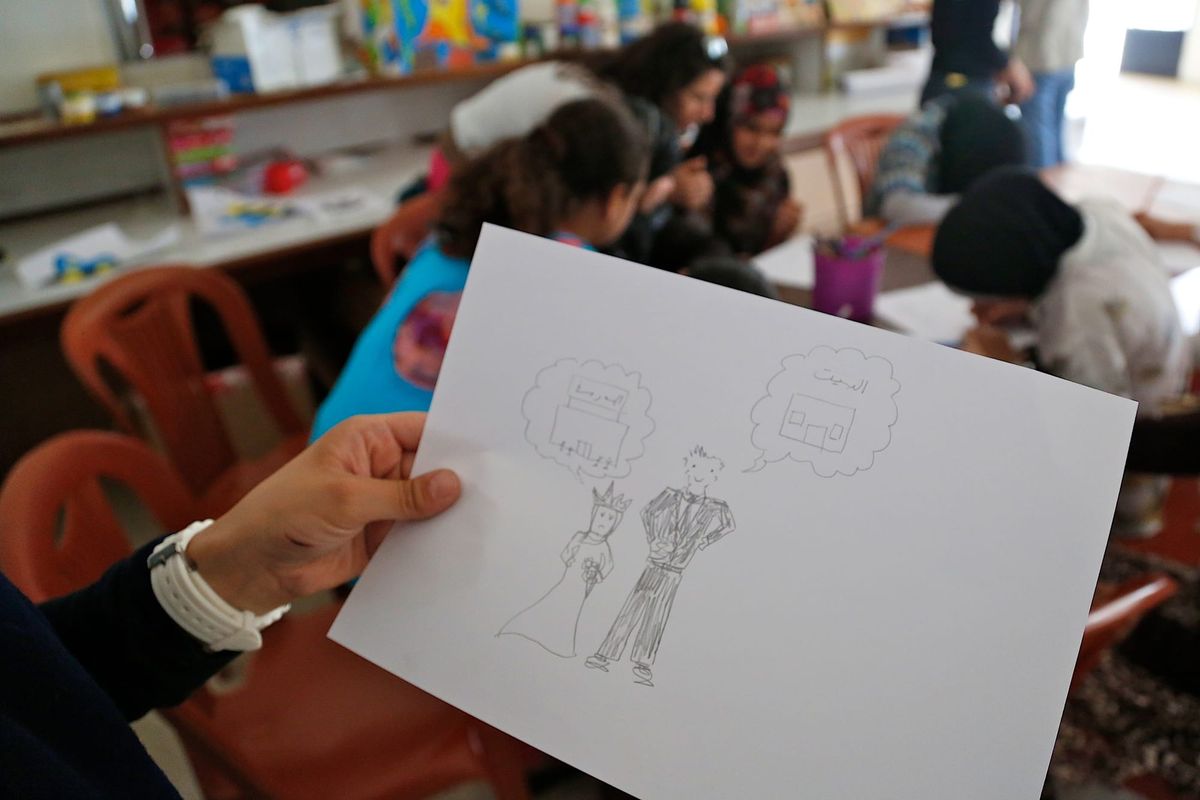
Across parts of the Middle East and beyond, girls continue to enter marriages before adulthood. Behind the statistics lies a difficult question: why do legal loopholes, economic pressures and deeply rooted social practices continue to outweigh the rights of children?
Category: In-Depth | Human Rights
Estimated reading time: 17–20 minutes
The Story in Brief
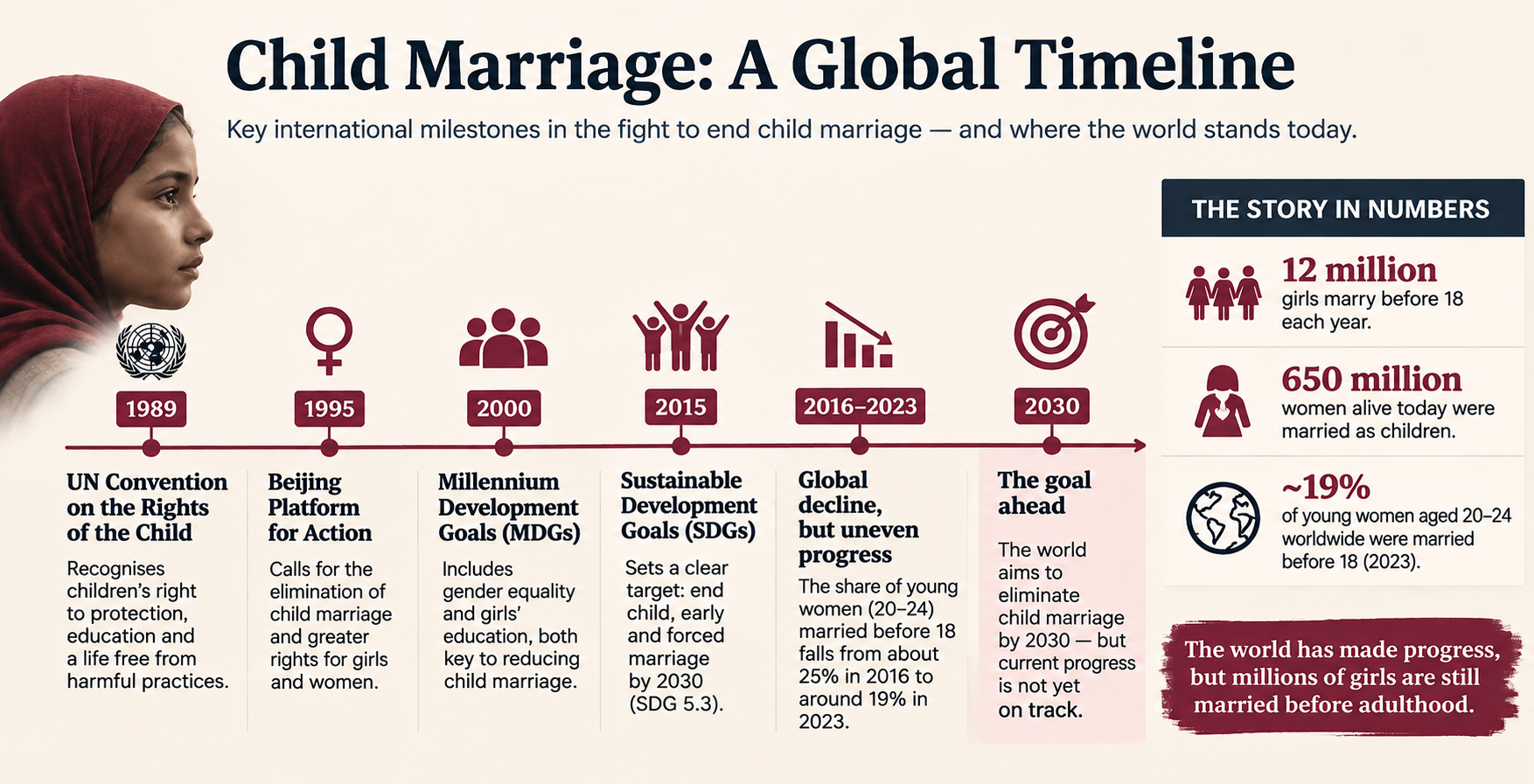
Every year, an estimated 12 million girls worldwide marry before reaching the age of 18. Although child marriage has declined over recent decades, progress remains uneven, and millions of girls continue to face decisions that can fundamentally alter their lives.
In Iran, legislation permits marriage for girls at 13, with judicially authorised exceptions at younger ages. In Afghanistan, restrictions on girls' education have intensified concerns about early marriage. In Yemen, conflict and poverty increase children's vulnerability, while controversial changes to family law in Iraq have renewed debates about religious authority and women's rights.
Child marriage is not exclusive to any religion or region. Yet legal systems, religious interpretations, economic hardship and political decisions can all contribute to its persistence.
This investigation examines the laws, social pressures and institutions involved — and asks why the protection of childhood remains negotiable in so many societies.
Introduction: When Childhood Becomes a Marriage
For millions of girls around the world, childhood does not end with a graduation, a first job or the gradual transition into adulthood.
It can end with a marriage.
A girl who should be attending school may instead find herself expected to manage a household, fulfil marital responsibilities or become a mother before she has fully developed physically or emotionally.
Some marriages are arranged by families facing severe financial hardship. Others are influenced by longstanding traditions, concerns about family reputation, religious interpretations or the belief that marriage offers protection in an unstable environment.
The circumstances differ considerably between countries and communities. Yet the underlying concern remains the same: whether a child can meaningfully exercise the freedom to make a decision with lifelong consequences.
According to UNICEF, approximately 650 million women and girls alive today were married before their eighteenth birthday. Around 12 million girls continue to marry each year before reaching adulthood.
These figures represent far more than an international development challenge. They raise fundamental questions about consent, parental responsibility, the role of the state and the protection of children.
Marriage is not inherently harmful. For consenting adults, it may represent commitment, companionship and family life.
But when marriage involves a child, the relationship raises additional concerns about unequal power, dependency and the ability to refuse.
The distinction matters.
Child marriage should not be understood simply as an unfamiliar cultural practice. It is a global human rights issue with consequences that extend into education, health, economic independence and personal freedom.
And although international organisations have campaigned against the practice for decades, legal and social protections remain inconsistent.
1. The Scale of the Problem: Millions of Childhoods at Risk
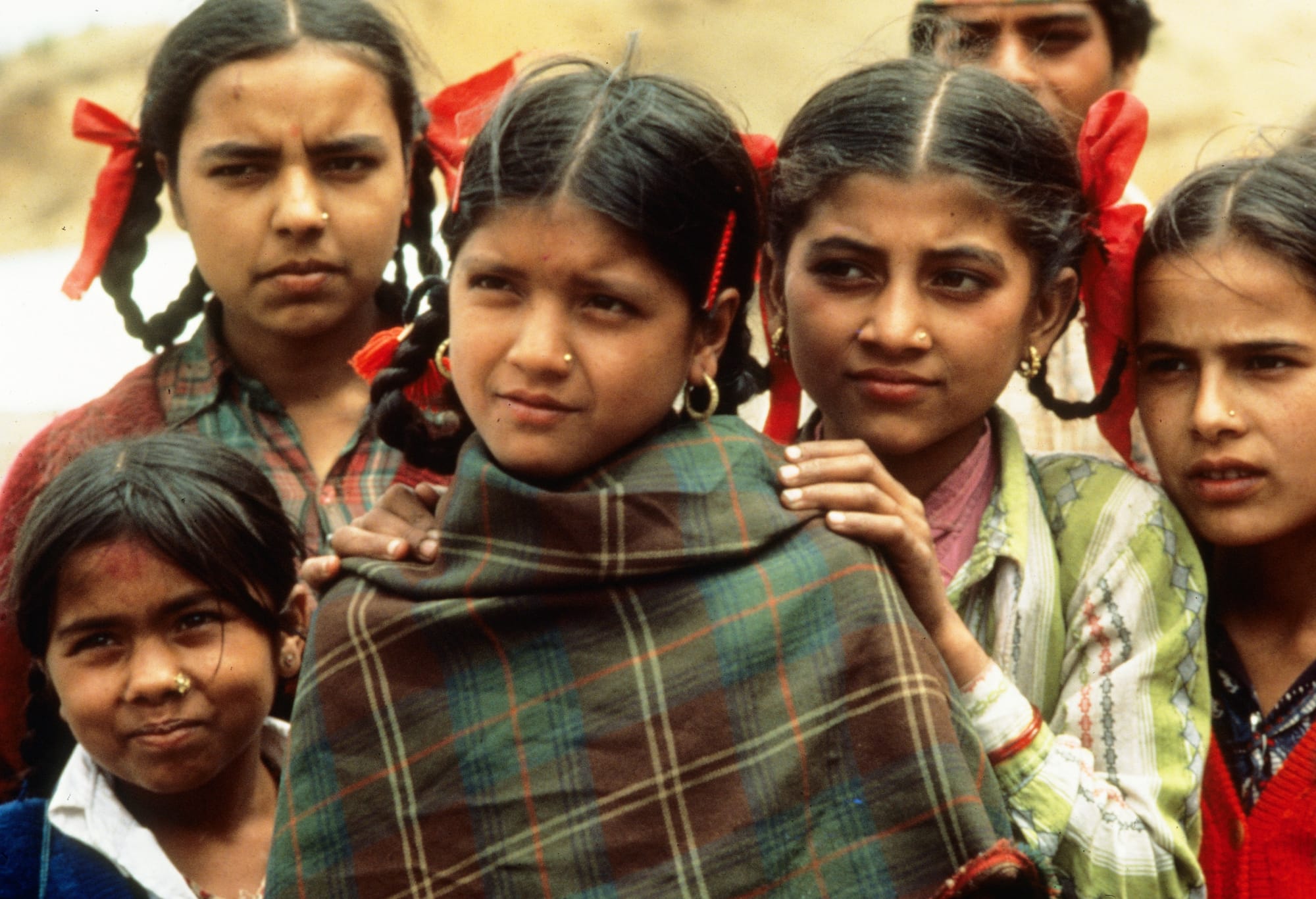
Child marriage is commonly defined by UNICEF and other international organisations as a formal marriage or informal union involving at least one person under the age of 18.
It affects girls disproportionately, although boys can also be married before adulthood.
The latest internationally comparable estimates indicate that approximately one in five young women aged 20 to 24 was married or entered a union before turning 18.
The prevalence of child marriage has fallen globally over the past generation. However, the rate of decline has been insufficient to meet the United Nations Sustainable Development Goal of eliminating the practice by 2030.
The distribution is uneven.
Sub-Saharan Africa has some of the highest regional prevalence rates, while South Asia accounts for a substantial number of women who married as children.
Child marriage also persists in parts of the Middle East, North Africa, Latin America and other regions.
This geographical diversity is important.
The practice cannot accurately be attributed to a single religion, ethnicity or civilisation. It exists in societies with different religious traditions, economic structures and legal systems.
Nevertheless, the legal and political conditions surrounding child marriage vary significantly.
Some governments prohibit marriage before 18 without exceptions. Others allow parental consent, judicial approval or religious exemptions to override the general minimum age.
In countries affected by conflict, poverty or displacement, even existing legal protections may be difficult to enforce.
There is also a problem of visibility.
Official marriage registers do not necessarily capture informal unions, religious ceremonies conducted outside state institutions or marriages that families deliberately avoid registering.
Consequently, the available statistics may not fully reflect the experiences of children living beyond the reach of formal legal systems.
Understanding the scale of child marriage therefore requires more than counting registered ceremonies.
It requires examining the circumstances that allow children to become spouses before they have acquired the independence normally associated with adulthood.
2. Iran: When the Law Permits Early Marriage
Iran illustrates how child marriage can remain legally possible within a modern state.
Under Article 1041 of the Iranian Civil Code, the minimum marriage age is generally 13 for girls and 15 for boys.
However, marriages below these ages may be authorised with the permission of a guardian and approval from a competent court, subject to a determination of the child's interests.
This exception is central to the controversy.
A legal system may formally establish a minimum age while simultaneously permitting children below that threshold to marry.
Human rights advocates argue that such exceptions weaken the protective purpose of age restrictions.
The issue is not simply whether a family or judge approves a marriage. It is whether a child has the maturity, independence and practical freedom necessary to make such a decision.
Official Iranian data and reports based on those records have documented substantial numbers of marriages involving girls under 18.
However, precise totals depend on the reporting period, the age categories used and whether marriages were officially registered.
These limitations matter when evaluating the scale of the problem.
Iran's legal framework is influenced by its interpretation of Islamic jurisprudence, particularly within the country's Shia legal tradition.
Yet Islamic legal scholarship is not uniform, and Muslim-majority countries apply different marriage laws.
Religious interpretation therefore does not eliminate the responsibility of legislators and courts to assess whether their rules adequately protect children.
Iran has ratified the United Nations Convention on the Rights of the Child, although it entered a broad reservation concerning compatibility with Islamic law and domestic legislation.
The resulting tension between international commitments and national legal provisions is an important part of the debate.
For a girl facing an early marriage, however, the central question is immediate rather than theoretical.
Can she refuse?
Can she continue her education?
Does she have access to independent legal assistance?
And if the marriage becomes abusive or unwanted, does she possess a realistic means of leaving it?
These questions reveal the difference between a legal procedure and meaningful protection.
3. Iraq: The Battle Over Family Law and Religious Authority
Iraq's debate over family law has become one of the most controversial examples of the relationship between religious authority and women's rights.
The country's Personal Status Law of 1959 established a unified framework for important aspects of marriage, divorce and family relations.
Although the legislation has undergone changes, it has historically been significant for regulating family matters through state institutions rather than leaving them entirely to separate religious authorities.
Under the general framework, the minimum marriage age is 18, with judicial exceptions permitting marriage from 15 under specified conditions.
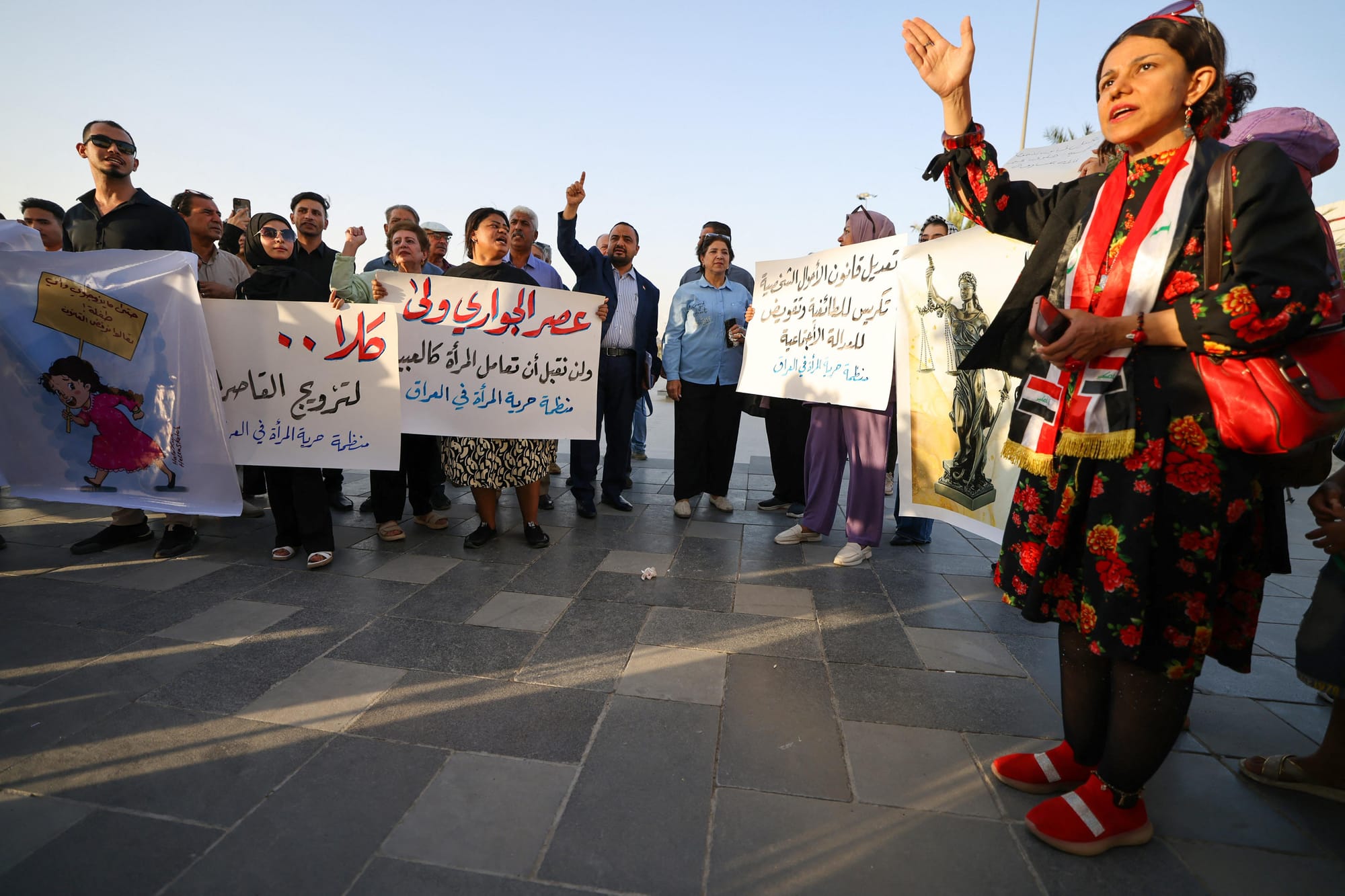
In January 2025, the Iraqi parliament approved controversial amendments to the Personal Status Law.
Supporters presented the changes as a means of respecting religious identity and allowing families greater freedom to follow their religious traditions.
Critics, including women's rights organisations, warned that expanding the influence of religious jurisprudence over family matters could undermine protections established under civil law.
Particular concern surrounded the possibility that religious interpretations could affect marriage arrangements, divorce rights, inheritance and custody.
Some international headlines suggested that the changes simply legalised marriage for girls as young as nine.
That description requires qualification.
The legal effects of the amendments, their implementing provisions and the distinction between statutory marriage ages and religious jurisprudence must be examined carefully.
It would be misleading to present every religious interpretation discussed during the controversy as an automatically enforceable national marriage rule.
Nevertheless, the broader human rights concern is substantial.
When family law becomes increasingly dependent on different religious interpretations, the legal position of women and children may become less predictable.
The debate also raises questions about equality before the law.
Should a girl's protection depend on the religious school followed by her family?
Should parental or religious authority determine whether she is ready for marriage?
And how can the state guarantee meaningful consent when a minor may face considerable pressure from adults?
Iraq's controversy demonstrates that the issue is not confined to the formal marriage age.
It also concerns who possesses the authority to decide, which legal safeguards apply and whether children can effectively exercise their rights.
4. Afghanistan: Girls Without Schools, Girls Without Choices
Afghanistan presents a particularly troubling combination of educational exclusion, economic insecurity and restrictions on women's freedoms.
Following the Taliban's return to power in August 2021, girls' access to secondary education was progressively curtailed.
Afghanistan became the only country in the world where girls and women were systematically barred from secondary and higher education on such a nationwide basis.
By August 2026, UNICEF reported that more than 2.6 million girls had been denied secondary education since 2021.
The consequences extend far beyond the classroom.
Education can provide knowledge, social connections, future employment opportunities and greater capacity to make independent decisions.
When those opportunities disappear, girls may become more dependent on family decisions about their futures.
UNICEF and other organisations have repeatedly warned that educational exclusion increases vulnerability to child marriage, early pregnancy and other forms of exploitation.
This does not mean that every family whose daughter is excluded from school will arrange an early marriage.
Nor does it establish that every marriage is directly caused by Taliban education policies.
The relationship is more complex.
Afghanistan has experienced decades of war, displacement, economic hardship and instability.
For some families, marriage may be viewed as a way of reducing financial pressure or securing a daughter's future.
Others may believe that a husband can offer protection in an environment where women's mobility and employment are severely restricted.
Yet a marriage arranged under conditions of profound dependency raises difficult questions about freedom of choice.
If a girl cannot continue her education, has limited opportunities to work and cannot independently support herself, the alternatives available to her may be extremely narrow.
The Taliban have issued statements and decrees concerning marriage consent, including a 2021 decree opposing forced marriage.
However, the existence of such declarations does not establish that effective safeguards are available throughout the country.
Human rights organisations have documented continuing concerns about forced marriage, restrictions on women and girls, and limited access to justice.
Afghanistan therefore illustrates how child marriage cannot be separated from the wider position of women in society.
Protecting girls requires more than a marriage law.
It also requires education, legal assistance, economic opportunity and the practical freedom to make decisions about their own lives.
5. Yemen: Marriage in the Shadow of War
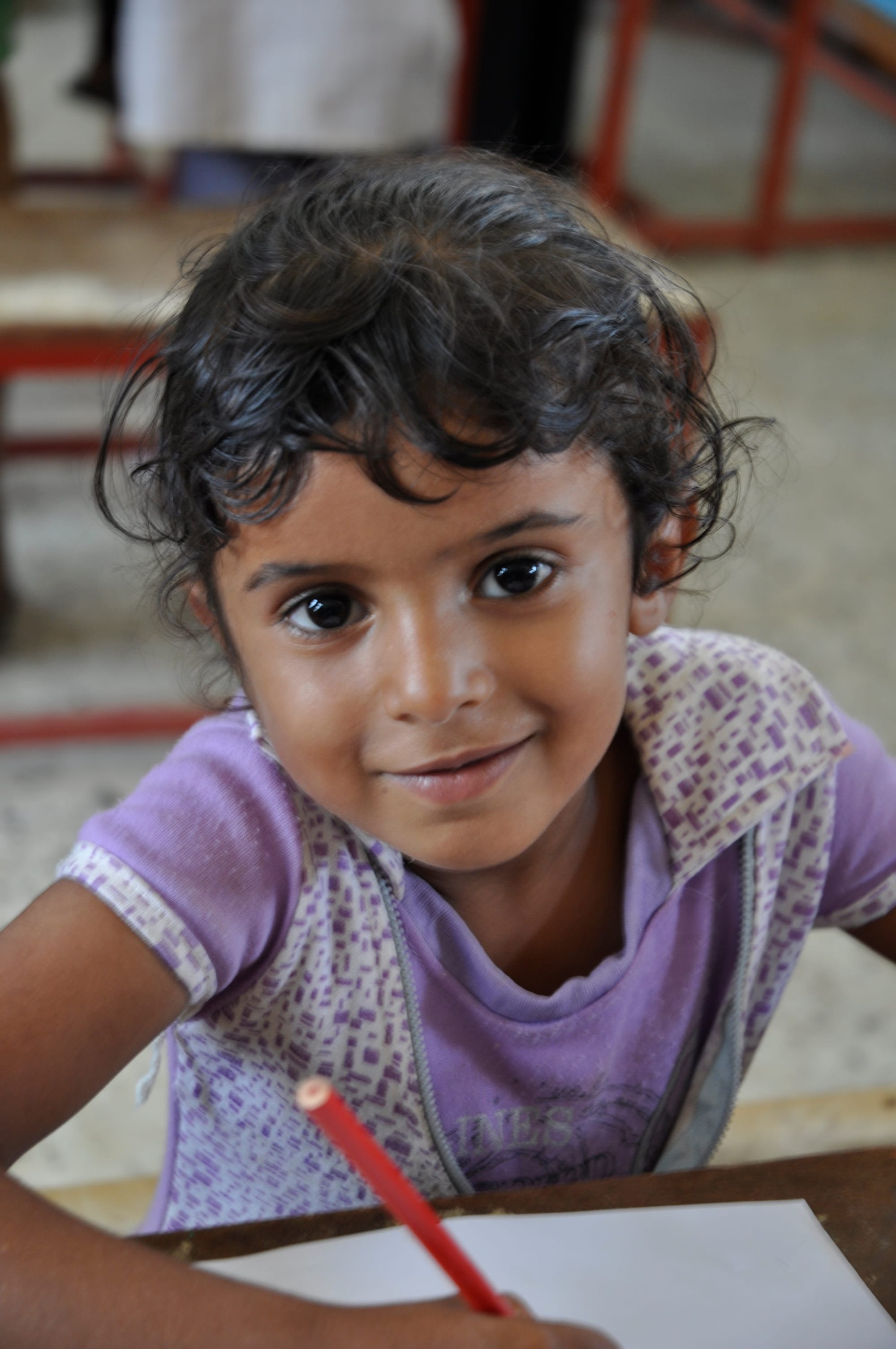
In Yemen, child marriage must be understood against the background of prolonged conflict and severe humanitarian hardship.
Years of war have damaged schools, health services, infrastructure and livelihoods.
Families have experienced displacement, food insecurity and the loss of stable income.
In such circumstances, decisions about marriage may become entangled with questions of survival.
UNICEF data indicate that approximately 30 per cent of young Yemeni women aged 20 to 24 had married or entered a union before their eighteenth birthday.
The prevalence is higher among economically disadvantaged households.
These figures illustrate the connection between poverty and early marriage, although economic hardship is not the only explanation.
Social expectations, family arrangements, gender inequality and limited educational opportunities also play important roles.
Yemen has long faced criticism for the absence of a clear, universally applicable statutory minimum marriage age.
Attempts to establish stronger legal protections have encountered political and religious opposition.
The fragmentation of state authority during the conflict has made comprehensive legal reform and enforcement even more difficult.
For some families, marrying a daughter may appear to reduce the number of dependants in the household.
Others may view marriage as a means of protecting a girl from insecurity or sexual violence.
Such motivations should be examined rather than dismissed.
But understanding why families make these decisions does not mean accepting that the decisions protect children's rights.
A girl may move from one form of insecurity into another.
Early marriage can interrupt education, increase financial dependency and expose girls to early pregnancy or domestic abuse.
In a country where health services have been severely disrupted, the consequences of pregnancy and childbirth during adolescence can be particularly serious.
Yemen also demonstrates the limitations of international advocacy.
Campaigns promoting legal reform cannot succeed through legislation alone when families lack food, income, safe schools and accessible healthcare.
Preventing child marriage in a humanitarian emergency requires practical alternatives.
Without those alternatives, the pressures that encourage early marriage may persist even when communities recognise its risks.
6. Pakistan: The Uneven Road Towards Reform
Pakistan provides an important example of how legal protections can differ within the same country.
Child marriage legislation has historically varied between provinces and federal jurisdictions.
Sindh introduced legislation establishing 18 as the minimum marriage age for both girls and boys.
In 2025, Islamabad adopted legislation intended to strengthen protection against child marriage by setting the minimum age at 18 for both sexes.
These developments demonstrate that legal reform is possible within a Muslim-majority society.
They also challenge the argument that religious identity necessarily requires lower marriage ages.
However, national progress remains uneven.
Different legal frameworks, questions of enforcement and social practices continue to affect protection across Pakistan.
Legal reform may face resistance from religious organisations, political groups or communities concerned about the relationship between state law and family authority.
Supporters of reform argue that marriage before adulthood can undermine girls' education, health and freedom.
Opponents may question the state's authority to impose a uniform age requirement or argue that religious and cultural considerations should receive greater weight.
The challenge for policymakers is to distinguish legitimate religious freedom from practices that expose children to harm.
Pakistan also illustrates why a new law should not automatically be treated as a completed success.
Effective protection depends on registration procedures, public awareness, access to courts, enforcement and support for children at risk.
A law that exists only on paper cannot provide meaningful protection.
The experience of reforming jurisdictions nevertheless offers an important lesson.
Traditions and legal interpretations are not necessarily fixed.
Societies can reconsider longstanding practices while maintaining their cultural and religious identities.
7. Religion, Tradition and Political Power
One of the most sensitive aspects of child marriage is the role of religion.
In some societies, early marriage is defended through religious interpretations or references to historical practices.
In others, the practice is primarily associated with family tradition, economic arrangements or social expectations.
These explanations frequently overlap.
It is therefore important to distinguish religious doctrine from local custom and from the laws enacted by governments.
Child marriage occurs among communities belonging to different religious traditions, including Muslim, Hindu, Christian and other populations.
No major world religion requires all followers to marry children.
Within Islam, interpretations of marriage eligibility, maturity and consent have differed across historical periods and legal schools.
Contemporary Muslim scholars and reformers have argued that minimum-age protections are compatible with Islamic principles concerning welfare, justice and the prevention of harm.
Other religious authorities defend traditional interpretations that permit marriage at younger ages under particular circumstances.
These disagreements matter because religious arguments can influence legislation and family decisions.
However, the existence of competing interpretations means that political authorities cannot simply attribute their choices to religion as though no alternative were available.
Governments decide which interpretations receive legal recognition.
Courts decide how provisions are applied.
Legislators decide whether exceptions remain available.
Religious leaders influence community attitudes.
Parents and guardians make decisions that can determine a child's future.
Responsibility is therefore distributed across institutions and individuals.
Tradition can explain the historical origins of a practice.
It cannot, by itself, establish that the practice is compatible with contemporary human rights standards.
The same principle applies beyond child marriage.
Practices involving children must be evaluated in relation to their welfare, safety, development and ability to exercise their rights.
Respect for cultural and religious diversity does not require abandoning scrutiny of practices that may cause harm.
Equally, criticism of child marriage should not become an excuse for portraying entire religious communities as abusive or indifferent to children.
Many of the individuals campaigning against child marriage are themselves members of the societies and religious communities in which it occurs.
Their work demonstrates that the debate is not simply between external critics and local traditions.
It is also taking place within the affected communities.
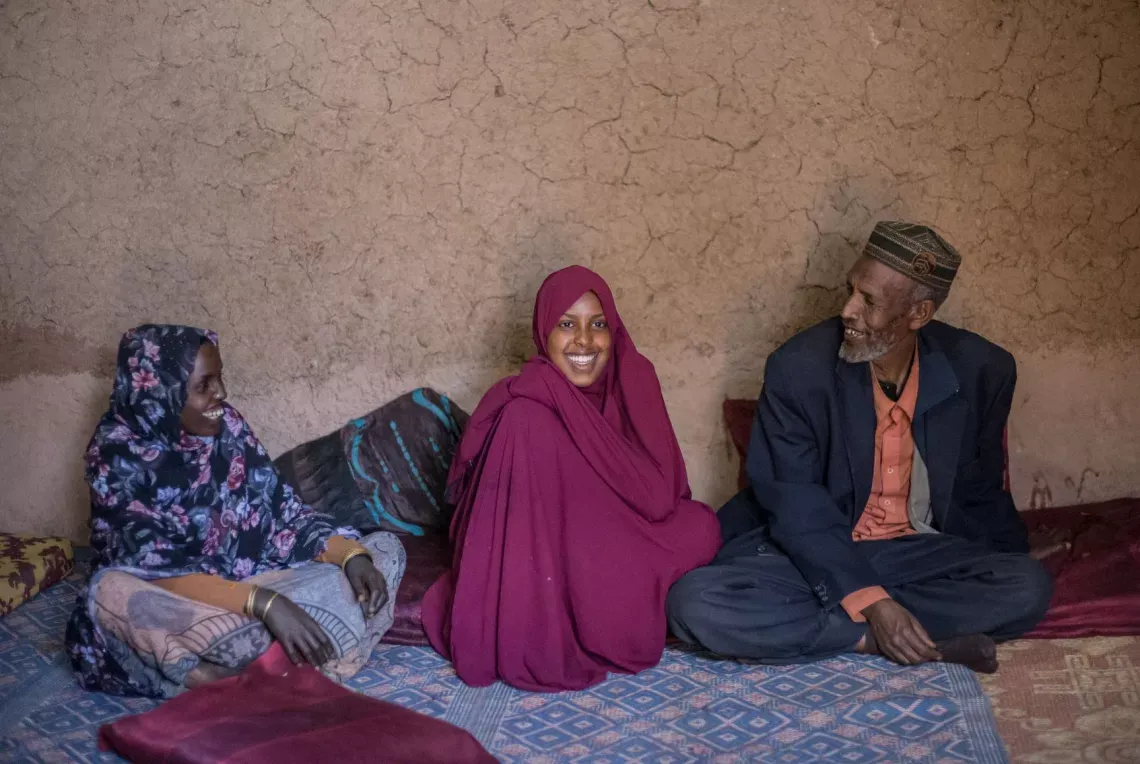
8. The Adults Behind the Decisions: Parents, Husbands and Institutions
Discussions of child marriage frequently concentrate on girls as victims.
Far less attention is sometimes given to the adults who make, approve or benefit from the arrangements.
Parents and guardians may organise marriages.
Religious figures may conduct ceremonies.
Officials may register unions.
Courts may authorise exceptions.
Adult spouses may enter relationships with girls who have substantially less social and economic power.
The responsibilities of these different actors should not be treated as identical.
A family facing extreme poverty may operate under pressures that differ considerably from those affecting an adult who deliberately exploits a child's vulnerability.
Nevertheless, understanding those pressures should not remove the need to examine accountability.
The age difference between spouses is particularly relevant.
Where a young girl marries an older man, differences in income, experience, authority and social standing may significantly affect her ability to negotiate within the relationship.
Even when an arrangement is described as consensual, the circumstances surrounding that consent require examination.
A girl may face pressure to obey her parents, protect her family's reputation or avoid economic hardship.
Refusing a marriage may carry serious social consequences.
Some girls may not know that legal protection or assistance is available.
Others may live in communities where challenging family decisions is exceptionally difficult.
This raises a fundamental question.
Can consent be regarded as freely given when the alternatives are severely constrained?
International human rights standards recognise the importance of free and full consent to marriage.
The Convention on the Rights of the Child also requires states to protect children from harmful practices and to prioritise their best interests.
These principles place obligations on governments as well as families.
The state cannot adequately protect children merely by establishing procedures through which adults approve their marriages.
Protection must include meaningful safeguards against coercion, exploitation and abuse.
It must also provide accessible remedies when those safeguards fail.
9. The Consequences: Education, Health and Lost Independence
The consequences of child marriage can extend across an individual's entire life.
One of the most immediate risks is the interruption of education.
Girls who marry early are often expected to assume domestic responsibilities, and some become pregnant while still in adolescence.
Continuing school may become difficult because of household duties, financial pressures, discrimination or restrictions imposed by family members.
Leaving education early can reduce future employment opportunities and economic independence.
That dependency may make it harder to leave an abusive or unwanted marriage.
Child marriage is also associated with increased risks of adolescent pregnancy.
The World Health Organization has identified important health risks associated with pregnancy and childbirth among adolescents, particularly younger teenagers.
These include complications affecting mothers and infants.
The risks are influenced by age, access to healthcare, nutrition, socioeconomic conditions and the quality of maternal services.
It would be inaccurate to suggest that every adolescent pregnancy results in serious medical complications.
However, the elevated risks provide a strong public health reason to prevent early and unwanted pregnancies.
Mental health is another concern.
Girls may experience isolation, anxiety, emotional distress or loss of social connections.
Some are exposed to intimate partner violence or coercive control.
The severity and nature of these experiences vary, and not every child marriage follows the same pattern.
Nevertheless, the potential consequences are sufficiently serious to justify preventive action.
Child marriage can also contribute to intergenerational disadvantage.
A girl who leaves school early may have fewer opportunities to earn an independent income.
Her children may subsequently grow up in a household facing similar economic constraints.
This does not make poverty inevitable.
But it illustrates how early marriage can reinforce existing inequalities.
The effects therefore extend beyond individual families.
They can influence educational attainment, public health, workforce participation and broader economic development.
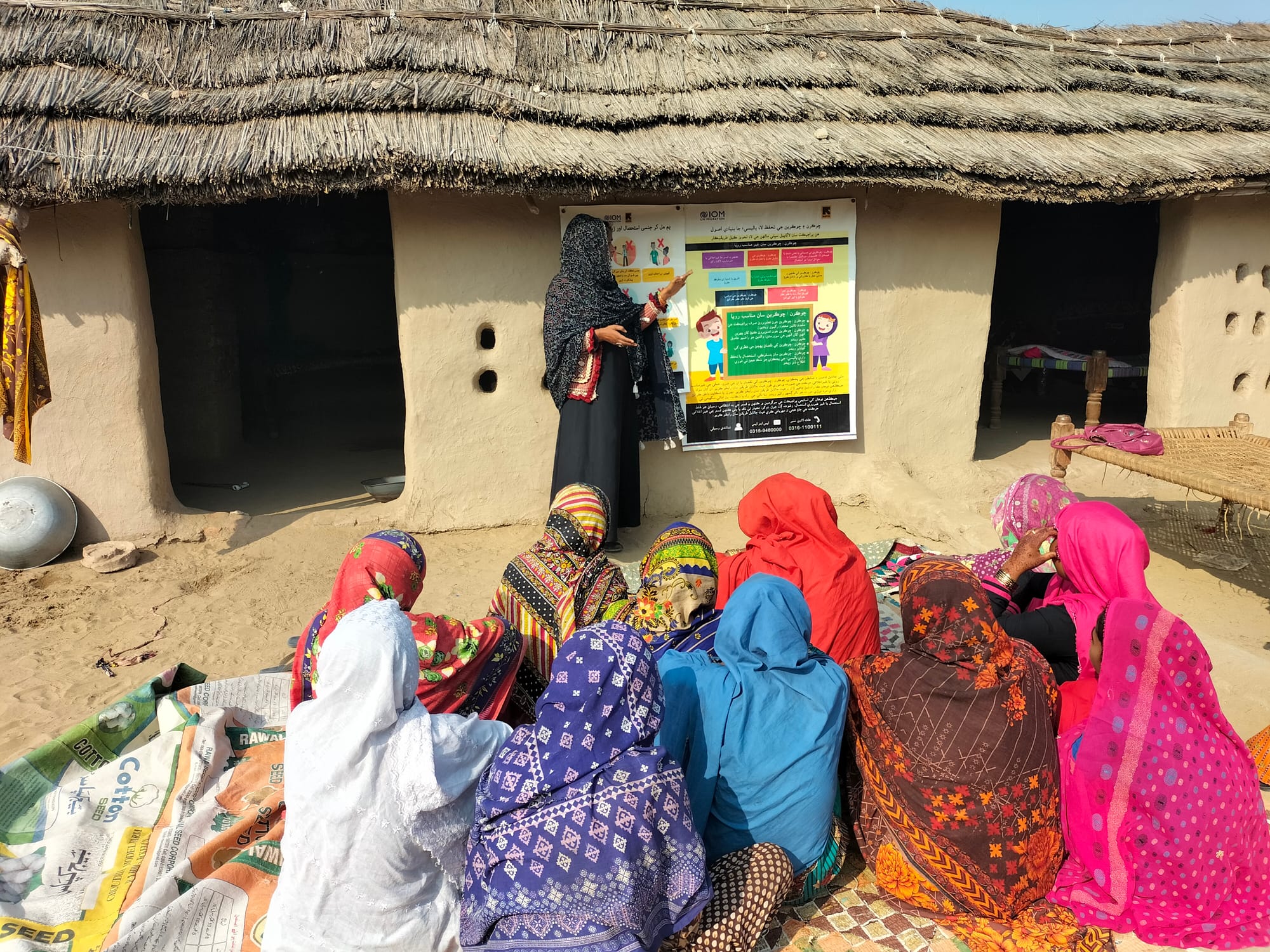
10. The Women and Communities Fighting Back
The debate over child marriage is not solely a story of legal failure or entrenched traditions.
It is also a story of reform.
Across different countries, women's rights advocates, educators, religious scholars, lawyers and community organisations have challenged early marriage.
Some campaign for a universal minimum marriage age of 18 without exceptions.
Others work to ensure that existing laws are enforced.
Community organisations provide education, legal assistance, counselling and support for girls facing unwanted marriages.
International agencies, including UNICEF and UNFPA, support programmes aimed at changing social attitudes and expanding opportunities for girls.
Their work often recognises that legal reform and community engagement must operate together.
A family experiencing severe poverty may require financial assistance and access to education before it can realistically consider alternatives.
A girl at risk of forced marriage may need confidential legal advice, safe accommodation or protection from retaliation.
Community leaders can also play a significant role.
Where respected religious figures publicly support the protection of children, they may help challenge the belief that early marriage is a religious obligation.
Education is particularly important.
Keeping girls in school can strengthen their opportunities and reduce some of the pressures associated with early marriage.
But reform requires sustained political commitment.
Laws must be clear.
Exceptions must be scrutinised.
Marriage registration must be accessible and reliable.
Officials must understand their responsibilities.
Children must know where they can seek assistance.
Progress is possible, but it cannot be measured solely by the announcement of new legislation.
It must be assessed through actual changes in children's lives.
11. International Responsibility: Beyond Statements and Conventions
The international community has repeatedly recognised child marriage as a serious human rights concern.
The United Nations Sustainable Development Goals include a commitment to eliminate child, early and forced marriage by 2030.
The Convention on the Rights of the Child establishes obligations concerning children's protection, development and best interests.
The Convention on the Elimination of All Forms of Discrimination against Women addresses discrimination in marriage and family relations.
International human rights bodies have also called for stronger minimum-age protections and the elimination of harmful exceptions.
Yet commitments do not automatically translate into domestic enforcement.
Governments may ratify international treaties while maintaining reservations, conflicting national legislation or ineffective enforcement systems.
In conflict-affected countries, state institutions may lack the capacity to implement protections consistently.
International pressure can encourage reform, but it also has limitations.
Public criticism may be rejected as foreign interference.
Sanctions and diplomatic isolation can create additional hardship without necessarily improving the position of vulnerable girls.
Effective international engagement therefore requires a combination of accountability, cooperation and practical assistance.
Funding education, supporting local organisations and strengthening legal institutions can be as important as issuing public condemnations.
International agencies must also assess whether their programmes produce measurable improvements.
Are fewer girls marrying before adulthood?
Are more girls remaining in school?
Can children access protection when they refuse a marriage?
Are legal exceptions being reduced?
These questions provide a more meaningful basis for evaluating progress than political declarations alone.
12. What Must Change?
Ending child marriage requires more than a single legal reform.
The first priority is establishing clear and enforceable minimum-age protections.
Where parental, judicial or religious exceptions allow children to marry, those provisions should be reviewed against international child rights standards.
Marriage registration systems must also be strengthened.
Without reliable documentation, authorities may struggle to identify underage marriages or provide effective protection.
Education must remain accessible.
Girls who are excluded from school face reduced opportunities and may become more vulnerable to economic and social pressures.
Families experiencing poverty need practical support, including access to social protection, employment opportunities and essential services.
Healthcare and confidential legal assistance must be available to girls who are already married.
Protecting children should not mean abandoning those whose marriages have already taken place.
They may require assistance to continue education, access reproductive healthcare, obtain legal advice or leave abusive relationships.
Community engagement is equally important.
Sustainable reform is more likely when parents, educators, religious leaders and local organisations participate in challenging harmful practices.
Finally, political accountability is essential.
Governments should be assessed not only on their stated commitments but on the laws they maintain, the exceptions they permit and the protection available to children in practice.
A country cannot demonstrate effective protection merely by signing an international convention.
The rights recognised in that convention must be meaningful in everyday life.
What This Means: The Wider Implications
Child marriage is often discussed as a social or cultural problem.
But it is also a question of governance.
The persistence of the practice reveals how power is distributed between children, families, religious institutions and the state.
Where children cannot refuse decisions made on their behalf, legal protections become especially important.
Where girls lack education and financial independence, their ability to exercise those protections may be limited.
And where governments permit broad exceptions to marriage-age laws, the distinction between protecting childhood and accommodating adult preferences can become blurred.
The issue also exposes a challenge for international human rights advocacy.
Criticism must be accurate, consistent and sensitive to local realities.
It should not single out one religion while ignoring similar practices elsewhere.
Nor should cultural sensitivity become a reason to avoid examining laws that leave children vulnerable.
The most effective approach recognises both principles.
Religious and cultural communities deserve fair representation.
Children deserve protection regardless of the community into which they are born.
These commitments are not mutually exclusive.
Conclusion: Childhood Is Not a Negotiable Right
Child marriage persists for different reasons in different societies.
Poverty, insecurity, family expectations, religious interpretations and inadequate legal protections all play a role.
There is no single explanation and no universal solution.
But the central principle should remain clear.
Children should not be expected to carry responsibilities for which they are not prepared, nor should their futures be determined by arrangements they lack the freedom to refuse.
The protection of childhood is not an attack on religion.
It is not a rejection of cultural identity.
And it does not require dismissing the difficult circumstances faced by families living through poverty or conflict.
It requires recognising that a child's welfare, education, safety and ability to make independent choices deserve priority.
Governments, religious authorities, communities and international organisations all have responsibilities.
Their effectiveness should be judged not by promises, but by whether children are safer, better educated and more able to determine their own futures.
Tradition may help explain why child marriage has endured.
It cannot, on its own, justify allowing it to continue.
Sources & References
- UNICEF — Child Marriage: Global Database and Statistical Overview.
https://data.unicef.org/topic/child-protection/child-marriage/ - UNICEF — Child Marriage Data Portal.
https://childmarriagedata.org/ - United Nations Population Fund (UNFPA) — Child Marriage.
https://www.unfpa.org/child-marriage - United Nations — Sustainable Development Goal 5: Gender Equality.
https://sdgs.un.org/goals/goal5 - United Nations — Convention on the Rights of the Child.
https://www.ohchr.org/en/instruments-mechanisms/instruments/convention-rights-child - United Nations — Convention on the Elimination of All Forms of Discrimination against Women.
https://www.ohchr.org/en/instruments-mechanisms/instruments/convention-elimination-all-forms-discrimination-against - UK Home Office — Country Policy and Information Note: Iran, Women, Early and Forced Marriage.
https://www.gov.uk/government/publications/iran-country-policy-and-information-notes - European Union Agency for Asylum — Iraq Country of Origin Information and Child Marriage.
https://www.euaa.europa.eu/ - UNICEF Afghanistan — Education and the Rights of Girls.
https://www.unicef.org/afghanistan/education - UNICEF Yemen — Country Information and Child Protection.
https://www.unicef.org/yemen/ - Library of Congress — Global Legal Monitor: Child Marriage Legislation in Pakistan.
https://www.loc.gov/item/global-legal-monitor/2025-07-01/pakistan-president-grants-assent-to-islamabad-child-marriage-law/ - World Health Organization — Adolescent Pregnancy.
https://www.who.int/news-room/fact-sheets/detail/adolescent-pregnancy - Girls Not Brides — Global Partnership to End Child Marriage.
https://www.girlsnotbrides.org/ - World Bank — Women, Business and the Law.
https://wbl.worldbank.org/
Editorial Note
This article draws on publicly available information from international organisations, government reports, legal sources and human rights research. Child marriage statistics may refer to different survey periods, age groups or registration systems, making direct comparisons between countries difficult.
Legal frameworks may also change, particularly in countries experiencing political instability or conflict. The discussion of Iraq's 2025 family-law amendments distinguishes the legislation from wider claims concerning religious jurisprudence and marriage at younger ages.
No original interviews were conducted for this article. The analysis does not suggest that child marriage is unique to any religion or that all families, religious authorities or communities share the same attitudes towards the practice.
Beyond the Lines — Independent Journalism. Beyond the Headlines.