The Forgotten Druze of Syria: Violence, Persecution and the Struggle for Survival
An investigation into the Suwayda massacres, the persecution of Druze civilians, destroyed villages, displacement and the struggle for justice in Syria.
Beyond the Lines | Investigative Report
Location: Suwayda, Southern Syria
Focus: Religious minorities, sectarian violence, human rights and accountability
Updated: November 2026
A Tragedy That Must Not Be Forgotten
There are places where war does not simply destroy buildings. It destroys the sense of belonging, the trust between neighbours, and the belief that tomorrow will be safer than today.
In southern Syria, the province of Suwayda became one of those places.
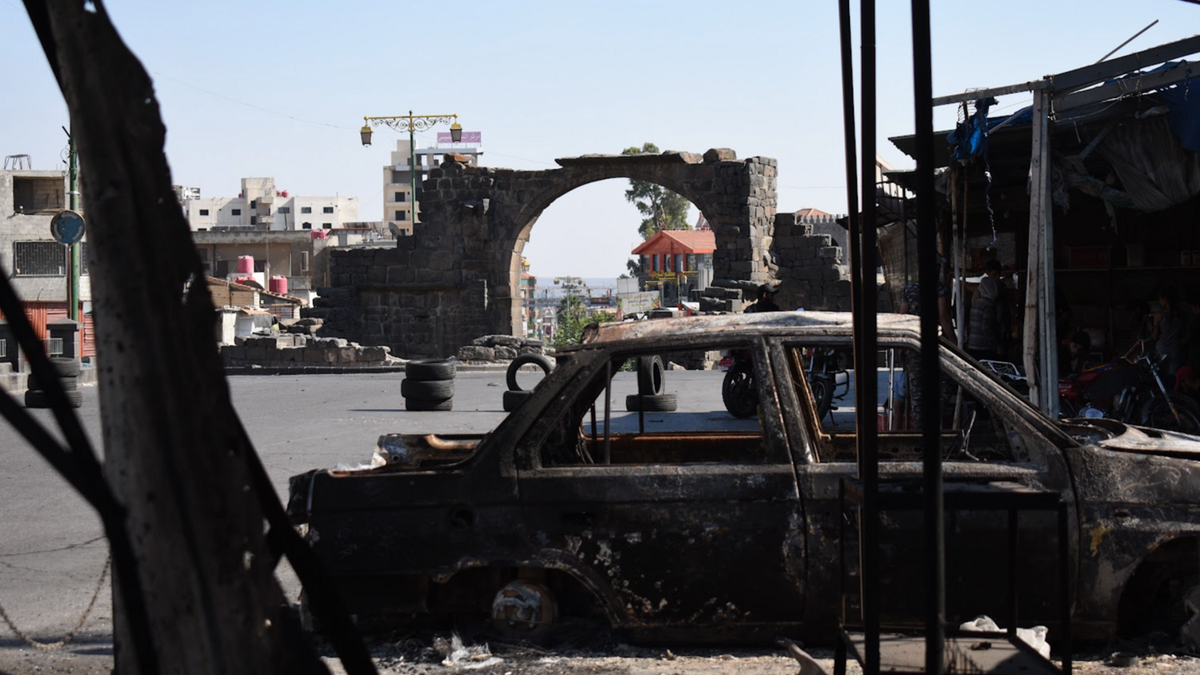
In July 2025, violence swept through communities that had already endured years of instability, uncertainty and political upheaval. Homes were burned, families were displaced, civilians were executed, and entire villages were devastated.
For the Druze community, an ancient religious minority with deep roots in the region, the violence represented far more than another episode in Syria's long conflict. It raised a frightening question: could their religious identity itself make them targets?
A United Nations investigation published in March 2026 documented more than 1,700 reported deaths and nearly 200,000 displaced people during the July escalation. Investigators identified serious violations by Syrian government forces, affiliated tribal fighters and Druze armed groups.
The findings revealed a complex sequence of atrocities, including attacks against Druze civilians and retaliatory attacks against Bedouin civilians.
Yet behind the numbers are people whose lives cannot be reduced to statistics.
Families who lost relatives. Children who witnessed violence. Elderly residents who watched their homes disappear. Communities whose places of worship and cultural heritage were destroyed.
Their experiences deserve more than a passing headline.
They deserve to be understood.
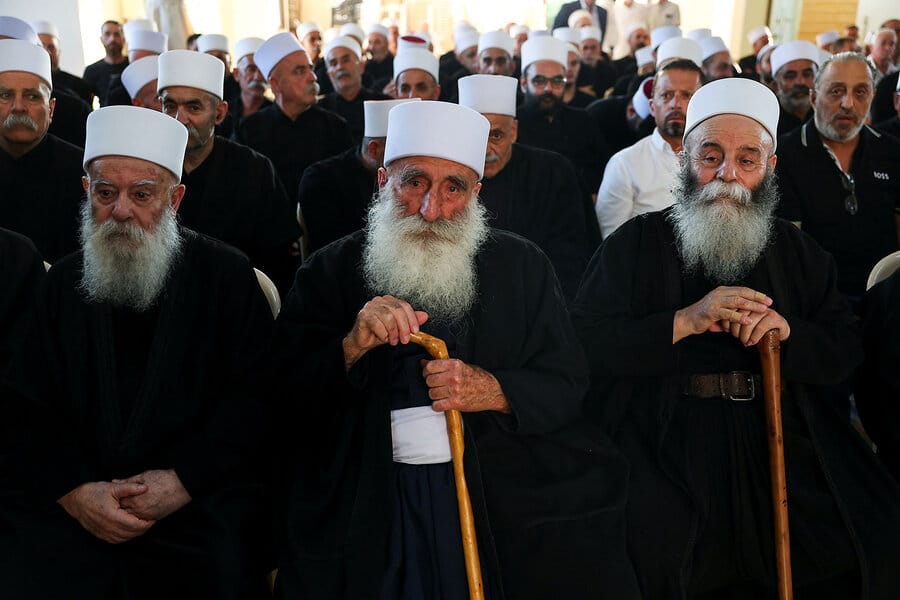
Chapter 1 — Who Are the Druze?
The Druze are a distinct religious and cultural community whose faith emerged in the Middle East during the eleventh century.
Their religious tradition developed from Ismaili Islam but evolved into a separate faith with its own theological teachings, practices and identity.
Today, Druze communities are primarily found in Syria, Lebanon, Israel and Jordan.
Their beliefs emphasise principles including truthfulness, loyalty, spiritual responsibility and the unity of God. Religious teachings are traditionally maintained within the community, and conversion into or out of the faith is generally not practised.
The Druze have preserved their identity across centuries of political change, conflict and shifting borders.
In Syria, Suwayda has long been regarded as the country's principal Druze heartland.
The region is also home to Bedouin, Christian and other communities, whose histories have intersected through trade, agriculture, family relationships and local political life.
These relationships have not always been free of tension. However, reducing Suwayda to a simple conflict between religions would ignore the region's complicated history.
The Druze have also played an important role in Syrian national history, including resistance to French colonial rule.
Their identity is therefore both religious and deeply connected to the country's political and social development.
Understanding this history is essential to understanding why the events of July 2025 were so devastating.
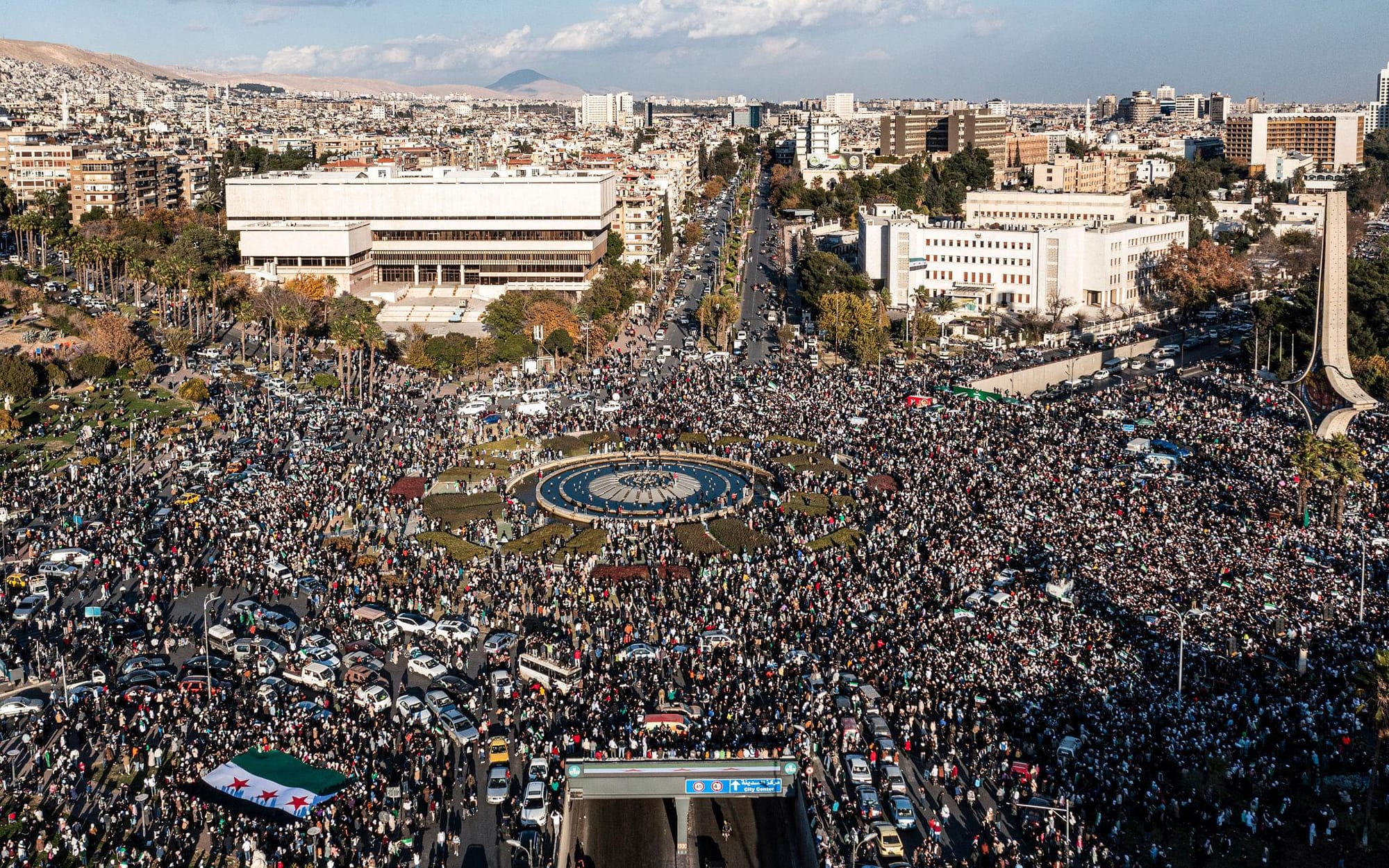
Chapter 2 — Syria After Assad: A Fragile Transition
In December 2024, the government of Bashar al-Assad collapsed after more than five decades of rule by the Assad family.
For many Syrians, the end of the regime created hope for a different future.
But political change does not automatically create stability.
The new authorities, led by Ahmed al-Sharaa, faced the enormous challenge of rebuilding state institutions, integrating armed factions and establishing authority over a country fragmented by years of war.
For religious and ethnic minorities, the transition raised urgent questions.
Would the new government guarantee equal citizenship?
Would religious communities be protected from extremist violence?
Would security forces operate under accountable national institutions, or would armed factions continue to act according to their own loyalties?
These concerns were particularly important in Suwayda, where local Druze leaders and armed groups maintained varying degrees of independence from Damascus.
Some favoured cooperation with the new government, while others feared that centralisation could threaten their community's security.
The absence of trust between local authorities, national security forces and neighbouring armed groups created dangerous conditions.
In July 2025, those tensions erupted.
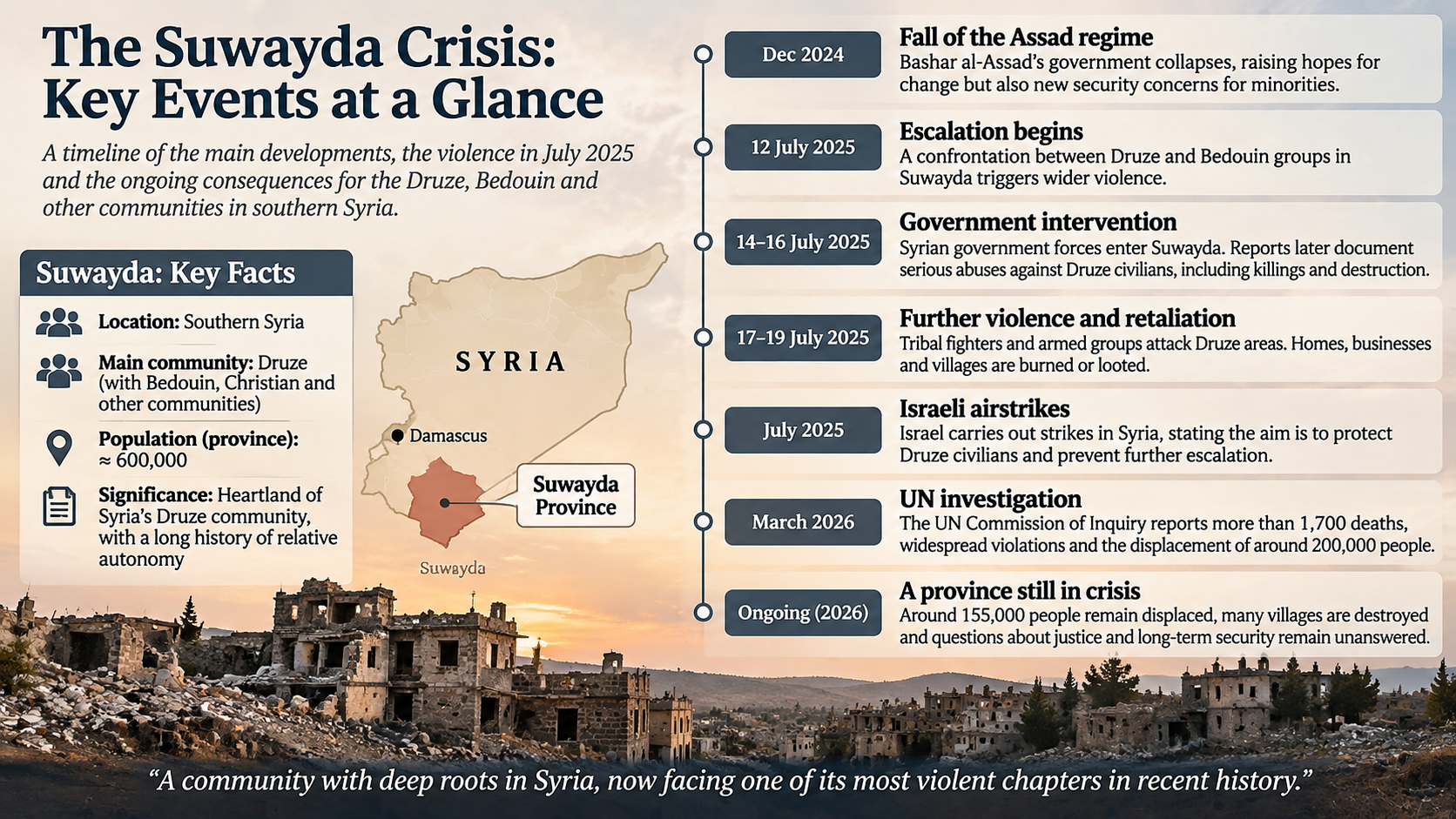
Chapter 3 — July 2025: When Suwayda Became a Battlefield
The immediate escalation began on 12 July 2025, following a confrontation involving Druze and Bedouin groups.
What initially appeared to be a local conflict rapidly expanded into widespread armed violence.
Syrian government forces entered the province, officially presenting their intervention as an attempt to restore security.
However, investigations later documented grave abuses involving government personnel and affiliated fighters.
According to the United Nations Commission of Inquiry, the violence unfolded in three major waves.
The first, between 14 and 16 July, involved widespread attacks against Druze civilians by government forces accompanied by tribal fighters.
Investigators documented killings, torture, arbitrary detention, looting and the destruction of civilian property.
Some men were reportedly identified as Druze, separated from their families and executed.
Others were killed inside their homes or in public spaces.
The second wave began after government forces withdrew following Israeli airstrikes. Druze armed groups then attacked Bedouin civilians, committing serious abuses including killings, abductions and forced displacement.
The third wave, involving tribal fighters between 17 and 19 July, brought further destruction to Druze communities.
Homes, businesses and religious buildings were burned or looted across numerous villages.
The United Nations documented devastation in up to 35 Druze-majority or mixed villages.
This is the context in which a video circulated under the title 34 Druze Villages, drawing attention to the destruction suffered by communities in southern Syria.
The footage forms part of a wider effort to bring international attention to the violence.
The precise locations, dates and individual incidents depicted in the video should be independently verified before they are presented as established facts.
What is independently established, however, is that large-scale destruction of Druze villages took place.
The scale of that destruction has been documented by international investigators.
Video: 34 Druze Villages — The Destruction of Communities in Suwayda
This video, shared by Druze Spirit, draws attention to the devastating violence experienced by Druze communities in southern Syria.
Beyond the Lines presents this material to raise awareness of the suffering of civilians and the destruction of communities during the July 2025 escalation.
The video should be viewed alongside independently documented findings from international human rights investigators.
Video credit: Druze Spirit
Shared with permission for Beyond the Lines, as reported by the contributor.
Chapter 4 — Executions, Humiliation and Religious Hatred
Among the most disturbing findings were reports that civilians were targeted because of their religious identity.
In September 2025, Amnesty International published an investigation documenting the deliberate and unlawful killing of 46 Druze men and women by government and government-affiliated forces.
The organisation examined verified video evidence, eyewitness accounts and information from victims' relatives.
Some executions took place in public spaces. Others occurred inside residential buildings, a school, a hospital and a ceremonial hall.
In one documented incident, armed men questioned a civilian about whether he was Muslim or Druze.
After identifying himself as Druze, he was shot.
Such incidents illustrate how religious identity became a factor in the violence.
Investigators also documented sectarian insults and humiliating treatment, including the forced shaving of moustaches worn by Druze religious men.
For outsiders, such an act might appear insignificant compared with physical violence.
Within the community, however, it can represent a deliberate attack on religious dignity and cultural identity.
The United Nations also documented patterns of sectarian abuse directed against Bedouin civilians during retaliatory violence.
These findings demonstrate the danger of collective blame.
No civilian should become a target because of the religion, ethnicity or political views attributed to their community.
And no atrocity committed against one group can justify violence against another.
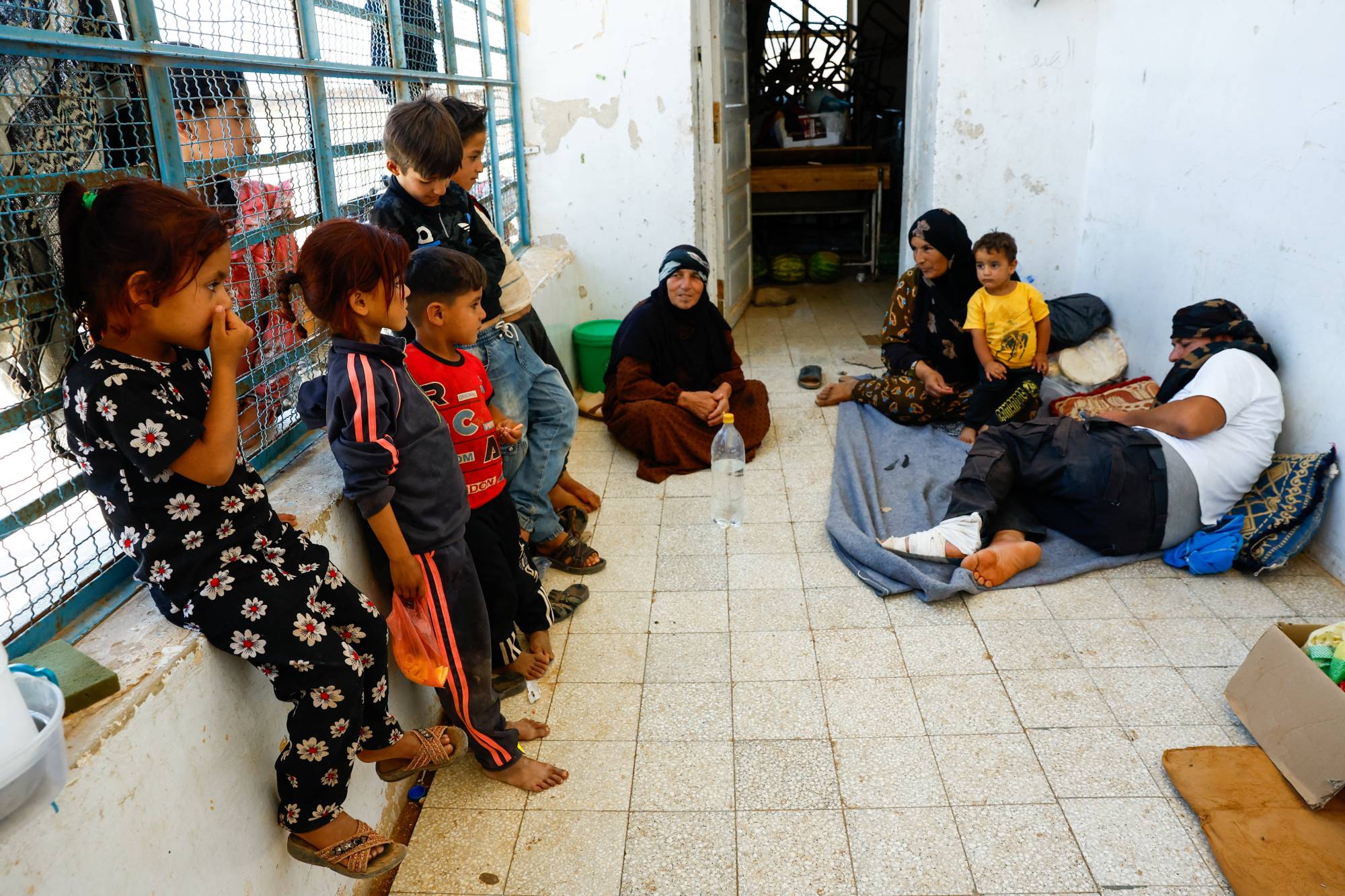
Chapter 5 — Women, Children and the Trauma of Displacement
Armed conflict is often described through military movements, political decisions and casualty figures.
But the consequences extend far beyond the battlefield.
For women, children and elderly residents, the destruction of a village can mean the disappearance of an entire social world.
Schools close. Medical care becomes difficult to access. Families become separated. Neighbours who once relied on one another may no longer feel safe living together.
United Nations investigators documented reports of sexual violence, abductions and disappearances during the Suwayda escalation.
The full extent of these crimes remains difficult to establish, and not every allegation circulated online has been substantiated.
The March 2026 United Nations report specifically warned that misinformation and fabricated claims had contributed to fear and hatred.
That distinction matters.
Victims deserve serious investigations, not sensationalism.
The displacement crisis has also continued long after the most intense fighting ended.
According to the United Nations Commission of Inquiry, approximately 155,000 people, predominantly from devastated Druze villages, remained unable to return home eight months after the July violence.
Almost the entire local Bedouin population had also been forcibly displaced from areas under Druze armed-group control.
The consequences of such displacement are profound.
A family may survive an attack but lose its home, income, documents, access to education and connection to its community.
For many survivors, the struggle does not end when the shooting stops.
It begins again with the question of how to rebuild a life.
Chapter 6 — What About Syria's Christians?
Although the July violence primarily affected Druze and Bedouin communities, the insecurity in southern Syria also raised serious concerns among Christians and other religious minorities.
Christian communities have existed in Syria for nearly two thousand years and form an important part of the country's historical and cultural identity.
Their churches, monasteries and traditions are woven into the region's history.
Years of war, economic hardship, displacement and insecurity have already placed enormous pressure on these communities.
The violence in Suwayda reinforced fears about whether Syria's political transition could provide effective protection for all religious groups.
The United Nations Commission of Inquiry reported that Christians and other communities in the province continued to experience insecurity and fear of renewed violence.
It is important, however, to distinguish those documented concerns from claims that Christians experienced the same scale or pattern of killings as the Druze during the July attacks.
The available investigations do not establish such equivalence.
What the events do demonstrate is a broader challenge facing Syria.
A government cannot claim to represent a united country while sections of its population remain afraid that their religion may determine whether they are protected.
Religious freedom is not merely the right to practise a faith privately.
It also requires the ability to live, work, worship and raise children without fear of persecution.
Chapter 7 — Israel's Intervention and the Regional Dimension
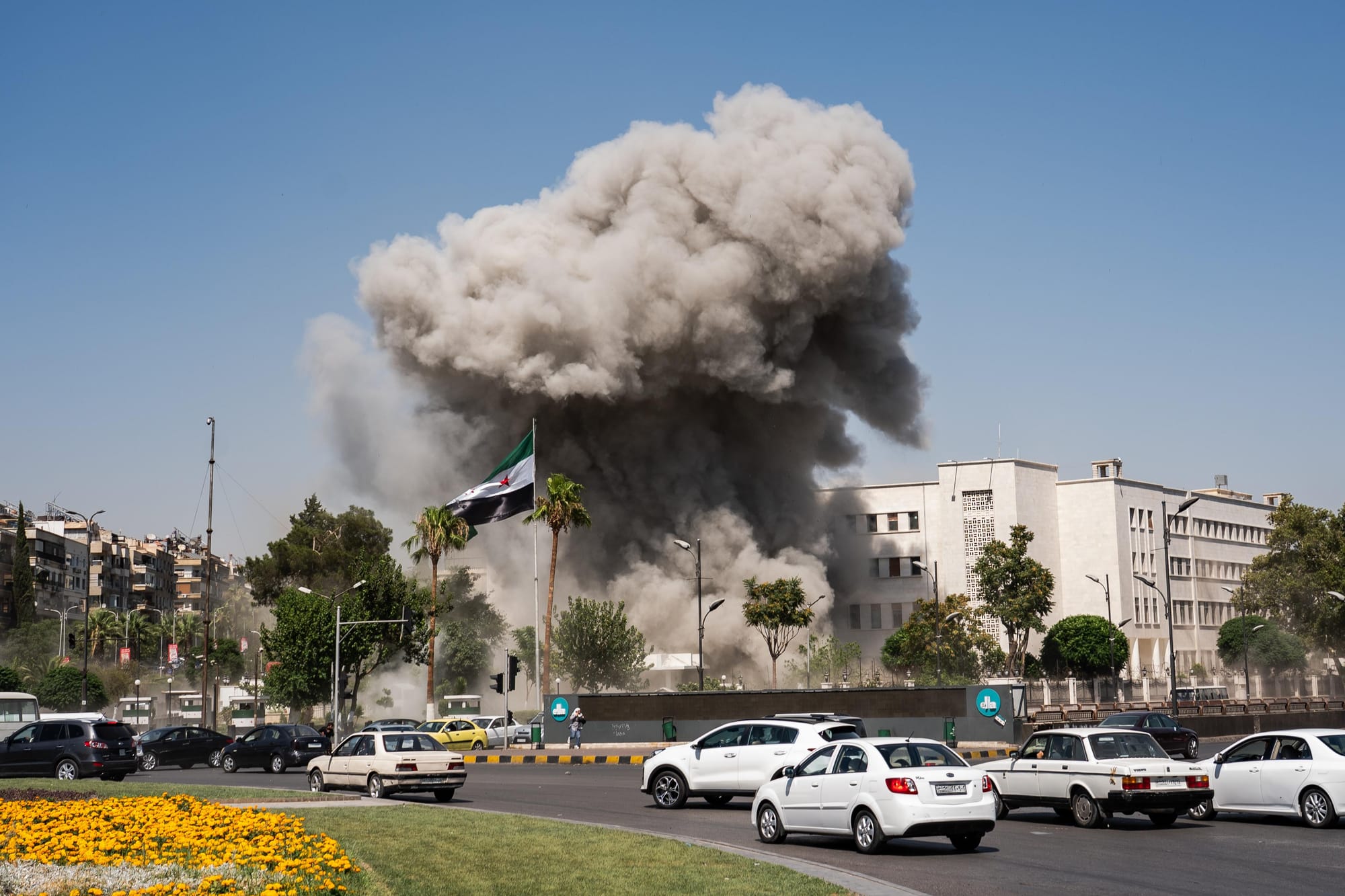
The violence in Suwayda also drew Israel directly into the crisis.
Israel has its own Druze population, whose members have longstanding social and family connections with Druze communities across the region.
Israeli officials described their military intervention as an effort to protect Druze civilians and prevent hostile armed forces from operating near Israel's borders.
Israeli aircraft struck targets in Syria, including locations in Suwayda and Damascus.
The intervention, however, remains politically and legally contested.
The United Nations Commission of Inquiry concluded that Israeli military actions caused casualties and contributed to instability, while also intensifying accusations against Druze leaders accused of cooperating with Israel.
This created an additional danger for civilians.
Druze communities could be portrayed as collectively responsible for the actions of a foreign government, regardless of their individual political views.
Such accusations risk turning an already vulnerable minority into a target of suspicion and retaliation.
At the same time, the suffering of Druze civilians cannot be dismissed simply because Israel chose to intervene.
The protection of civilians must remain a responsibility of the Syrian state and all armed actors operating within its territory.
Human rights should not depend on which government supports a community or which political side claims to defend it.
Chapter 8 — Who Is Responsible?
The findings of international investigators make one point unmistakable.
Responsibility for the violence cannot be assigned exclusively to one community.
The United Nations, Human Rights Watch and Amnesty International documented serious abuses involving government forces, affiliated fighters and non-state armed groups.
The March 2026 United Nations investigation found that some violations may amount to war crimes and that certain attacks could constitute crimes against humanity if the necessary legal elements are established.
These are serious findings requiring independent investigation and accountability.
Syrian authorities have announced investigations and arrests involving security personnel.
However, questions remain about the independence, transparency and scope of those investigations, particularly concerning senior commanders and the responsibility of institutions.
Accountability must extend beyond the individuals who directly carried out attacks.
It must examine who gave orders, who enabled the violence, who failed to intervene and whether officials acted to prevent foreseeable atrocities.
The same standards must apply to Druze armed groups responsible for abuses against Bedouin civilians.
Justice cannot be selective.
If one community's suffering is recognised while another community's suffering is ignored, the conditions for future violence remain.
Chapter 9 — The Villages That Cannot Yet Rebuild
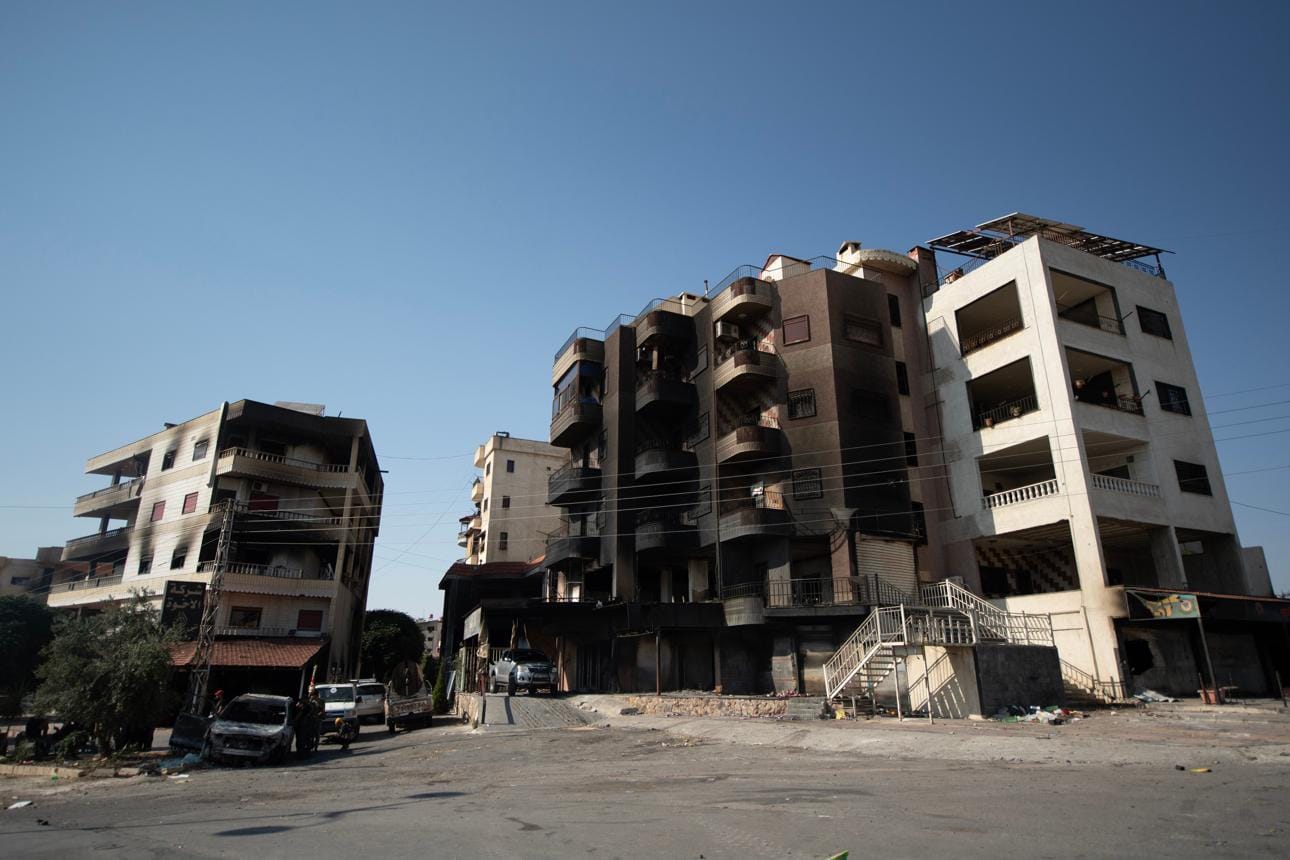
A destroyed village is more than a collection of damaged buildings.
It is a place where generations have lived, celebrated weddings, buried relatives and preserved their traditions.
When families are forced to flee, they leave behind more than possessions.
They leave behind memories and a sense of permanence.
The destruction documented in Suwayda included homes, businesses and religious sites.
For displaced residents, returning may involve significant dangers.
Some homes are no longer habitable. Other properties have been looted or occupied. Movement between areas controlled by different armed groups remains difficult.
The European Union Agency for Asylum reported in July 2026 that displacement and insecurity continued to affect the province.
Reconstruction will require more than financial assistance.
Residents need security guarantees, functioning institutions, access to essential services and credible mechanisms for resolving property disputes.
They also need confidence that those responsible for atrocities will not be permitted to repeat them.
Without these conditions, rebuilding walls will not rebuild trust.
Chapter 10 — Why Has the World Struggled to Pay Attention?
The Middle East has experienced multiple overlapping crises.
War in Gaza, tensions involving Iran, conflict in Lebanon, instability in Syria and other regional developments have competed for international attention.
Within this environment, the suffering of smaller communities can struggle to remain visible.
The Druze are one such community.
Their history is not widely understood by many European audiences, and their experiences are often presented only through the political interests of larger regional powers.
But the question should not be whether a community is large enough to attract international attention.
The question should be whether civilians are being protected.
The United Nations investigation into Suwayda provides substantial evidence of serious abuses.
Its findings deserve sustained scrutiny, not merely brief coverage during moments of particularly shocking violence.
Independent journalism has a responsibility to examine what happened, identify reliable evidence and ensure that the voices of affected civilians are not lost.
That responsibility includes listening to Druze survivors, Bedouin families, Christian residents and others whose lives have been shaped by the violence.
It also requires challenging misinformation, including false claims that may deepen hatred between communities.
The purpose of reporting should not be to turn suffering into political ammunition.
It should be to make suffering visible, understandable and impossible to dismiss.
Chapter 11 — Can Reconciliation Still Be Possible?
Reconciliation is often presented as a simple aspiration.
In reality, it is one of the most difficult processes a society can undertake after communal violence.
How does a family return to a village where relatives were murdered?
How do neighbours rebuild relationships after armed groups have attacked one another?
How can trust be restored when people believe the authorities failed to protect them?
There are no easy answers.
Reconciliation cannot be imposed through political speeches or symbolic meetings.
It requires truth, accountability, recognition of victims and guarantees that violence will not recur.
It also requires acknowledging that no religious community speaks with one political voice.
Not every Druze resident supports the same leaders.
Not every Bedouin resident supports the actions of armed tribal fighters.
Not every Muslim, Christian or member of another community shares the political positions attributed to them.
Treating entire populations as responsible for the actions of individuals is one of the mechanisms through which sectarian violence spreads.
The future of Suwayda depends partly on breaking that cycle.
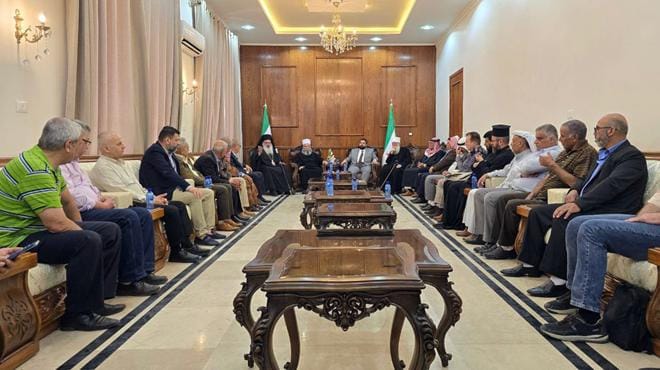
Civil society organisations, religious leaders, humanitarian workers and community representatives may all have roles to play in rebuilding dialogue.
But reconciliation must never become an excuse to avoid justice.
Peace without accountability risks becoming little more than a temporary silence.
Chapter 12 — The Responsibility to Remember
The violence in Suwayda is a reminder that religious persecution and communal hatred are not distant historical problems.
They remain present realities.
A community can preserve its identity for centuries and still find its future threatened within days.
A village can survive generations of political change and then be destroyed during a single wave of violence.
For the survivors, the question is not simply whether the world remembers what happened.
It is whether remembering will lead to meaningful action.
The Druze deserve security, justice and the freedom to preserve their traditions.
Bedouin families who suffered unlawful attacks and displacement deserve those same protections.
Christian communities and every other minority in Syria deserve to live without fear.
The responsibility of the international community is not to choose which civilians are worthy of concern.
It is to defend the principle that every civilian life has equal value.
The events in Suwayda must be investigated fully, those responsible must be held accountable, and displaced families must be given a genuine opportunity to return safely.
Because when the suffering of one community is ignored, the protection of every community becomes weaker.
And when religious identity becomes a reason for violence, the consequences reach far beyond the borders of one country.
The villages of Suwayda must not become another forgotten chapter in the history of the Middle East.
Their stories deserve to be heard.
Their victims deserve justice.
And their surviving communities deserve a future in which their faith is no longer a reason to fear for their lives.
Sources & Further Reading
1. United Nations Human Rights Council — Independent International Commission of Inquiry on Syria
UN Syria Commission Releases Report on July Massacres and Other Grave Violations Committed in Suwayda
27 March 2026.
https://www.ohchr.org/en/press-releases/2026/03/un-syria-commission-releases-report-july-massacres-and-other-grave
2. Amnesty International
Syria: New Investigation Reveals Evidence Government and Affiliated Forces Extrajudicially Executed Dozens of Druze People in Suwayda
2 September 2025.
https://www.amnesty.org/en/latest/news/2025/09/syria-new-investigation-reveals-evidence-government-and-affiliated-forces-extrajudicially-executed-dozens-of-druze-people-in-suwayda/
3. Human Rights Watch
Syria: Accountability Lacking for Sweida Abuses
15 January 2026.
https://www.hrw.org/news/2026/01/15/syria-accountability-lacking-for-sweida-abuses
4. European Union Agency for Asylum (EUAA)
Syria: Security Situation — Territorial Control and Main Armed Actors
July 2026.
https://www.euaa.europa.eu/syria-security-situation/2132-territorial-control-and-main-armed-actors
5. Druze Spirit — Video Documentation
34 Druze Villages
Video highlighting the destruction of Druze communities in Suwayda, southern Syria. Shared through The Abrahamic Movement network and provided to Beyond the Lines with reported permission for editorial use.
Editorial Note
Beyond the Lines draws on United Nations investigations, international human rights organisations, official reports and audiovisual documentation to examine the violence in Suwayda.
The findings of independent investigators are distinguished from allegations, eyewitness accounts and material that has not been independently verified.
Our commitment is to accurate reporting, historical context and the protection of civilian voices, regardless of religious or political affiliation.
Beyond the Lines is an independent journalism platform dedicated to examining Israel, the Middle East and the human experiences behind political conflict. Our reporting seeks to provide historical context, verified information and perspectives from communities whose voices are often overlooked.