Egypt's Terror List Reaches Europe: The Muslim Brotherhood, Norwegian Mosques and the Questions Governments Must Answer
Egypt has placed 35 organisations on its terrorism lists, including one in Norway. What evidence exists, and how should Europe respond?

An Egyptian court has placed dozens of organisations and individuals on its terrorism lists, including an Islamic association operating one of Oslo's best-known mosques. The decision raises questions about international Islamist networks, European security oversight, religious freedom and the credibility of Egypt's counterterrorism system.
BEYOND THE LINES | IN-DEPTH | 12 November 2026
Estimated reading time: 15–18 minutes
The Story in Brief
On 10 November 2026, an Egyptian criminal court placed 35 organisations and 36 individuals on the country's terrorism lists for five years. Among those named was an Islamic association in Norway, identified in Norwegian reporting as Det Islamske Forbundet, the organisation behind Oslo's Rabita mosque.
The ruling also named religious associations, educational institutions and councils operating across Europe.
The decision comes amid renewed scrutiny of the Muslim Brotherhood, a movement Egypt has designated as terrorist since 2013.
However, important questions remain unanswered. What evidence supports the Egyptian court's allegations? Do the listed organisations maintain formal relationships with the Muslim Brotherhood? And should European governments treat the ruling as a security warning, a politically motivated measure, or potentially both?
The case exposes a difficult intersection between national security, religious freedom, political influence and the standards of evidence required before an organisation can legitimately be labelled terrorist.
Introduction — A Decision in Cairo, Questions Across Europe
On 10 November 2026, a decision by an Egyptian criminal court reached far beyond Egypt's borders.
The Cairo Criminal Court ordered 35 entities and 36 individuals to be placed on the country's terrorism lists for five years. The decision, associated with Case No. 11108 of 2026, was reported as having been published in Egypt's official gazette.
Among the organisations named were Islamic associations operating in France, Britain, Germany, Sweden, Denmark, the Netherlands and Norway, alongside several European religious and educational institutions.
In Norway, attention quickly turned to Det Islamske Forbundet, the organisation behind the Rabita mosque in central Oslo.
For Norwegian readers, the case carries an additional political dimension. Rabita is not an obscure institution operating outside public view. It is an established religious organisation whose activities have included engagement with Norwegian society and public institutions.
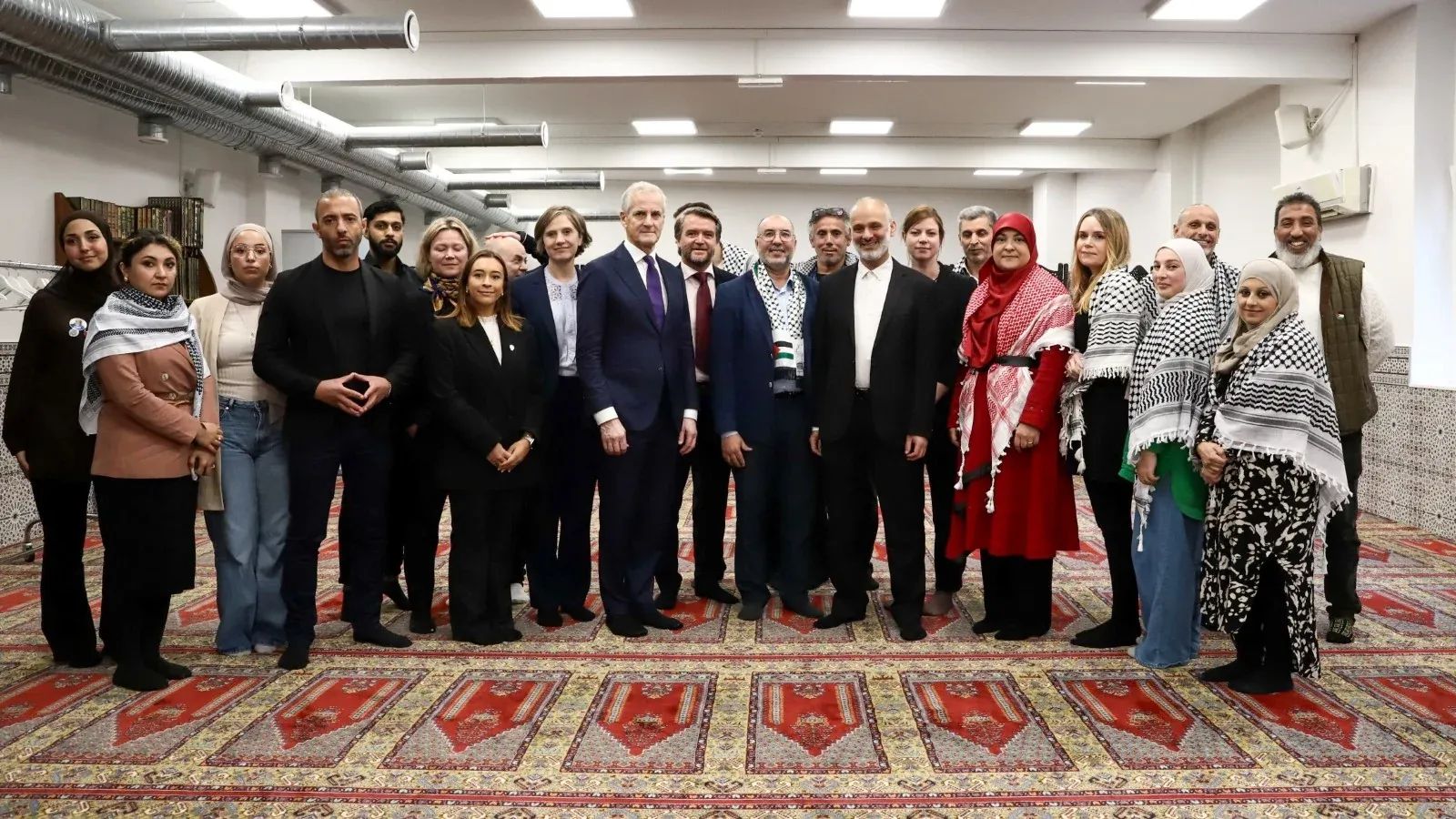
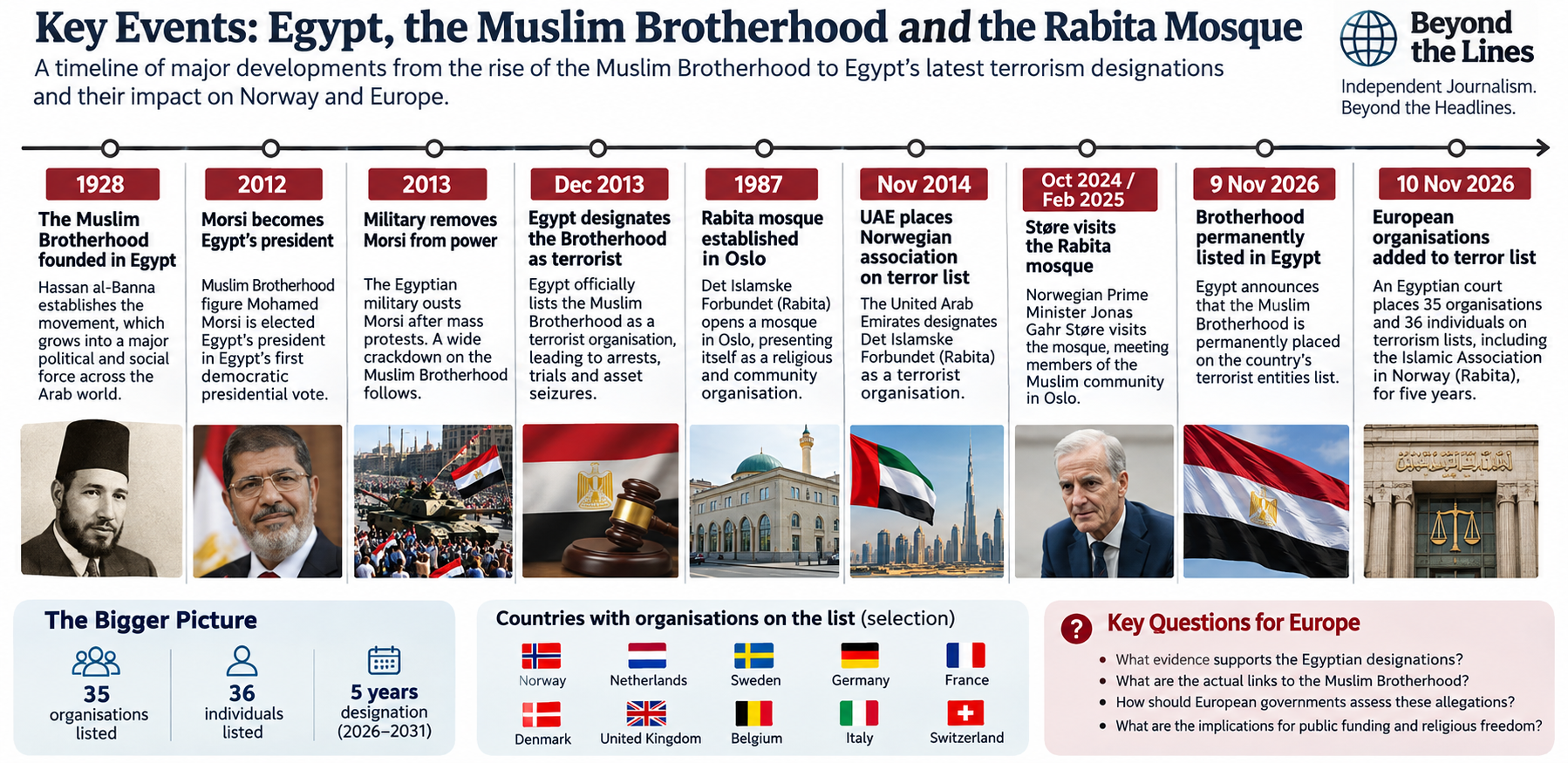
Prime Minister Jonas Gahr Støre visited the mosque in 2025, meeting members of the Muslim community.
Yet the Egyptian ruling has placed the organisation within a much wider international controversy concerning the Muslim Brotherhood, religious organisations and allegations of Islamist political influence.
The critical distinction is that a designation by an Egyptian court is not equivalent to a terrorism conviction in Norway or elsewhere in Europe.
The court decision has been reported by Egyptian state media. The evidential basis for the allegations against each individual European organisation requires further examination.
That distinction must remain central to any serious assessment of the case.
Chapter 1 — What the Egyptian Court Actually Decided
The ruling was issued by the Cairo Criminal Court and concerned 35 entities and 36 individuals.
Egypt's state news agency, the Middle East News Agency (MENA), reported that the designations would remain in force for five years.
The entities included national Islamic associations, European umbrella organisations, religious councils and educational institutions.
The individuals named included Ibrahim Farouk Mohamed al-Zayat, Anas Osama Tawfiq al-Tikriti and Hussein Mohamed Halawa.
The inclusion of an organisation or individual on Egypt's terrorism lists has legal consequences under Egyptian legislation. Depending on the designation, these can include restrictions on activities, financial transactions, property and travel.
However, the publicly available reporting on the November ruling does not provide a detailed account of the evidence against each organisation.
It therefore remains unclear whether every listed organisation is accused of direct participation in terrorism, financial support for a prohibited organisation, organisational affiliation or another form of conduct prohibited by Egyptian law.
These are materially different allegations.
The court's ruling establishes Egypt's legal position. It does not independently establish that all 35 organisations have engaged in violent activities.
Nor does it demonstrate that every institution named is part of a single centrally directed organisation.
For European authorities, those distinctions are essential. Intelligence assessments, criminal investigations and decisions concerning religious associations must meet the requirements of the relevant national and international legal frameworks.
Chapter 2 — Why Norway Is at the Centre of the Story
Rabita, associated with Det Islamske Forbundet, is an established mosque and Islamic community organisation in Oslo.
According to its own institutional history, the organisation was founded in 1987 as a mosque intended to serve Muslims regardless of national or ethnic background.
After operating from rented premises, it established a permanent location at Calmeyers gate 8 in 2004.
The mosque describes itself as a place for prayer, religious education, community activities and dialogue.
Its activities include programmes for young people, women, families and religious education, alongside cultural and social initiatives.
Rabita has also announced plans for a new mosque and community centre, incorporating educational and social facilities.
These activities form an important part of the organisation's public identity.
They also illustrate why an international terrorism designation can have consequences extending beyond the leadership of a religious institution.
Ordinary worshippers, volunteers, families and young people may find themselves associated in public debate with allegations that have not been individually established against them.
A History of International Scrutiny
The November 2026 decision is not the first time Rabita's parent organisation has appeared on a foreign terrorism list.
In November 2014, the United Arab Emirates included Det Islamske Forbundet in a broader designation of organisations it regarded as connected to Islamist extremism.
That earlier decision generated controversy in Norway.
More than a decade later, Egypt's latest ruling has renewed questions about the organisation's international associations.
Nevertheless, the existence of two foreign designations does not, by itself, prove that Rabita has committed a terrorist offence.
The two decisions may reflect overlapping security concerns, shared political positions or assessments based on related information.
Determining which explanation applies requires access to the underlying evidence.
The Norwegian Government's Relationship with Rabita
The visit by Prime Minister Jonas Gahr Støre in 2025 is relevant because it illustrates Rabita's position as a recognised participant in Norwegian civic life.
But a visit by a political leader should not be interpreted as an endorsement of every view held by an organisation or its representatives.
Nor does it establish that Norwegian authorities have approved, rejected or independently investigated allegations made by foreign governments.
The more important question is whether Norway's relevant authorities have assessed the organisation and, if so, what conclusions can lawfully be made public.
No verified Norwegian finding establishing Rabita's involvement in terrorism has been identified in the sources reviewed for this article.
Chapter 3 — The European Organisations Named by Egypt
The Egyptian ruling reaches across numerous European countries, creating a question that extends well beyond the Norwegian debate.
The published list includes organisations described as Islamic associations in Britain, France, Germany, Sweden, Italy, Switzerland, Belgium, Denmark, the Netherlands and several other countries.
It also includes transnational religious and educational bodies.
Among the institutions identified in Egyptian reporting are the Council of Muslims of Europe, the European Council for Fatwa and Research, the European Council of Imams and the European Institute of Human Sciences.
These organisations have different stated functions, ranging from religious guidance and education to community representation.
They should not automatically be treated as identical institutions or assumed to operate under the same governance structure.
Organisations Identified in Egyptian Reporting
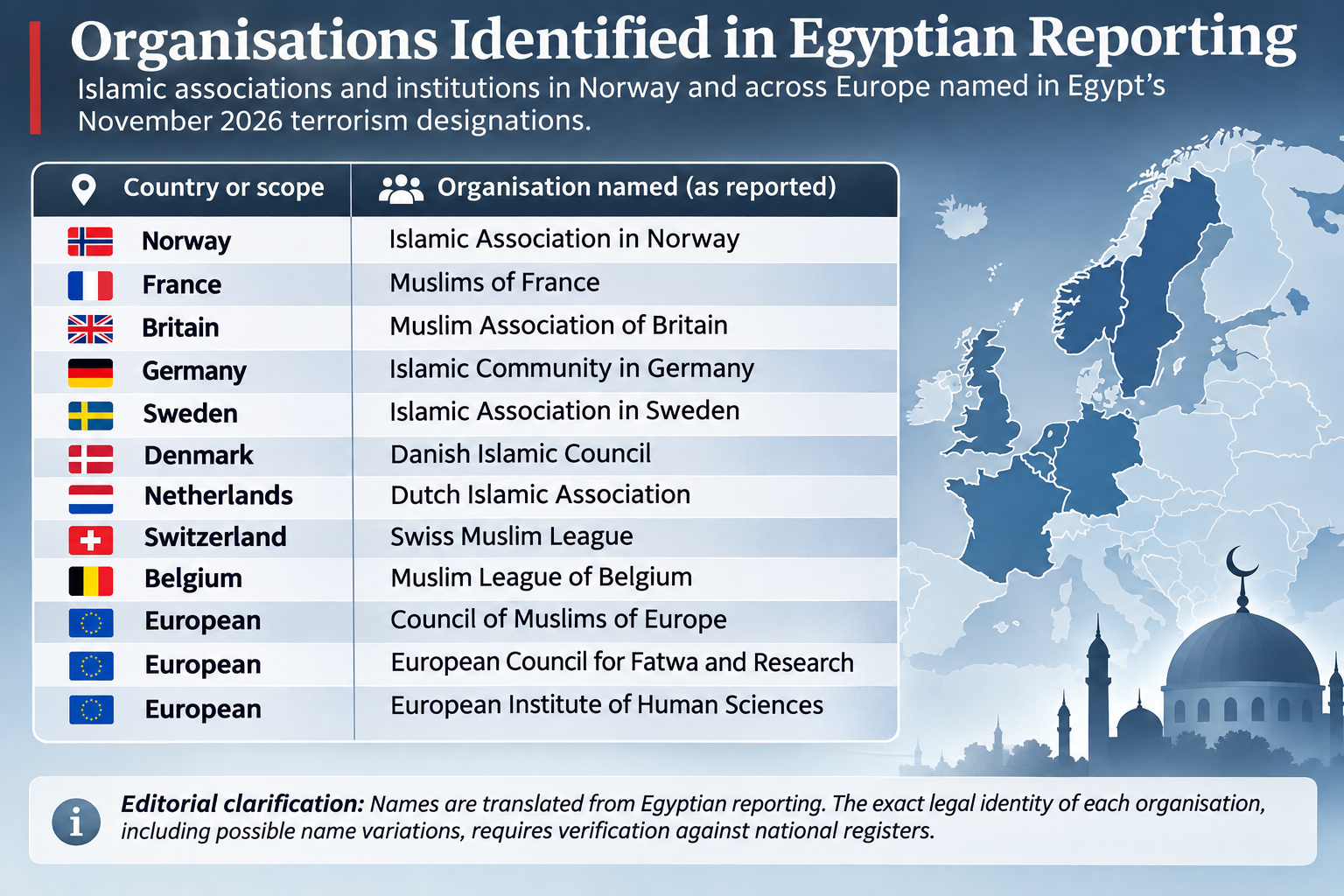
This distinction matters particularly when examining international religious networks.
An organisation may cooperate with another institution, attend the same conferences, share speakers or maintain similar theological positions without necessarily being subject to common financial or operational control.
Conversely, shared leadership, formal membership arrangements, coordinated funding and documented governance structures may demonstrate organisational relationships.
Establishing those relationships requires documentary evidence.
The Egyptian decision raises the question of whether such evidence exists. The available public summaries do not adequately answer it.
Chapter 4 — The Muslim Brotherhood: From Egypt to International Influence
To understand the significance of the November ruling, it is necessary to examine the movement at the centre of Egypt's longstanding political and security concerns.
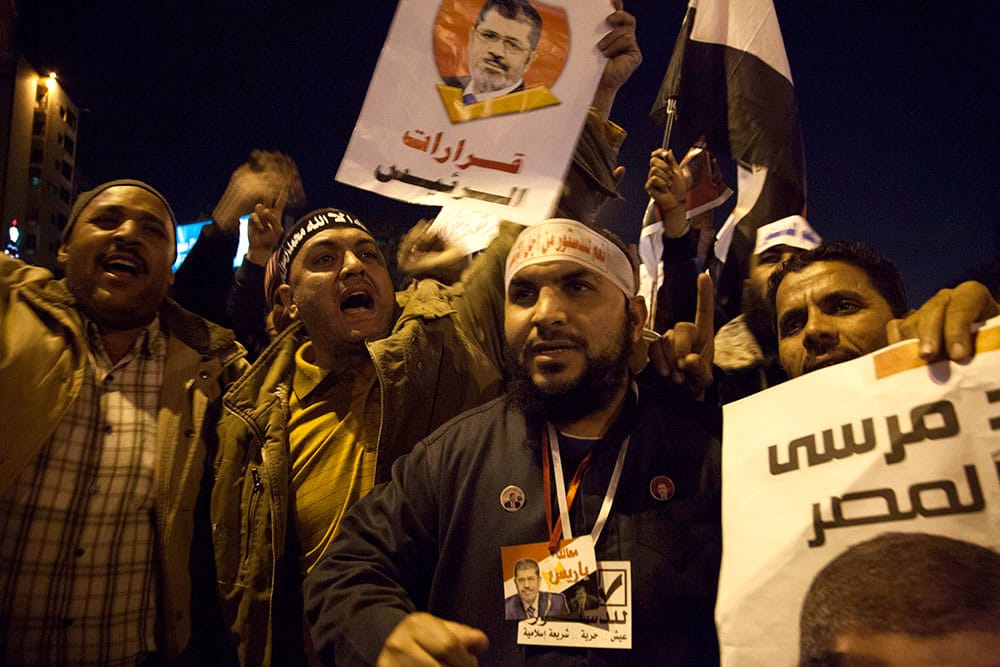
The Muslim Brotherhood was founded in Egypt in 1928 by Hassan al-Banna.
It began as a religious and social reform movement but developed into a major political force advocating a greater role for Islamic principles in public life and government.
Over subsequent decades, Brotherhood-inspired organisations and political movements emerged across the Middle East and beyond.
Their relationships have never been entirely uniform.
Some participated in elections and parliamentary politics. Others focused on religious education, charitable work and community organisation. Certain branches and associated individuals have been accused of supporting violence, while other Brotherhood-linked actors have rejected violent methods.
This diversity complicates attempts to describe the entire international movement as a single operational structure.
Egypt's Confrontation with the Brotherhood
The conflict between the Egyptian state and the Brotherhood intensified dramatically following the country's 2011 uprising.
Mohamed Morsi, a senior Brotherhood figure, became Egypt's first democratically elected civilian president in 2012.
In July 2013, the military removed him from office amid large protests against his government.
Abdel Fattah al-Sisi, then Egypt's defence minister, subsequently emerged as the country's dominant political figure and became president in 2014.
The Egyptian authorities launched a sweeping campaign against the Brotherhood and its supporters.
In December 2013, Egypt designated the organisation as terrorist.
The following years saw arrests, prosecutions, asset seizures and restrictions on organisations associated with the movement.
Egyptian authorities have presented these measures as necessary to protect national security and prevent extremist violence.
Human rights organisations have repeatedly challenged the fairness of the proceedings and warned that counterterrorism legislation has been used against political opponents.
A Further Decision in November 2026
On 9 November 2026, immediately before the European organisations were listed, Egyptian authorities announced that the Muslim Brotherhood had been permanently placed on the country's terrorist entities list.
The permanent designation followed earlier court decisions and altered the legal basis of the organisation's listing.
The timing is significant.
It suggests that the designation of European organisations forms part of a broader period of Egyptian legal action against the Brotherhood and organisations the Egyptian authorities consider connected to its international presence.
However, timing alone cannot establish that every organisation on the European list is formally controlled by the Brotherhood.
The precise nature of any alleged relationship must be assessed individually.
Chapter 5 — Political Islam, Extremism and Terrorism: Why Definitions Matter
One of the greatest challenges in reporting on the Muslim Brotherhood is the tendency to use several distinct concepts interchangeably.
Political Islam, Islamism, extremism and terrorism are related subjects, but they are not synonymous.
Political Islam generally refers to political movements and ideas that seek to give Islam a role in governance, legislation or public policy.
Islamism is a broader and sometimes contested term covering a range of ideologies, from participation in democratic politics to authoritarian religious programmes.
Violent Islamist extremism refers to ideologies that support or justify violence in pursuit of political or religious objectives.
Terrorism involves conduct defined under applicable law, including serious violence intended to intimidate populations or coerce governments for political or ideological purposes.
A religious organisation may hold conservative theological positions without advocating violence.
An organisation may also promote political ideas that conflict with liberal democratic principles without necessarily meeting the legal definition of a terrorist organisation.
At the same time, religious or charitable status does not automatically protect an organisation from legitimate scrutiny.
Where credible evidence suggests financing of violent groups, recruitment, incitement or operational support, authorities have a responsibility to investigate.
The determining factor should be evidence of conduct, not simply religious identity or ideological association.
Why This Distinction Matters in Europe
European democracies protect freedom of religion, expression and association.
These protections include the right to hold religious beliefs that others may find controversial.
They do not provide immunity for criminal activity or the financing of terrorism.
The challenge for governments is to distinguish lawful religious and political participation from activities that threaten public safety.
That distinction is especially important when foreign governments provide intelligence or request action against organisations operating in Europe.
Foreign intelligence can be valuable. But it must be assessed against the reliability of the source, the nature of the evidence and the legal standards of the receiving country.
Chapter 6 — What Do Norwegian Security Authorities Say About Islamist Extremism?
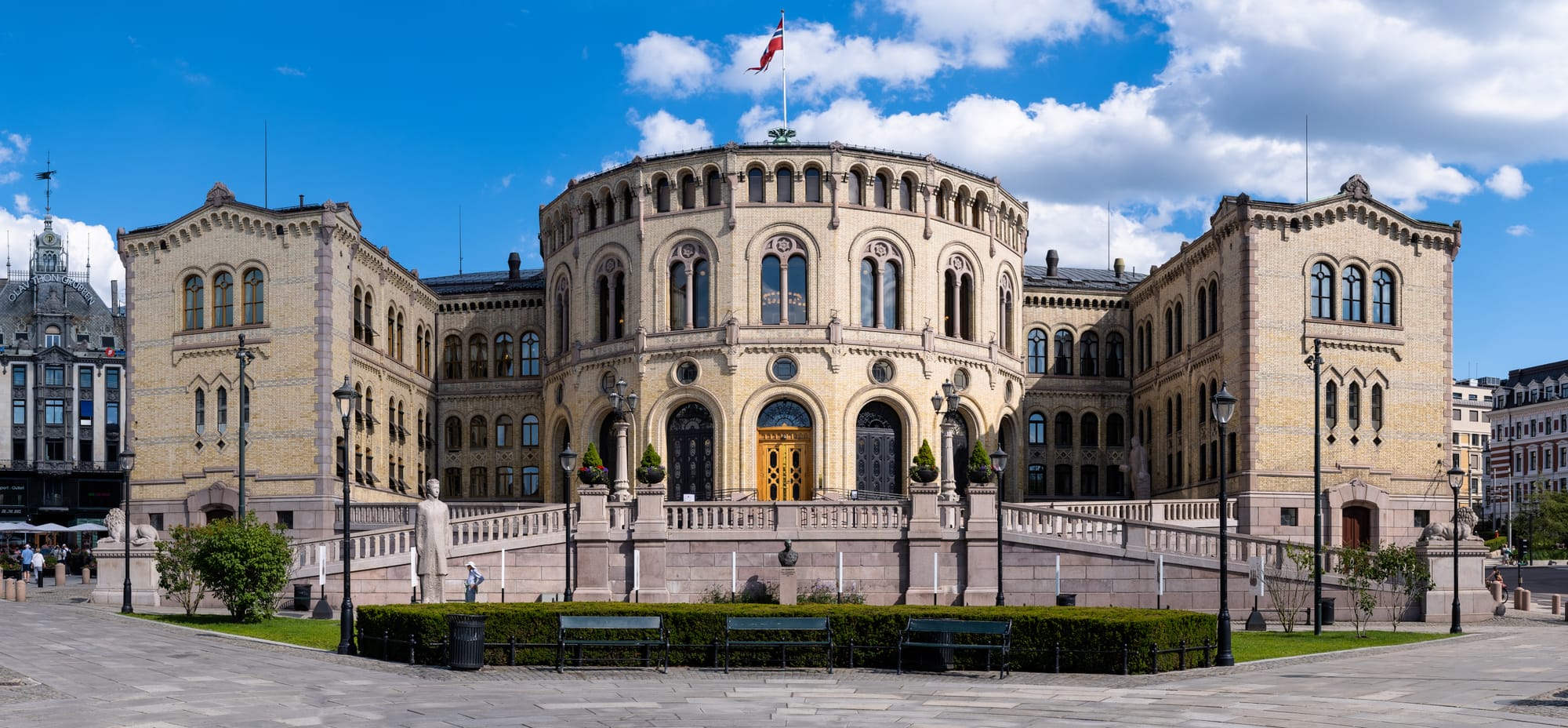
Norway's domestic security service, Politiets sikkerhetstjeneste (PST), has repeatedly identified violent Islamist extremism as a security concern.
Its National Threat Assessment for 2026 states that it is possible extremist Islamists will attempt terrorist attacks in Norway during the year.
The assessment also discusses the influence of international conflicts, online radicalisation and transnational extremist networks.
PST notes that some individuals in Norway have connections to extremist Islamist networks elsewhere in Europe and internationally.
Such networks can create opportunities for recruitment, ideological influence and, in some circumstances, operational assistance.
The assessment also identifies the possibility of financial support for terrorist activities abroad.
These findings establish that the Norwegian authorities recognise transnational violent Islamist extremism as a genuine security challenge.
They do not, however, establish that Rabita or any other particular organisation named in Egypt's November ruling is involved in terrorism.
The public threat assessment should not be used to imply an accusation that PST has not made.
The Question for Norwegian Authorities
Egypt's decision raises a legitimate question about whether Norwegian authorities have independently evaluated the information underlying the foreign designation.
That does not necessarily mean the authorities should publicly disclose intelligence assessments.
Security services may possess confidential information that cannot be released without compromising sources or investigations.
Nevertheless, the public interest in understanding how Norway assesses foreign terrorism designations is substantial.
An official clarification of the legal and administrative implications of the Egyptian decision would help distinguish established security concerns from political speculation.
Chapter 7 — Following the Money: Funding, Foreign Influence and Transparency
The financing of religious organisations is another important dimension of the story.
Religious communities across Europe may receive money from membership contributions, individual donations, charitable foundations, public grants and, in some circumstances, foreign donors.
These arrangements are not inherently suspicious.
Financial transparency becomes a public-interest concern when questions arise about the identity of major donors, the purposes for which money is transferred or the possibility that funds are being redirected towards unlawful activities.
How Norway Funds Religious Communities
Norway provides public funding to eligible registered religious and belief communities outside the Church of Norway.
The system is designed to promote broadly equal financial treatment among religious communities.
Funding is linked to qualifying membership figures and subject to reporting requirements.
From January 2026, changes to the Norwegian legal framework increased the general minimum membership threshold for registration and eligibility for grants.
Religious communities must also comply with requirements concerning financial reporting and the use of public funds.
These arrangements create legitimate opportunities for public scrutiny.
However, the existence of public funding is not evidence that money has been used improperly.
Nor should foreign donations be assumed to constitute extremist financing without examining their origin, conditions and destination.
What Would a Meaningful Financial Investigation Require?
An investigation into the finances of organisations named in the Egyptian ruling would need to establish their precise legal identities and examine available annual accounts, grants, major donations and financial relationships.
For Rabita, relevant questions would include whether its published accounts disclose significant foreign contributions, whether it has financial relationships with other organisations on Egypt's list, and whether Norwegian regulators have identified any compliance concerns.
The answers cannot be inferred from the Egyptian designation alone.
At present, the sources reviewed for this article do not establish that Rabita has transferred money to a terrorist organisation.
Nor do they establish that Norwegian public grants have been diverted to extremist activities.
Those claims would require separate documentary evidence.
The Wider European Challenge
Cross-border financing is difficult to assess because organisations operate under different national laws and reporting requirements.
An association registered in one country may cooperate with a foundation in another.
Donations can pass through several institutions before reaching their intended recipients.
Such arrangements may be entirely legitimate.
They can also create vulnerabilities if oversight is weak.
For that reason, transparent accounting, consistent regulatory standards and cooperation between financial intelligence authorities remain important safeguards.
Chapter 8 — Can Egypt's Terrorism Lists Be Trusted?
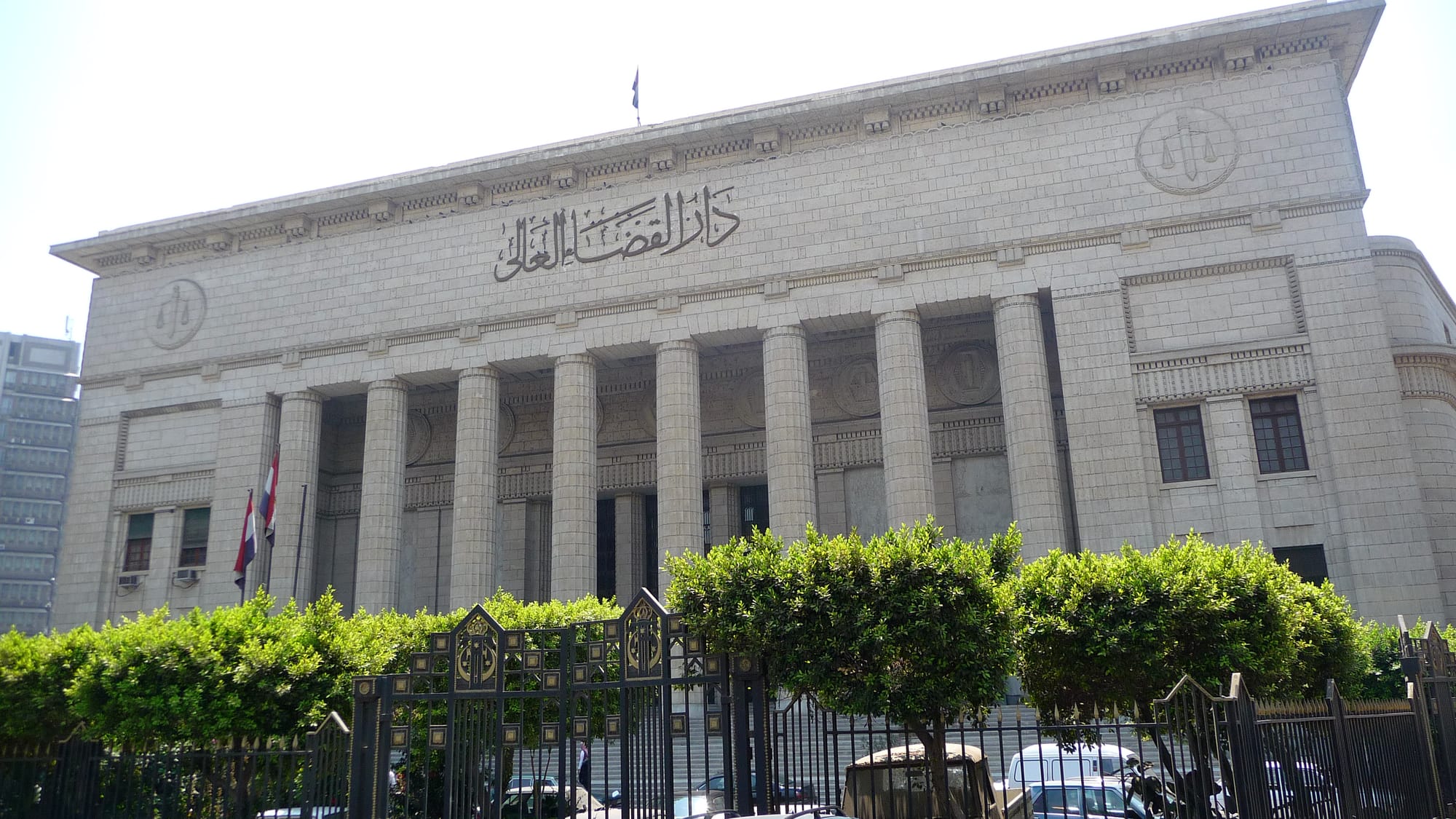
The Egyptian court's ruling cannot be assessed responsibly without considering the country's human rights record.
Under President Abdel Fattah al-Sisi, Egypt has faced extensive criticism concerning arbitrary detention, restrictions on political opposition, freedom of expression and the fairness of terrorism-related prosecutions.
Human Rights Watch and other international organisations have documented concerns about the use of counterterrorism legislation against peaceful critics and civil society representatives.
United Nations human rights experts have also raised questions about the procedures used to place individuals on terrorism lists.
In an October 2025 communication, UN experts expressed concern about deficiencies in notice, legal representation and due process associated with Egyptian terrorism listings.
These concerns are directly relevant to the November 2026 decision.
A Legal Designation Is Not the Same as Independently Established Guilt
A court decision may have binding legal consequences within the country where it is issued.
But its existence does not necessarily demonstrate that the underlying proceedings met internationally recognised standards of fairness.
This is particularly important when a foreign designation may damage an organisation's reputation, financial relationships or ability to operate.
European governments must therefore consider not only what Egypt alleges, but how the allegations were established.
Were the organisations informed of the proceedings?
Were they able to challenge the evidence?
What specific conduct was attributed to each institution?
Were the findings based on documented financial transactions, intelligence assessments, organisational relationships or broader political associations?
The public summaries of the ruling do not provide sufficient information to answer these questions.
Why Egypt's Concerns Should Not Automatically Be Dismissed
Criticism of Egypt's judicial system does not mean every security allegation made by its authorities is necessarily false.
Egypt has experienced serious terrorist violence, including attacks against civilians, security personnel and religious minorities.
The state has legitimate security responsibilities.
The difficulty lies in distinguishing credible evidence of terrorism from measures directed at political opposition or organisations associated with disfavoured ideologies.
Both possibilities deserve examination.
An independent assessment must neither accept the Egyptian allegations uncritically nor dismiss them solely because they originate from Cairo.
Chapter 9 — Public Funding and the Question of Accountability in Norway
The issue of financial transparency has already attracted attention in Norway for reasons separate from the Egyptian ruling.
In September 2026, Norwegian media reported that Conservative Party parliamentarian Mahmoud Farahmand had discovered he was registered as a member of Det Islamske Forbundet despite maintaining that he had never joined.
According to the reporting, his registration dated back approximately three decades.
Rabita acknowledged that Farahmand had been registered and that public funding had been received on the basis of his membership.
The case raised questions about the accuracy of religious membership registers and the mechanisms used to distribute public subsidies.
According to figures reported at the time, Rabita had 4,344 approved members for the 2026 funding calculation, corresponding to approximately seven million Norwegian kroner in public support.
These figures concern the general religious-community funding system and should not be confused with allegations of terrorism financing.
The distinction is important.
An incorrectly registered member can indicate a problem involving administrative controls, consent or the proper allocation of public money.
It does not establish that the organisation is involved in violent extremism.
Nevertheless, the controversy illustrates why independent financial oversight matters.
Norwegian taxpayers are entitled to expect that grants are distributed according to the law and that religious communities maintain accurate membership records.
Religious organisations, in turn, are entitled to fair treatment and should not face accusations unrelated to the actual findings of financial or administrative investigations.
The broader question is whether Norway's existing oversight arrangements provide sufficient transparency without imposing disproportionate restrictions on religious freedom.
Chapter 10 — Europe's Different Approaches to the Muslim Brotherhood
The Muslim Brotherhood has long presented a difficult policy question for European governments.
The movement's historical development, decentralised international relationships and varied political activities make it difficult to apply a single description to every organisation associated with its ideas.
Some governments have treated Brotherhood-related organisations primarily as a security concern.
Others have focused on political influence, integration, foreign funding and the relationship between religious organisations and democratic institutions.
These approaches reflect different legal systems, historical experiences and assessments of risk.
The European Union's Legal Framework
The European Union maintains a framework for designating individuals and organisations involved in terrorism.
Council Common Position 2001/931/CFSP establishes criteria concerning participation in, facilitation of or involvement in terrorist acts.
Decisions must be assessed under the relevant European legal framework.
An Egyptian court ruling does not automatically place an organisation on the European Union's terrorism list.
Nor does it automatically prohibit an organisation from operating in Norway.
Any European action would require a separate legal basis and assessment.
International Scrutiny Is Increasing
The Egyptian decision also follows developments outside Europe.
In November 2025, the United States issued an executive order initiating a process to assess the designation of specified Muslim Brotherhood branches.
In January 2026, the US Treasury designated the Egyptian and Jordanian branches under its terrorism sanctions framework, alleging material support for Hamas.
These measures concerned specified branches rather than every organisation worldwide described as Brotherhood-linked.
This distinction is important when examining European associations.
The existence of sanctions against one branch cannot automatically establish wrongdoing by an organisation in another country.
Nevertheless, the developments demonstrate that the Brotherhood's international relationships have become an increasingly prominent issue in security policy.
What European Governments Must Establish
For governments considering action against a religious or political organisation, several questions are fundamental.
Does the organisation maintain formal membership in a prohibited network?
Is there documented financial support for terrorism?
Have its representatives engaged in recruitment, operational assistance or incitement to violence?
Does the available evidence establish conduct that meets the relevant legal threshold?
And can the organisation challenge the evidence through a fair and independent process?
These questions cannot be answered simply by identifying similarities in religious ideology.
They require documented facts.
Chapter 11 — The Human Consequences of a Terrorism Designation
International terrorism designations have consequences beyond courts and government ministries.
For members of a religious community, such decisions may affect their sense of security, public reputation and willingness to participate in civic life.
A mosque can serve many functions simultaneously.
It may be a place of worship, an educational institution, a meeting place for families and a centre for charitable activities.
Its members may hold widely differing political opinions.
When an organisation is publicly associated with terrorism, those distinctions can disappear in public debate.
This creates a risk of collective suspicion.
Ordinary Muslims should not be treated as responsible for allegations against an organisation's leadership, just as the actions of any religious or political institution should not automatically be attributed to every member of its community.
At the same time, concern about discrimination must not prevent legitimate questions about organisational governance, financial accountability or extremist influence.
The principles are compatible.
Religious freedom protects peaceful belief and worship.
The rule of law requires credible allegations of criminal activity to be investigated.
Public accountability demands that organisations receiving state support comply with applicable regulations.
And responsible journalism requires that allegations are not presented as established facts without supporting evidence.
The Responsibility of Political Leaders
Political leaders face a particularly difficult challenge.
Engagement with religious communities is an important part of democratic governance.
Such engagement can strengthen trust, encourage participation and help prevent social isolation.
But public institutions also have a responsibility to exercise appropriate scrutiny when credible security concerns arise.
Neither automatic endorsement nor automatic exclusion provides an adequate response.
Governments must be capable of maintaining dialogue while independently assessing risk.
Chapter 12 — What Remains Unanswered?
The Egyptian decision has created a substantial public-interest issue, but several central questions remain unresolved.
First, the complete evidential basis for the designation of the European organisations has not been established through the publicly accessible summaries reviewed for this article.
Second, the precise organisational relationships between the listed institutions and the Muslim Brotherhood have not been independently demonstrated in every case.
Third, it remains unclear whether the Norwegian authorities have conducted a specific assessment of the November ruling or requested further information from Egypt.
Fourth, the financial relationships between the listed organisations require examination through verified accounts, corporate registers and other documentary sources.
Finally, the legal consequences outside Egypt remain distinct from those imposed under Egyptian law.
These gaps are not minor technical details.
They determine whether the ruling should be understood primarily as a credible warning about international extremist networks, an extension of Egypt's campaign against political Islam, or a combination of security concerns and political objectives.
A complete answer may differ from one organisation to another.
That is why the 35 entities should be examined individually rather than treated as a single undifferentiated group.
What This Means — A Test of European Security and Democratic Principles
The November 2026 ruling presents European governments with a challenge that cannot be resolved through political slogans.
Ignoring foreign security warnings without examination would be irresponsible.
Accepting foreign terrorism designations without independent scrutiny would be equally problematic.
European governments must assess the available evidence, examine relevant financial and organisational relationships, and determine whether any conduct violates their own laws.
Norway has a particular reason to seek clarity because an established religious institution in its capital has been named.
The case also raises broader questions about the transparency of public funding and the oversight of organisations that operate across national borders.
Those questions are legitimate regardless of the religious identity of the institutions involved.
The objective should not be to stigmatise Muslim communities.
It should be to ensure that public institutions, religious organisations and security authorities operate within a framework of accountability, equal treatment and the rule of law.
Conclusion — Beyond the Terror List
Egypt's decision to designate 35 organisations and 36 individuals has brought a longstanding geopolitical dispute into the European public sphere.
For Norway, the inclusion of the organisation behind Rabita mosque makes the issue immediate and politically sensitive.
For Europe, the ruling raises questions about transnational religious networks, political influence, financial transparency and the reliability of intelligence supplied by foreign governments.
For Egypt, it represents another step in its campaign against organisations it associates with the Muslim Brotherhood.
But the existence of a terrorism list is not the end of the investigation.
It is the beginning of a series of questions that require evidence, legal scrutiny and independent examination.
If credible evidence of terrorist financing or operational support exists, it should be investigated and addressed through lawful procedures.
If organisations have been designated because of political association rather than proven criminal conduct, that distinction must be exposed.
Both possibilities matter.
The central question is not simply why Egypt has placed European organisations on its terrorism lists. It is what the evidence actually demonstrates — and whether European governments are prepared to examine it independently.
For Beyond the Lines, that is where the story goes beyond the headlines.
Sources & References
- Middle East News Agency (MENA), 10 November 2026 — Egyptian court designation of European organisations and individuals.
https://mena.org.eg/ar/news/open-egypt-adds-council-muslims-ac78d69c-6791-428f-b1b7-1e89c954ac1f - Ahram Online, 10 November 2026 — Egyptian court ruling and publication details.
https://english.ahram.org.eg/ - Egypt Today, 10 November 2026 — Reporting on the organisations and individuals named.
https://www.egypttoday.com/ - iNyheter, 12 November 2026 — Oslo mosque and the Egyptian terrorism list.
https://inyheter.no/12/11/2026/oslo-moske-havnet-pa-terrorliste/ - Rabita — Official information about the organisation and its history.
https://www.rabita.no/om-oss/ - Norwegian Police Security Service (PST) — National Threat Assessment 2026.
https://www.pst.no/ - Norwegian Government — Registration, funding and membership verification of religious communities.
https://www.regjeringen.no/ - iNyheter, 25 September 2026 — Reporting on membership registration and public subsidies.
https://inyheter.no/25/09/2026/moske-skandalen-vokser-na-er-jeg-forbanna/ - Human Rights Watch — World Report 2025: Egypt.
https://www.hrw.org/world-report/2025/country-chapters/egypt - United Nations Human Rights Office — Special Procedures communications concerning Egypt.
https://spcommreports.ohchr.org/ - European Union — Council Common Position 2001/931/CFSP on terrorism-related restrictive measures.
https://eur-lex.europa.eu/eli/compos/2001/931/2024-01-16/eng - The White House, November 2025 — Executive order concerning specified Muslim Brotherhood branches.
https://www.whitehouse.gov/presidential-actions/2025/11/designation-of-certain-muslim-brotherhood-chapters-as-foreign-terrorist-organizations-and-specially-designated-global-terrorists/
Editorial Note
This article is based on publicly available official statements, government documents, human rights reporting and contemporary news coverage reviewed on 12 November 2026.
The reported scope of the Egyptian court ruling has been checked against Egyptian news reporting. The complete underlying evidential case has not been independently reviewed.
Beyond the Lines has not independently established that Rabita or every other European organisation named in the ruling has engaged in terrorist activity.
No direct interviews were conducted for this article, and no original financial audit was undertaken. The organisations concerned have not yet been approached by Beyond the Lines for comment. Their responses should be sought before publication of any further allegations.
This article is therefore classified as IN-DEPTH rather than an original investigation.
Beyond the Lines — Independent Journalism. Beyond the Headlines.