The Girls Who Never Had a Childhood
For millions of girls, childhood ends with a wedding. Beyond the Lines investigates child marriage across the Middle East, the laws and traditions behind it, and the fight for education, freedom and a future of their own.
Child Marriage, Lost Education and the Fight for Freedom
Beyond the Lines | Investigative Report | November 2026
Short Story — The Wedding Dress That Replaced a School Uniform
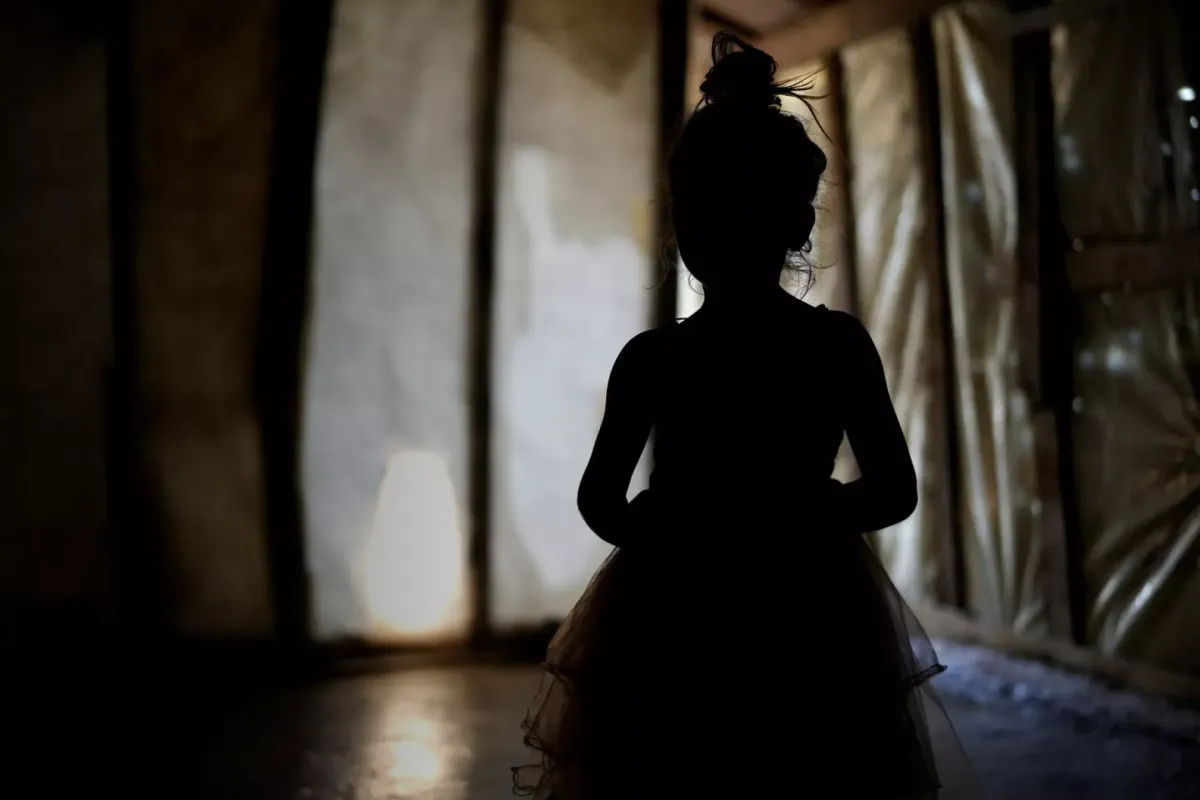
The dress is white. The room is full of people. Everyone tells her she looks beautiful.
But she is only thirteen.
Yesterday, she was a schoolgirl. She carried books, laughed with friends and worried about examinations. Today, she is expected to become a wife.
The women around her adjust her dress. Relatives offer congratulations. Someone tells her that she is fortunate to have a husband who can provide for her.
Nobody asks what she wanted to become.
She remembers telling her mother that she wanted to be a teacher. She wanted to stand in front of a classroom, write on a blackboard and help other children learn.
Now, her schoolbooks are packed away.
She does not understand everything that marriage will require of her. She only knows that she is leaving her childhood behind.
When the celebrations end, the guests will return home. The music will stop. The wedding dress will be folded and put away.
And a child will be expected to live the life of an adult.
This opening is a fictional, illustrative scene based on documented patterns of child marriage. It does not represent an actual interview or the experience of one identified girl.
Introduction — When Childhood Is Taken Away
Childhood should be a time of discovery, education, friendship and possibility.
For millions of girls, however, childhood ends not with a graduation or an eighteenth birthday, but with a marriage arranged before they are ready to understand its consequences.
Across the Middle East and North Africa, child marriage remains a serious human rights concern. The practice exists in wealthy and impoverished communities, in rural villages and urban neighbourhoods, and in countries with very different legal and religious traditions.
Its causes are complex.
Poverty can make marriage appear to offer financial security. Conflict can destroy educational opportunities. Displacement can leave families fearing for their daughters' safety. Social expectations may place enormous pressure on girls to marry early.
In some communities, religious interpretations and customary practices are invoked to justify marriages involving minors. In others, legal loopholes allow marriages to take place despite national minimum-age requirements.
But behind these explanations are children whose opportunities may be permanently altered.
According to UNICEF's February 2022 regional assessment, approximately 40 million women and girls living in the Middle East and North Africa had married before turning eighteen. The organisation estimated that approximately 700,000 girls entered child marriage annually across the region.
These are regional estimates from 2022, not newly measured figures for 2026.
The consequences reach beyond individual households. Child marriage affects education, maternal health, economic participation, child protection and the prospects of future generations.
This investigation examines the countries where the problem remains significant, the laws intended to protect children, the circumstances that sustain early marriage and the efforts being made to change its course.
It also addresses an uncomfortable question.
When a society accepts the marriage of a child, whose interests are being protected — and whose future is being sacrificed?
Chapter 1 — A Global Problem Hidden Behind Tradition
Child marriage is internationally understood as a formal marriage or informal union involving a person under the age of eighteen.
Although boys can also marry as children, girls are disproportionately affected.
UNICEF's global research has documented hundreds of millions of women and girls who were married before adulthood.
The practice is not confined to the Middle East. It also occurs in South Asia, sub-Saharan Africa, Latin America and elsewhere.
Understanding this broader context is important because child marriage cannot accurately be attributed to one religion, nationality or culture.
Its prevalence varies considerably between countries and communities.
A girl's risk may depend on her family's income, her educational opportunities, the laws of her country, the availability of social protection and the stability of the society in which she lives.
The consequences can be severe.
Marriage may interrupt education and increase dependence on a husband or his family. Early pregnancy can expose adolescent girls to serious health risks. Girls married as children may have fewer opportunities to earn an independent income or leave an abusive relationship.
Child marriage is also closely connected to gender inequality.
Where boys are encouraged to study, work and build careers while girls are expected to marry and manage households, marriage can reinforce existing restrictions on female independence.
The central concern is not simply the age at which a wedding takes place.
It is the imbalance of power that can determine a child's future before she has had the opportunity to shape it herself.
Chapter 2 — Yemen: When Survival Becomes More Important Than Childhood
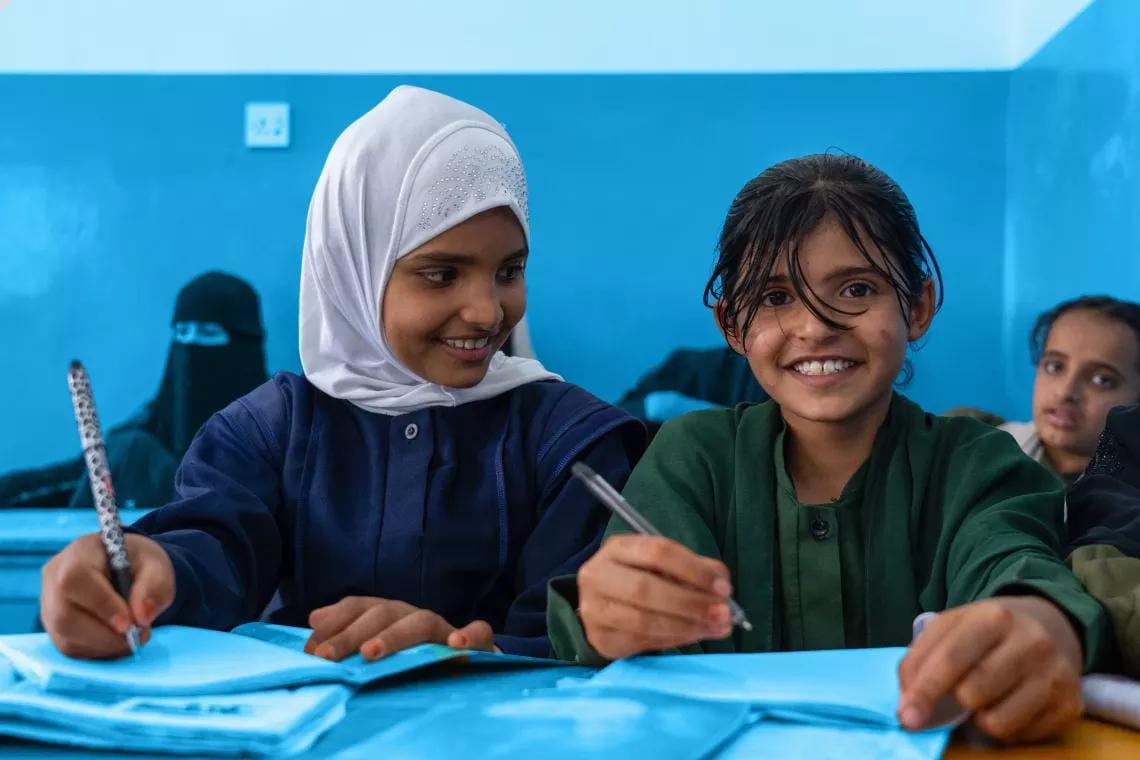
Yemen demonstrates how conflict and poverty can intensify the risk of child marriage.
Years of war have damaged schools, weakened healthcare services, displaced families and devastated economic opportunities.
According to UNICEF's 2024 country profile, approximately 30 percent of Yemeni women aged 20 to 24 had married before their eighteenth birthday.
Seven percent had married before reaching fifteen.
The same profile estimated that approximately 3.8 million women and girls living in Yemen had married before adulthood.
These figures describe experiences recorded in earlier survey periods; they should not be mistaken for a count of weddings conducted in 2026.
Yemen has also struggled with the absence of a clear statutory minimum marriage age.
For families experiencing severe poverty, marriage may be viewed as a way to reduce financial pressure.
A daughter may be married to a man believed capable of providing food, shelter or protection.
In some circumstances, financial arrangements connected to marriage can further influence family decisions.
Yet what is presented as security may expose a girl to new risks.
She may leave school permanently. She may become economically dependent on her husband. She may become pregnant while her body is still developing.
In communities affected by conflict, access to maternal healthcare may be extremely limited.
The consequences of early pregnancy can therefore become especially dangerous.
It would be inaccurate to suggest that every Yemeni family supports child marriage. Many parents, educators and local organisations oppose the practice and seek alternatives.
But families cannot always protect their daughters through good intentions alone.
They need functioning schools, economic opportunities, healthcare and legal protection.
When these systems collapse, girls become more vulnerable.
Yemen illustrates how the loss of security can become the loss of childhood.
Chapter 3 — Iraq: The Battle Over Marriage Laws and Women's Rights
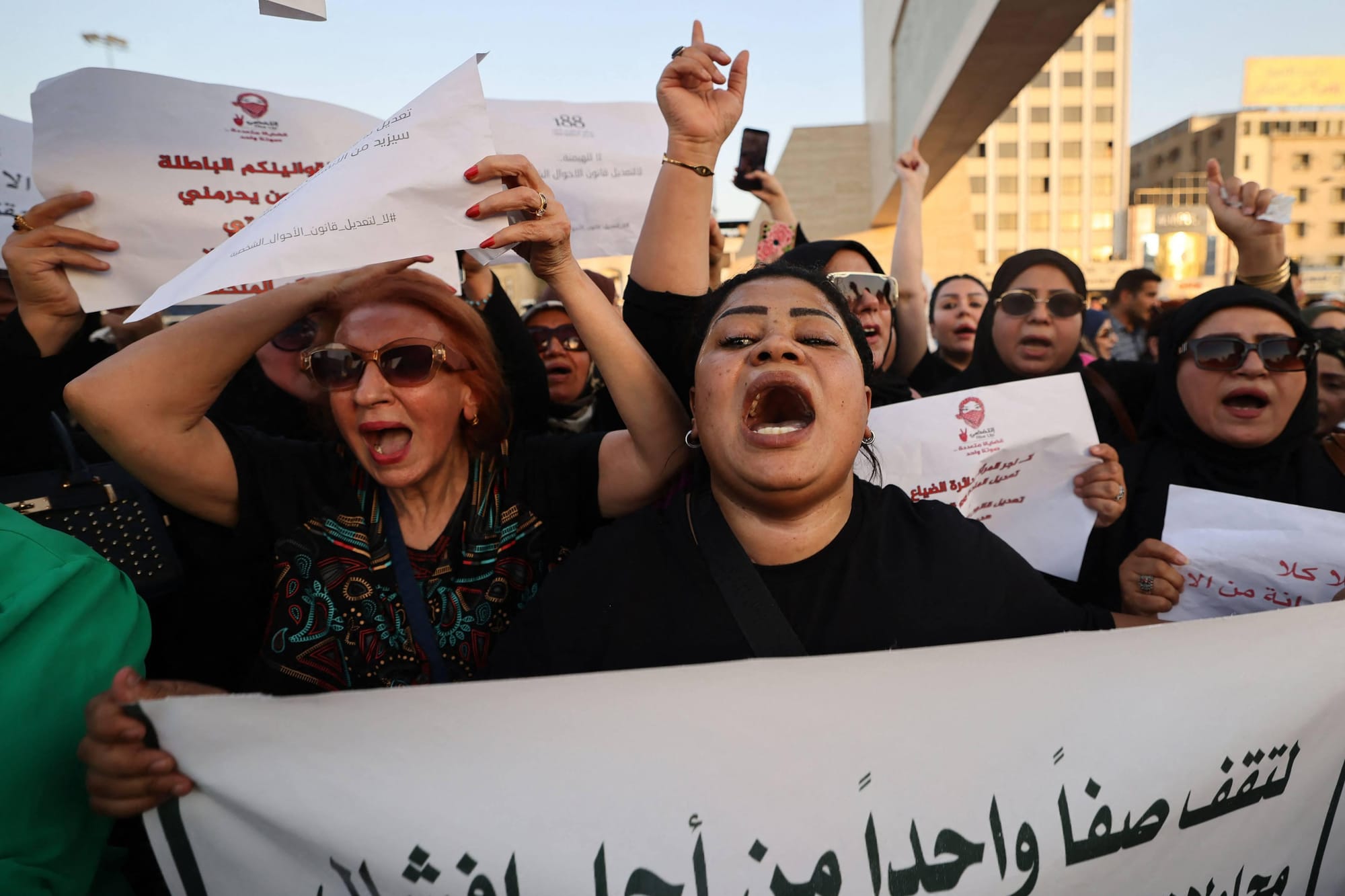
In Iraq, the debate over child marriage has become closely connected to questions of religious authority, family law and legal equality.
The country's Personal Status Law of 1959 established eighteen as the standard minimum marriage age.
However, the law also permits marriage from fifteen under specified conditions with judicial approval.
Human Rights Watch has reported that approximately 28 percent of girls in Iraq marry before reaching eighteen, citing UNICEF data.
Informal and unregistered marriages have created additional difficulties.
When marriages take place outside official registration procedures, women and children may struggle to obtain legal documents, establish family rights or access essential services.
The issue attracted renewed international attention in 2024 and 2025, when Iraqi lawmakers debated amendments to the Personal Status Law.
Early proposals generated serious concerns that religiously based marriage provisions could allow girls as young as nine to marry.
However, the final amendment that entered into force in February 2025 retained the existing minimum-age framework: eighteen as the standard age, with judicial exceptions from fifteen.
This distinction is essential for accurate reporting.
The final legislation did not establish nine as the general legal marriage age.
Nevertheless, the amendments created a framework allowing couples to choose between the existing Personal Status Law and a personal status code based on Ja'fari jurisprudence.
Human Rights Watch warned that the changes could undermine legal equality and weaken protections relating to marriage, divorce, custody and inheritance.
In 2026, the organisation continued to raise concerns about the implementation of the new framework and its consequences for women and girls.
Iraqi authorities have defended the reforms as recognising religious and sectarian diversity while maintaining statutory safeguards.
The disagreement highlights a broader question: how can religious freedom, family law and children's rights be reconciled when different legal frameworks provide different protections?
For girls, the practical consequences matter more than the political arguments.
A legal right offers limited protection if a child cannot access a court, challenge a marriage or obtain assistance without family permission.
The experience of Iraq demonstrates that legislation must be assessed not only by its wording, but also by how it functions in everyday life.
Chapter 4 — Egypt: A Legal Minimum Age, but Continuing Child Marriages
Egypt has established eighteen as the minimum age for the official registration of marriage.
Yet child marriage has not disappeared.
According to the Child Marriage Data Portal, approximately 16 percent of Egyptian women aged 20 to 24 had married before eighteen, based on the latest available national prevalence data from 2021.
The figure represents a significant decline from approximately 27 percent in 1996.
Nevertheless, millions of Egyptian women have experienced marriage during childhood.
The differences between rural and urban communities reveal important inequalities.
Girls in poorer households and communities with limited educational opportunities face greater vulnerability.
Some marriages are conducted informally and registered only after the girl reaches the legal age.
Such arrangements can leave girls without adequate legal protection.
Education is particularly important.
Girls who remain in school generally have more opportunities to develop skills, build social networks and imagine alternatives to early marriage.
However, education alone cannot eliminate the practice.
Families also require financial security, access to public services and confidence that their daughters can safely pursue independent futures.
Egypt's experience demonstrates that legal reform can contribute to progress, but legislation must be supported by enforcement and social change.
A minimum age written into law does not automatically guarantee that every girl will remain unmarried until adulthood.
Chapter 5 — Jordan: Evidence That Progress Is Possible
Jordan provides an example of how child marriage can decline while remaining a serious concern.
The country's standard minimum marriage age is eighteen, although judicial exceptions have permitted some marriages below that threshold.
UNICEF Jordan reports that the proportion of recorded marriages involving children declined from 13.8 percent in 2015 to 8 percent in 2024.
Between 2015 and 2024, 81,884 children under eighteen were recorded as married.
Of these, 79,587 were girls.
In 2024 alone, 5,085 child marriages were recorded.
The figures show progress, but they also demonstrate that thousands of children continue to enter marriage before adulthood.
Jordan's experience is especially relevant because the country has hosted large refugee populations affected by regional conflicts.
Displacement can create circumstances in which families feel that their daughters face increased insecurity.
Some may believe marriage offers protection from harassment, poverty or social stigma.
But a marriage entered under such pressures may replace one form of insecurity with another.
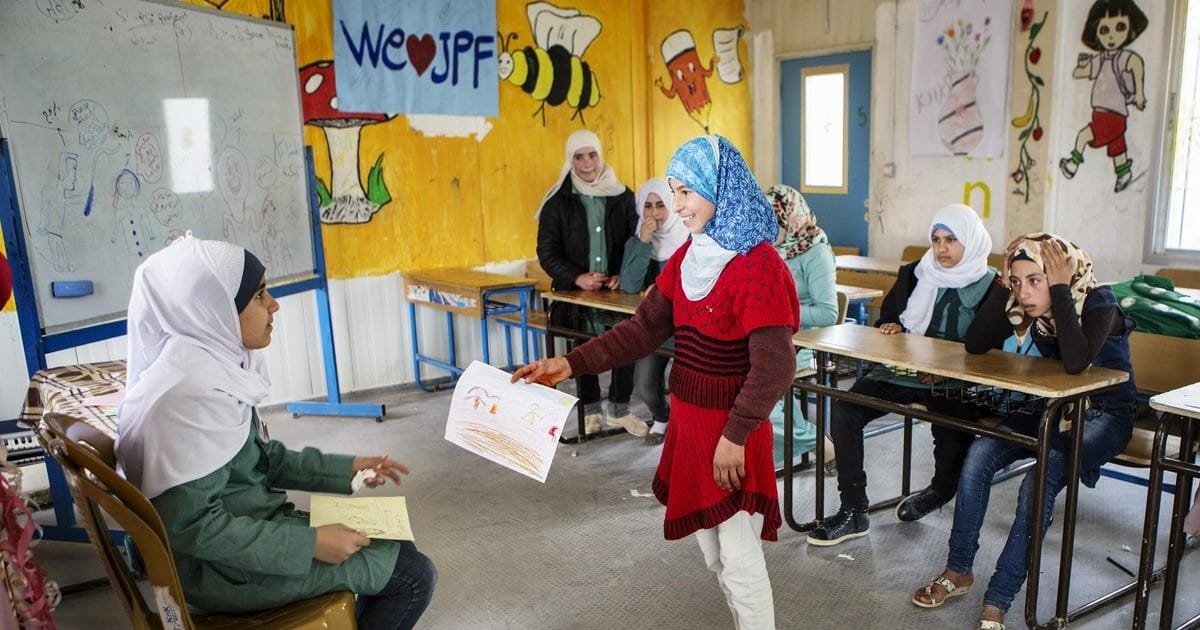
UNICEF-supported initiatives in Jordan have worked with mothers, daughters and wider communities to challenge expectations surrounding early marriage.
These programmes recognise that lasting change requires the participation of families, educators, community leaders and girls themselves.
The lesson from Jordan is important.
Child marriage is not an inevitable cultural practice.
It can decline when laws, education, social protection and community engagement work together.
Chapter 6 — Lebanon and Syria: Childhood in the Shadow of Displacement
For families displaced by war, ordinary decisions can become extraordinarily difficult.
A family may lose its home, income, community support and access to education within a matter of days.
In such circumstances, the future becomes uncertain.
Lebanon has hosted large numbers of Syrian refugees, while Syria itself has experienced years of conflict, displacement and economic hardship.
Humanitarian organisations have documented child marriage as a protection concern among vulnerable and displaced populations.
Some families believe marriage can provide daughters with greater financial security.
Others fear that unmarried adolescent girls may face harassment or threats to their safety.
These decisions can be influenced by deeply rooted social expectations concerning family reputation and female sexuality.
However, child marriage does not necessarily protect girls from violence or exploitation.
It may instead place them in relationships where they have limited authority, limited financial independence and few opportunities to continue their education.
Lebanon's marriage system is particularly complex because family law is administered through different religious communities.
The absence of a unified civil minimum marriage age has long been a concern for child rights advocates.
Syria's legal framework also permits marriage below eighteen under certain conditions, although the applicable rules and their enforcement can vary in practice.
The experiences of displaced girls demonstrate why humanitarian responses must include more than emergency food and shelter.
Education, psychological support, legal assistance and protection from gender-based violence are essential components of recovery.
A girl who survives war should not have to surrender her future in order to survive its aftermath.
Chapter 7 — The Role of Religion, Tradition and Social Expectations
Religion is frequently mentioned in discussions about child marriage.
Yet the relationship between religion and marriage practices is complex.
Child marriage exists in societies with different religious traditions, and it has also been practised in nonreligious contexts.
Within Islam, interpretations of marriage requirements, maturity, consent and religious law vary across scholars, communities and legal systems.
Many Muslim scholars and organisations support minimum marriage ages and argue that preventing harm, protecting children and ensuring meaningful consent are consistent with Islamic ethical principles.
Other interpretations have historically permitted marriage below eighteen under certain conditions.
These disagreements influence debates over family legislation in several countries.
Religious tradition, however, is only one factor.
Poverty, patriarchal social structures, limited educational opportunities and family expectations may be equally important.
The same distinction applies to other religious communities.
Religious identity does not automatically determine whether a family supports child marriage.
Nor should an entire faith community be held responsible for practices maintained by particular institutions, interpretations or social groups.
For meaningful reform, it is necessary to distinguish between religious belief and the use of religious authority to justify practices that restrict children's rights.
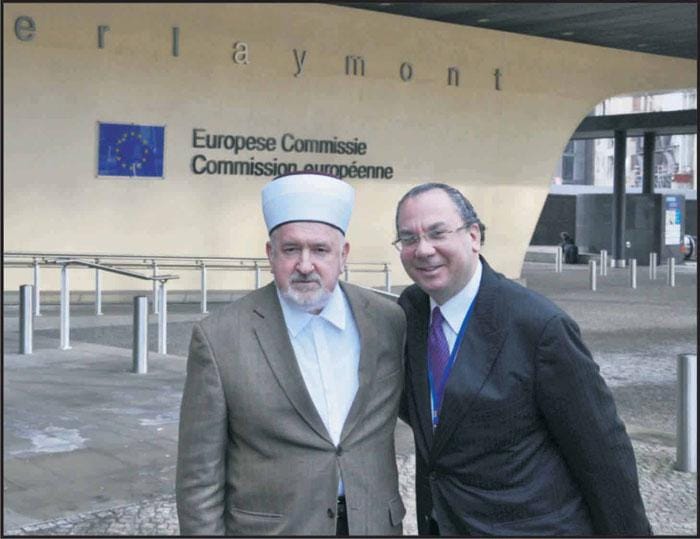
Faith leaders can also become important partners in prevention.
When respected religious figures advocate education, protection and informed consent, they can help challenge assumptions that child marriage is an unavoidable religious obligation.
The essential question is whether religious and cultural traditions are being interpreted in ways that protect children or expose them to harm.
Chapter 8 — The Health Consequences of Becoming a Mother Too Young
One of the most serious consequences of child marriage is the increased likelihood of adolescent pregnancy.
Girls who marry early are often expected to begin having children soon after marriage.
For young adolescents, pregnancy and childbirth can involve substantial medical risks.
The World Health Organization identifies adolescent mothers as facing higher risks of certain pregnancy-related complications than women aged 20 to 24.
Their babies also face increased risks, including low birth weight and premature birth.
The dangers may be greater where healthcare is inaccessible, malnutrition is widespread or emergency obstetric services are unavailable.
However, the consequences are not exclusively physical.
Early marriage can affect mental health, particularly when girls experience coercion, isolation, intimate-partner violence or separation from their families and friends.
A girl who becomes a mother during adolescence may also face significant barriers to returning to school.
Her educational future may be interrupted by childcare responsibilities, household expectations or financial dependence.
These circumstances can create a cycle in which limited education contributes to economic vulnerability, which in turn restricts opportunities for the next generation.
Preventing early pregnancy requires access to appropriate healthcare, education, protection services and the ability to make informed decisions.
A child should never be placed in a situation where motherhood becomes an obligation before she has had the opportunity to grow into adulthood.
Chapter 9 — The Education That Disappears
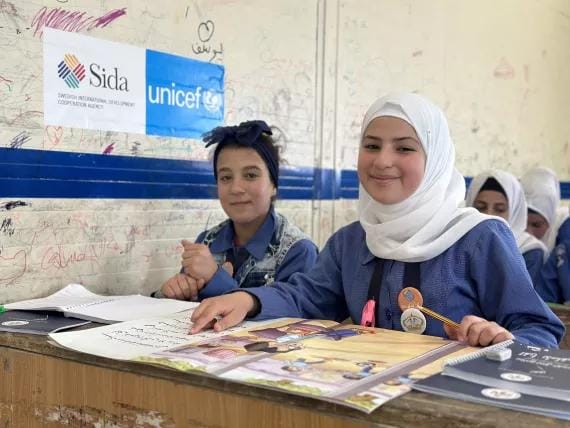
Education is one of the most powerful factors associated with lower rates of child marriage.
When girls remain in school, they have more opportunities to develop knowledge, confidence and economic independence.
Schools also provide social connections and access to adults who may identify signs of abuse or exploitation.
But for girls married during childhood, education frequently becomes difficult to continue.
Some husbands or families may discourage further schooling.
Others may expect girls to take responsibility for household work or childcare.
Pregnancy can create additional barriers.
In communities where married girls face stigma at school, returning to education may become socially difficult even when it is legally permitted.
The consequences extend beyond the individual.
Women with limited educational opportunities may have fewer employment options and less economic independence.
This can increase vulnerability to poverty and make it more difficult to leave harmful relationships.
The relationship between education and child marriage is also two-directional.
Girls who leave school may become more vulnerable to early marriage, while marriage itself may cause girls to abandon their studies.
This is why prevention programmes must address both problems.
Keeping girls in school requires safe classrooms, affordable transportation, qualified teachers and financial support for vulnerable families.
It also requires a social environment in which girls' education is valued as highly as boys' education.
A girl's schoolbook should never be considered less important than her wedding dress.
Chapter 10 — The Hidden Role of Poverty and Economic Dependence
For many families, child marriage is closely connected to economic insecurity.
A household struggling to afford food, housing or education may view marriage as a way to reduce expenses.
In some settings, marriage arrangements can involve payments or financial expectations that influence decisions.
However, the relationship between poverty and marriage is not always straightforward.
Families may also believe that a husband will provide long-term security for their daughter.
Such decisions may be presented as practical responses to difficult circumstances.
But transferring responsibility for a child to another household does not necessarily improve her safety or well-being.
Marriage can instead create economic dependence.
A girl without education, employment or personal resources may have little ability to challenge mistreatment or leave an abusive relationship.
Poverty can therefore contribute to child marriage, while child marriage can contribute to poverty.
Breaking this cycle requires more than condemning families.
Economic support, accessible education, vocational opportunities and social protection can provide alternatives.
Families are more likely to resist harmful practices when they have realistic ways to secure their children's futures.
Preventing child marriage is therefore also an economic development issue.
The freedom to choose a future is difficult to exercise when poverty removes nearly every alternative.
Chapter 11 — The Women and Girls Who Are Changing the Future
Despite the scale of child marriage, important efforts are underway to challenge the practice.
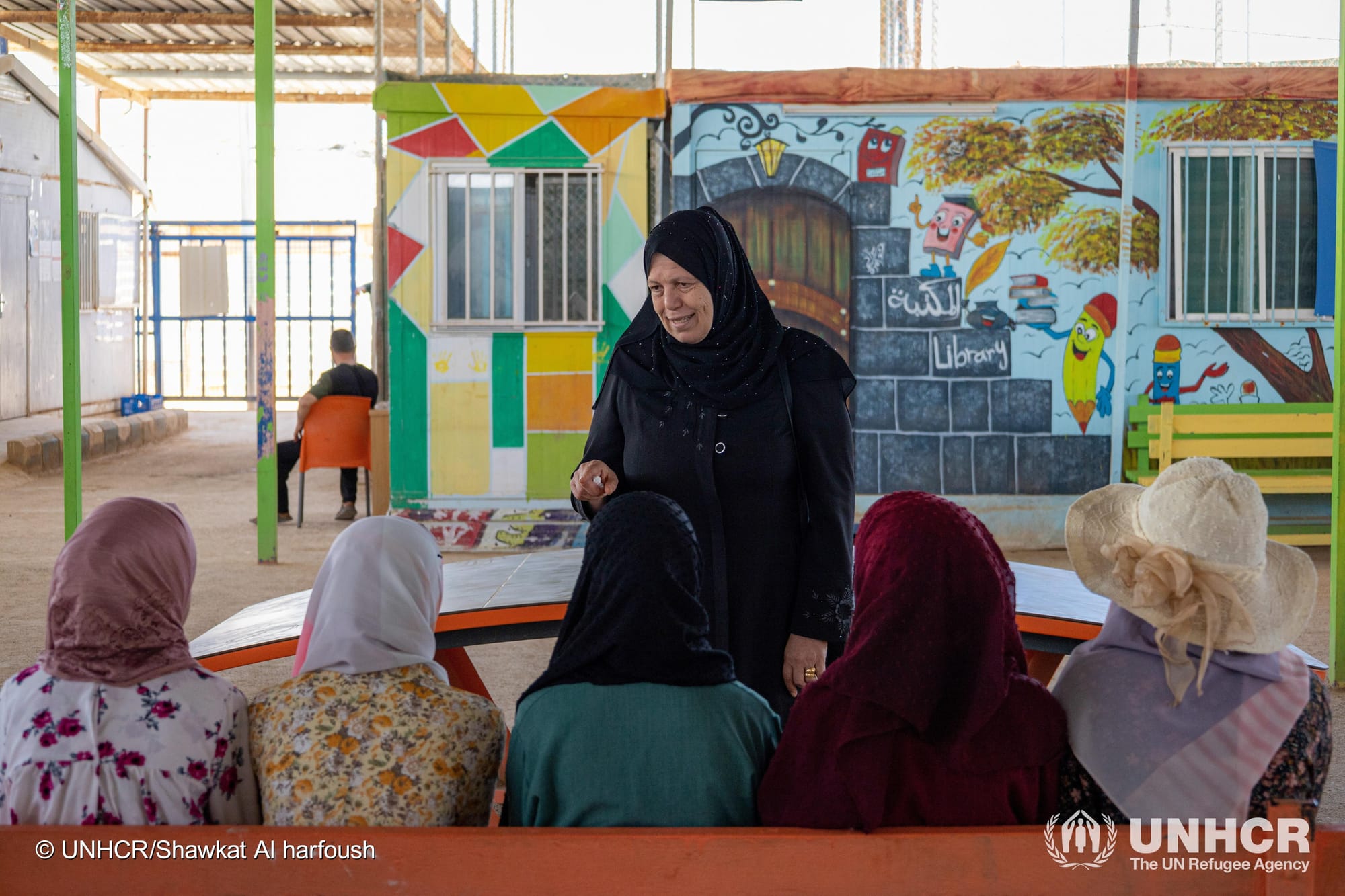
Across the Middle East and North Africa, women activists, teachers, social workers, healthcare professionals and community organisations are working to protect girls.
Their approaches differ.
Some advocate stronger legislation and the removal of exceptions that permit marriage below eighteen.
Others focus on keeping girls in school, providing family counselling or helping survivors obtain legal assistance.
Community-based programmes often involve parents and religious leaders because decisions surrounding marriage rarely occur in isolation.
In Jordan, UNICEF has documented programmes in which mothers and daughters work together to challenge harmful expectations.
In Yemen, humanitarian organisations support vulnerable girls through education, protection and reproductive health services.
In Iraq, women's rights advocates have challenged legal reforms they believe undermine equality and protection.
These efforts are not always easy.
Activists may face resistance from influential community figures, conservative institutions or families concerned about social change.
Yet the most meaningful progress often begins within communities themselves.
A mother who decides that her daughter should finish school.
A teacher who helps a vulnerable girl continue her education.
A religious leader who publicly challenges the idea that children must marry.
A survivor who speaks about her experiences so that other girls may have different opportunities.
Each action can contribute to wider change.
The objective is not to erase cultural or religious identity.
It is to ensure that no child's future is sacrificed in the name of tradition, poverty or social expectation.
Chapter 12 — What Must Change?
Ending child marriage requires a combination of legal, educational, economic and social reforms.
Laws should establish eighteen as the minimum marriage age without exceptions that undermine child protection.
Marriage registration systems must be accessible and effective.
Authorities must ensure that children can obtain protection even when marriages take place informally or outside official procedures.
Education must remain available to girls, including those affected by displacement, poverty and conflict.
Families experiencing severe economic hardship need meaningful support so that marriage is not perceived as the only path to security.
Healthcare services must address the needs of adolescents, including reproductive health, maternal care and psychological support.
Survivors of child marriage need access to legal assistance, safe accommodation and opportunities to resume their education.
Community engagement is equally important.
Parents, teachers, religious leaders and local organisations can help challenge harmful expectations and promote alternatives.
International organisations also have a responsibility to measure progress accurately and support programmes with demonstrated results.
Reliable data are essential.
Without consistent information about the age of marriage, informal unions, education and health outcomes, governments cannot properly assess whether reforms are working.
Ultimately, the objective is not merely to delay weddings.
It is to expand the choices available to girls.
A society succeeds in protecting childhood when a girl can remain in school, receive healthcare, live without coercion and determine her own future.
Conclusion — Let Her Be a Child
Somewhere, a girl is preparing for an examination.
Another is dreaming of becoming a doctor.
Another is learning to read.
And another is being told that she will soon become somebody's wife.
The difference between these futures should not be determined by poverty, family pressure, conflict or the absence of legal protection.
Child marriage is often discussed through statistics, legislation and international agreements.
Those discussions are necessary.
But behind every percentage is a human life.
A girl who might have become a teacher.
A girl who wanted to finish school.
A girl who deserved the opportunity to discover her own ambitions before being expected to fulfil the responsibilities of adulthood.
Protecting childhood does not mean rejecting religion, family or tradition.
It means recognising that children have rights that must not disappear because of the circumstances into which they were born.
The question is not whether girls can eventually become wives or mothers.
It is whether they will first be allowed to become themselves.
A wedding should never be the moment a childhood is taken away.
Let her learn. Let her grow. Let her choose.
Above all, let her be a child.
Sources and Further Reading
- UNICEF Middle East and North Africa (February 2022) — Facts and Figures: Child Marriage in the Middle East and North Africa. Regional estimates of child marriage and contributing factors.
- UNICEF (2024) — Child Marriage: Yemen Country Profile. National prevalence estimates, humanitarian context and regional disparities.
- UNICEF Yemen (2024) — MICS-EAGLE Factsheet: Child Protection and Education. Survey findings on early marriage, schooling and household characteristics.
- Child Marriage Data Portal — Egypt Country Profile. National prevalence trends and demographic differences, latest available Egyptian prevalence data from 2021.
- Human Rights Watch (10 March 2025) — Iraq: Personal Status Law Amendment Sets Back Women's Rights. Analysis of legal changes and marriage-age provisions.
- Human Rights Watch (24 February 2026) — Marriage Without Safeguards: The Consequences of Iraq's Personal Status Code. Analysis of women's rights and legal protection under the new framework.
- Human Rights Watch (2026) — World Report 2026: Iraq. Developments in women's and girls' rights.
- UNICEF Jordan — Child Protection. Official figures on recorded child marriages between 2015 and 2024.
- UNICEF Jordan (2026) — Stronger Together: Mothers and Daughters in Jordan Rewriting the Story on Child Marriage. Community prevention initiatives.
- World Health Organization — Adolescent Pregnancy. Health risks and prevention.
- UNFPA — Child Marriage. Global evidence on causes, consequences and prevention.
- UNICEF Innocenti — Research on child marriage in humanitarian settings, including Iraq, Jordan, Lebanon, Syria and Yemen.
Editorial note: Statistics refer to the latest available reporting periods identified in the source material, which differ between countries. The fictional opening is illustrative and must not be presented as an actual survivor's testimony.
Beyond the Lines — Independent Journalism. Beyond Headlines. Beyond Divisions.