Working Together in a Divided Land: Jewish and Arab Lives Beyond the Conflict
Beyond the conflict, Jewish and Arab Israelis share workplaces, hospitals and communities. A closer look at coexistence, inequality and their shared future.
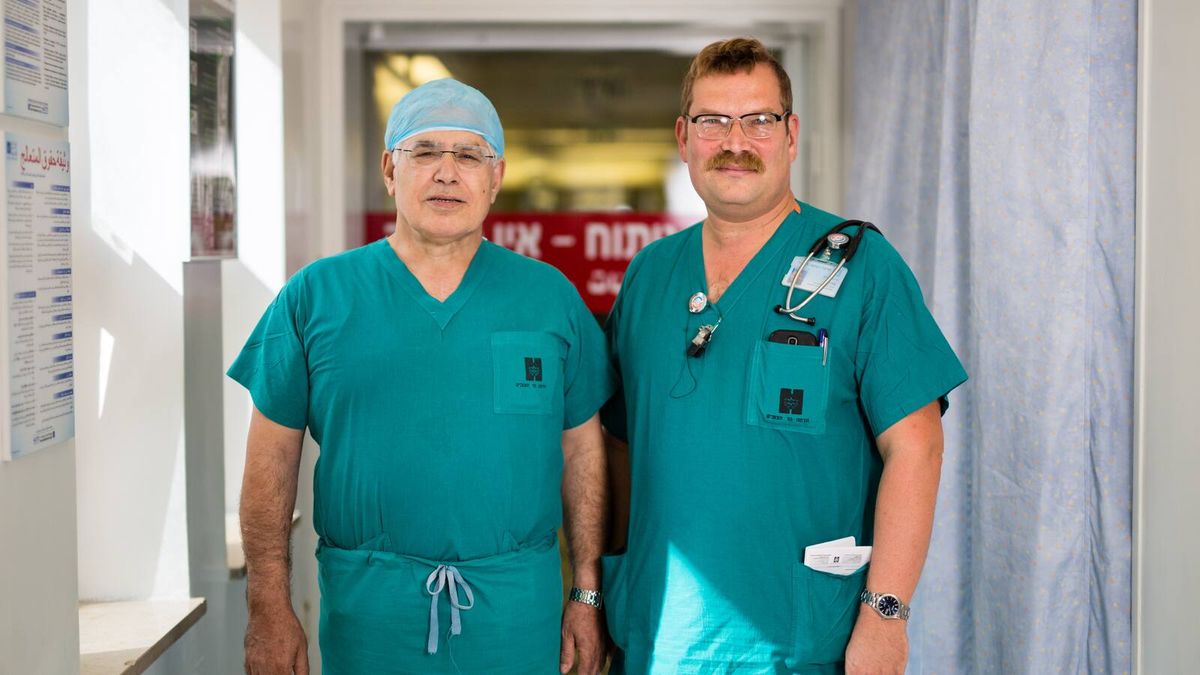
Beyond the political divisions and the headlines of war, Jewish and Arab citizens of Israel share hospitals, universities, workplaces and neighbourhoods. Their daily cooperation reveals a complex society in which coexistence is both an established reality and an unfinished challenge.
BEYOND THE LINES | IN-DEPTH | ISRAEL & SOCIETY
Estimated reading time: 18–22 minutes
The Story in Brief
Israel is often viewed internationally through the lens of war, security and the Israeli-Palestinian conflict. Yet within the country, Jewish and Arab citizens share institutions, workplaces and public spaces, creating relationships that rarely receive the same attention as political confrontation.
Arab residents account for approximately one-fifth of Israel's population and make significant contributions to healthcare, education, business and public life. Their participation demonstrates the possibilities of cooperation, but also exposes the inequalities that remain.
Historical grievances, discrimination, economic disparities and the consequences of the Hamas-led attacks of 7 October 2023 and the war in Gaza have placed these relationships under considerable pressure.
This report examines the history, achievements and difficulties of Jewish-Arab coexistence, asking whether shared responsibilities and everyday encounters can help create a more equal and secure society.
Introduction — The Israel Beyond the Headlines
To much of the world, Israel is a country defined by conflict.
Its name is associated with military operations, political disputes, terrorism, territorial disagreements and one of the world's most enduring national conflicts.
Television screens show destroyed buildings, grieving families, armed soldiers, political demonstrations and communities living under the threat of violence.
These images reflect important realities. The consequences of conflict are profound, and understanding them is essential to any serious examination of Israel and the wider Middle East.
But a country cannot be understood entirely through its most violent moments.
Beyond the headlines, millions of people continue to work, study, raise children, build businesses and participate in a society that is considerably more diverse than many international audiences realise.
Among them are Jewish and Arab citizens whose daily lives intersect in ways that rarely become international news.
They work together in emergency departments. They study in the same universities. They operate businesses, serve customers, care for elderly patients and participate in local initiatives.
In some circumstances, professional relationships develop into lasting friendships. In others, cooperation remains practical rather than personal, shaped by differences in language, culture, politics and historical experience.
There are also places where Jewish and Arab citizens have relatively little contact despite living within the same country.
These different experiences form part of the same national reality.
Israel is home to Jewish communities with roots in Europe, North Africa, the Middle East, Ethiopia and many other parts of the world. Its Arab population includes Muslims, Christians and Druze, alongside other communities with distinct identities and traditions.
According to Israel's Central Bureau of Statistics, Arab residents represented approximately 21 per cent of the population at the beginning of 2026.
That proportion is significant. It means that understanding Israel requires examining not only the Jewish majority but also the experiences, aspirations and political concerns of its Arab population.
The relationship between these communities cannot be reduced to a simple story of harmony or hostility.
There is cooperation, but also discrimination.
There are shared institutions, but often separate neighbourhoods and schools.
There are opportunities for advancement, but persistent inequalities in income, infrastructure and access to employment.
And there are people who believe deeply in a shared future, alongside others who question whether meaningful equality can be achieved within the country's existing political and constitutional framework.
The challenge for journalism is to recognise all these realities without allowing one to erase another.
This is the Israel beyond the headlines: a society in which cooperation is already part of everyday life, even as the foundations of coexistence remain contested.
1. A Shared Country, Different Histories
The events of 1948 and two national narratives
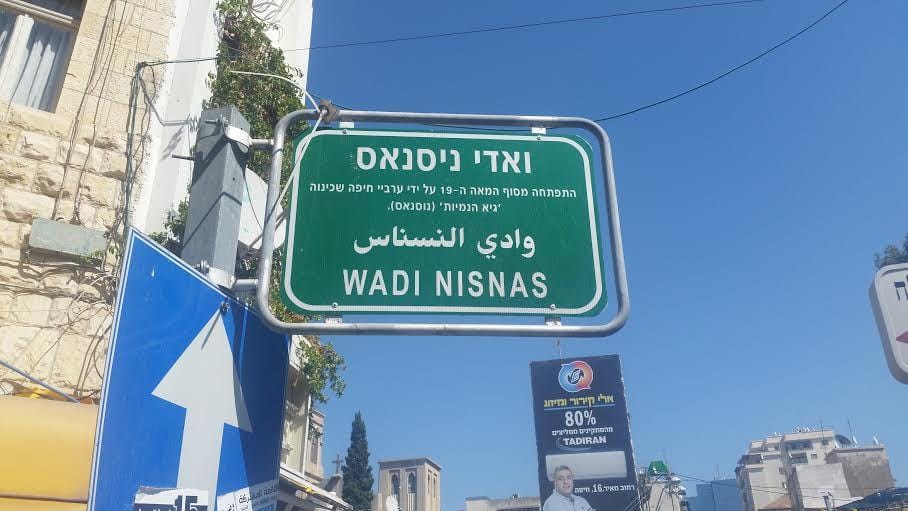
The relationship between Jewish and Arab citizens of Israel is inseparable from the events surrounding the establishment of the state in 1948.
For Jewish Israelis, independence represents a defining moment in modern Jewish history.
After centuries of persecution, discrimination, expulsions and, ultimately, the Holocaust, the establishment of a Jewish state was understood by many as the realisation of national self-determination and the creation of a place of refuge.
The Jewish connection to the land extends back thousands of years, encompassing religious, historical and cultural traditions that survived long periods of exile and diaspora.
Modern political Zionism emerged in the late nineteenth century, seeking a national homeland for the Jewish people at a time when antisemitism and nationalist movements were transforming European politics.
For Palestinian Arabs, however, the events of 1948 carry a profoundly different meaning.
During the war surrounding Israel's establishment, approximately 700,000 Palestinians fled or were expelled from their homes. Hundreds of Palestinian villages were depopulated, and families were separated from land and communities to which they had longstanding connections.
Palestinians refer to these events as the Nakba, meaning catastrophe.
The circumstances of displacement varied. Some people fled fighting or feared violence; others were expelled by Jewish forces. Historians have extensively examined these events, although interpretations of responsibility and intent remain contested.
For many Jewish Israelis, 1948 is remembered as independence and survival.
For Palestinians, it is remembered as dispossession and the loss of a homeland.
These memories are not merely historical disagreements. They continue to shape political identity, family histories and attitudes towards the state.
The Arab citizens who remained
Not all Palestinian Arabs left the territory that became Israel.
Approximately 150,000 remained within the new state's borders and became the foundation of its Arab citizen population.
They and their descendants developed lives within a state that defined itself as Jewish while also establishing institutions of parliamentary democracy.
Arab citizens received Israeli citizenship, although they lived under a military administration from 1948 until 1966. This system imposed significant restrictions on movement and other aspects of daily life.
The abolition of military rule marked an important change, but it did not eliminate differences in access to resources, political influence and economic opportunities.
Over subsequent decades, Arab citizens increasingly entered universities, professional occupations, municipal government and national politics.
Arab political parties and individual Arab politicians participated in the Knesset, Israel's parliament. Arab citizens also became judges, academics, doctors, entrepreneurs and public officials.
These developments created opportunities that previous generations had not experienced.
Nevertheless, questions about land ownership, public investment, discrimination and national identity remained unresolved.
Citizenship and identity are not the same
One of the most important distinctions in understanding Israel is the difference between citizenship and national identity.
Arab citizens possess Israeli citizenship and voting rights in national elections, but they do not necessarily identify nationally as Israeli.
Some describe themselves as Arab Israelis.
Others prefer Palestinian citizens of Israel, emphasising their connection to the wider Palestinian people.
Some use both identities, while others identify primarily through religion, locality or family heritage.
The Druze community, for example, has developed distinctive relationships with the Israeli state, including military service among many Druze men.
Arab Christian communities have their own religious and cultural histories, while Muslim citizens represent the largest part of the Arab population.
It would therefore be misleading to describe Arab citizens as a politically or culturally uniform group.
The Jewish population is equally diverse, with substantial differences in religious observance, political views, ethnic background and attitudes towards the Israeli-Palestinian conflict.
These differences matter because coexistence does not involve two internally identical communities negotiating a single relationship.
It involves millions of individuals whose experiences and opinions vary considerably.
The question of equality
Israel's Declaration of Independence promised equality of social and political rights irrespective of religion, race or sex.
That commitment remains an important reference point in debates about Israeli democracy.
However, the relationship between Israel's Jewish national identity and the rights of non-Jewish citizens has generated continuing political and legal controversy.
The 2018 Nation-State Basic Law affirmed Israel as the nation-state of the Jewish people and established Hebrew as the state language, while recognising Arabic as having a special status.
Supporters of the law argued that it formally expressed the country's longstanding Jewish national character.
Critics argued that it failed to affirm equality explicitly and risked reinforcing the perception that Arab citizens occupied a secondary position within the state.
The debate illustrates a central tension: how can a state maintain a particular national identity while ensuring that all citizens experience equal dignity, opportunity and protection?
This question is not unique to Israel, but it carries particular significance in a society shaped by competing national narratives and an unresolved territorial conflict.
2. Inside Israel's Hospitals: Where Identity Meets Responsibility
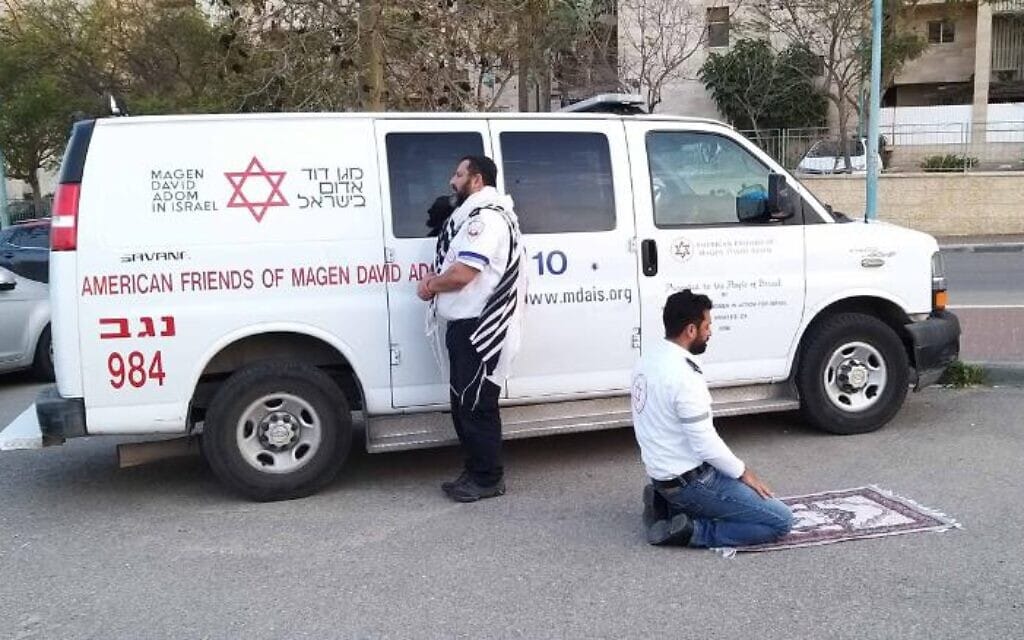
If there is one institution that demonstrates the practical reality of Jewish-Arab cooperation, it is the Israeli healthcare system.
Hospitals are places where political identity frequently becomes secondary to immediate human needs.
Patients arrive because they are ill, injured, frightened or in need of urgent treatment.
Medical professionals must respond according to clinical priorities, professional standards and the responsibility to preserve life.
In these circumstances, cooperation is not simply a desirable social principle. It is an essential part of providing effective healthcare.
The figures behind the cooperation
A study published in the Israel Journal of Health Policy Research examined Arab representation in four major healthcare professions.
Its findings demonstrated substantial changes over the preceding decade.
In 2023, Arab professionals accounted for approximately:
- 25 per cent of employed physicians.
- 27 per cent of employed nurses.
- 27 per cent of employed dentists.
- 49 per cent of employed pharmacists.
These figures are particularly notable because Arab citizens represented approximately 21 per cent of Israel's population.
The study also found that the proportion of Arab physicians had increased from approximately 8 per cent in 2010 to 25 per cent in 2023.
This transformation reflects expanding educational and professional opportunities, although the researchers also identified continuing challenges in training, employment and professional advancement.
The figures reveal an important reality: Arab professionals are deeply integrated into significant parts of Israel's healthcare system.
Their contribution is not symbolic or marginal.
It is essential to the functioning of everyday medical services.
Cooperation in moments of crisis
In emergency departments, operating theatres and intensive care units, teamwork can determine whether a patient survives.
Doctors depend on nurses, pharmacists, laboratory specialists and other professionals. Decisions must be communicated clearly, and treatment must continue regardless of the backgrounds of those involved.
A Jewish doctor may work alongside an Arab nurse. An Arab surgeon may operate with a Jewish anaesthetist. Patients may receive treatment from professionals whose religious or political views differ considerably from their own.
These are illustrations of ordinary working arrangements rather than accounts of specific interviewed individuals.
The importance of this cooperation becomes particularly visible during national emergencies.
Israel's hospitals have treated victims of terrorist attacks, rocket fire, road accidents and other emergencies, while also providing routine medical care to the wider population.
Healthcare workers may themselves be affected by the events that bring patients into their departments.
They can experience grief, anxiety, anger or concern for relatives while continuing to fulfil their professional obligations.
The Hamas-led attacks of 7 October 2023 and the subsequent war in Gaza intensified these pressures.
Jewish and Arab medical workers were not insulated from the fear and political tensions affecting the wider country.
Yet hospitals continued to depend on their combined professional expertise.
Professional cooperation does not erase prejudice
It would be misleading to suggest that healthcare institutions exist outside society's political divisions.
Medical professionals may experience discrimination, unequal opportunities or tensions with colleagues and patients.
Arab healthcare workers may encounter questions about their identity or political loyalties, particularly during periods of heightened conflict.
Jewish healthcare workers may carry fears connected to terrorism, antisemitism and national security.
The presence of both communities within the same institution does not automatically resolve these experiences.
Nor should healthcare workers be expected to represent entire populations simply because of their ethnic or religious backgrounds.
The significance of shared medical institutions lies elsewhere.
They demonstrate that cooperation can become routine, necessary and professionally meaningful even when political disagreements remain unresolved.
A society does not have to achieve complete agreement before its members can work together.
But lasting coexistence requires more than professional necessity. It also requires equal opportunities, institutional fairness and the freedom to express different identities without fear.
A lesson beyond Israel
The healthcare experience offers a wider lesson for divided societies.
Shared responsibilities can create relationships that political arguments alone may struggle to establish.
When people depend on one another's competence, reliability and judgement, they have opportunities to encounter individuals rather than abstract representations of opposing communities.
That does not guarantee friendship or eliminate prejudice.
But it creates conditions in which stereotypes can be challenged through direct experience.
For a country whose international image is dominated by conflict, the daily cooperation of Jewish and Arab healthcare professionals deserves serious attention.
Not because it proves that division has disappeared, but because it demonstrates that another form of relationship already exists.
3. Education and the Next Generation
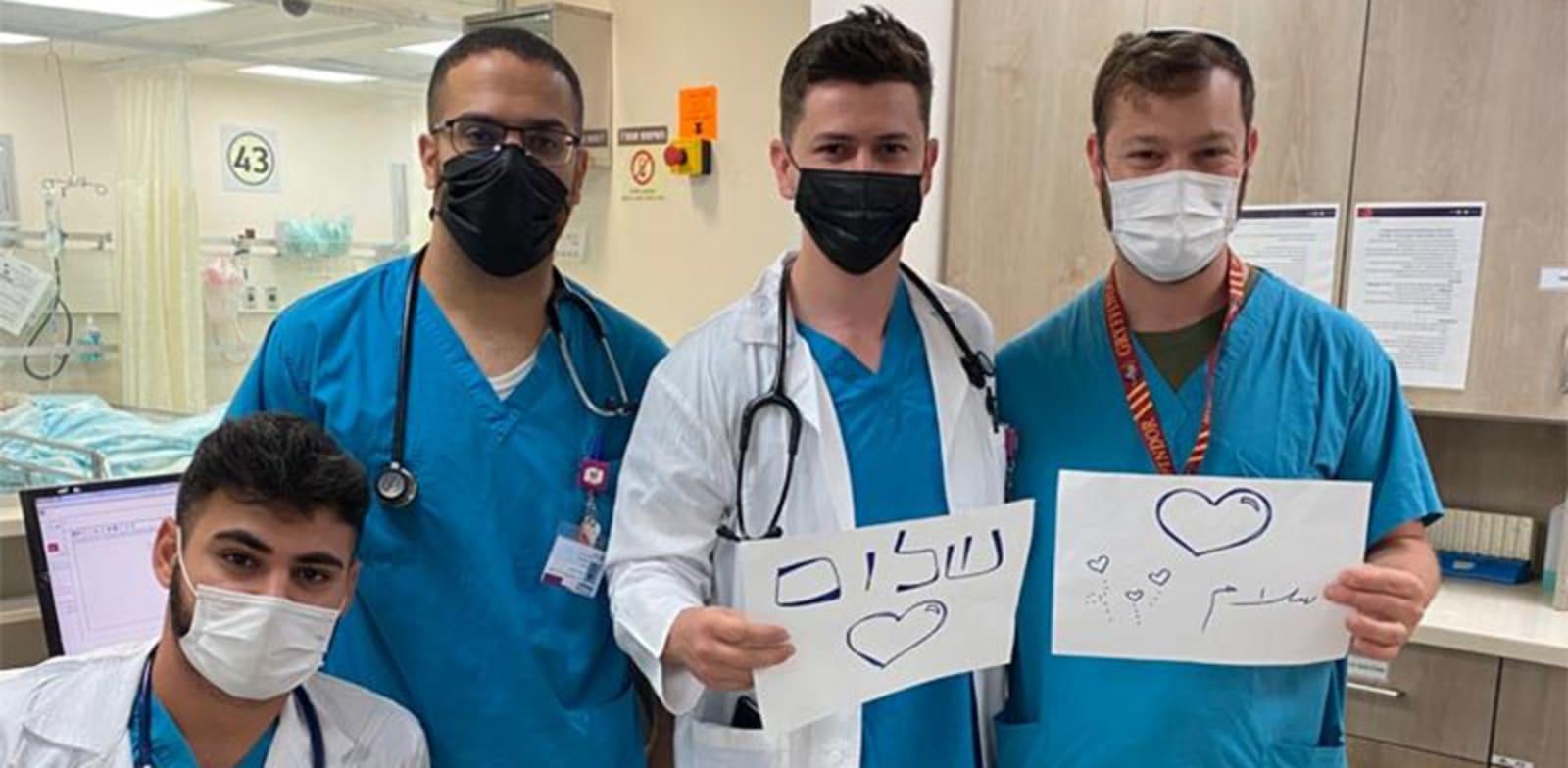
If hospitals demonstrate how adults cooperate through professional responsibility, schools raise a different question.
Can children learn to understand one another before political and social divisions become deeply established?
Education plays a central role in shaping language, identity, historical understanding and attitudes towards other communities.
In Israel, however, Jewish and Arab children generally attend separate schools.
The separation reflects differences in language, culture, religion and the structure of the education system.
For many families, it is also connected to a desire to preserve community identity and educational traditions.
Separate education does not necessarily produce hostility.
Nevertheless, it can limit opportunities for sustained contact between children from different backgrounds.
A Jewish child may grow up with little personal knowledge of Arab families.
An Arab child may have few opportunities to develop friendships with Jewish peers.
Their understanding of the other community may consequently be influenced more by family discussions, media coverage and political events than by direct relationships.
Learning two languages, understanding two cultures
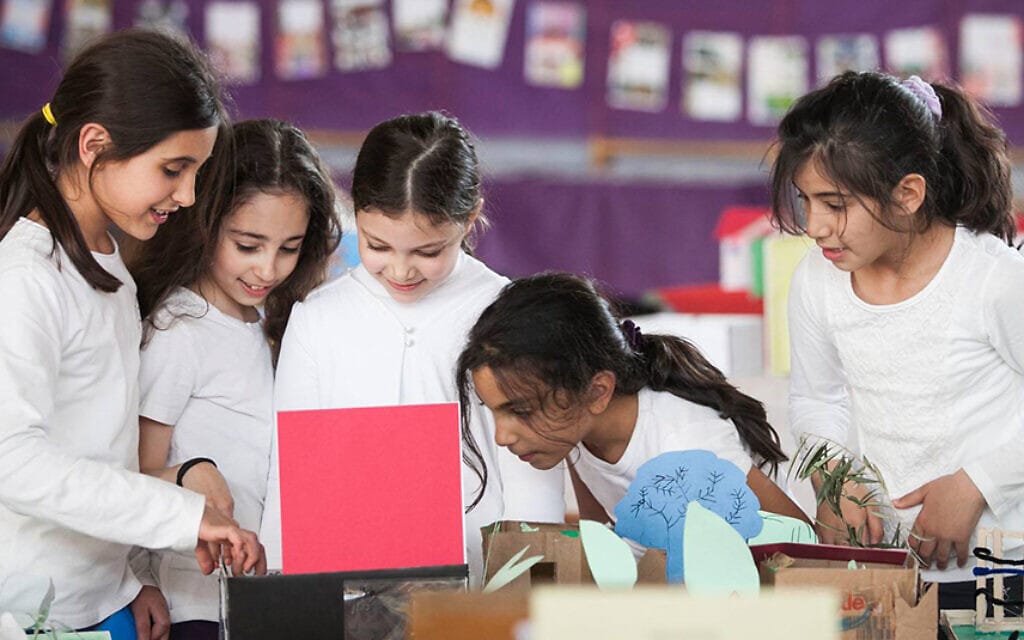
One organisation attempting to create a different educational environment is Hand in Hand.
Established in 1997, the organisation operates integrated bilingual schools in which Jewish and Arab children learn together.
Its educational model gives Hebrew and Arabic a central place in classroom teaching.
Children encounter the languages, religious traditions and cultural practices of both communities.
According to the organisation, its network serves more than 2,000 students across six campuses.
The significance of this approach extends beyond language acquisition.
Language can influence how people understand identity, belonging and historical memory.
A child who learns another community's language gains access to its literature, traditions and ways of expressing everyday experiences.
This does not mean that learning Arabic or Hebrew automatically produces political agreement.
It does, however, reduce one of the barriers that can make communication difficult.
Teaching history in a divided society
One of the greatest challenges for integrated education is how to address history.
The events of 1948 provide a particularly clear example.
Jewish and Palestinian families may describe the same period through different experiences and inherited memories.
A school that seeks to accommodate both communities must decide how to teach these narratives without denying historical evidence or requiring children to abandon their identities.
Similar challenges arise when discussing terrorism, military operations, discrimination and the Israeli-Palestinian conflict.
Education cannot eliminate disagreement by pretending that difficult subjects do not exist.
Instead, meaningful dialogue requires students to learn how to distinguish historical evidence, personal experience and political interpretation.
It also requires an environment in which children are not held personally responsible for the actions of governments, armed organisations or individuals who share their background.
Universities as shared spaces
Higher education creates additional opportunities for interaction.
Israeli universities bring together students from different religious, ethnic and social backgrounds.
Jewish and Arab students may study medicine, engineering, law, education, computer science and other subjects within the same institutions.
They attend lectures, work on research projects and participate in academic life.
For some students, university is their first sustained experience of studying alongside members of another community.
This can create opportunities for professional cooperation and personal friendships.
Yet universities are also political spaces.
Students may disagree strongly about Israeli government policies, Palestinian national rights, military operations and freedom of expression.
Periods of conflict can intensify these disagreements, creating difficult questions for university administrations.
How should institutions protect academic freedom while preventing harassment and threats?
How can students express grief or political opposition without making classmates feel personally targeted?
And how can universities preserve an environment in which disagreement does not become exclusion?
These questions are particularly important because universities help educate the professionals, researchers and public figures who will shape Israel's future.
The limits of educational initiatives
Integrated education remains a relatively small part of the broader Israeli education system.
Programmes such as Hand in Hand demonstrate that alternatives exist, but their scale is limited.
Their success should therefore not be measured simply by the number of positive stories they produce.
A more demanding assessment would examine long-term outcomes.
Do graduates maintain relationships across communities?
Are they more willing to work together?
Does bilingual education influence attitudes towards equality and citizenship?
Can successful local initiatives be expanded without losing their educational quality?
These questions require sustained research rather than assumptions.
Nevertheless, the existence of integrated schools challenges the idea that separation is inevitable.
They show that some families actively choose an educational environment in which different identities are recognised rather than avoided.
4. Working Side by Side: Business, Technology and Everyday Life
Jewish-Arab cooperation is not confined to hospitals and classrooms.
It also exists in workplaces, shops, public services, research institutions and businesses across Israel.
Economic life frequently creates relationships that cross social and political boundaries.
An employer needs qualified workers. A business depends on suppliers and customers. A technology company requires expertise. A public institution must provide services to the people who rely upon it.
These practical demands can create opportunities for cooperation even when broader political disagreements remain unresolved.
The workplace as a meeting point
For many people, employment is one of the most regular forms of contact with individuals from different backgrounds.
Colleagues may spend years working together, sharing responsibilities and responding to professional challenges.
Over time, these relationships can create familiarity that would be difficult to establish through occasional public dialogue events.
Workplace cooperation can also challenge assumptions about the abilities, motivations and values of other communities.
However, the benefits are not distributed equally.
Arab citizens remain underrepresented in several higher-paying sectors, including parts of the technology industry and senior management.
Differences in educational access, professional networks, transport infrastructure and geographical opportunities contribute to these disparities.
Discrimination may also play a role.
The existence of successful Arab professionals therefore should not obscure the barriers faced by others.
The importance of economic opportunity
Economic integration is an important part of social equality.
Employment provides income, independence, professional development and opportunities for participation in wider society.
When communities have unequal access to these opportunities, social divisions can deepen.
A young person who sees limited possibilities for professional advancement may experience the state very differently from someone who has access to well-funded schools, established networks and employment opportunities.
This makes economic policy directly relevant to coexistence.
Investment in education, transport, local infrastructure and employment can affect whether different communities have realistic opportunities to participate in the same economy.
Such investment is not simply a matter of improving relations between Jewish and Arab citizens.
It concerns the broader question of whether citizenship provides comparable opportunities.
Shared cities and everyday encounters
Some Israeli cities contain substantial Jewish and Arab populations living in close proximity.
Haifa, Jaffa, Acre, Lod and Ramla offer different examples of urban environments in which communities interact.
These places are sometimes described as mixed cities, but the term should not be mistaken for an assumption of social integration.
Living in the same municipality does not necessarily mean living in the same neighbourhood or enjoying equal access to housing and services.
Local histories, property disputes, economic inequalities and political tensions can shape relationships.
At the same time, mixed cities create ordinary opportunities for contact.
People use the same roads, visit shops, attend medical appointments and participate in municipal life.
Local businesses serve customers from different communities.
Public services must respond to residents whose languages, religions and cultural traditions vary.
The challenge for local government is to ensure that shared space is accompanied by fair access to resources and meaningful political participation.
Cooperation cannot depend on goodwill alone
Personal relationships matter, but they cannot replace public policy.
A Jewish and an Arab business owner may develop a successful partnership while broader inequalities remain unchanged.
A shared workplace may create friendships without resolving disputes over housing or municipal funding.
Individual success stories can demonstrate possibilities, but they do not provide a complete picture of society.
For cooperation to become more sustainable, it must be supported by institutions that offer fair treatment, enforce the law consistently and provide realistic opportunities for advancement.
That distinction is essential.
Coexistence should not be understood merely as the absence of hostility.
It should also involve the conditions that allow people to participate in society without facing systematic disadvantage because of their identity.
5. The Reality of Inequality and Discrimination
A serious examination of Jewish-Arab relations must address the inequalities that exist alongside cooperation.
Without this context, stories of shared workplaces and friendships risk presenting an incomplete picture.
Arab citizens participate in Israel's democratic institutions, hold citizenship and contribute to many areas of public life.
Yet important differences remain between Jewish and Arab communities in income, employment, infrastructure and access to opportunities.
These differences have historical, economic and political dimensions.
Economic disparities
Research by the Organisation for Economic Co-operation and Development has identified substantial inequalities within Israel's labour market.
Arabic-speaking workers face particular challenges in accessing higher-paying occupations and management positions.
Differences in education, professional networks, geographical location and transport connections contribute to these outcomes.
Some Arab towns and villages have fewer employment opportunities than major urban centres.
Limited public transport can make it difficult to reach workplaces, universities and professional training.
These barriers may be especially significant for women, whose employment opportunities can also be influenced by family responsibilities, local social expectations and access to childcare.
Economic inequality is therefore not reducible to a single cause.
It reflects the interaction of public policy, social structures, geography and individual circumstances.
Housing, land and infrastructure
Land and housing remain particularly sensitive issues.
For Palestinian Arab citizens, questions of land ownership are connected to the history of 1948 and subsequent state policies.
Planning restrictions, shortages of available land for development and difficulties obtaining building permits have contributed to longstanding disputes.
Some communities have experienced overcrowding or inadequate infrastructure.
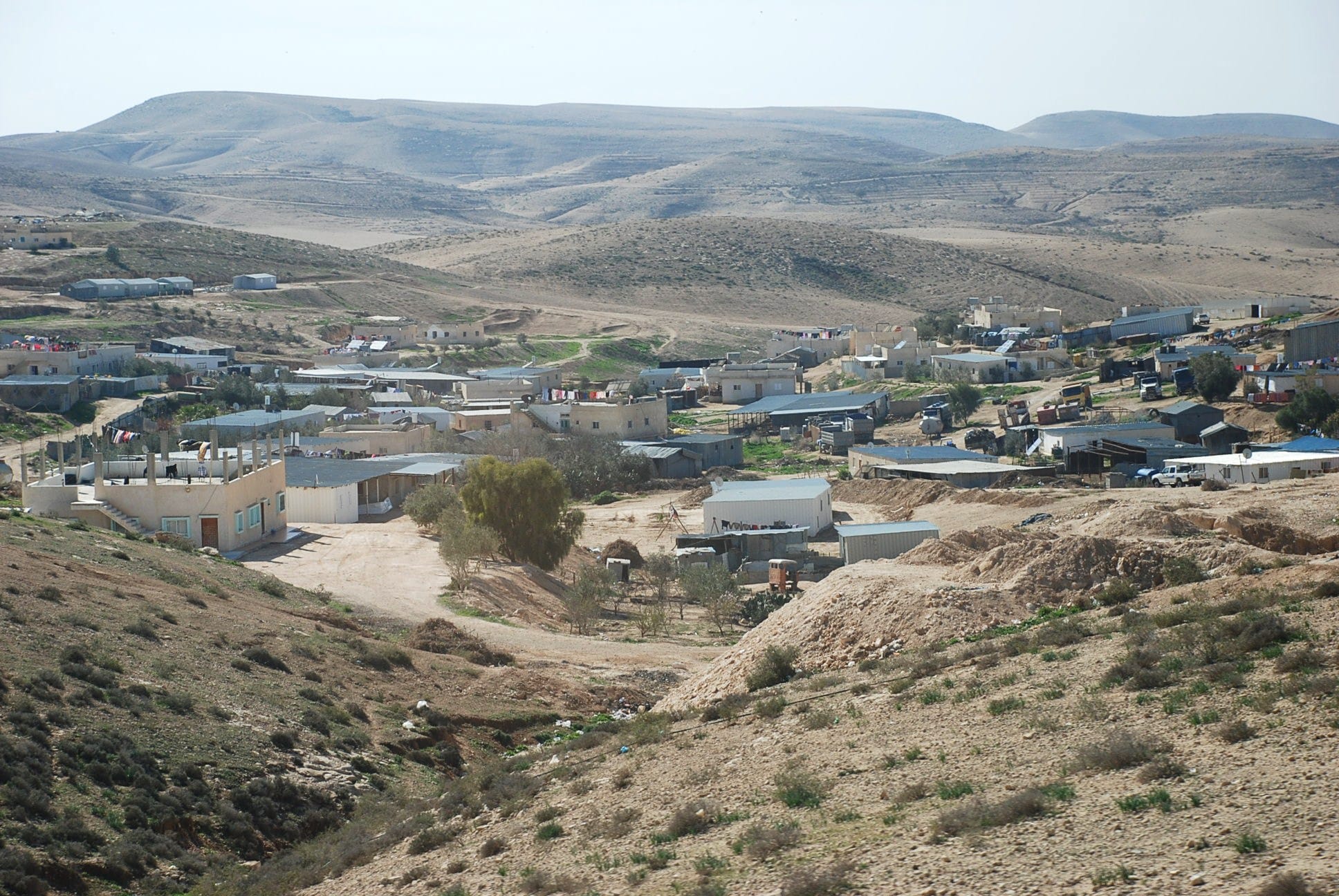
The situation of Bedouin communities in the Negev presents additional challenges, particularly concerning villages whose legal recognition is disputed.
Israeli authorities have cited planning, infrastructure and legal considerations in defending aspects of their policies.
Critics argue that insufficient recognition and unequal planning opportunities have disadvantaged Arab communities.
Understanding these disputes requires examining the specific legal and historical circumstances rather than assuming that every case is identical.
Crime and personal security
Violent crime within Arab communities has become another major concern.
Organised criminal networks, illegal firearms, extortion and killings have caused profound insecurity in affected communities.
Arab political representatives, local leaders and civil society organisations have repeatedly demanded more effective law enforcement.
The issue also raises questions about trust in policing.
Residents need protection from criminal violence, but effective policing also depends on confidence that authorities will act fairly and consistently.
Where trust is weak, cooperation between communities and law enforcement becomes more difficult.
The consequences extend beyond crime statistics.
Families may fear for their children's safety. Businesses can face intimidation. Community leaders may struggle to protect residents.
Public security is therefore an essential component of equal citizenship.
Political participation and representation
Arab citizens have the right to vote in Israeli parliamentary elections and have elected representatives to the Knesset.
Arab politicians have participated in parliamentary committees, opposition movements and governing arrangements.
The inclusion of the Arab-led United Arab List in the governing coalition formed in 2021 was a notable development in Israeli parliamentary politics.
However, Arab political participation remains shaped by disagreements over national identity, security policy and the Israeli-Palestinian conflict.
Some Arab citizens support greater integration into state institutions.
Others emphasise Palestinian national rights or advocate substantial constitutional and political reforms.
Jewish political parties also differ significantly in their approaches to Arab representation and equality.
These debates are part of Israel's democratic political life, but they reveal disagreements about the nature of the state itself.
Equality must be measured in practice
The existence of formal citizenship rights is important.
So is the ability to vote, seek employment, attend university and participate in public life.
But formal rights alone do not establish whether people experience equality in practice.
A meaningful assessment must also consider whether institutions distribute resources fairly, whether discrimination is effectively addressed and whether citizens feel protected by the state.
The progress achieved by Arab professionals and civil society organisations should be recognised.
So should the structural problems that remain.
Neither reality cancels out the other.
6. October 7 and the War: When Trust Was Tested
The Hamas-led attacks of 7 October 2023 represented a profound turning point for Israeli society.
Approximately 1,200 people were killed in Israel, according to Israeli authorities, and around 250 people were taken hostage into Gaza.
The victims included Jewish Israelis, Arab citizens, foreign nationals and others.
The attacks involved deliberate violence against civilians, including killings and hostage-taking, and created widespread fear and trauma.
Israel subsequently launched a major military campaign in Gaza, with devastating consequences for the Palestinian population.
Large numbers of civilians were killed, injured or displaced, and extensive destruction affected homes, hospitals, schools and essential infrastructure.
The conflict intensified political and emotional divisions within Israel and across the wider region.
Different experiences of the same war
For many Jewish Israelis, 7 October became a defining experience of vulnerability.
The attacks raised fundamental questions about national security, the protection of civilians and the ability of the state to prevent future violence.
Families grieved for relatives who had been killed or taken hostage.
Communities near Gaza experienced displacement and uncertainty.
For many Arab citizens, the attacks also created fear and grief, while the subsequent war generated deep concern about the suffering of Palestinians in Gaza.
Some Arab citizens have family connections to Palestinians living in Gaza or the West Bank.
Others identify strongly with Palestinian national aspirations even without direct family relationships.
These experiences can coexist within the same person.
An Arab citizen may condemn attacks against Israeli civilians while also opposing Israeli military actions that harm Palestinian civilians.
A Jewish citizen may demand security and accountability for the 7 October attacks while also expressing concern about civilian suffering in Gaza.
Neither population speaks with a single political voice.
The pressure on shared institutions
The war created difficult circumstances for workplaces, universities and local communities.
Political statements, social media posts and public demonstrations became sources of controversy.
Questions emerged about freedom of expression, institutional discipline, discrimination and the boundaries between legitimate political criticism and support for violence.
Jewish citizens feared antisemitism and threats to their security.
Arab citizens raised concerns about suspicion, restrictions on expression and the consequences of being associated with political positions they did not necessarily hold.
These tensions affected the environment in which people were expected to continue working and studying together.
The challenge was especially difficult for institutions whose functioning depended on cooperation.
Hospitals still needed medical staff.
Universities still needed to educate students.
Businesses still needed employees and customers.
Local authorities still needed to provide essential services.
The practical demands of daily life continued even when political trust was strained.
A growing divide in public opinion
Survey research has demonstrated significant differences between Jewish and Arab citizens in their views of the war and Israeli political institutions.
An Israel Democracy Institute survey conducted in July 2025 found that 78 per cent of Jewish respondents, compared with 22.5 per cent of Arab respondents, believed Israel was making efforts to avoid Palestinian suffering during the fighting in Gaza.
The difference illustrates how dramatically perceptions of the same conflict can vary within one society.
These figures should not be interpreted as evidence that every individual holds the views of their wider community.
They do, however, demonstrate the scale of the political divide.
The challenge for shared institutions is not necessarily to eliminate disagreement.
It is to prevent disagreement from becoming a justification for discrimination, intimidation or collective suspicion.
The danger of collective responsibility
One of the most damaging consequences of prolonged conflict is the tendency to judge individuals according to the actions of others who share their identity.
An Arab citizen should not be treated as responsible for the actions of Hamas.
A Jewish citizen should not be treated as personally responsible for every decision made by the Israeli government.
Political criticism, including criticism of military operations, is not inherently antisemitic.
Likewise, concern about terrorism and national security should not be used to justify hostility towards Arab citizens.
Maintaining these distinctions is essential to any society seeking to protect individual rights.
The ability to disagree about war without denying one another's humanity is one of the most difficult tests of coexistence.
7. The People Refusing to Give Up on Coexistence
Periods of conflict often place organisations dedicated to dialogue under intense pressure.
Their work can be criticised from different directions.
Some people regard dialogue as insufficient when violence and inequality continue.
Others question whether cooperation is possible when communities hold sharply different political views.
Yet several Israeli organisations have continued to develop initiatives involving Jewish and Arab participants.
Their approaches differ, but they share an interest in reducing division and creating opportunities for meaningful contact.
Hand in Hand: Education as a long-term commitment
Hand in Hand's bilingual schools offer one example of sustained cooperation.
Rather than relying on occasional meetings, the organisation creates educational environments in which children and families encounter one another regularly.
Its model recognises both Hebrew and Arabic and seeks to provide space for different cultural identities.
The approach is based on the idea that relationships develop through repeated interaction rather than isolated gestures.
However, the organisation's work also raises important questions.
How should schools respond when families experience the same political events differently?
How can teachers address painful histories without imposing a single political interpretation?
And how can institutions maintain trust when wider society becomes increasingly polarised?
These challenges are not reasons to dismiss integrated education.
They are part of understanding how demanding such education can be.
The Abraham Initiatives: Equality and shared society
The Abraham Initiatives is another organisation working on Jewish-Arab relations.
Its activities have included programmes concerning education, employment, public policy and relations between communities.
Its approach places particular emphasis on the relationship between equality and social cooperation.
This distinction matters.
Dialogue can create understanding, but dialogue alone cannot resolve unequal access to employment, housing or public services.
Programmes seeking to improve coexistence therefore face a broader challenge: connecting interpersonal relationships with institutional and political change.
Standing Together: Cooperation through civic activism
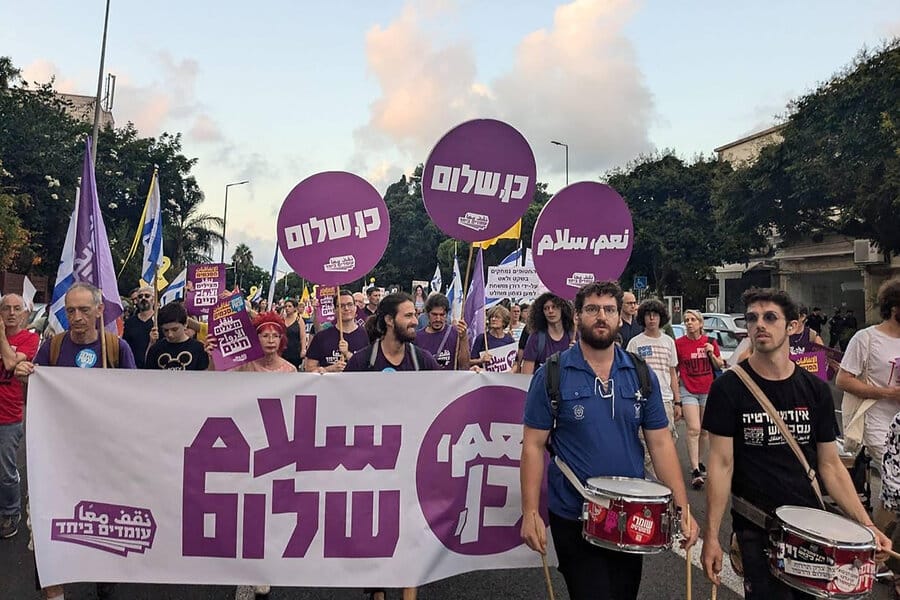
Standing Together is a Jewish-Arab political and social movement that advocates cooperation around issues including peace, equality and social justice.
Its supporters seek to bring Jewish and Palestinian citizens together around shared civic goals.
The movement's political positions are not universally accepted, and its activities should be understood as advocacy rather than neutral representation of Israeli society.
Nevertheless, its existence demonstrates that some citizens are attempting to organise across national identities rather than exclusively within them.
This offers another model of cooperation, distinct from education or professional life.
What makes cooperation meaningful?
Not every dialogue initiative produces lasting change.
Public meetings and symbolic events may generate positive publicity without substantially affecting relationships.
A more serious evaluation should ask whether participants maintain contact, whether programmes reach people beyond already sympathetic audiences and whether initiatives influence institutional practices.
It should also examine whether participants can discuss difficult political questions openly.
Coexistence cannot depend on avoiding every disagreement.
A durable relationship must allow people to express conflicting experiences and aspirations without fear of intimidation.
The most meaningful initiatives may therefore be those that combine practical cooperation with the willingness to address inequality, historical grievances and political disagreement.
8. What Do Jewish and Arab Israelis Want for Their Future?
There is no single Jewish vision of Israel's future.
Nor is there one Arab vision.
Within both populations, people disagree about security, religion, democracy, national identity, economic priorities and the Israeli-Palestinian conflict.
Some prioritise stronger national security measures.
Others emphasise civil liberties, economic development, constitutional protections or negotiations towards a political settlement.
These differences make it difficult to describe the country's future as a simple choice between two communities.
Security and belonging
For many Jewish Israelis, the country's existence as a Jewish state is closely connected to the history of antisemitism, persecution and the need for national self-determination.
Security concerns have been intensified by wars, terrorist attacks and regional threats.
For many Arab citizens, the question of belonging involves a different set of concerns.
They may seek full equality within Israeli society while also maintaining a Palestinian national identity.
Some regard the country's Jewish constitutional identity as compatible with their citizenship, provided that individual and collective rights are protected.
Others argue that meaningful equality requires substantial changes to the state's constitutional and political arrangements.
These disagreements are central to Israel's political future.
The role of younger generations
Young people will inherit the consequences of today's political decisions.
Their experiences are shaped by education, employment, digital media, family history and the security environment.
Some grow up in communities with regular contact across religious and national lines.
Others have limited opportunities to meet people from different backgrounds.
The internet can broaden exposure to alternative perspectives, but it can also reinforce stereotypes and polarisation.
For young Jewish and Arab citizens, the question is whether they will encounter one another primarily through political confrontation or through shared institutions and opportunities.
Education, employment and civic participation will influence that outcome.
A future cannot be built on denial
A more stable society will require recognition of different historical experiences.
Jewish fears about antisemitism and security cannot simply be dismissed.
Palestinian experiences of displacement, discrimination and national dispossession cannot be ignored.
The suffering of Israeli civilians does not erase the suffering of Palestinian civilians.
Nor does concern for Palestinian rights justify attacks against Jewish civilians.
Recognising these distinctions is not an attempt to equate every event or every responsibility.
It is a recognition that individual rights and civilian protection must remain fundamental principles.
The future of Jewish-Arab relations will depend partly on whether institutions can uphold those principles consistently.
9. What This Means — Can Shared Lives Build a Shared Future?
The experiences of Jewish and Arab citizens in Israel challenge simplistic descriptions of the country.
Israel is neither a society in which all communities live in harmony nor one in which meaningful cooperation is absent.
It is a country where both realities exist.
The healthcare system demonstrates substantial professional integration.
Universities and workplaces create opportunities for shared experience.
Integrated schools offer alternative approaches to education.
Civil society organisations seek to preserve dialogue and cooperation.
At the same time, economic disparities, political divisions, discrimination and unresolved historical grievances continue to affect relationships.
The war following 7 October placed these tensions under additional pressure.
The central question is whether practical cooperation can become a foundation for more equal and trusting relationships.
Cooperation is necessary but insufficient
Working together can create familiarity.
It can demonstrate competence, challenge stereotypes and establish professional trust.
But cooperation does not automatically produce equality.
A society may depend on the labour of a minority population while failing to provide that population with comparable access to resources or political influence.
For coexistence to become sustainable, it must be supported by institutions that protect rights and provide fair opportunities.
Shared institutions can protect social relationships
Hospitals, schools, universities and workplaces create forms of contact that may survive political disagreement.
These institutions are important because they provide practical reasons for people to continue interacting.
However, they also require leadership capable of responding to discrimination, harassment and political tensions.
Institutional neutrality should not mean ignoring injustice.
It should mean applying fair and consistent standards while protecting individuals from collective blame.
The importance of listening
Journalism has a role in making these complexities visible.
Reporting on conflict is essential, but reporting only on conflict risks reducing entire populations to political categories.
Jewish citizens are not interchangeable with the Israeli government.
Arab citizens are not interchangeable with Palestinian political organisations.
Individuals have distinct experiences, beliefs and aspirations.
Their stories can reveal aspects of society that political statements and military developments do not capture.
Listening to these experiences does not require abandoning critical scrutiny.
It requires recognising that understanding a country begins with understanding the people who live within it.
10. Conclusion — Beyond the Conflict, a Shared Responsibility
The relationship between Jewish and Arab citizens of Israel cannot be understood through a single photograph, political speech or moment of violence.
It is the product of generations of history, competing national identities, social change and daily human interaction.
There are profound disagreements about the past.
There are legitimate concerns about security, discrimination, equality and political representation.
And there are unresolved questions about the future of Israel and the Palestinian people.
Yet there is also a reality that deserves attention.
Jewish and Arab citizens work together every day.
They treat patients, educate children, build businesses and contribute to the functioning of shared institutions.
Their cooperation does not eliminate the conflict.
It does not erase the suffering of either community.
And it does not mean that structural inequalities have been overcome.
But it demonstrates that political division does not make human cooperation impossible.
The challenge is to ensure that these relationships are supported by equal rights, fair opportunities and institutions that protect every citizen.
For some, coexistence means friendship and mutual understanding.
For others, it means the ability to live safely, preserve their identity and participate equally in society without being required to agree on every political question.
Both dimensions matter.
The future of Jewish-Arab relations will not be determined by dialogue alone. It will also depend on political decisions, public investment, legal protections and the broader course of the Israeli-Palestinian conflict.
Nevertheless, the relationships already developing in hospitals, schools, workplaces and communities offer an important starting point.
They remind us that a society can contain deep divisions while also possessing the human relationships necessary to confront them.
Beyond the headlines of war and political confrontation, another story continues to unfold: the daily efforts of people who share a country, even when they do not share the same understanding of its past or its future.
That story deserves to be told.
Independent Journalism. Beyond the Headlines.
Editorial Note
This article is based on published demographic data, academic research, public opinion surveys and information from established civil society organisations.
The examples of cooperation in hospitals and workplaces describe documented institutional patterns and illustrative situations. They are not presented as original interviews or eyewitness accounts.
Jewish and Arab populations are diverse, and neither community should be treated as politically uniform. Survey findings represent respondents at the time of fieldwork and should not be interpreted as permanent attitudes.
The article primarily concerns Jewish and Arab citizens of Israel. The legal and political circumstances of Palestinians in the occupied West Bank, East Jerusalem and Gaza differ and should not be conflated with Israeli citizenship.