Tribes, Religion and Power: Who Really Controls Communities in the Middle East?
Who holds power beyond government? Explore how tribal leaders, religious authorities and political institutions shape life across the Middle East.
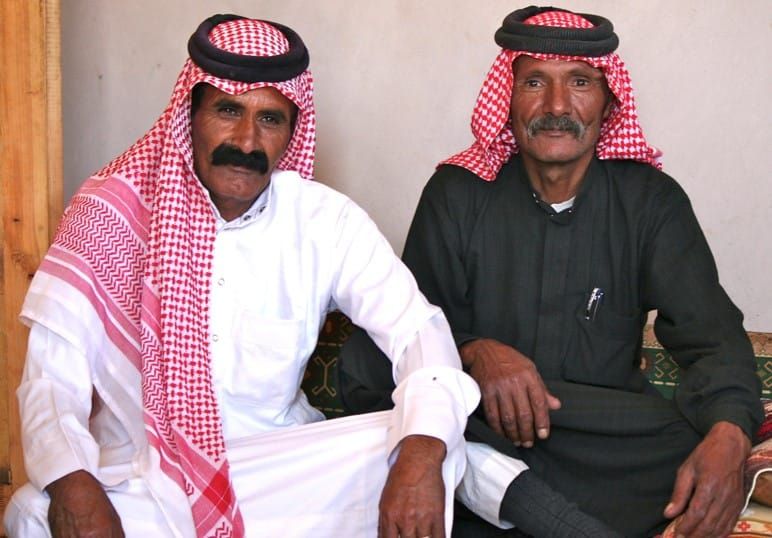
How tribal loyalties, religious authorities and political institutions shape justice, marriage, conflict and everyday life across the region.
IN-DEPTH | Beyond the Lines
Estimated reading time: 16–19 minutes
The Story in Brief
Across the Middle East, power is not exercised exclusively through governments, courts and official institutions. In some communities, tribal elders, clan networks and religious authorities continue to influence how disputes are resolved, marriages are arranged, political alliances are formed and social obligations are enforced.
These structures are neither uniform nor necessarily opposed to modern government. In Jordan, tribal reconciliation traditions coexist with state institutions. In Iraq, customary mediation may resolve disputes but can also expose vulnerable people to coercion. In Yemen, tribal networks have played important roles in local governance and negotiations during conflict.
Traditional authority can provide protection, solidarity and stability, particularly where government institutions are weak. It can also create tensions between collective expectations and individual rights.
Understanding who holds power therefore requires looking beyond constitutions and political leaders to examine how authority operates within communities.
Introduction — The Power Behind the Institutions
A government may pass a law, a court may deliver a judgement and a constitution may guarantee equal rights. Yet the outcome of a dispute can still depend on the decisions of a tribal elder, the influence of an extended family or the intervention of a religious leader.
This is one of the less visible dimensions of political and social life in parts of the Middle East.
The region is often examined through the actions of presidents, monarchs, armed movements and religious institutions. Less attention is given to the informal networks that influence how authority is exercised within communities.
Tribal and clan structures existed across the region long before many of its modern national borders were established. They developed mechanisms for managing conflict, distributing resources, providing protection and maintaining relationships between families.
These systems did not simply disappear with the creation of modern states.
In some countries, governments incorporated influential tribal families into political institutions. Elsewhere, local leaders retained authority because formal institutions were distant, ineffective or distrusted. During periods of war, customary arrangements sometimes became essential to the survival of communities.
But traditional authority raises difficult questions.
What happens when a tribal settlement conflicts with an individual's legal rights? Can a woman refuse a family decision without facing social consequences? Does informal mediation provide justice, or does it sometimes protect powerful families from accountability?
And when religious leaders, tribal elders and government officials disagree, whose authority ultimately prevails?
The answers differ considerably between countries, communities and individuals.
Understanding these differences is essential to understanding the relationship between tradition, political power and human rights in the modern Middle East.
1. Before the Modern State: The Historical Roots of Tribal Authority
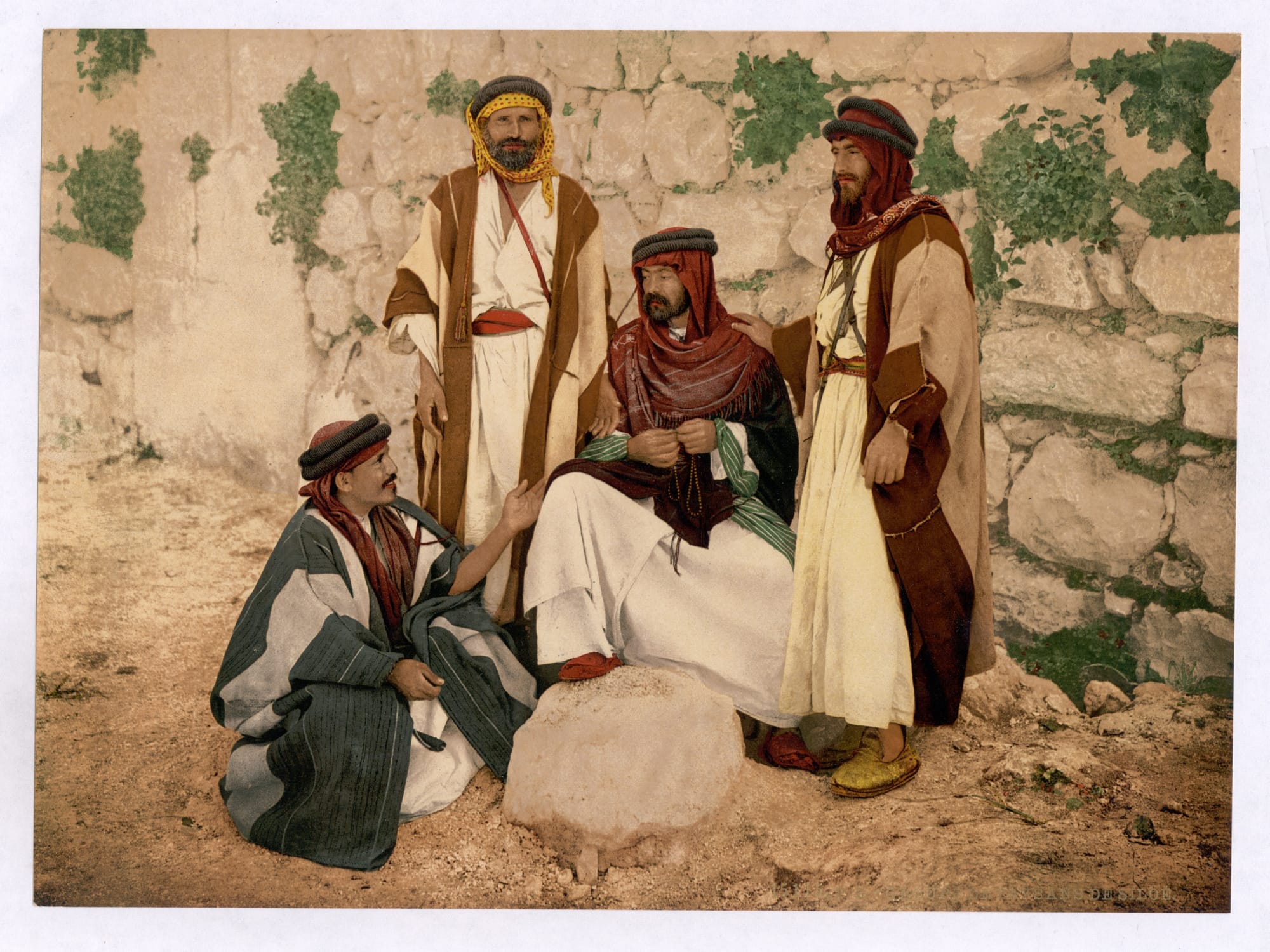
Long before the emergence of modern states such as Iraq, Jordan and Saudi Arabia, much of the Middle East was organised through overlapping networks of families, tribes, villages, religious communities and regional authorities.
Tribal structures were particularly influential in areas where populations depended on pastoralism, agriculture, trade routes or seasonal migration.
Membership in a tribe could provide protection against external threats, access to shared resources and assistance during economic hardship. It also created obligations: individuals were expected to support relatives, contribute to collective responsibilities and respect established customs.
In many communities, authority was exercised through recognised elders rather than a centralised bureaucracy. Their influence depended on reputation, family standing, negotiation skills and the ability to maintain relationships between groups.
Tribal leadership was not necessarily absolute. A leader who repeatedly failed to protect the interests of his community could lose influence. Rival branches of a tribe might challenge his decisions, and alliances could change according to political or economic circumstances.
These societies also developed mechanisms for resolving disputes.
Compensation arrangements, mediation and negotiated settlements could help prevent a conflict between two individuals from escalating into violence between extended families.
Such arrangements were particularly important where formal courts were inaccessible or where communities did not recognise an external authority as legitimate.
The relationship between tribes and governments changed over time.
Under Ottoman rule, local notables and tribal leaders sometimes negotiated taxation, military obligations and territorial administration with imperial officials. The balance of power varied greatly across the empire.
During the nineteenth and twentieth centuries, expanding state administrations attempted to regulate territory, establish courts and centralise political authority.
The creation of modern states following the First World War brought further changes. New borders divided some tribal territories, while governments sought alliances with influential local families.
Yet state formation did not eliminate tribal identity.
In many areas, tribal networks adapted to new institutions. Members entered government service, joined national armed forces, became parliamentarians or developed commercial interests.
This historical continuity explains why tribal affiliation remains socially or politically significant in some parts of the Middle East today.
It does not mean that tribal institutions operate everywhere in the same way. Urbanisation, education, migration and economic transformation have profoundly changed their influence.
2. Tribes, Clans and Religious Leaders: Understanding the Differences
The terms tribe, clan and religious authority are sometimes used interchangeably in discussions about the Middle East.
They describe different forms of social organisation.
A tribe is generally understood as a community or network that claims a shared ancestry, identity or historical relationship. Its members may be spread across several towns, regions or countries.
A clan usually refers to a smaller kinship group, although definitions differ between societies.
Religious authorities derive influence from religious learning, recognised office, institutional leadership or the trust placed in them by followers.
A tribal elder may resolve a dispute because the families involved recognise his social standing. A religious scholar may offer guidance because people accept his interpretation of religious teachings. A judge, by contrast, exercises authority granted through the legal system.
These sources of legitimacy can overlap.
An influential tribal family may produce religious scholars, politicians or senior military officers. A religious leader may belong to a powerful clan. A government official may rely on family relationships to maintain local support.
But tribal membership does not automatically determine religious identity.
Tribal communities may include people with different religious affiliations, and members of the same religion may belong to competing tribes or political networks.
Likewise, religious communities are not necessarily organised around tribes.
Christian churches, Islamic scholarly institutions, Jewish religious courts and other faith-based organisations have distinct structures and traditions.
This distinction matters because political commentary sometimes treats religious and tribal authority as if they were a single system.
In reality, they may cooperate, compete or operate independently.
The influence of each depends on local history, the strength of state institutions and the willingness of individuals to recognise its legitimacy.
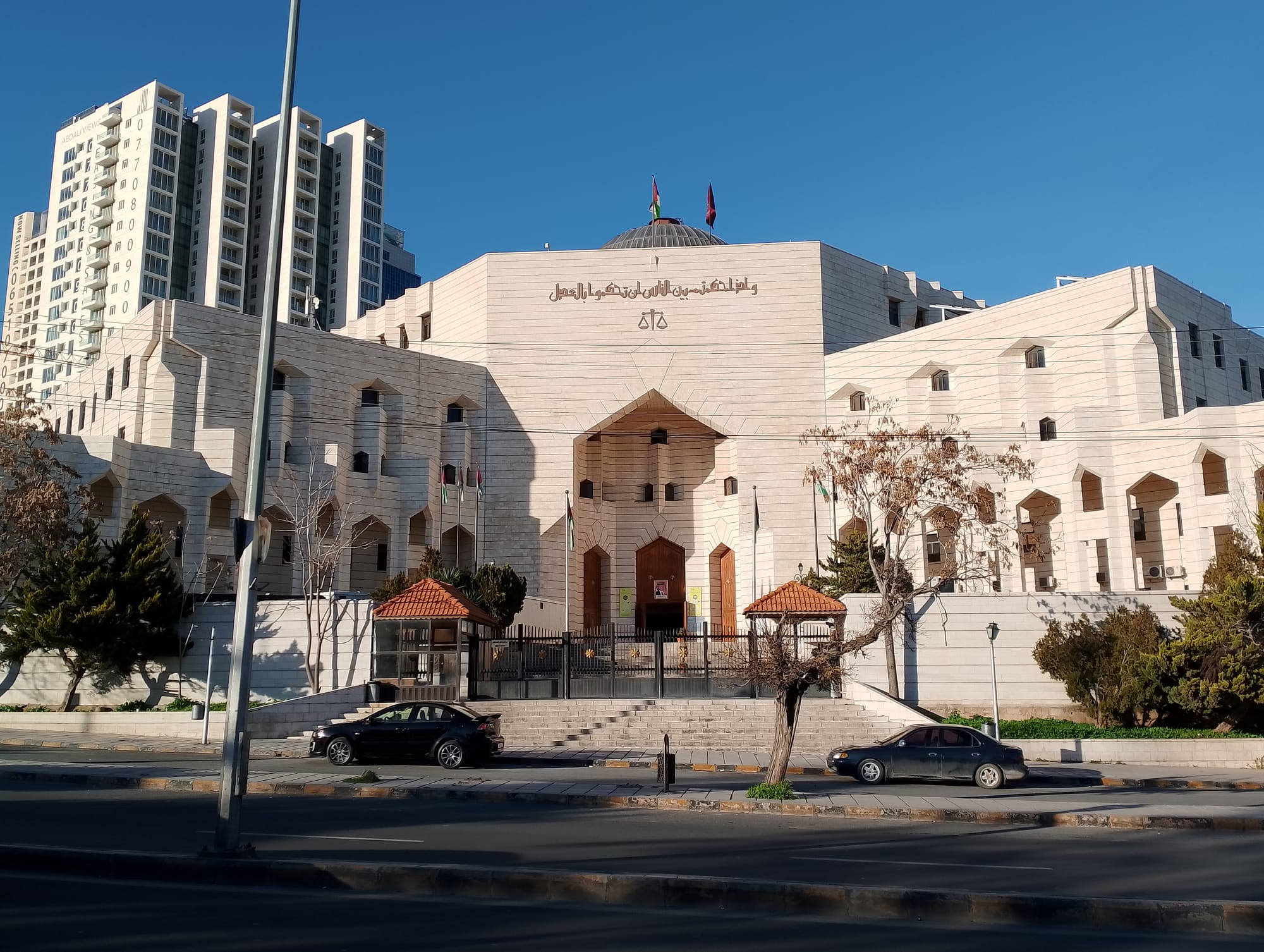
3. When State Law Meets Tribal Custom
One of the most important questions in understanding traditional authority is what happens when customary expectations conflict with national law.
Modern Middle Eastern states generally maintain formal legal institutions, including courts, police forces and administrative authorities.
Yet customary mediation continues to operate in some communities alongside these institutions.
A family dispute may first be brought before respected elders. A disagreement over property might be negotiated through relatives. A violent incident may lead to a reconciliation process intended to prevent retaliation.
These arrangements can be attractive because they are familiar, relatively accessible and sometimes faster than formal litigation.
They may also preserve relationships between families that must continue living together after a dispute.
However, accessibility is not the same as fairness.
A settlement negotiated by influential male relatives may not reflect the wishes of every person affected. Women, children, poorer families and socially marginalised individuals may have less power to reject an agreement.
Problems become particularly serious when informal mediation is used to discourage victims from reporting violence or to pressure them into abandoning legal proceedings.
Customary justice can also raise questions about collective responsibility.
In some traditions, disputes are treated as conflicts between families rather than solely between individuals. Relatives who played no part in an incident may nevertheless become involved in compensation or reconciliation arrangements.
International human rights principles place responsibility on states to protect individuals from discrimination, coercion and violence, including when abuses involve private actors.
Traditional reconciliation therefore cannot substitute for effective legal protection.
The central issue is not whether communities should be allowed to mediate disagreements. It is whether such mediation is voluntary, accountable and consistent with fundamental rights.
4. Marriage, Family Honour and Social Control
Marriage is one of the areas where family expectations, religious traditions and customary authority can intersect most visibly.
Across the Middle East, marriage practices differ considerably according to country, religion, social background and individual preference.
In many families, relatives play an important role in introducing potential partners, discussing financial arrangements and organising celebrations.
Family involvement is not necessarily coercive.
An arranged marriage, in which relatives help identify a partner, is fundamentally different from a forced marriage, in which one or both individuals cannot freely consent.
The distinction becomes critical when social pressure prevents a person from refusing a proposed marriage.
In some communities, marriage decisions may be influenced by expectations concerning family reputation, kinship ties, economic security or relationships between groups.
A marriage can strengthen an alliance between families. It may also be regarded as a way of maintaining property or social connections within a community.
Such considerations can create pressure on young people whose personal wishes differ from those of their relatives.
Women and girls may face particular vulnerabilities where family authority is reinforced by unequal legal protections or limited economic independence.
However, men can also experience pressure to marry within a particular family, tribe or religious community.
The concept of family honour can intensify these expectations.
Honour has different meanings across societies, and it should not be treated as an exclusively Middle Eastern or religious concept. Nevertheless, in some settings, controlling women's relationships or behaviour becomes closely connected to the perceived reputation of the wider family.
At its most extreme, this can contribute to threats, confinement, forced marriage or so-called honour-based violence.
Such violence is a violation of individual rights. It cannot be justified by cultural tradition or religious identity.
It is also important to recognise the many families, religious leaders and community organisations that oppose these practices.
The real question is whether individuals can make decisions about marriage and family life without fear of punishment, exclusion or violence.
5. Jordan: Tribal Traditions Within a Modern Monarchy
Jordan offers an important example of how tribal relationships and modern state institutions can coexist.
Tribal networks have played significant roles in the country's political and social development, including in relations between local communities and the Hashemite monarchy.
Historically, the Jordanian state developed relationships with influential tribal groups through military service, public administration and political representation.
These relationships helped consolidate state authority, although Jordanian society has always included diverse urban, rural, Palestinian-origin and other communities whose political experiences cannot be reduced to tribal identity.
Tribal reconciliation remains socially significant in some parts of the country.
Following serious disputes, respected intermediaries may attempt to negotiate arrangements between families.
One recognised practice is atwa, a temporary truce or agreement intended to prevent retaliation while mediation takes place. Other reconciliation processes may seek compensation, acknowledgement of responsibility or a broader settlement.
Such arrangements can help reduce tensions.
They may be especially valuable when a violent incident threatens to provoke a wider conflict.
However, the relationship between customary reconciliation and formal criminal justice requires careful boundaries.
A family agreement cannot by itself establish whether a criminal offence occurred, nor should it prevent victims from accessing legal remedies.
Jordan has also experienced substantial social change.
Education, urbanisation, changing employment patterns and the participation of women in public life have influenced attitudes towards traditional authority.
Some citizens regard tribal networks as important sources of identity and solidarity. Others criticise the potential for personal connections to influence access to employment, services or political opportunities.
Jordan illustrates a broader regional reality: traditional identity can remain influential without replacing the state, but the relationship between the two may produce difficult questions about equality and accountability.
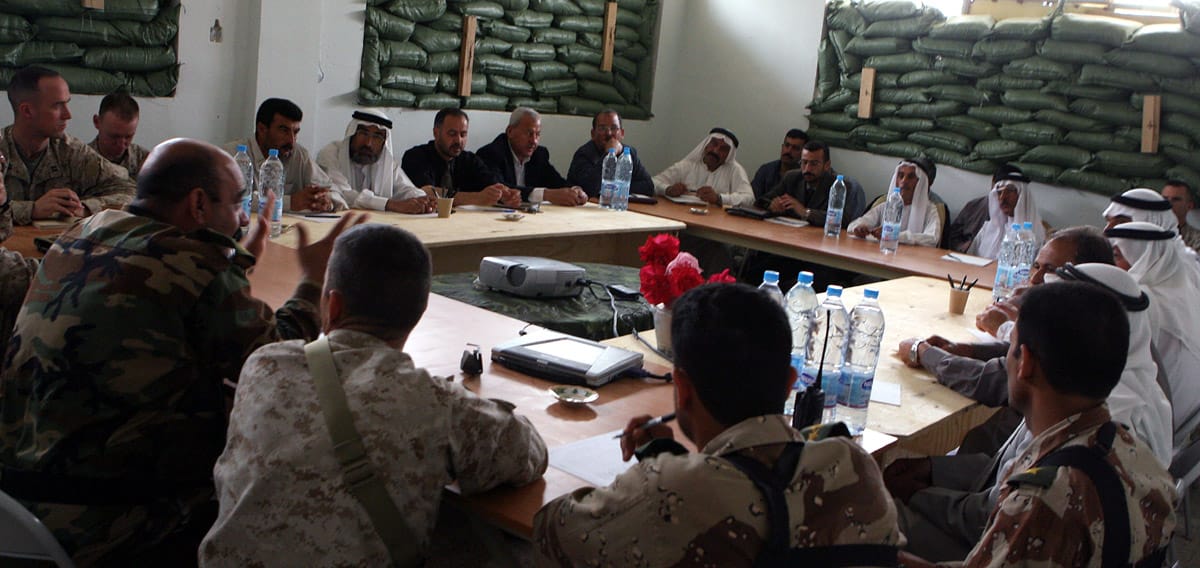
6. Iraq: Tribal Power, Militias and the Struggle for State Authority
In Iraq, tribal structures have interacted with state institutions through periods of monarchy, authoritarian rule, war, occupation and political instability.
Their role has changed considerably over time.
Under Saddam Hussein, the government at different stages attempted both to restrict independent tribal influence and to cultivate tribal alliances.
Following the US-led invasion in 2003, the collapse or weakening of state institutions created new opportunities for local power networks.
Tribal leaders became involved in mediation, political mobilisation and security arrangements.
In parts of western Iraq, tribal participation was significant in the Sunni Awakening movement that fought al-Qaeda in Iraq during the mid-2000s.
This demonstrated how local networks could become influential actors in national security.
Yet tribal structures are not identical to militias.
A tribe is a social and kinship network; a militia is an armed organisation. Their memberships and leadership may overlap, but treating them as interchangeable obscures important distinctions.
In contemporary Iraq, some communities continue to rely on tribal mediation to resolve disputes.
This can include disagreements involving property, injuries, business relationships or family matters.
However, human rights organisations and Iraqi observers have raised concerns about coercive tribal practices, particularly where armed threats or collective pressure are involved.
Women may face heightened risks when disputes involve marriage, sexual violence or family reputation.
A particularly troubling historical practice is fasliya, in which women or girls have been given in marriage as part of a settlement between tribes. Such arrangements violate the principle of free and full consent to marriage.
The extent and frequency of such practices require careful, location-specific documentation; they must not be portrayed as representative of Iraqi society as a whole.
Iraq's challenge is broader than tribal influence alone.
Corruption, armed groups, political patronage, uneven law enforcement and weak public confidence in institutions can all encourage people to seek protection through informal networks.
Strengthening the rule of law therefore requires more than restricting tribal authority.
It requires courts that people can access, police they can trust and institutions capable of protecting citizens regardless of their family or political connections.
7. Yemen: Tribes, War and Local Governance
Yemen demonstrates how tribal networks can become especially important when central government authority is fragmented.
Tribal structures have long influenced social and political relationships in parts of the country, although their significance varies considerably by region.
Some communities maintain strong tribal affiliations, while others are organised primarily through urban, religious, regional or different local institutions.
Before the current conflict, tribal leaders participated in political alliances, local mediation and negotiations with national authorities.
The war that escalated in 2014–2015 profoundly disrupted Yemen's political institutions and economy.
As state services deteriorated in many areas, local networks became increasingly important for managing disputes and negotiating access.
Tribal mediators have sometimes helped secure local ceasefires, negotiate prisoner exchanges or facilitate humanitarian movement.
Their knowledge of local relationships can make them effective intermediaries where national or international actors have limited influence.
But tribal leaders do not control all armed actors, and their ability to enforce agreements is often limited.
Yemen's conflict involves multiple political and military forces, including the Houthi movement, internationally recognised government authorities and other armed groups with differing territorial interests.
Tribal identities and loyalties intersect with these divisions but do not fully explain them.
Nor should tribal authority be romanticised.
Local power structures can reproduce inequalities, and mediation may favour those with stronger social or military backing.
The humanitarian consequences of prolonged conflict also extend far beyond questions of tribal governance.
Displacement, poverty, disrupted healthcare, food insecurity and restrictions on movement affect millions of Yemenis.
Nevertheless, understanding tribal mediation remains essential to understanding how some communities negotiate survival amid institutional fragmentation.
8. The Gulf States: Tribal Identity, Political Legitimacy and Modernisation
Tribal relationships have played important roles in the historical development of several Gulf states.
In parts of the Arabian Peninsula, ruling families built alliances with tribal groups through protection arrangements, political negotiation, marriage ties and shared economic interests.
These relationships contributed to processes of state formation, although the histories of Saudi Arabia, Kuwait, Qatar, Bahrain, Oman and the United Arab Emirates differ substantially.
The discovery and development of oil and gas transformed the region.
Growing state revenues enabled governments to expand infrastructure, education, healthcare, security institutions and public administration.
Urbanisation and international migration further changed the social environment.
Today, the Gulf states contain highly diverse populations, including substantial numbers of foreign workers and residents whose legal and social positions differ from those of citizens.
Tribal identity remains meaningful for some citizens, but it does not provide a complete explanation of political authority.
Modern Gulf governments exercise power through state institutions, legislation, security structures and economic policy.
Some also maintain consultative traditions or political relationships rooted partly in historical tribal networks.
The relationship between these traditions and political participation differs between countries.
Kuwait has a parliamentary system with a distinctive history of political contestation, although parliamentary life has faced major restrictions and institutional changes. Other Gulf states operate through different monarchical and consultative arrangements.
Economic modernisation has also created changing expectations among younger generations.
Education, digital communication, professional mobility and international experience can challenge older assumptions about family and community authority.
Yet modernisation does not automatically produce political liberalisation or equal rights.
A state may develop advanced infrastructure and global commercial relationships while retaining restrictions on political participation, expression or aspects of personal autonomy.
The Gulf experience therefore shows that traditional legitimacy and modern state-building can coexist, sometimes reinforcing one another rather than competing.
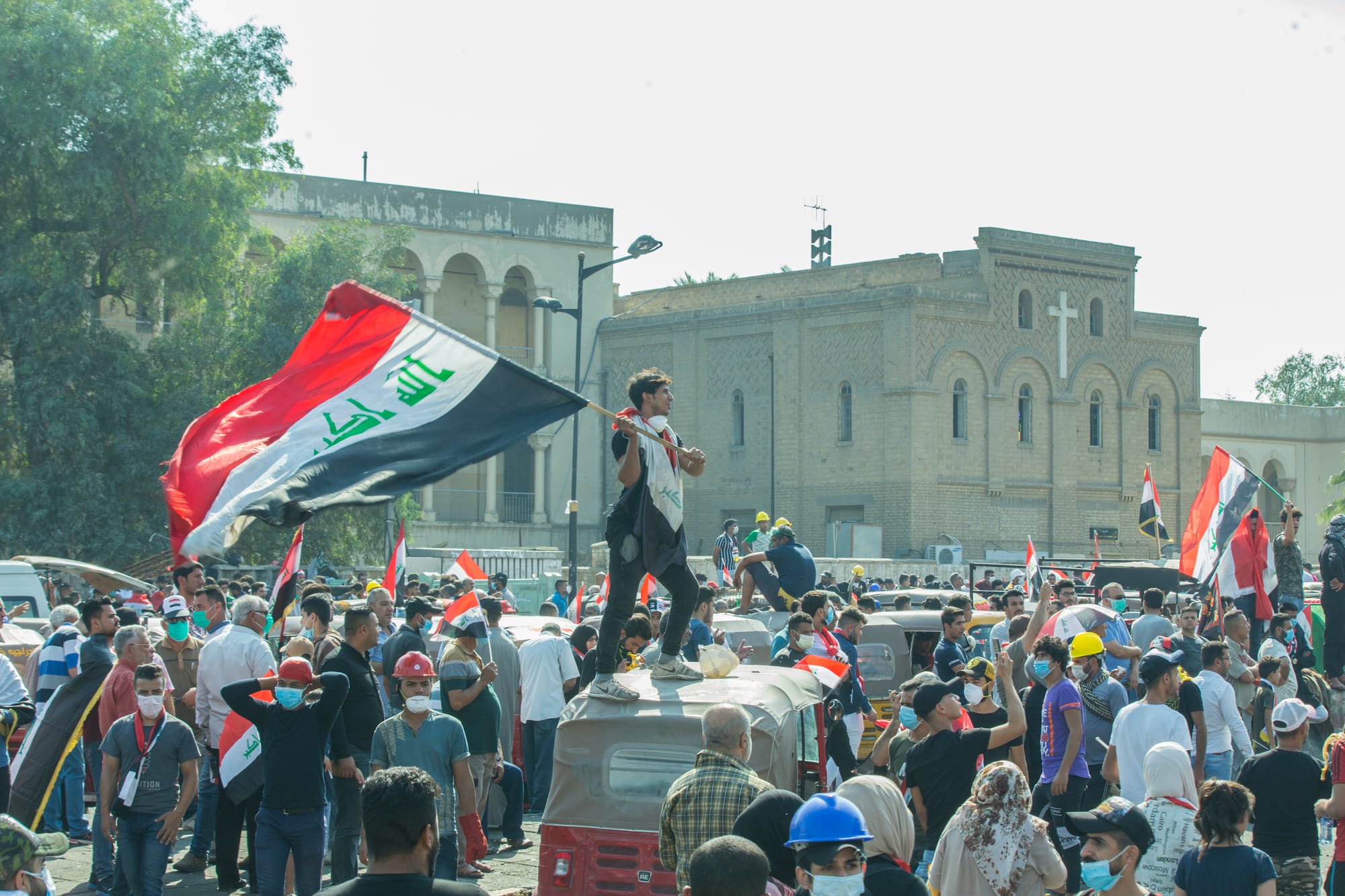
9. Women, Young People and the Limits of Community Authority
The influence of traditional authority becomes particularly visible when individuals seek to make choices that differ from community expectations.
For women, these decisions may concern education, employment, marriage, divorce, inheritance or freedom of movement.
For younger generations more broadly, they may involve career choices, religious practice, political participation or relationships outside established social networks.
The extent of family or community influence varies widely.
Many families encourage education and professional independence. Others expect young adults to follow decisions made by parents or senior relatives.
Disagreements are not necessarily abusive. Families everywhere negotiate expectations across generations.
The concern arises when disagreement becomes coercion.
An individual who fears violence, financial punishment or forced confinement may have little meaningful freedom to reject a family decision.
Women can face additional barriers where discriminatory laws or economic dependence make it difficult to leave an unsafe environment.
Young men may also encounter expectations concerning loyalty, marriage, employment or participation in family disputes.
Digital technology has complicated these relationships.
Social media and online education can expose young people to different perspectives and provide connections beyond their immediate communities.
At the same time, digital surveillance, harassment and threats can create new mechanisms of control.
The struggle for autonomy should not be understood as a simple confrontation between Western individualism and Middle Eastern tradition.
People throughout the region articulate their own arguments for dignity, consent, religious freedom and equal treatment.
Some seek reform through secular legal institutions. Others draw on religious teachings, community traditions or constitutional principles.
The shared issue is whether individuals can exercise rights without being punished for challenging those with greater social power.
10. Tribal Mediation: Protection, Justice or Parallel Authority?
Traditional mediation presents a difficult dilemma.
In communities where formal institutions are slow, expensive or inaccessible, a respected local intermediary may provide a practical means of resolving conflict.
A negotiated settlement can prevent retaliation, restore relationships and reduce the risk of further violence.
These outcomes should not be dismissed.
Community-based mediation has value in many societies, including outside the Middle East.
However, effective mediation depends on the conditions under which an agreement is reached.
A settlement cannot be considered genuinely voluntary when one party faces threats or lacks the ability to refuse.
Nor should mediation become a mechanism for concealing serious crimes.
Sexual violence, forced marriage, domestic abuse and other offences require effective legal protection and accountability.
When influential families can negotiate outcomes unavailable to less powerful individuals, informal justice may reinforce inequality.
The distinction between reconciliation and impunity is therefore essential.
A community may seek to restore social peace while the state continues to investigate and prosecute a criminal offence.
These objectives need not be mutually exclusive.
A rights-respecting approach would allow voluntary mediation in appropriate disputes while ensuring that criminal law, individual consent and access to independent courts remain protected.
Traditional leaders may be valuable partners in preventing violence.
They should not become substitutes for legal institutions accountable to all citizens.
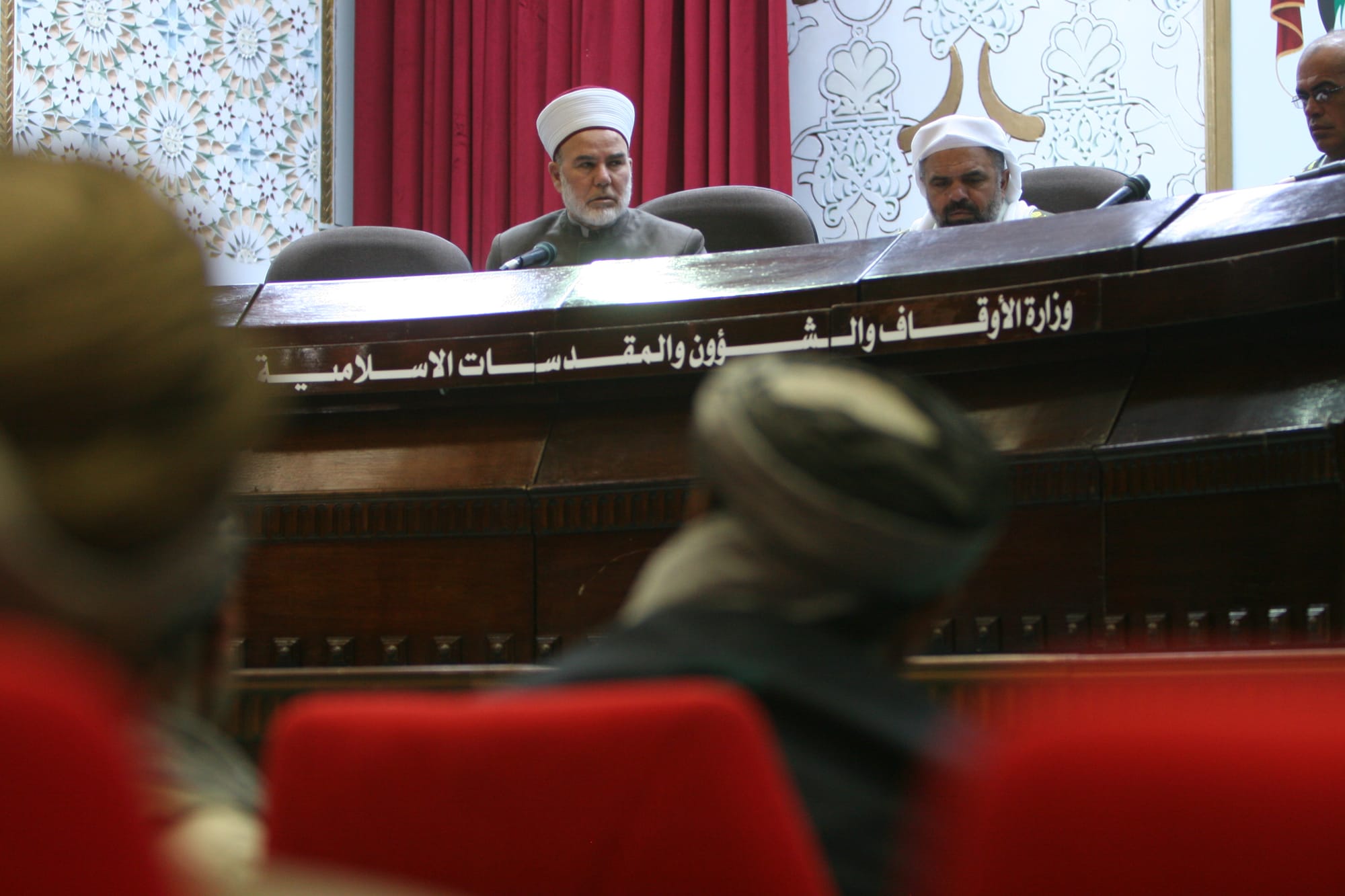
11. Religion and Power: Cooperation, Competition and Political Influence
Religious authority adds another dimension to the relationship between communities and the state.
Across the Middle East, religious institutions may influence education, charitable activity, family law, political debate and public morality.
Their relationship with government varies considerably.
Some religious leaders hold official positions within state institutions. Others operate independently or criticise government policy.
In certain countries, religious courts exercise legally recognised jurisdiction over aspects of personal status, including marriage and divorce.
Elsewhere, religious law is incorporated into national legislation or interpreted through civil courts.
These arrangements should not be confused with tribal customary law.
Religious scholars may base their arguments on scripture, jurisprudence and recognised traditions of interpretation.
Tribal mediators generally rely on customary expectations, local relationships and negotiated obligations.
Nevertheless, the two forms of authority can intersect.
A family dispute may involve religious questions and tribal mediation simultaneously. Political leaders may seek the support of both religious institutions and influential tribal families.
At times, religious and tribal authorities reinforce government policy.
At other times, they challenge it.
Religious institutions have also been important sources of humanitarian assistance, education and advocacy for vulnerable communities.
Some faith leaders have supported dialogue, opposed sectarian violence and challenged harmful social practices.
Others have defended restrictive interpretations or supported political movements that limit individual freedoms.
It would therefore be inaccurate to treat religious authority as inherently oppressive or inherently protective.
Its consequences depend on the institutions involved, the interpretation of religious principles and the degree of accountability exercised over those who claim authority.
A central democratic and human rights question is whether citizens receive equal protection regardless of their religious affiliation, family background or willingness to follow community expectations.
12. Can Traditional Authority Coexist With Equal Rights?
The continued influence of tribal and religious institutions raises an important question for the future of the Middle East.
Must traditional authority disappear for individual rights to advance?
Not necessarily.
Communities can preserve cultural identity, family relationships and customary methods of cooperation without granting unchecked power to local leaders.
Traditional mediation can contribute to peace when participation is voluntary and outcomes respect the law.
Religious institutions can provide moral guidance, education and social assistance without coercing individuals who hold different beliefs.
Tribal networks can maintain cultural traditions while accepting that citizenship and legal protection must not depend on ancestry.
The challenge is establishing clear boundaries.
No individual should be forced into marriage because of a family agreement.
No victim of violence should be denied access to justice because a community prefers reconciliation.
No citizen should receive inferior protection because they lack influential relatives.
And no person should lose fundamental rights merely because they disagree with a religious or tribal authority.
Achieving these principles requires effective courts, accessible legal assistance, education and protection for people facing threats or discrimination.
It also requires reformers who understand local communities.
Changes imposed without public trust may face resistance or remain ineffective.
Community leaders can therefore play constructive roles when they support consent, accountability and equal treatment.
Women, younger generations, legal professionals, religious scholars and civil society organisations are all important participants in this process.
The objective need not be the elimination of tradition.
It should be a system in which traditions can survive without overriding the rights of the people who live within them.
What This Means — Understanding Power Beyond Government
The influence of tribes, clans and religious authorities complicates conventional explanations of Middle Eastern politics.
Official institutions matter, but they do not always reveal how decisions are made or how people experience authority.
A government may possess formal legal powers while depending on local networks for political support.
A court may issue a judgement that requires cooperation from community leaders to be implemented effectively.
An armed conflict may involve national and international actors while local mediators negotiate arrangements that allow civilians to survive.
These realities have implications for international diplomacy, humanitarian assistance and human rights policy.
External governments and organisations that ignore local authority structures may misunderstand how communities function.
But engaging traditional leaders without considering accountability can also strengthen existing inequalities.
A balanced approach requires recognising the practical influence of community institutions while ensuring that women, minorities, young people and other vulnerable individuals are not excluded from decision-making.
The central distinction is between authority that serves a community and authority that prevents its members from exercising their rights.
Conclusion — Who Really Holds the Power?
There is no single answer to the question of who controls communities in the Middle East.
In some places, the state exercises strong and largely centralised authority. Elsewhere, tribal elders, religious institutions, political parties, armed groups and extended families share or compete for influence.
These relationships are shaped by history, geography, economics, conflict and social change.
Traditional authority can offer protection, belonging and stability. It can also become a source of coercion when individuals cannot challenge those who claim to speak on behalf of their communities.
The most important question is therefore not simply whether tribal or religious authority exists.
It is whether that authority is accountable.
A community's traditions deserve to be understood in their historical and social context. But cultural continuity cannot justify violence, discrimination or the denial of fundamental freedoms.
The future of governance in the Middle East will depend partly on how societies negotiate the relationship between inherited forms of authority and the rights of individual citizens.
The measure of legitimate power is not only whom it represents, but also whom it protects — especially when an individual chooses to disagree.
Sources & References
- European Union Agency for Asylum (EUAA). Iraq: Arab Tribes and Customary Law (2023). Research on tribal structures, dispute resolution, customary practices and associated human rights concerns.
https://www.euaa.europa.eu/news-events/euaa-report-arab-tribes-and-customary-justice-iraq - European Union Agency for Asylum (EUAA). Country Guidance: Iraq (November 2024). Sections on tribal authority, forced marriage, blood feuds and actors of persecution.
https://euaa.europa.eu/country-guidance-iraq-2024 - UK Home Office. Country Policy and Information Note: Iraq — Blood Feuds, Honour Crimes and Tribal Violence (July 2024). Detailed country-of-origin research on tribal disputes, mediation and risks to individuals.
https://www.gov.uk/government/publications/iraq-country-policy-and-information-notes/country-policy-and-information-note-iraq-blood-feuds-honour-crimes-and-tribal-violence-iraq-july-2024-accessible - Watkins, Jessica. “Seeking Justice: Tribal Dispute Resolution and Societal Transformation in Jordan.” International Journal of Middle East Studies (2014). Academic analysis of tribal reconciliation, atwa and changing relationships with state institutions.
https://www.cambridge.org/core/journals/international-journal-of-middle-east-studies/article/abs/seeking-justice-tribal-dispute-resolution-and-societal-transformation-in-jordan/193AFB8691431643C90BD69482F1ECFF - Alon, Yoav. “Tribes and State-Formation in Mandatory Transjordan.” Civil Wars, Vol. 8, Issue 1 (2006). Historical research on tribal relationships and the formation of the Jordanian state.
https://doi.org/10.1080/13698240600886081 - Sana'a Center for Strategic Studies. Tribes and the State in Yemen (2022). Research on tribal governance, conflict mediation, local authority and the relationship between tribes and political institutions.
https://sanaacenter.org/publications/policy-research/16156 - United Nations. Universal Declaration of Human Rights (1948). International principles concerning equality, personal freedom, marriage and legal protection.
https://www.un.org/en/about-us/universal-declaration-of-human-rights - United Nations Human Rights Office. Convention on the Elimination of All Forms of Discrimination against Women (CEDAW) (1979). International framework for eliminating discrimination against women.
https://www.ohchr.org/en/instruments-mechanisms/instruments/convention-elimination-all-forms-discrimination-against-women
Editorial Note
This article is a comparative analysis based on published institutional research, academic scholarship and international human rights standards. It does not present original interviews or field investigations.
Tribal, clan and religious institutions differ significantly between countries and communities. Examples of coercive practices should not be interpreted as representative of all members of a tribe, religion or nationality.
The article distinguishes between formally recognised legal authority, customary mediation, religious influence and the actions of armed groups. Legal arrangements and political circumstances may change over time.