Born Without Freedom: The Women Living Under Afghanistan's Taliban
Millions of Afghan women and girls are being denied education, employment and fundamental freedoms. Denied education, employment and freedom. Explore the systematic oppression of Afghan women under Taliban rule and their courageous fight for fundamental human rights.
Denied Education, Silenced Voices and the Fight for Fundamental Human Rights
Beyond the Lines | Women's Rights, Human Rights & International Affairs | 26 November 2026
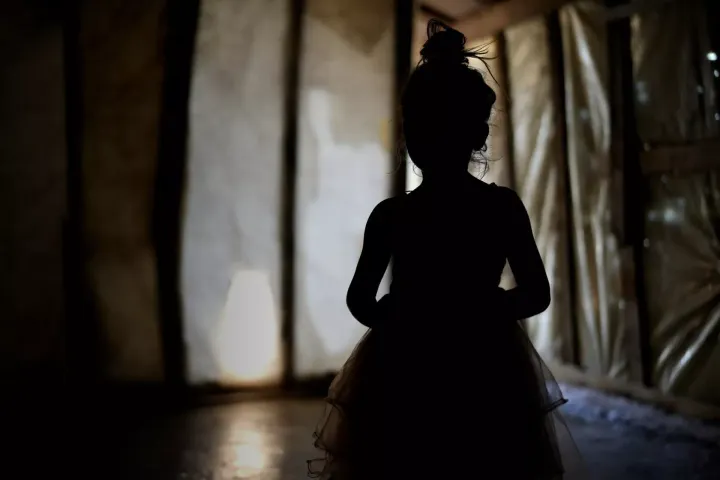
Short Story — The Girl Who Was No Longer Allowed to Dream
Her schoolbooks are still lying on the shelf.
Between their pages are handwritten notes, unfinished assignments and small reminders of a future she once believed belonged to her.
She wanted to become a doctor.
Not because someone had told her to pursue medicine, but because she had watched women in her community struggle to receive medical treatment. She wanted to help them. She wanted to become someone who could make a difference.
Every morning, she watches her younger brother prepare for school.
He puts his books into his bag, eats his breakfast and walks through the front door.
She remains behind.
They were born into the same family. They live beneath the same roof. They share the same parents, the same language and the same religion.
Yet their futures have been separated by a decision neither of them made.
He is allowed to learn.
She is not.
At first, her mother told her to be patient. Perhaps the schools would reopen. Perhaps the authorities would change their minds. Perhaps someone would intervene.
Days became months.
Months became years.
The school uniform she once wore no longer fits.
The teachers she admired have disappeared from her daily life. Some have stopped working. Others have left the country.
Her dreams have not disappeared, but the opportunities to pursue them are becoming increasingly distant.
She wonders what will happen when she reaches adulthood.
Will she be allowed to work?
Will she be able to choose whom she marries?
Will she be able to leave her home without depending on someone else?
Will she ever stand inside a university classroom?
These are questions that no child should have to ask.
Yet for millions of girls in Afghanistan, they represent the uncertainty of everyday life.
While the international community discusses diplomatic relations, humanitarian assistance and regional security, another generation is growing up behind closed doors.
A generation of girls who possess intelligence, ambition and determination, but whose opportunities are being taken away before they can discover their full potential.
Their exclusion is not the result of a natural disaster.
It is not an unavoidable consequence of poverty.
It is the result of decisions made by those who govern their country.
Decisions that determine how much freedom a human being is allowed to possess simply because she was born female.
Editorial note: This opening is an illustrative narrative based on the documented circumstances of Afghan girls. It does not represent an interview with an identified individual.
Introduction — A Country Where Being a Woman Limits Your Future
Imagine living in a country where your gender determines whether you are allowed to continue your education, pursue a profession, travel independently or participate in public life.
Imagine knowing that your brother can become a doctor, lawyer or engineer, while the same opportunities are systematically denied to you.
For millions of Afghan women and girls, this is not an imaginary situation.
It is their reality.
Since the Taliban regained control of Afghanistan on 15 August 2021, the country has experienced one of the most extensive reversals of women's rights in modern history.
Restrictions have progressively affected education, employment, movement, clothing, public participation and freedom of expression.
What initially appeared to be temporary measures developed into an institutionalised system of exclusion.
Five years after the Taliban's return, Afghanistan remains the only country in the world formally prohibiting girls and women from receiving education beyond the primary level.
In November 2026, UNESCO and UNICEF reported that more than 2.6 million Afghan girls had been deprived of secondary education since 2021.
The same report revealed that 53 percent of children of primary school age were outside formal general education.
This broader educational crisis affects both boys and girls, but adolescent girls face an additional, deliberate barrier imposed specifically because of their gender.
The consequences extend far beyond the classroom.
Afghanistan risks losing future generations of female doctors, teachers, researchers, entrepreneurs, journalists and community leaders.
Families are becoming more economically vulnerable. Women face increasing difficulties accessing essential services. Children are growing up in a society where inequality is being presented as an acceptable foundation for everyday life.
The Taliban presents many of its restrictions as necessary components of its interpretation of Islamic governance.
However, Muslim scholars, Islamic institutions, human rights organisations and governments across the Muslim world have challenged the justification for denying women education and fundamental rights.
This distinction is essential.
Islam is a global religion followed by diverse communities with different cultural traditions, theological interpretations and political systems.
The Taliban's policies are not representative of all Muslims.
Understanding what is happening in Afghanistan requires examining the political use of religious authority, the institutionalisation of gender discrimination and the consequences of international responses that have not secured the restoration of women's rights.
Above all, it requires recognising Afghan women not merely as victims, but as individuals with ambitions, capabilities and the right to determine their own futures.
Chapter 1 — Afghanistan Before the Taliban: A History Often Forgotten
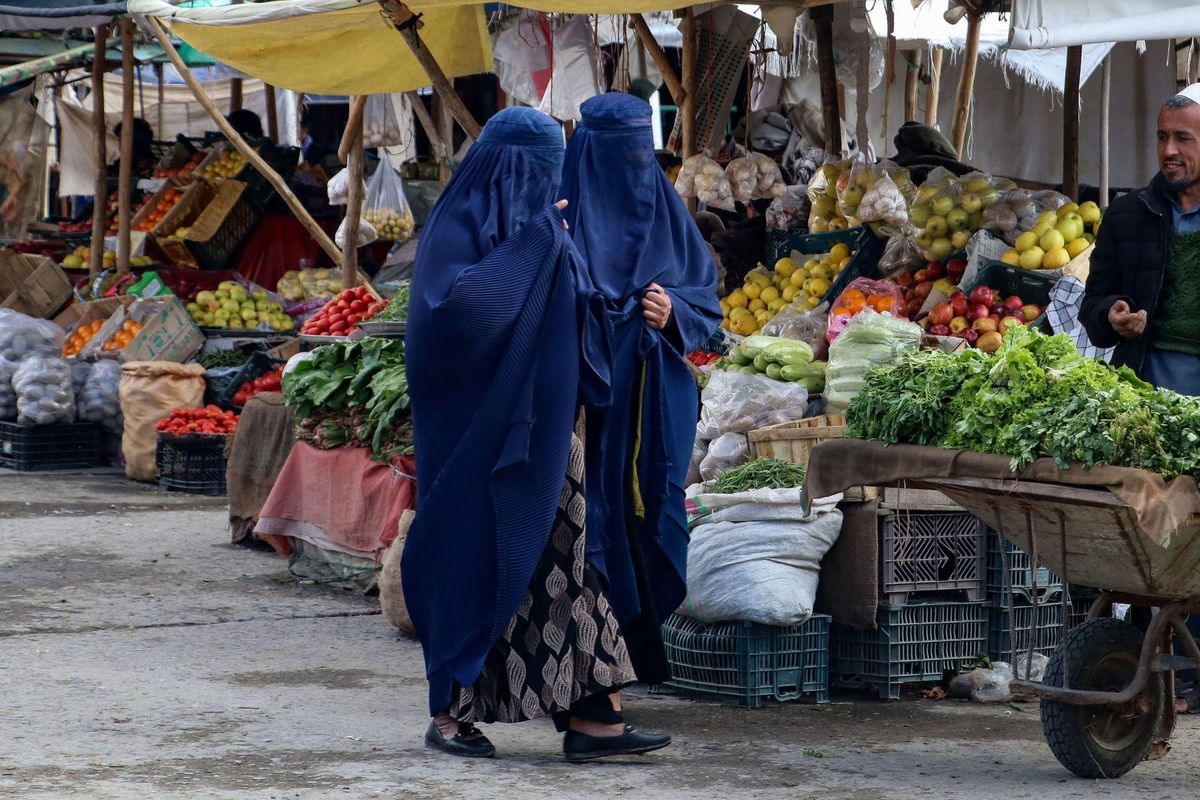
International images of Afghanistan frequently focus on war, armed movements, poverty and women wearing traditional clothing.
These images represent parts of Afghanistan's history and society, but they do not tell the complete story.
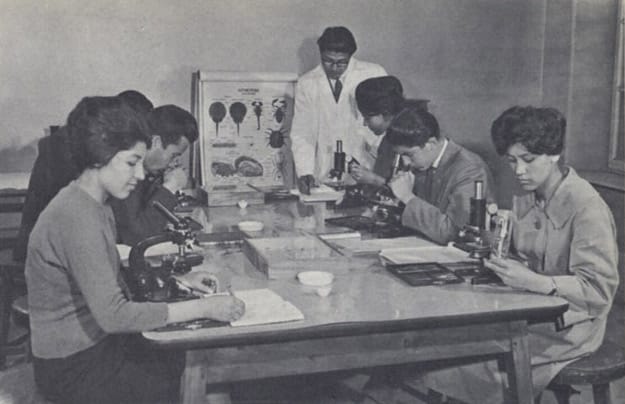
Afghanistan has experienced periods during which significant efforts were made to expand women's education, political participation and professional opportunities.
Early Efforts Towards Reform
During the reign of King Amanullah Khan, between 1919 and 1929, Afghanistan experienced attempts at social and political modernisation.
Queen Soraya Tarzi became associated with efforts to improve women's education and participation in society.
These reforms encountered considerable resistance, demonstrating the tensions between central government policies, conservative social structures and local traditions.
Nevertheless, they established an important historical precedent.
The idea that Afghan women should receive education and participate in national development did not originate with Western military intervention in the twenty-first century.
Afghan reformers were already discussing these questions generations earlier.
Constitutional and Social Developments
Afghanistan's 1964 Constitution introduced significant political reforms, including voting rights for women.
Women entered parliamentary institutions, universities, healthcare professions and government employment.
In Kabul and other urban centres, female students attended educational institutions and pursued professional careers.
Women worked as teachers, doctors, journalists and civil servants.
However, these opportunities were not equally distributed throughout the country.
Rural communities often experienced limited access to education, healthcare and employment. Traditional expectations concerning gender remained influential.
Afghanistan was never a society in which all women enjoyed equal opportunities.
But neither was it a society in which women had always been prohibited from studying or working.
Decades of War
The Soviet intervention in 1979, subsequent armed resistance, political instability and civil war profoundly affected Afghan society.
Educational institutions were disrupted. Families were displaced. Public infrastructure deteriorated.
Women experienced insecurity, violence and restrictions that differed depending on the region and the armed or political authorities exercising control.
The Taliban emerged during the 1990s against this background of instability.
When the movement captured Kabul in 1996, it established a system of governance characterised by severe restrictions on women's participation in society.
Girls were largely excluded from formal education, women were prevented from working in most professions, and their freedom of movement was heavily restricted.
Following the removal of the Taliban government in 2001, opportunities gradually expanded.
Schools reopened. Female students entered universities. Women returned to healthcare, journalism, politics and public administration.
The progress was uneven and remained vulnerable to corruption, insecurity, conservative resistance and armed conflict.
Nevertheless, millions of Afghan girls experienced educational opportunities that had been unavailable to earlier generations.
For these girls, the possibility of becoming a professional woman was no longer merely a distant dream.
It was becoming part of Afghanistan's developing reality.
That reality was dramatically reversed in August 2021.
Chapter 2 — The Return of the Taliban in 2021
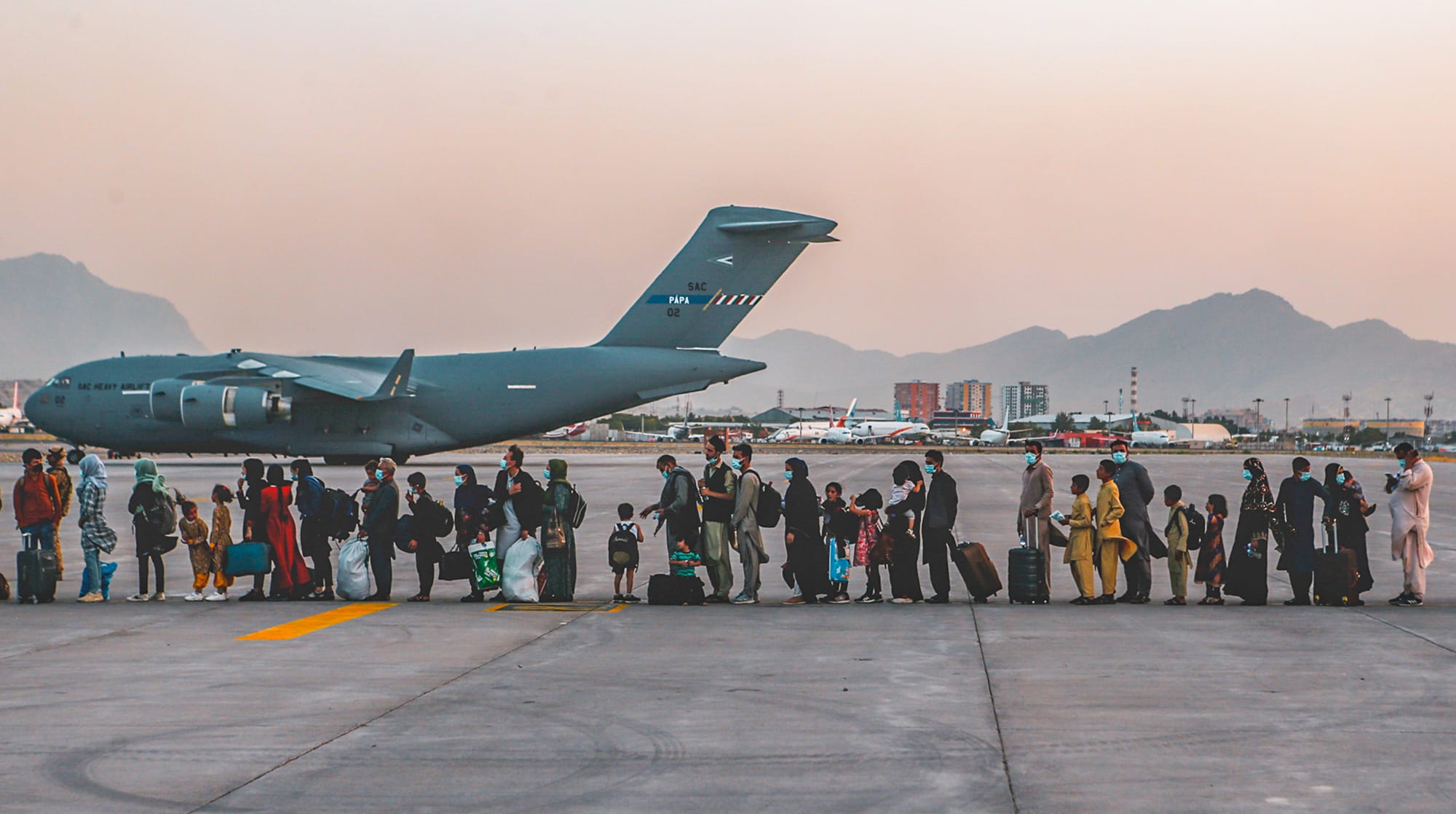
On 15 August 2021, the Taliban entered Kabul as the internationally supported Afghan government collapsed.
The withdrawal of international military forces marked the end of approximately two decades of Western-led military involvement.
Images of desperate families attempting to leave Afghanistan circulated internationally.
Among those fearing the consequences of the Taliban's return were women who had built careers in journalism, education, politics, law, healthcare and civil society.
Many remembered the restrictions imposed during the Taliban's first period of government.
Others had been born after 2001 and had never experienced Taliban rule directly.
They had grown up believing that education and professional employment would form part of their adult lives.
Promises of a Different Government
Following its return, the Taliban attempted to present itself as a movement capable of governing differently from the regime that had existed between 1996 and 2001.
Its representatives stated that women's rights would be respected within the framework of Islamic law.
International governments and organisations monitored these assurances closely.
However, restrictions began to emerge almost immediately.
Girls were excluded from most secondary schools.
Women were instructed to remain at home in various professional sectors.
Their participation in public institutions became increasingly limited.
The Ministry of Women's Affairs was replaced by an institution responsible for promoting virtue and preventing vice.
This institutional change illustrated how the government's approach to women's participation was being transformed.
Rather than maintaining a dedicated government body concerned with women's rights, the new authorities prioritised the enforcement of religiously framed social regulations.
The following years demonstrated that the exclusion of women was not a brief transitional measure.
It became a defining feature of Taliban governance.
The Human Cost of Political Collapse
The collapse of the previous government did not affect all Afghans in the same way.
For many women, it meant the destruction of professional identities developed over years of education and work.
Female judges, lawyers and civil servants suddenly faced uncertain futures.
Journalists feared retaliation.
Women associated with international organisations worried about their safety.
Families faced difficult decisions about whether to remain in Afghanistan or attempt to seek protection abroad.
Those without financial resources or international connections often had fewer opportunities to leave.
The world witnessed the collapse of a political system.
Afghan women experienced something more personal: the disappearance of rights and opportunities they had worked for years to obtain.
Chapter 3 — The Systematic Removal of Women's Rights
The Taliban's restrictions on women did not emerge through a single decree.
They developed progressively, affecting almost every aspect of participation in society.
Understanding this process is essential because the different restrictions reinforce one another.
A woman prevented from studying may be unable to obtain professional qualifications.
A woman prevented from working may become financially dependent on relatives.
A woman whose movement is restricted may struggle to access healthcare, education or legal assistance.
A woman denied opportunities to speak publicly may find it increasingly difficult to challenge these conditions.
Together, these restrictions create a system in which independence becomes extraordinarily difficult.
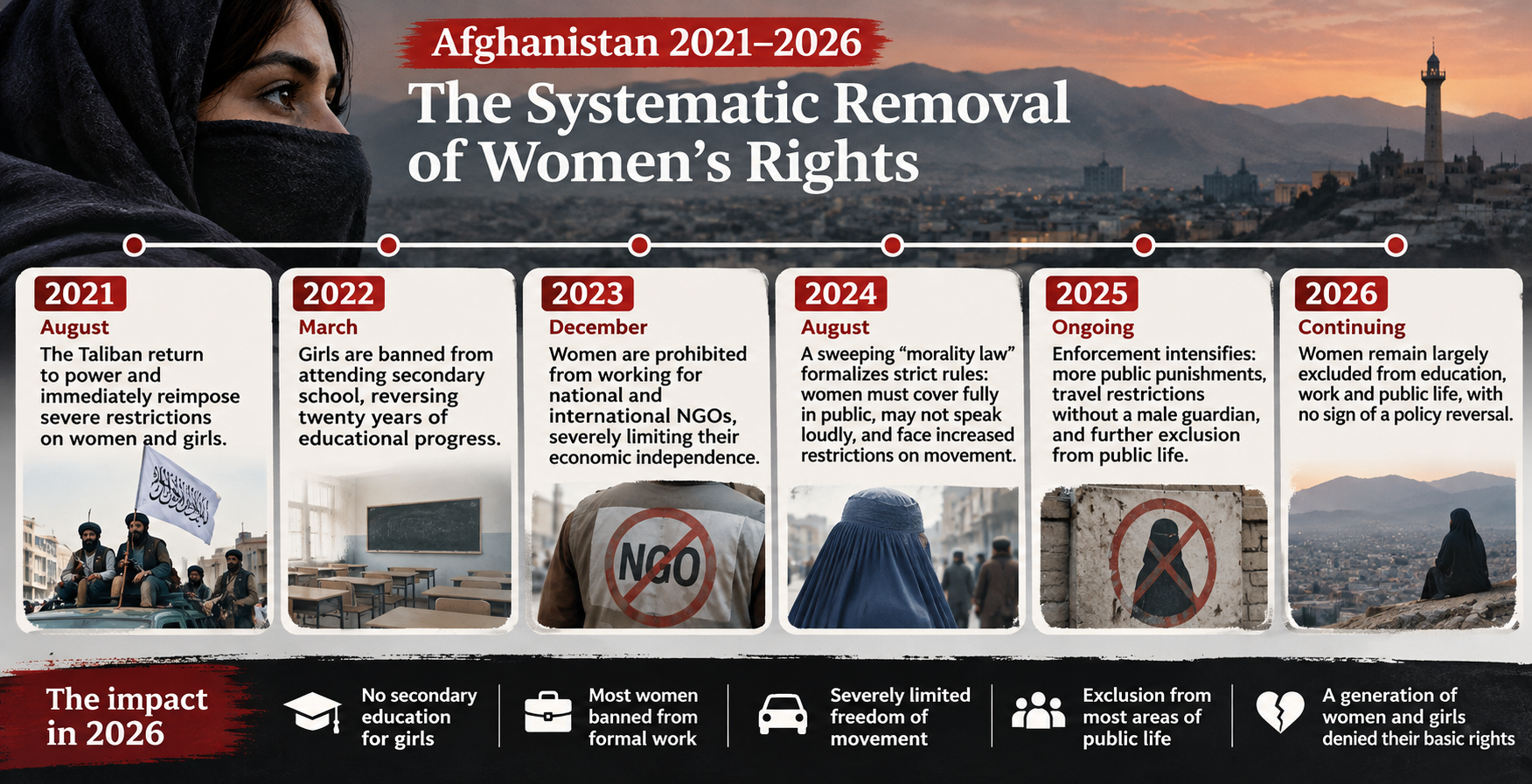
The Dismantling of Opportunity: 2021–2026
August 2021
The Taliban regains control of Afghanistan. Women's participation in public institutions and professional sectors begins to face widespread restrictions.
September 2021
Most girls are prevented from returning to secondary education beyond grade six.
March 2022
An anticipated reopening of secondary schools for girls is reversed, leaving students unable to resume their education.
May 2022
The authorities announce stricter clothing requirements for women in public.
November 2022
Women are prohibited from accessing public parks and gyms, further limiting their participation in recreational life.
December 2022
Women are suspended from university education. Restrictions are also imposed on female employees of national and international non-governmental organisations.
April 2023
Afghan women working for the United Nations become subject to an employment prohibition imposed by the de facto authorities.
July 2023
Women's beauty salons are ordered to close, removing an important source of employment and financial independence.
August 2024
The Taliban's law on the promotion of virtue and prevention of vice formalises numerous restrictions concerning clothing, behaviour, movement and public expression.
December 2024
Reports emerge of instructions preventing women from continuing education at private medical training institutions, threatening an important remaining route into healthcare professions.
July 2025
The International Criminal Court issues arrest warrants against two senior Taliban figures over alleged persecution.
August–November 2026
International education organisations confirm the continuing exclusion of girls from secondary education. UNAMA monitoring documents continued enforcement of clothing regulations, including arrests and detention.
By November 2026, the anticipated restoration of women's fundamental rights has not materialised.
The Expansion of Religious Policing
The law introduced in August 2024 expanded the regulatory framework governing personal appearance and conduct.
Women face requirements concerning the covering of their bodies and faces in public.
Certain forms of audible expression, including singing and recitation in public, are restricted.
Rules also affect travel and interaction between unrelated men and women.
Enforcement practices vary across provinces, but the uncertainty created by these regulations can itself discourage women from participating in public life.
A woman does not necessarily need to experience punishment personally to become afraid of leaving her home.
Knowing that regulations may be enforced against her can influence every decision she makes.
UNAMA's human rights monitoring for July to September 2026 documented more than 50 instances involving morality inspectors arresting, detaining or warning women over alleged violations of clothing requirements.
The restrictions therefore remain an active part of governance rather than merely historical announcements.
Chapter 4 — Girls Behind Closed School Doors
Education is one of the most powerful instruments available to individuals seeking independence.
It allows people to acquire knowledge, develop professional skills and make informed decisions.
It can improve economic security, strengthen healthcare systems and reduce vulnerability to exploitation.
For Afghan girls, however, education beyond the primary level remains deliberately restricted.
More Than 2.6 Million Girls Denied Secondary Education
In its joint assessment published on 4 November 2026, UNESCO and UNICEF reported that more than 2.6 million Afghan girls had been excluded from secondary education since the Taliban returned to power.
This figure represents more than an educational statistic.
It represents millions of interrupted futures.
Among these girls are potential scientists, doctors, teachers, writers, engineers and entrepreneurs.
Many may never receive the qualifications necessary to pursue those professions.
For students who were approaching the end of secondary school in 2021, the restrictions arrived at a particularly devastating moment.
Years of educational achievement suddenly became insufficient to access university.
Girls who entered primary education around the time of the Taliban's return are now approaching the age at which further formal schooling becomes unavailable to them.
Every year that the prohibition remains in place, another group of children reaches this barrier.
The University Ban
In December 2022, the Taliban suspended women's university education.
Female students studying medicine, law, economics, engineering and other disciplines were prevented from continuing their studies.
This decision did not simply affect new university applicants.
It interrupted educational programmes already underway.
Years of investment by students, families, teachers and institutions were placed at risk.
The Wider Educational Crisis
Afghanistan's educational problems are not limited to gender restrictions.
Poverty, population growth, inadequate infrastructure, teacher shortages and insufficient investment also affect access to schooling.
The November 2026 UNESCO-UNICEF assessment found that more than half of children of primary school age remained outside formal general education.
Boys also face significant educational challenges.
However, the prohibition affecting adolescent girls is fundamentally different from barriers caused by poverty or insufficient resources.
It is a discriminatory policy that deliberately prevents access based on gender.
A school can be constructed.
Teachers can be trained.
Educational materials can be distributed.
But none of these measures can fully address the problem while girls remain prohibited from entering the classroom.
Without policy change, humanitarian educational programmes can only partially address the consequences of the restrictions.
Chapter 5 — Women Erased from the Workplace
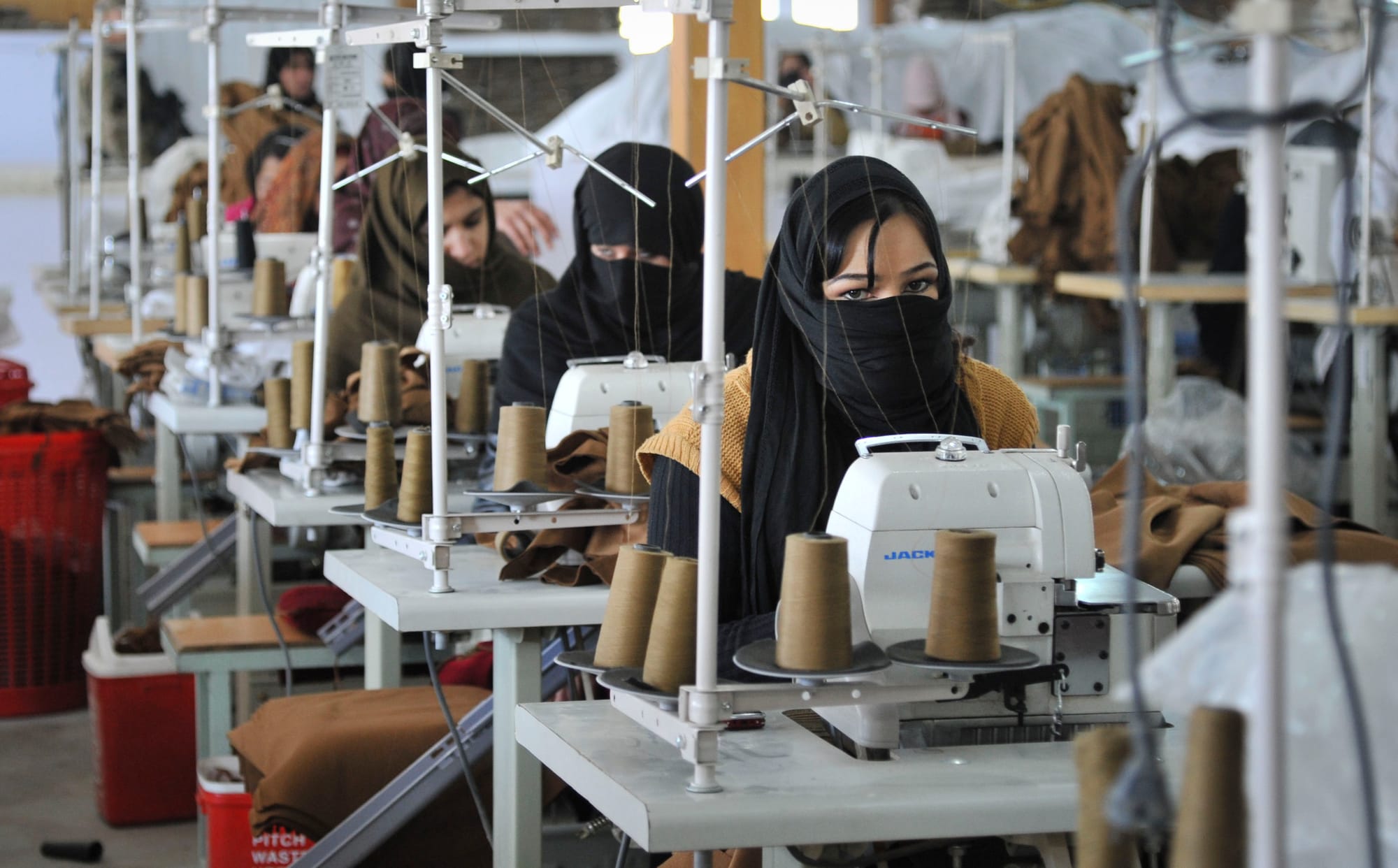
For decades, Afghan women contributed to their country's economy in both formal and informal sectors.
They worked in agriculture, healthcare, education, administration, journalism, manufacturing and small businesses.
Their contributions were not always reflected in official economic statistics, but they remained important to household survival and national development.
Since 2021, opportunities for female employment have narrowed considerably.
The Loss of Professional Independence
Women working in government institutions have faced extensive restrictions.
Female journalists and employees of media organisations have experienced declining professional opportunities and limitations on public expression.
Women working for humanitarian organisations have faced employment prohibitions that interfere with their ability to provide assistance.
The removal of women from professional environments has consequences that extend beyond individual careers.
When female lawyers are excluded, women may struggle to find appropriate legal assistance.
When female teachers lose their employment, educational opportunities for girls become more difficult to maintain.
When female humanitarian workers are prevented from operating, vulnerable women may become harder for aid organisations to reach.
Afghanistan loses professional knowledge accumulated over years of training and experience.
The Closure of Beauty Salons
In 2023, the Taliban ordered women's beauty salons to close.
For outsiders, this decision might appear less significant than prohibitions affecting education or healthcare.
However, beauty salons provided an important source of female employment.
They enabled women to earn income, support relatives and operate businesses.
They also provided social environments in which women could interact outside their homes.
Their closure removed both economic opportunities and spaces for community interaction.
Economic Dependency
Financial independence can significantly influence an individual's ability to make personal decisions.
A woman with her own income may possess greater opportunities to obtain healthcare, support her children or leave an abusive environment.
When employment opportunities disappear, financial dependency increases.
Not every woman has a husband, father or brother capable of supporting her.
Widows, women heading households and families affected by unemployment can face particularly severe consequences.
Restricting women's employment is therefore not merely a question of cultural expectations.
It is an economic decision that affects poverty, household security and the country's productive capacity.
Afghanistan faces enormous development challenges.
Preventing a substantial part of its population from contributing fully to the economy makes those challenges more difficult to overcome.
Chapter 6 — Forced Marriage and the Loss of Childhood
Child marriage and forced marriage existed in Afghanistan long before the Taliban returned in 2021.
They have been associated with poverty, displacement, insecurity, social expectations and unequal power within families.
The current restrictions on education and employment risk intensifying several of these underlying conditions.
When girls are excluded from school, their opportunities to develop independent economic futures become increasingly limited.
For families experiencing severe financial hardship, marriage may be perceived as a means of reducing economic pressures or securing a daughter's future.
However, these decisions can expose girls to long-term risks.
When Marriage Replaces Education
A girl who marries before reaching adulthood may lose opportunities to complete her education.
She may experience early pregnancy, financial dependency and limited influence over decisions affecting her own life.
In some circumstances, she may face pressure to marry someone she has not freely chosen.
Forced marriage and child marriage are distinct concepts, although they frequently overlap.
A marriage may be forced regardless of the person's age if meaningful consent is absent.
Child marriage refers to a marriage involving someone younger than eighteen.
The Taliban issued a decree in December 2021 stating that adult women should not be forced into marriage.
However, the existence of a formal prohibition does not guarantee effective protection.
The ability of women and girls to challenge forced marriages depends on access to functioning legal institutions, independent assistance and safe reporting mechanisms.
These protections have become increasingly difficult to access under the current system.
The Relationship Between Education and Protection
Schools can provide more than academic instruction.
They can connect children with trusted adults, social networks and information concerning their rights.
When these environments disappear, opportunities to identify abuse may diminish.
Girls who spend increasing periods of time isolated within their homes may become more difficult for child protection organisations to reach.
It is important not to invent national figures concerning the recent prevalence of child marriage.
Reliable nationwide data remains limited, and many cases may never be formally recorded.
Nevertheless, the relationship between educational exclusion, economic hardship and vulnerability to early marriage is a serious concern.
A policy that closes schools to girls can therefore influence much more than their academic development.
It can transform the entire direction of their lives.
Childhood should be a period in which individuals develop their identities, capabilities and ambitions.
It should not become a waiting period before decisions about their futures are made on their behalf.
Chapter 7 — When Religion Is Used to Justify Oppression
One of the most sensitive aspects of Afghanistan's current situation concerns the relationship between religion and political authority.
The Taliban presents its system of governance as being based on Islamic principles.
Its leadership claims religious legitimacy for restrictions concerning education, employment, clothing and public participation.
However, there is no universal agreement across the Muslim world that these restrictions are required by Islam.
Islam and the Pursuit of Knowledge
Education occupies an important position within Islamic intellectual and religious traditions.
Throughout history, Muslim societies have produced scholars, physicians, philosophers, mathematicians and educators.
Women have also contributed to Islamic scholarship and intellectual life.
Aisha, a wife of the Prophet Muhammad, is recognised within Islamic tradition for her knowledge and contributions to the transmission of religious teachings.
Other women participated in scholarship, education and the preservation of religious knowledge throughout different historical periods.
These examples challenge the argument that women's intellectual development is inherently incompatible with Islamic tradition.
Today, women study at universities and work in medicine, law, science, government and education across numerous Muslim-majority countries.
These societies maintain different approaches to religion, political authority and gender equality.
They demonstrate that the Taliban's educational restrictions are not a universally accepted feature of Islamic governance.
Religious Interpretation and Political Power
Religious texts are interpreted through historical, legal and theological traditions.
Different scholars and communities frequently disagree about how particular principles should be applied.
The Taliban's leadership exercises political authority through its own interpretation of religious obligations.
Its decisions combine ideological commitments, institutional power and conservative social expectations.
Presenting these decisions simply as unavoidable religious requirements risks concealing the political choices involved.
In August 2026, the Taliban's spokesperson indicated that disagreements and religious considerations continued to prevent a resolution of the education issue.
Yet other Muslim scholars and institutions have argued that denying women access to education cannot be justified in this manner.
This disagreement raises a fundamental question.
When religious authorities prevent millions of people from accessing education, who is allowed to challenge their interpretation?
Criticism Without Religious Hatred
Criticising the Taliban's policies must not become an excuse for hostility towards Muslims.
Millions of Muslim women and men reject these restrictions.
Muslim communities across the world contain educators, activists and religious scholars committed to advancing women's opportunities.
Holding all Muslims responsible for Taliban governance would be inaccurate and discriminatory.
At the same time, fear of being accused of anti-Muslim prejudice should not prevent legitimate examination of political movements that use religion to justify the denial of fundamental rights.
Responsible criticism must distinguish between individual believers, religious traditions, political authorities and extremist ideologies.
The protection of women should not require an attack on religion.
But religious authority should never place political decisions beyond scrutiny.
Chapter 8 — Healthcare, Pregnancy and the Struggle to Survive
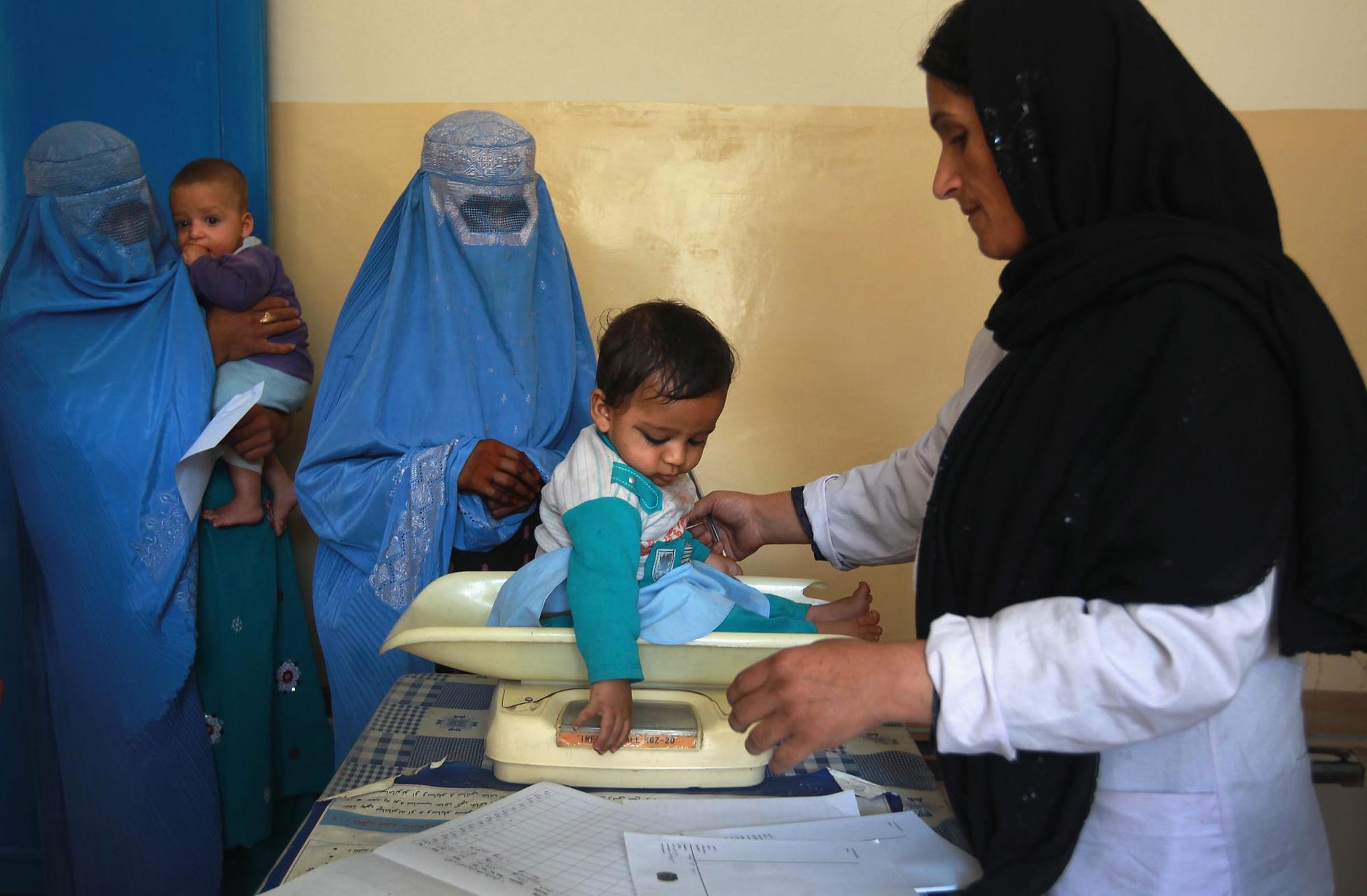
Restrictions affecting women in Afghanistan have potentially severe consequences for the healthcare system.
Female healthcare professionals occupy an essential position in communities where cultural expectations and rules concerning interaction between men and women influence access to medical services.
Many women depend on female doctors, nurses and midwives.
Their availability can determine whether patients receive appropriate medical attention.
The Threat to Future Healthcare Professionals
The prohibition on women's university education has interrupted important routes into medical professions.
Reports in December 2024 of restrictions affecting women at private medical training institutions generated further concern.
These institutions had represented one of the remaining avenues through which women could obtain healthcare qualifications after the university ban.
Preventing new female healthcare professionals from receiving training could create shortages as existing professionals retire, relocate or leave employment.
This is particularly concerning in rural areas, where healthcare infrastructure and access to qualified personnel are already limited.
Although women continue working in parts of the healthcare sector, exceptions permitting employment cannot fully compensate for restrictions on training future generations of professionals.
Pregnancy and Childbirth
Access to maternal healthcare is essential to protecting women and newborn children.
Pregnancy complications can require immediate medical intervention.
Women living far from healthcare facilities may already encounter difficulties related to transport, poverty and inadequate infrastructure.
Restrictions involving movement or the availability of male guardians can create additional barriers.
These barriers may delay medical consultations or emergency treatment.
The consequences can become particularly serious for women experiencing complicated pregnancies, domestic violence or other conditions requiring confidential assistance.
The Consequences for Children
Women's health has direct implications for children's health.
Access to qualified medical professionals can influence pregnancy outcomes, newborn survival, childhood nutrition and preventative care.
When women are excluded from healthcare education, the consequences therefore extend to entire families.
Afghanistan's healthcare challenges also reflect decades of conflict, economic hardship and changing humanitarian funding.
Not every difficulty can be attributed exclusively to Taliban gender policies.
Nevertheless, preventing women from receiving medical education introduces a serious and avoidable obstacle.
A country cannot sustainably improve maternal healthcare while restricting the education of the women who could provide that care.
Chapter 9 — The Psychological Cost of Living Without Freedom
Human rights violations are often measured through statistics, legal documents and documented restrictions.
But the consequences of prolonged exclusion cannot be understood entirely through numbers.
What happens to a person who spends years being told that her ambitions are inappropriate?
What happens when education disappears, professional identity is lost and opportunities for interaction become increasingly restricted?
For Afghan women and girls, these questions are not theoretical.
The Loss of a Future
Education provides a sense of direction.
Employment can provide purpose, independence and social connection.
Participation in community life can strengthen an individual's sense of belonging.
When these opportunities disappear simultaneously, the psychological consequences can be significant.
Afghan women who previously worked as teachers, journalists or professionals may experience a profound sense of loss.
Girls who anticipated attending university may struggle to imagine an achievable future.
The uncertainty surrounding whether restrictions will ever be reversed can contribute to feelings of helplessness.
Every announcement of a new school year may serve as a reminder of opportunities that remain unavailable.
Isolation and Mental Health
Humanitarian and human rights organisations have expressed concern about the deterioration of mental wellbeing among Afghan women and girls.
Social isolation, poverty, restricted mobility, fear of punishment and uncertain futures can contribute to anxiety, depression and psychological distress.
Women who experience domestic abuse may face additional difficulties obtaining professional or community assistance.
However, reliable national estimates of mental health conditions remain difficult to establish.
Limited access to healthcare, stigma and restrictions on independent research complicate the collection of representative data.
It would therefore be irresponsible to present unverified suicide figures or suggest that all Afghan women experience the same psychological consequences.
Their circumstances differ.
Many continue to demonstrate remarkable resilience.
But resilience should not be used as an argument for expecting people to endure conditions that violate their fundamental rights.
The Impact on Families
Gender discrimination also influences family relationships.
Parents may feel unable to protect their daughters' futures.
Brothers may grow up witnessing opportunities being denied to their sisters.
Children may begin to accept gender inequality as a normal element of social organisation.
These experiences can influence relationships long after particular restrictions have ended.
The psychological consequences of systematic exclusion may therefore continue across generations.
Restoring education and employment will be essential, but recovery will also require rebuilding confidence, social trust and opportunities for meaningful participation.
Chapter 10 — The Women Who Refuse to Remain Silent
Despite extensive restrictions, Afghan women have not disappeared as political, intellectual or social actors.
Women continue to advocate for education, professional opportunities and fundamental rights.
Some have done so through public demonstrations.
Others have used journalism, international advocacy, literature, education and cultural expression.
Their methods differ according to personal circumstances and security risks.
Public Resistance
Following the Taliban's return, Afghan women participated in demonstrations demanding education, employment and political participation.
Such protests challenged the assumption that women would quietly accept the removal of their rights.
Human rights organisations have documented cases involving the detention, intimidation and mistreatment of female activists.
For women considering public resistance, the potential consequences can affect not only their own safety but also that of their families.
The absence of large public demonstrations should therefore never be interpreted automatically as public acceptance of government policies.
Silence may reflect fear.
The Voices of Afghan Women Abroad
Afghan women who have left the country continue to contribute to international discussions.
Former politicians, journalists, lawyers, educators and activists have addressed international institutions and human rights organisations.
They have called for women's meaningful inclusion in diplomatic discussions concerning Afghanistan.
Their central argument is straightforward.
Decisions about Afghanistan's future should not be made without the participation of Afghan women themselves.
However, Afghan women abroad also face challenges.
Displacement can mean separation from family members, professional uncertainty, language barriers and difficulties establishing new lives.
For many, advocacy is accompanied by the emotional consequences of losing their homes and communities.
Recognising Women as More Than Victims
International reporting frequently presents Afghan women through images of suffering.
These images can draw attention to important human rights violations, but they can also create an incomplete understanding.
Afghan women are not a single, uniform group.
They possess different political opinions, religious convictions, professional ambitions and personal experiences.
They should not be portrayed merely as passive individuals waiting for outside intervention.
Their knowledge and leadership are essential to developing effective responses.
Supporting Afghan women means creating opportunities for them to speak, participate and influence decisions.
It also means respecting those who choose not to speak publicly because doing so could endanger them.
Courage should never become an obligation imposed on people already living under repression.
Chapter 11 — Underground Schools and Hidden Resistance
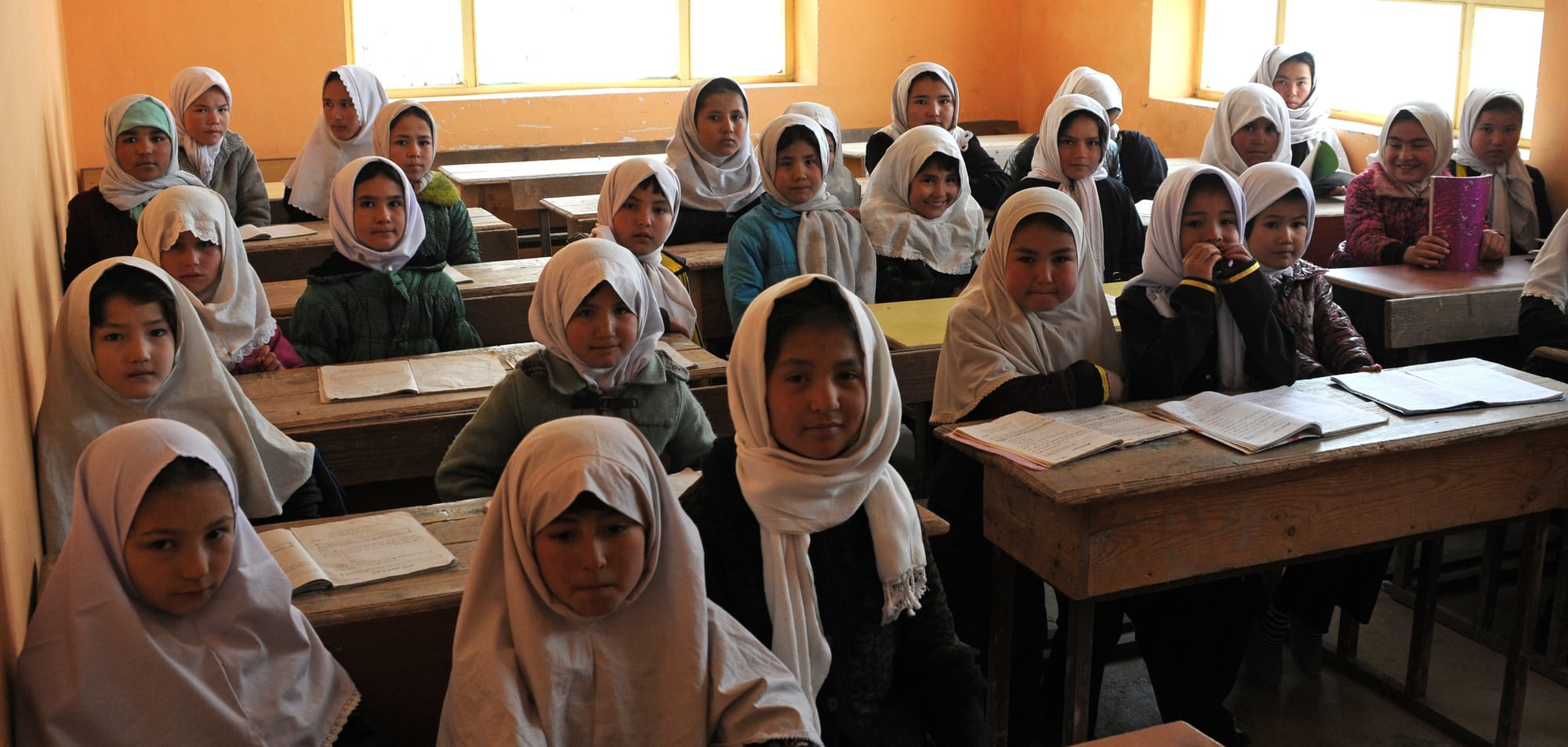
When formal education becomes unavailable, communities often search for alternative ways to preserve learning.
Across Afghanistan, educators, families and organisations have attempted to maintain educational opportunities through community-based programmes, private learning arrangements and digital resources.
For some girls, these initiatives provide an important connection to education.
They offer opportunities to maintain literacy, develop skills and remain intellectually engaged.
Learning Beyond the Classroom
UNESCO has supported alternative learning opportunities, including literacy programmes, skills development and psychosocial assistance.
Other initiatives have used broadcasting and online education to reach women and girls who cannot attend formal schools.
These approaches demonstrate that the desire for education has not disappeared.
Families continue seeking opportunities for their daughters.
Teachers continue sharing their knowledge.
Students continue learning despite difficult circumstances.
The Limitations of Alternative Education
Alternative learning programmes cannot fully replace formal education.
Technology requires access to electricity, internet connections and appropriate devices.
Many families cannot afford these resources.
Educational qualifications obtained through informal programmes may not receive official recognition.
Students studying independently may lack access to laboratories, libraries and professional training.
Some educational activities may also expose participants and organisers to security risks.
These initiatives therefore need careful protection.
Journalists reporting on them must avoid revealing identifying information about students, teachers or locations without informed consent and an appropriate assessment of potential risks.
A compelling story should never take priority over the safety of the people involved.
Resistance Through Knowledge
The continued pursuit of education demonstrates the determination of Afghan women and girls.
But informal learning should not become an excuse for the international community to accept the closure of formal institutions.
Girls should not have to depend on hidden opportunities to exercise a fundamental right.
The objective must remain the full restoration of recognised, accessible education.
Alternative programmes can protect knowledge during periods of repression.
They cannot substitute for freedom.
Chapter 12 — The Responsibility of the Muslim World
The Taliban presents its policies as part of an Islamic system of governance.
This makes the response of Muslim-majority countries, Islamic scholars and religious institutions particularly significant.
Opposition from Western governments alone can be dismissed by the Taliban as foreign interference or an attempt to impose external cultural values.
Criticism from respected Muslim institutions challenges that argument from within the religious framework the Taliban itself invokes.
Islamic Institutions Have Challenged the Restrictions
The Organisation of Islamic Cooperation has repeatedly expressed concern about restrictions on women's and girls' education in Afghanistan.
Islamic scholars and institutions have also challenged the claim that women should be excluded from learning.
Egypt's Al-Azhar, a prominent institution of Sunni Islamic scholarship, has publicly opposed the suspension of women's university education.
In January 2025, Pakistan hosted an international conference focused on girls' education in Muslim communities, providing another platform for challenging educational exclusion.
Such initiatives demonstrate that criticism of Taliban policies should not be presented as a confrontation between Islam and the Western world.
It is also a debate taking place within Muslim societies.
The Need for More Than Statements
Public condemnation is important, but its effectiveness depends partly on whether it leads to sustained action.
Muslim-majority countries possess different forms of influence.
Some maintain diplomatic relationships with Taliban officials.
Others provide humanitarian assistance, religious education or opportunities for regional cooperation.
These relationships can create avenues for encouraging policy change.
Governments and religious institutions could strengthen their responses through:
- Coordinated diplomatic engagement demanding the restoration of girls' education.
- Scholarly discussions challenging religious arguments used to justify educational restrictions.
- Scholarships for Afghan women and girls.
- Support for female educators and healthcare professionals.
- Financial assistance for safe, accessible educational programmes.
- Clear commitments to women's participation in discussions concerning Afghanistan's future.
Such measures would need to be designed carefully to avoid placing Afghan women at additional risk.
A Responsibility Shared Across Religious Communities
Muslim women and men are not collectively responsible for the decisions of the Taliban.
Responsibility belongs primarily to the authorities imposing the restrictions.
Nevertheless, institutions possessing religious influence have opportunities to challenge the ideological arguments being used to justify them.
Jewish, Christian and other religious organisations can also contribute through educational assistance, humanitarian support and interreligious cooperation.
The defence of women's dignity should not become a competition between religions.
It should become an area of shared responsibility.
Recognising the right of a girl to receive an education does not threaten religious identity.
It protects her ability to understand the world, develop her capabilities and make informed decisions throughout her life.
Religious traditions should be capable of contributing to that objective.
Chapter 13 — International Condemnation: Words Without Action?
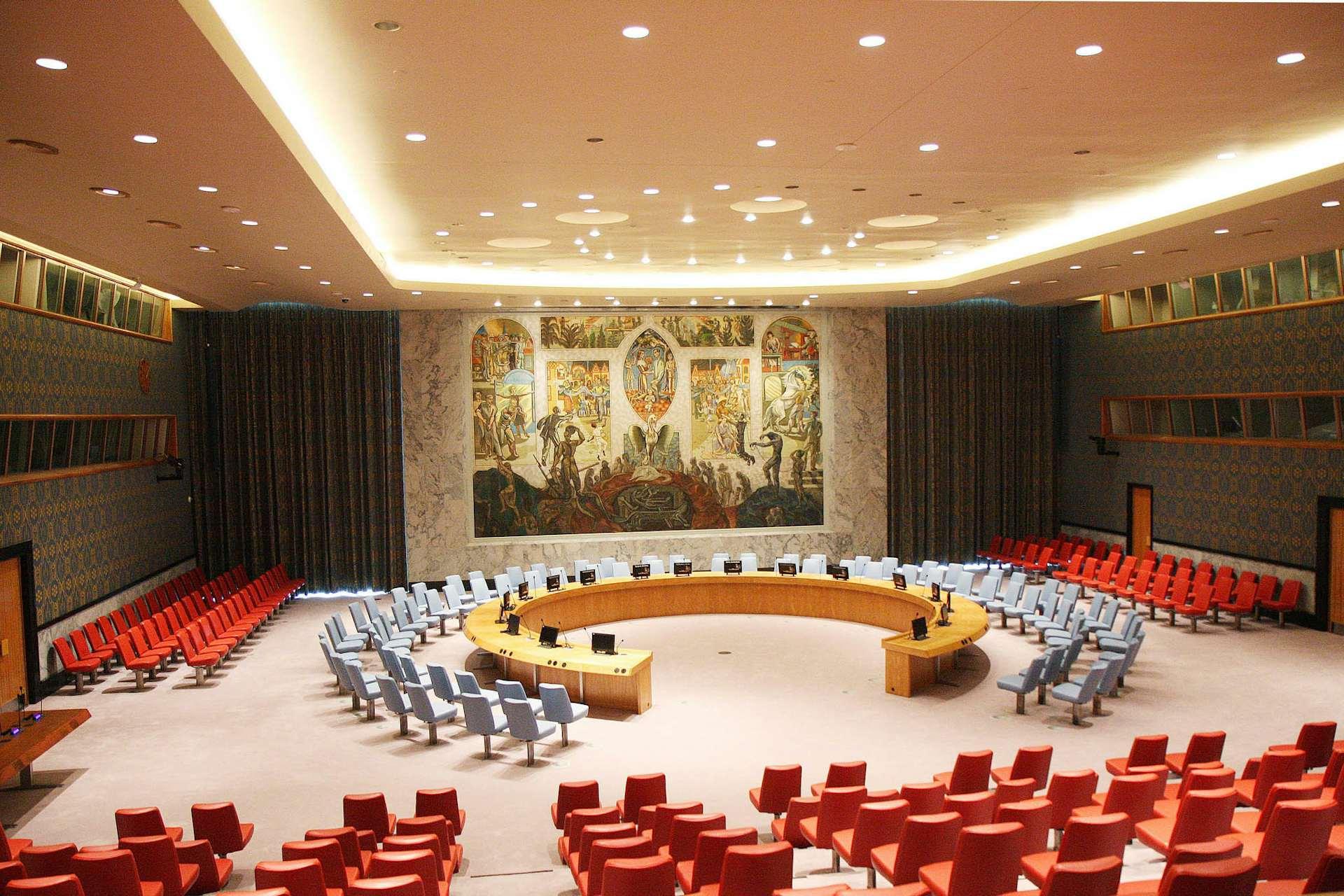
Since August 2021, international governments, United Nations institutions and human rights organisations have repeatedly condemned restrictions imposed on Afghan women.
Yet five years later, millions of girls remain excluded from secondary education.
This raises difficult questions about the effectiveness of international responses.
The Limits of Diplomatic Pressure
International governments face a complicated political environment.
Afghanistan requires humanitarian assistance.
Regional governments have interests involving border security, migration, trade and political stability.
Diplomatic engagement may be necessary to deliver aid or address security concerns.
However, engagement also creates the risk that Taliban authorities become increasingly accepted internationally without making meaningful changes to policies affecting women.
The distinction between diplomatic communication and formal political recognition is important.
Governments can communicate with de facto authorities without endorsing their system of governance.
In July 2025, Russia became the first country to formally recognise the Taliban government.
This development illustrated that international approaches to Afghanistan were not uniform.
For some governments, regional security and strategic relationships may receive greater emphasis than conditions concerning women's rights.
Humanitarian Assistance and Political Responsibility
Reducing humanitarian assistance in an attempt to pressure the Taliban could have severe consequences for Afghan civilians.
Women and children may be among those most affected by declining food assistance, healthcare and educational programmes.
Broad economic punishment can therefore harm the very people international governments seek to protect.
At the same time, humanitarian organisations must be able to operate independently and deliver assistance without discriminatory restrictions.
The exclusion of female humanitarian workers creates significant difficulties.
In communities where women cannot freely interact with unrelated men, female employees may be essential to identifying needs and delivering assistance.
International responses must distinguish between supporting the Afghan population and supporting the policies of the authorities governing it.
What Meaningful Action Could Include
International governments and organisations could pursue several complementary approaches:
- Maintaining humanitarian assistance directed towards vulnerable civilians.
- Expanding educational opportunities and scholarships for Afghan women.
- Supporting independent Afghan civil society organisations.
- Protecting journalists, activists and human rights defenders.
- Using targeted measures against individuals responsible for serious violations.
- Supporting international legal investigations and accountability mechanisms.
- Including Afghan women meaningfully in diplomatic discussions.
- Establishing clear human rights benchmarks for political engagement.
None of these measures guarantees immediate policy change.
Nevertheless, repeated statements without measurable objectives risk becoming symbolic rather than effective.
The international community should assess its response not solely through the number of conferences, declarations or resolutions produced.
It should also examine whether Afghan women have gained meaningful improvements in their everyday lives.
Chapter 14 — Gender Apartheid: The Debate Under International Law
The term gender apartheid has increasingly appeared in discussions concerning Afghanistan.
Human rights advocates use it to describe systems in which authorities institutionalise the segregation, domination and exclusion of individuals based on gender.
The restrictions imposed by the Taliban have become central to this international legal and political debate.
However, it is important to distinguish between advocacy terminology and the existing definitions of international crimes.
International Human Rights Obligations
Afghanistan is a party to several international human rights treaties, including the Convention on the Elimination of All Forms of Discrimination against Women.
These obligations concern equality, education, employment and participation in public life.
A change of government does not automatically eliminate a country's international treaty obligations.
The exclusion of women from education and public participation therefore raises substantial questions concerning Afghanistan's compliance with its international commitments.
Gender Persecution
The Rome Statute of the International Criminal Court recognises persecution on gender grounds as a potential crime against humanity when the necessary legal elements are established.
This provides a legal framework through which severe, systematic deprivation of fundamental rights may be investigated.
On 8 July 2025, the International Criminal Court issued arrest warrants against:
- Haibatullah Akhundzada, the Taliban's supreme leader.
- Abdul Hakim Haqqani, the Taliban's chief justice.
The judges concluded that the evidence provided reasonable grounds to believe that the individuals bore responsibility for alleged persecution constituting a crime against humanity.
The Legal Developments of October 2026
On 5 October 2026, the International Criminal Court unsealed four arrest warrants connected to its Afghanistan investigation.
In addition to Akhundzada and Haqqani, the warrants concerned:
- Habibullah Agha, acting minister of education.
- Neda Mohammad Nadim, acting minister of higher education.
The additional warrants had originally been issued in September 2025.
The court's findings concern suspected responsibility for persecution linked to Taliban gender policies and the targeting of perceived opponents of those policies.
The legal development is particularly significant because it addresses allegations that institutional restrictions themselves form part of a broader criminal policy.
It is essential to emphasise that arrest warrants are not criminal convictions.
The individuals concerned have not been found guilty through a completed criminal trial, and the presumption of innocence remains applicable.
The Taliban has rejected the court's authority and allegations, presenting international legal intervention as incompatible with its understanding of Islamic governance.
Is Gender Apartheid an International Crime?
The existing definition of apartheid in the Rome Statute concerns institutionalised racial oppression and domination.
Gender apartheid is not currently established as a separate international crime under that definition.
Legal scholars and human rights advocates have argued that international law should develop further to recognise institutionalised gender-based domination explicitly.
Such proposals remain part of an evolving legal debate.
The distinction does not diminish the seriousness of existing allegations against Taliban officials.
Gender persecution already provides a recognised legal mechanism under international criminal law.
It does, however, demonstrate why precise terminology matters.
A journalist must distinguish between documented restrictions, allegations of criminal responsibility, judicial findings supporting arrest warrants and final criminal convictions.
Accountability requires not only moral condemnation but also legal accuracy.
Chapter 15 — A Generation at Risk of Being Lost
The most serious consequences of Afghanistan's restrictions may become increasingly visible over the coming decades.
A generation of girls is reaching adulthood without access to the formal education needed for many professional careers.
This creates a problem that cannot be corrected immediately, even if the restrictions are eventually removed.
The Long-Term Consequences
A girl prevented from completing secondary school cannot immediately enter medical school or university when restrictions end.
She may need years of additional education.
Educational institutions must rebuild capacity.
Teachers need training.
Students may require financial assistance, childcare or psychological support.
Women who have been excluded from professional environments may need opportunities to update their qualifications.
The longer the restrictions continue, the more difficult recovery becomes.
Afghanistan could experience severe shortages of qualified female professionals.
Its healthcare and education systems may struggle to replace experienced workers.
Economic recovery may become more challenging when millions of women are prevented from developing and applying their skills.
The Impact on Future Generations
Education influences more than individual employment opportunities.
It can affect household income, children's health, literacy and access to information.
Women who receive education may have greater opportunities to support their children's learning and navigate healthcare systems.
When these opportunities are removed, the consequences may extend across generations.
The exclusion of women therefore threatens the country's long-term development.
Afghanistan cannot achieve its full potential by systematically restricting the potential of its female population.
Afghan Women Must Shape Afghanistan's Future
International responses should not be designed exclusively by governments, diplomats or external organisations.
Afghan women possess knowledge about their communities, cultural circumstances and daily challenges.
Their experiences should shape educational programmes, humanitarian assistance and future political arrangements.
Different women may favour different approaches.
Some may emphasise international legal accountability.
Others may prioritise immediate access to education, economic assistance or engagement with religious authorities.
Their diversity of opinion should be respected.
No outside institution can legitimately claim to speak for every Afghan woman.
However, the fundamental principle remains universal.
Every woman should possess the opportunity to determine her own future.
Conclusion — Freedom Should Never Depend on Gender
Somewhere in Afghanistan, a young girl is watching her brother leave for school.
She knows how to read.
She knows how to write.
She knows that there is a world beyond the walls of her home.
What she does not know is whether she will ever be permitted to become part of it on equal terms.
Five years have passed since the Taliban returned to power.
Five years during which international leaders have expressed concern.
Five years during which humanitarian organisations have searched for ways to preserve educational opportunities.
Five years during which women have continued demanding the restoration of rights they should never have lost.
For the international community, five years can be measured through diplomatic meetings, reports and policy discussions.
For a twelve-year-old girl, those same five years can represent the entirety of her adolescence.
Time that cannot be returned.
Education that cannot immediately be recovered.
Opportunities that may disappear permanently.
The restrictions imposed on Afghan women are not simply internal political decisions without consequences beyond Afghanistan's borders.
They raise fundamental questions about religious authority, international law, humanitarian responsibility and the willingness of societies to defend human dignity.
The Taliban bears primary responsibility for the policies it has imposed.
The international community must nevertheless examine whether its response has been sufficient.
Governments should consider how diplomatic engagement can be used to encourage measurable improvements.
Muslim religious institutions should continue challenging interpretations that deny women educational opportunities.
Humanitarian organisations should receive the resources necessary to support vulnerable communities without discriminatory interference.
And Afghan women themselves must remain central to every discussion concerning their future.
This is not a struggle between Islam and Christianity.
It is not a struggle between Muslim societies and Western societies.
It is a question of whether political or religious authority should be permitted to determine that one human being deserves fewer fundamental opportunities than another.
No religion should be used as a shield against legitimate scrutiny of systematic discrimination.
No government should be allowed to present the exclusion of women as an inevitable condition of national identity.
No international institution should become comfortable with a situation simply because it has continued for years.
The women of Afghanistan are not asking to become someone else.
They are asking to be allowed to become themselves.
To learn.
To work.
To contribute.
To participate.
To choose their own future.
A girl should not need international permission to enter a classroom.
A woman should not need to justify her desire to become a doctor.
A mother should not have to explain why she wants her daughter to receive the same opportunities as her son.
The world must remember that behind every statistic is a human being whose life continues while political decisions are being discussed.
The millions of girls excluded from education are not merely Afghanistan's lost opportunities.
They represent knowledge, creativity, professional expertise and human potential that the entire world risks losing.
Their ambitions should not become memories of lives they were never allowed to live.
No girl should be born into a world where her gender determines whether she is allowed to learn, work, speak or dream.
Freedom is not a privilege reserved for men. Human dignity does not depend on gender. And education should never become an instrument of oppression.
The question is no longer whether the international community knows what is happening.
It does.
The question is what it is prepared to do about it.
Sources and Further Reading
Education and the Rights of Afghan Women
1. UNICEF and UNESCO — Afghanistan Education Situation Report 2026.
Published 4 November 2026. Assessment of educational exclusion, school participation and continuing restrictions affecting girls and women.
2. UNICEF — More Than 2.6 Million Girls in Afghanistan Have Been Denied a Secondary Education Since 2021.
Published 14 August 2026.
3. UNESCO — Five Years On: Keeping Learning Alive for Girls and Women in Afghanistan.
Published August 2026.
https://www.unesco.org/en/articles/five-years-keeping-learning-alive-girls-and-women-afghanistan
4. UNESCO — Five Years On: UNESCO Calls for the Full Restoration of the Right to Education for Afghan Girls and Women.
Published August 2026.
5. UNESCO — Banned from Education: A Review of the Right to Education in Afghanistan.
Published March 2025, updated January 2026.
https://www.unesco.org/en/articles/banned-education-review-right-education-afghanistan
6. UNESCO — Protecting the Right to Education for All Afghans.
https://www.unesco.org/en/emergencies/education/afghanistan
Human Rights and Taliban Governance
7. United Nations Assistance Mission in Afghanistan — Update on Human Rights in Afghanistan, July–September 2026.
Published October 2026.
8. United Nations Secretary-General — The Situation in Afghanistan and Its Implications for International Peace and Security.
June 2026. Document S/2026/431.
https://dppa.un.org/sites/default/files/2026-06/S%202026%20431.pdf
9. United Nations — Afghanistan: Children and Armed Conflict.
- Document S/2026/728.
https://childrenandarmedconflict.un.org/sites/default/files/2026-10/S_2026_728-EN.pdf
10. United Kingdom Home Office — Country Policy and Information Note: Fear of the Taliban, Afghanistan.
February 2026.
International Criminal Law and Accountability
11. International Criminal Court — Situation in Afghanistan.
Official case information and judicial developments.
https://www.icc-cpi.int/afghanistan
12. International Criminal Court — Statement on the Issuance of Arrest Warrants in the Situation in Afghanistan.
Published 8 July 2025.
13. International Criminal Court — Pre-Trial Chamber II Unseals Four Arrest Warrants in the Situation in Afghanistan.
Published 5 October 2026.
14. International Criminal Court — Afghanistan Warrants Vindicate Rights of Women, Girls.
Published 6 October 2026.
https://www.icc-cpi.int/news/icc-office-prosecutor-afghanistan-warrants-vindicate-rights-women-girls
15. United Nations — Convention on the Elimination of All Forms of Discrimination against Women.
Additional Research Institutions and Further Reading
- UN Women — Afghanistan: https://www.unwomen.org/
- United Nations Assistance Mission in Afghanistan: https://unama.unmissions.org/
- United Nations Population Fund Afghanistan: https://afghanistan.unfpa.org/
- Amnesty International — Afghanistan: https://www.amnesty.org/en/location/asia-and-the-pacific/south-asia/afghanistan/
- Human Rights Watch — Afghanistan: https://www.hrw.org/asia/afghanistan
- Organisation of Islamic Cooperation: https://www.oic-oci.org/
- Al-Azhar: https://www.azhar.eg/
- World Health Organization — Afghanistan: https://www.emro.who.int/afg/afghanistan-news/
Editorial Statement
This article examines the documented restrictions imposed by Afghanistan's de facto Taliban authorities and their consequences for women and girls.
Beyond the Lines distinguishes criticism of political and extremist ideologies from hostility towards religious communities. The policies examined in this article should not be interpreted as representative of all Muslims or Islamic traditions.
We recognise the importance of protecting the identities and safety of Afghan women, educators, journalists and human rights defenders.
All individuals subject to criminal allegations remain entitled to the presumption of innocence.
Beyond the Lines — Independent Journalism. Beyond Headlines. Beyond Divisions.