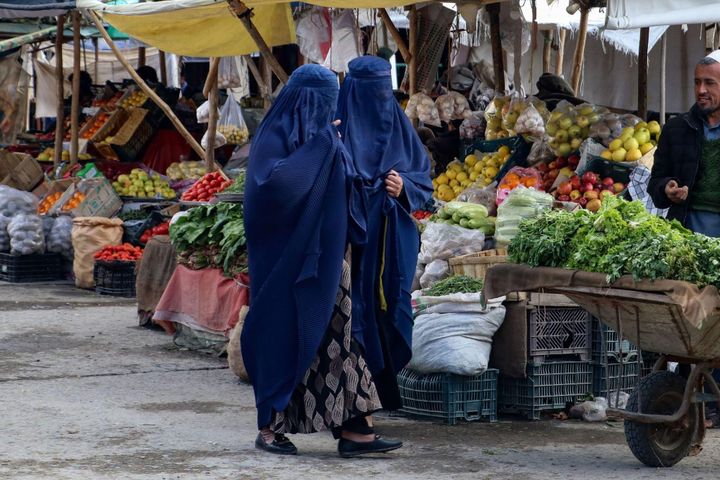
Three Faiths, One Land: Why Jerusalem Matters to Millions
One city, three faiths and thousands of years of history. Explore Jerusalem's sacred places, religious heritage, competing national narratives and the challenges of building a shared future through understanding, respect and dialogue.
Judaism, Christianity and Islam — The History, Sacred Places and Competing Narratives of Jerusalem
Beyond the Lines | History, Religion & Society | November 2026
Short Story — One City, Three Prayers
The sun rises above the ancient stones of Jerusalem.
Slowly, the narrow streets of the Old City come to life. Shopkeepers open their doors, footsteps echo through stone passageways, and the sounds of prayer reach across rooftops that have witnessed centuries of history.
An elderly Jewish man stands before the Western Wall. His hand rests against the ancient stones as he whispers a prayer. For him, Jerusalem represents generations of faith, remembrance and an enduring connection to his ancestors.
Not far away, a Christian woman enters the Church of the Holy Sepulchre. She lights a candle and pauses in silence. She has travelled thousands of kilometres to stand in a place connected to the death and resurrection of Jesus Christ.
Across the ancient city, a Muslim father walks towards the Al-Aqsa compound with his son. He speaks about the sacred journey of the Prophet Muhammad and the importance of Jerusalem within their faith.
Three people.
Three religious traditions.
Three different understandings of sacred history.
Yet their prayers rise above the same city.
None of them invented the history they inherited. Each carries traditions, memories and beliefs passed down through generations.
They may never speak to one another. They may hold profoundly different opinions about the future of Jerusalem. But they share something that cannot easily be measured: a spiritual attachment to the same place.
For centuries, people have travelled to Jerusalem searching for something greater than themselves.
Others have fought to control it.
Empires have risen and disappeared. Kingdoms have fallen. Walls have been destroyed and rebuilt. Communities have experienced persecution, displacement and moments of remarkable cooperation.
Yet Jerusalem remains.
A city where faith can bring people together, but where the struggle over religious and political identity can also divide them.
Perhaps the most difficult question is not why Jerusalem matters so deeply to three religions.
It is whether humanity can learn to respect the fact that it matters deeply to all three.
Editorial note: This opening is an illustrative narrative representing different religious experiences of Jerusalem. It is not based on interviews with three identified individuals.
Introduction — The City That Belongs to History
There are cities recognised for their economic power, architectural achievements or political influence.
Jerusalem occupies an entirely different position in human history.
Its importance extends far beyond its geographical boundaries. For millions of people who have never visited the city, Jerusalem represents a spiritual connection, a historical homeland, a sacred destination or a symbol of religious identity.
For Judaism, Jerusalem is the spiritual centre of an ancient faith and a fundamental part of Jewish history and collective memory.
For Christianity, it is the city associated with the final days of Jesus Christ, his crucifixion, burial and resurrection.
For Islam, Jerusalem is home to the sacred Al-Aqsa compound and is connected to the Prophet Muhammad's Night Journey and Ascension.
These connections have developed over thousands of years.
They cannot be understood through contemporary political arguments alone.
Jerusalem existed long before the establishment of modern Israel, the emergence of modern Palestinian nationalism or the creation of the political borders that define today's Middle East.
It has been ruled by ancient kingdoms, Roman emperors, Christian rulers, Muslim dynasties, Ottoman authorities, British administrators, Jordan and Israel.
Each period has left traces in the city's architecture, religious institutions, cultural traditions and collective memory.
In 1981, the Old City of Jerusalem and its Walls were inscribed on UNESCO's World Heritage List. In 1982, the site was added to the List of World Heritage in Danger.
Its significance is recognised not only by religious communities but also as part of humanity's historical and cultural heritage.
Nevertheless, Jerusalem remains one of the world's most politically sensitive cities.
Israel regards Jerusalem as its capital. Palestinians seek East Jerusalem as the capital of a future Palestinian state. The international legal status of East Jerusalem remains central to the conflict.
Religious identity, national aspiration, historical memory and political authority are deeply interconnected.
To understand Jerusalem, it is necessary to examine these elements separately before understanding how they influence one another.
This article explores the city's history, the religious traditions that shaped it, the consequences of successive conflicts and the challenges of protecting a place that carries extraordinary meaning for different communities.
It asks a question that extends beyond Jerusalem itself:
Can people recognise the sacred attachment of others without feeling that their own identity is threatened?
Chapter 1 — Jerusalem Before the Three Faiths
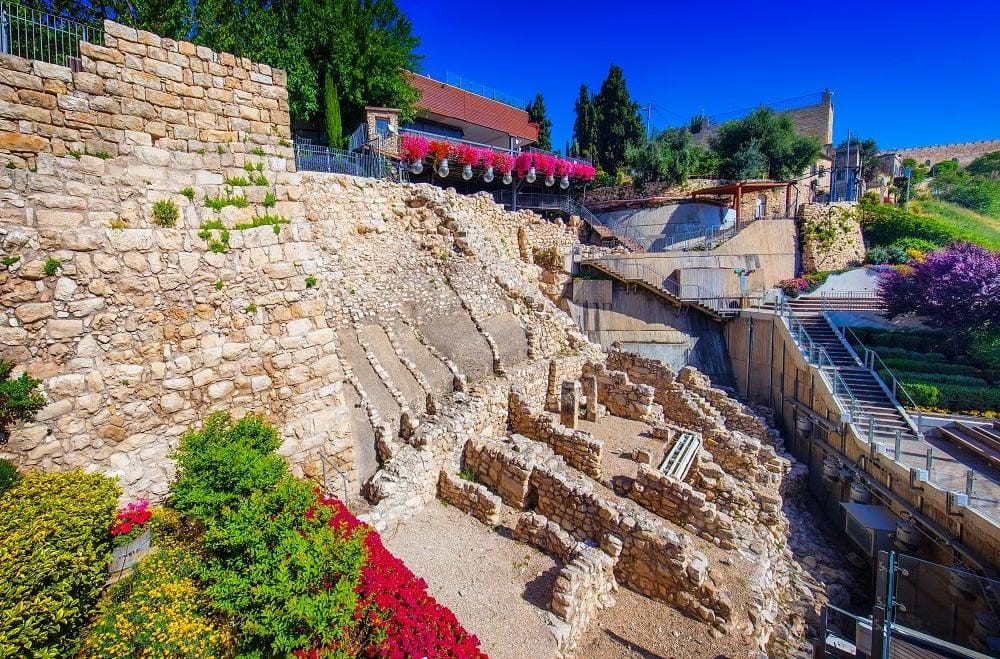
Long before Jerusalem became a centre of Judaism, Christianity and Islam, human communities had already established settlements in the surrounding hills.
Archaeological evidence points to human habitation during the Bronze Age.
The landscape offered important advantages. Its elevated position provided natural defensive possibilities, while the Gihon Spring supplied water to early inhabitants.
Ancient Jerusalem developed within a region shaped by trade, migration, competing kingdoms and cultural exchange.
Egyptian records from the second millennium BCE contain references interpreted by historians as relating to Jerusalem, demonstrating that the settlement existed centuries before the biblical period associated with King David.
According to the Hebrew Bible, Jerusalem was inhabited by the Jebusites before David established it as the capital of his kingdom.
The relationship between biblical accounts and archaeological evidence remains an important field of historical research.
Scholars debate the precise size, wealth and political influence of Jerusalem during the tenth century BCE.
These debates do not erase the city's historical importance. Rather, they demonstrate why religious tradition, archaeological evidence and historical interpretation must be distinguished.
As Jerusalem developed, its significance gradually extended beyond its geographical position.
It became associated with political authority, religious worship and the formation of collective identity.
Temples, defensive structures, water systems and settlements developed across successive generations.
The Jerusalem visible today contains layers from these different periods.
Much of its ancient history lies beneath later buildings, roads and religious structures.
This makes archaeological research particularly sensitive.
Excavations can reveal important information about earlier civilisations, but they may also become entangled with modern political claims.
Archaeology can demonstrate that communities lived, worshipped and governed in particular places.
It cannot, by itself, determine the political rights of people living there thousands of years later.
Jerusalem's earliest history reminds us that the city has never existed outside the wider history of human civilisation.
Its identity developed through centuries of settlement, transformation and cultural interaction.
Chapter 2 — Judaism and the Enduring Connection to Jerusalem
Of the three Abrahamic religions, Judaism has the earliest historical religious connection to Jerusalem.
According to biblical tradition, King David established Jerusalem as the capital of his kingdom around 1000 BCE.
His son, Solomon, is traditionally credited with constructing the First Temple, which became the centre of ancient Israelite worship.
While the precise archaeological details of the First Temple period remain debated, Jerusalem's central position in Jewish religious history is well established.
The Temple represented a connection between religious worship, national identity and the sacred traditions of the Jewish people.
In 587 or 586 BCE, Babylonian forces destroyed Jerusalem and the First Temple.
Many inhabitants of the Kingdom of Judah were taken into exile.
This event profoundly influenced Jewish religious thought and collective memory.
The loss of Jerusalem was not merely the destruction of a political capital. It represented separation from a spiritual centre that had become fundamental to Jewish identity.
Following the Persian conquest of Babylon, Jewish exiles were permitted to return.
The Second Temple was completed around 516 BCE, restoring Jerusalem's central role in Jewish religious life.
Centuries later, Herod the Great undertook an extensive expansion of the Temple complex.
This development transformed the surrounding platform, creating monumental retaining walls and an imposing religious centre.
In 70 CE, Roman forces destroyed the Second Temple during the First Jewish-Roman War.
Its destruction marked another defining moment in Jewish history.
Jewish religious life subsequently developed around prayer, study, law and community institutions rather than Temple sacrifice.
Nevertheless, Jerusalem remained central to Jewish religious consciousness.
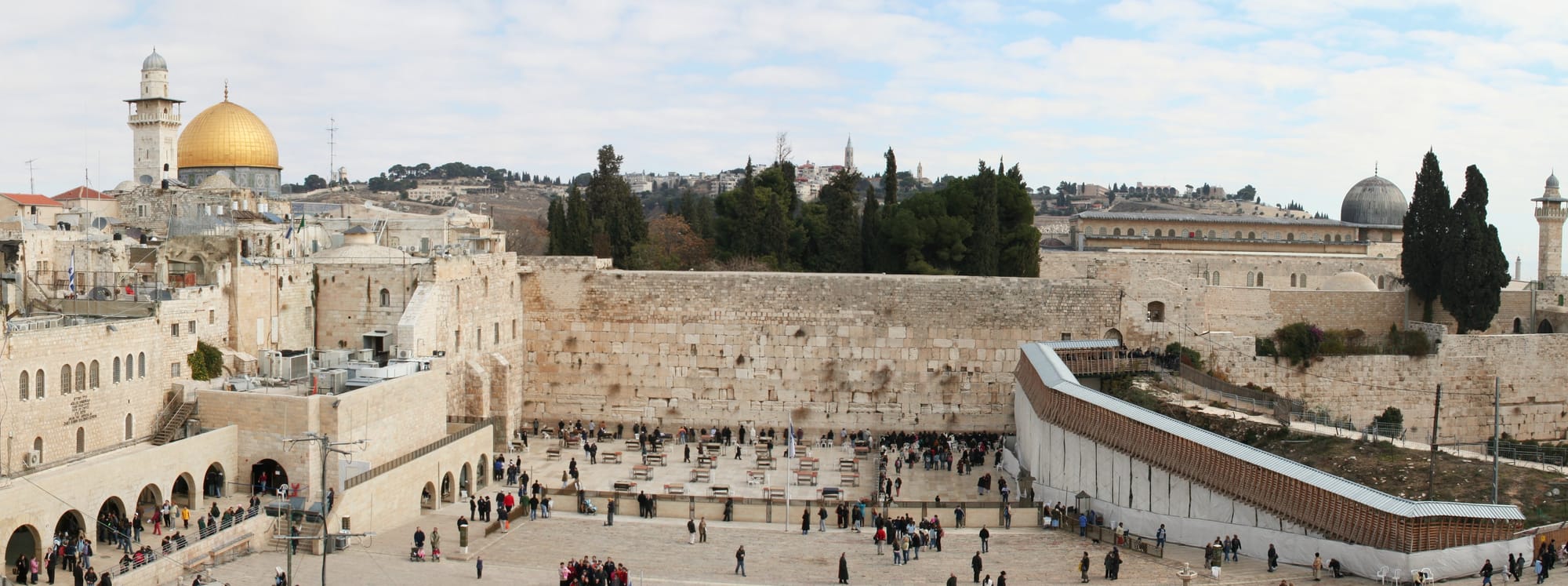
The Western Wall
The Western Wall is a surviving section of the retaining structure surrounding the expanded Second Temple platform.
It is not a surviving wall of the Temple building itself.
This distinction is important historically.
The Temple Mount remains Judaism's holiest site, while the Western Wall has become one of its most important accessible places of prayer.
Jewish worshippers gather there to pray, commemorate religious occasions and express personal hopes.
Many place written prayers between the stones.
The significance of Jerusalem also extends far beyond those able to visit it.
Jewish prayers traditionally face Jerusalem. Religious ceremonies recall its destruction, and Passover traditions express the hope of returning to the city.
During centuries of Jewish diaspora, Jerusalem remained a central element of religious identity.
Jewish communities also continued to live in Jerusalem during many periods of foreign rule, although their size, conditions and freedom of worship varied considerably.
For Jewish people, Jerusalem is therefore not simply an archaeological site or a modern political symbol.
It represents a continuous relationship between history, religion, memory and belonging.
Recognising that connection is essential to understanding Judaism.
It does not require denying the historical and religious connections of other communities.
Chapter 3 — Christianity: Walking in the Footsteps of Jesus
For Christianity, Jerusalem occupies a central position in the story of Jesus Christ.
Although Jesus is associated with Bethlehem, Nazareth and the wider region of Galilee, Jerusalem is the setting of the events that form the foundation of Christian belief.
According to the New Testament, Jesus visited Jerusalem during his ministry, taught within the Temple precincts and celebrated Passover with his disciples before his arrest.
Christian tradition associates the city with the Last Supper, the crucifixion, burial and resurrection of Jesus.
These events are commemorated by Christian communities across the world.
For believers, Jerusalem is not merely a historical destination.
It is a place of pilgrimage connected to redemption, sacrifice and spiritual renewal.
The Church of the Holy Sepulchre
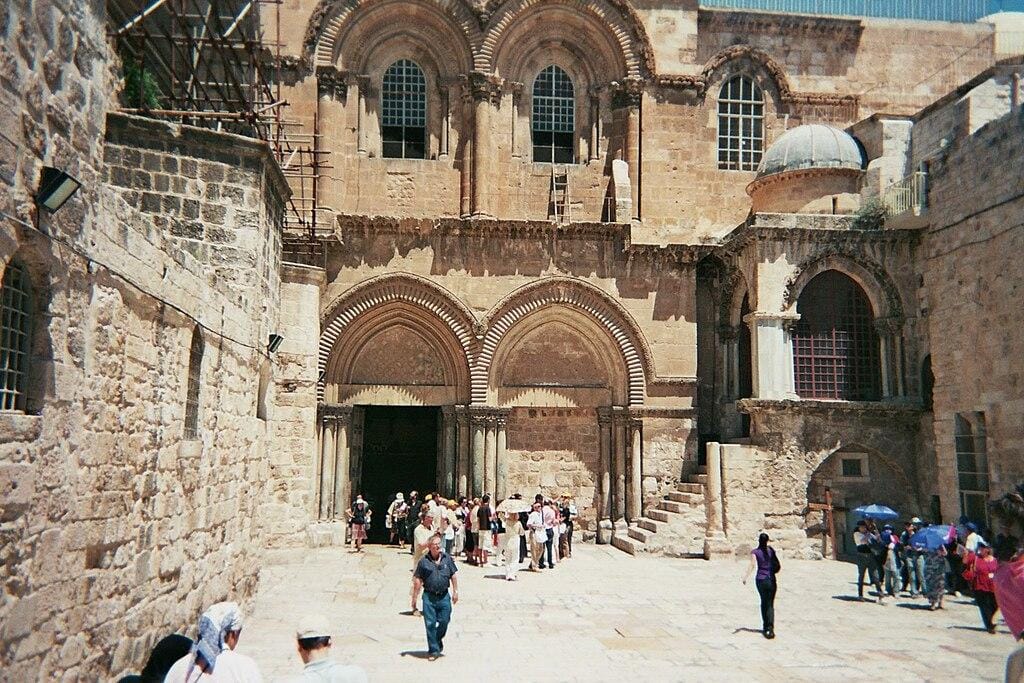
The Church of the Holy Sepulchre is among Christianity's most significant religious buildings.
It stands within the Christian Quarter of the Old City.
The earliest major church at the site was constructed during the fourth century, under the Roman Emperor Constantine.
Christian tradition identifies the location with Golgotha, where Jesus was crucified, and the tomb associated with his burial and resurrection.
The building has experienced destruction, reconstruction and renovation over many centuries.
Today, its administration is shared among several Christian denominations.
The Greek Orthodox, Armenian Apostolic and Roman Catholic communities hold major responsibilities, while Coptic Orthodox, Syriac Orthodox and Ethiopian Orthodox communities also possess recognised rights within the complex.
These arrangements reflect both the diversity of Christianity and the historical disputes that have developed over the administration of sacred places.
Pilgrims travel from across Europe, Africa, Asia, the Americas and the Middle East to visit the church.
For many, standing within its walls represents a deeply personal religious experience.
The Via Dolorosa
The Via Dolorosa is a traditional pilgrimage route through the Old City associated with the suffering of Jesus on his way to crucifixion.
Christian pilgrims follow stations commemorating events connected to his final journey.
The precise historical route remains uncertain, and the present devotional route developed over centuries.
Nevertheless, its spiritual significance for Christian worshippers is substantial.
Jerusalem's Living Christian Communities
Christianity in Jerusalem is not limited to pilgrimage and ancient churches.
Local Christian families have maintained religious and cultural traditions across generations.
Palestinian Arab Christians form an important part of this heritage, alongside Armenian, Ethiopian, Syriac and other communities.
Their institutions include schools, hospitals, churches, monasteries and charitable organisations.
Many have experienced pressures connected to emigration, economic difficulties, political uncertainty and regional conflict.
Their presence reminds the international community that Jerusalem's churches are not museums dedicated to a vanished civilisation.
They belong to living religious communities whose future is closely connected to the future of the city itself.
Chapter 4 — Islam and the Sacred Al-Aqsa Compound
Jerusalem holds a deeply significant position within Islam.
Known in Arabic as Al-Quds, the city is associated with prophets recognised within Islamic tradition and with the Prophet Muhammad's Night Journey and Ascension.
The Quran refers to the Night Journey in Surah Al-Isra, describing a journey from the Sacred Mosque to the Farthest Mosque.
Islamic tradition identifies the latter with Jerusalem.
According to that tradition, Muhammad travelled to this sacred location before ascending through the heavens.
The event forms an important part of Islamic religious understanding and reinforces Jerusalem's spiritual significance.
Jerusalem is also traditionally identified as the earliest direction of Muslim prayer before the direction was changed towards the Kaaba in Mecca.
Its importance within Islam is therefore both historical and theological.
Al-Masjid Al-Aqsa
The elevated sacred compound in Jerusalem's Old City is known to Muslims as Al-Haram al-Sharif, the Noble Sanctuary, and to Jews as the Temple Mount.
The compound contains several religious buildings, prayer spaces, courtyards and historical structures.
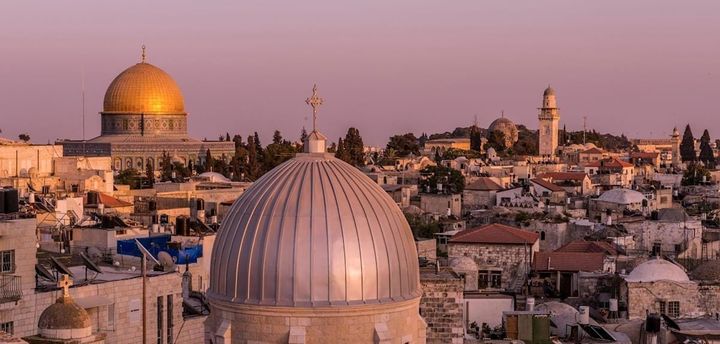
Al-Masjid Al-Aqsa can refer to the entire sacred compound in Islamic usage, although the name Al-Aqsa Mosque is also commonly used for the silver-domed congregational prayer building located at its southern end.
This difference in terminology can create confusion in international reporting.
The site is widely regarded within Islam as its third-holiest sanctuary, after Mecca and Medina.
Muslims gather there for daily prayers, religious celebrations and particularly significant occasions during Ramadan.
For Palestinian Muslims, the compound also carries a strong connection to Palestinian religious, cultural and national identity.
The Dome of the Rock
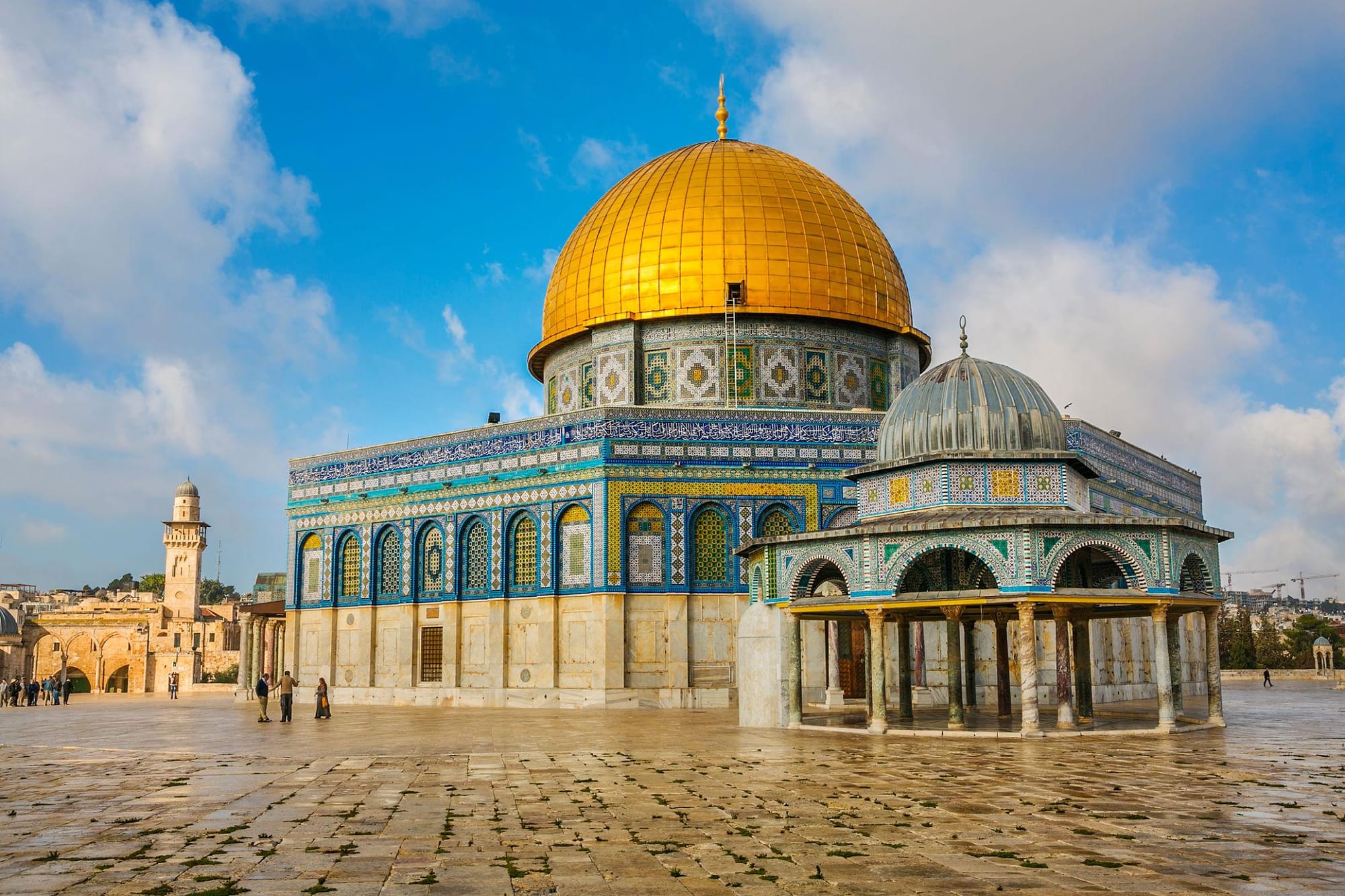
The golden-domed structure that dominates many photographs of Jerusalem is the Dome of the Rock.
It is frequently mistaken for the main Al-Aqsa prayer hall.
The Dome of the Rock was completed around 691–692 CE during the rule of the Umayyad Caliph Abd al-Malik.
It stands above a rock associated with important religious traditions.
Its architecture, decoration and inscriptions make it an exceptional example of early Islamic religious art.
The building has become one of Jerusalem's most recognisable symbols.
The importance of the compound to Muslims does not erase its earlier Jewish religious history.
Equally, recognising its ancient Jewish history does not diminish centuries of Islamic worship and attachment.
The difficulty lies in protecting religious heritage where sacred meanings overlap and political claims remain disputed.
Chapter 5 — Abraham: A Shared Beginning, Different Traditions
Judaism, Christianity and Islam are frequently described as the Abrahamic religions.
Each recognises Abraham as an important religious figure.
Yet their interpretations of his life, descendants and spiritual significance differ.
In Judaism, Abraham is regarded as a patriarch whose covenant with God occupies a foundational position in Jewish tradition.
In Christianity, Abraham is recognised as an important figure of faith whose relationship with God is discussed throughout Christian scripture.
In Islam, Ibrahim is honoured as a prophet associated with devotion to God and the rejection of idolatry.
These connections reveal an important historical relationship between the three faiths.
Their religious traditions share figures, narratives and concepts, including belief in one God, moral responsibility and the importance of prayer.
Nevertheless, their theological differences are substantial.
Christianity's understanding of Jesus differs fundamentally from those of Judaism and Islam.
Jewish and Islamic religious law developed independently within different traditions.
Even stories concerning shared religious figures may be interpreted differently.
The biblical account of Abraham's willingness to sacrifice his son identifies that son as Isaac.
The Quranic account does not explicitly name the son in the relevant passage, although the prevailing later Islamic tradition identifies him as Ishmael.
These differences demonstrate why shared religious heritage should not be confused with identical religious belief.
Interfaith understanding does not require people to abandon their own convictions.
It requires recognising that other communities may attach sincere and profound meaning to traditions interpreted differently from their own.
Jerusalem brings these relationships into unusually close physical proximity.
Within a relatively small geographical area stand buildings representing religious traditions that have shaped much of world history.
They serve as reminders of shared origins, independent developments and longstanding disagreements.
The challenge is not to make three faiths become one.
It is to create conditions in which different faiths can exist without denying one another dignity, safety or religious freedom.
Chapter 6 — When Empires Ruled Jerusalem
Jerusalem's political history is marked by repeated changes of authority.
The city has experienced conquest, reconstruction, religious transformation and periods of coexistence under numerous rulers.
Roman and Byzantine Jerusalem
Roman influence over Jerusalem intensified in the first century BCE.
Following the destruction of the Second Temple in 70 CE, Roman authority reshaped the city.
After the Bar Kokhba revolt in the second century, Emperor Hadrian established the Roman colony of Aelia Capitolina.
Restrictions imposed on Jewish access changed the city's religious and demographic character.
During the fourth century, Christianity gained imperial support.
Jerusalem developed into an important Christian pilgrimage centre, and churches were constructed at sites associated with biblical events.
Under Byzantine rule, Christian religious institutions became prominent throughout the city.
Early Islamic Rule
In 637 or 638 CE, Jerusalem came under Muslim rule.
Traditions concerning Caliph Umar's arrival describe arrangements for the protection of Christian places of worship.
Historical accounts differ in their details, and guarantees provided to religious communities evolved over time.
Under Muslim dynasties, Jerusalem developed important Islamic institutions and religious monuments.
The Dome of the Rock and the Al-Aqsa prayer hall became central features of its religious landscape.
Jewish and Christian communities continued to exist under varying legal and social conditions.
Their experiences included periods of relative security as well as discrimination and restrictions.
The Crusades
In 1099, Crusader forces captured Jerusalem.
The conquest was accompanied by extensive violence against Muslim and Jewish inhabitants.
The city became the centre of a Crusader kingdom, and Islamic religious buildings were adapted for Christian purposes.
In 1187, Saladin regained control of Jerusalem.
Islamic worship was restored at the sacred compound, and different arrangements were established for religious communities.
Later political changes brought Jerusalem under Ayyubid and Mamluk rule.
The Ottoman Period
Jerusalem became part of the Ottoman Empire in the early sixteenth century.
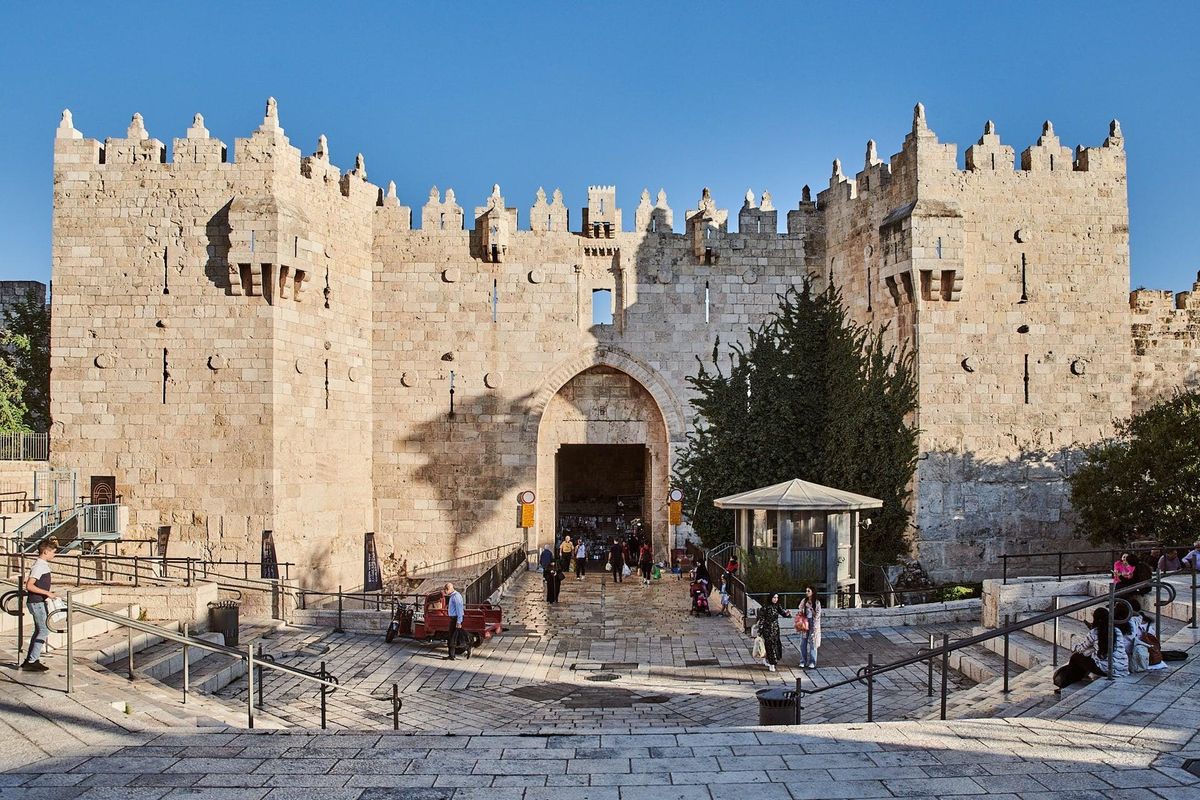
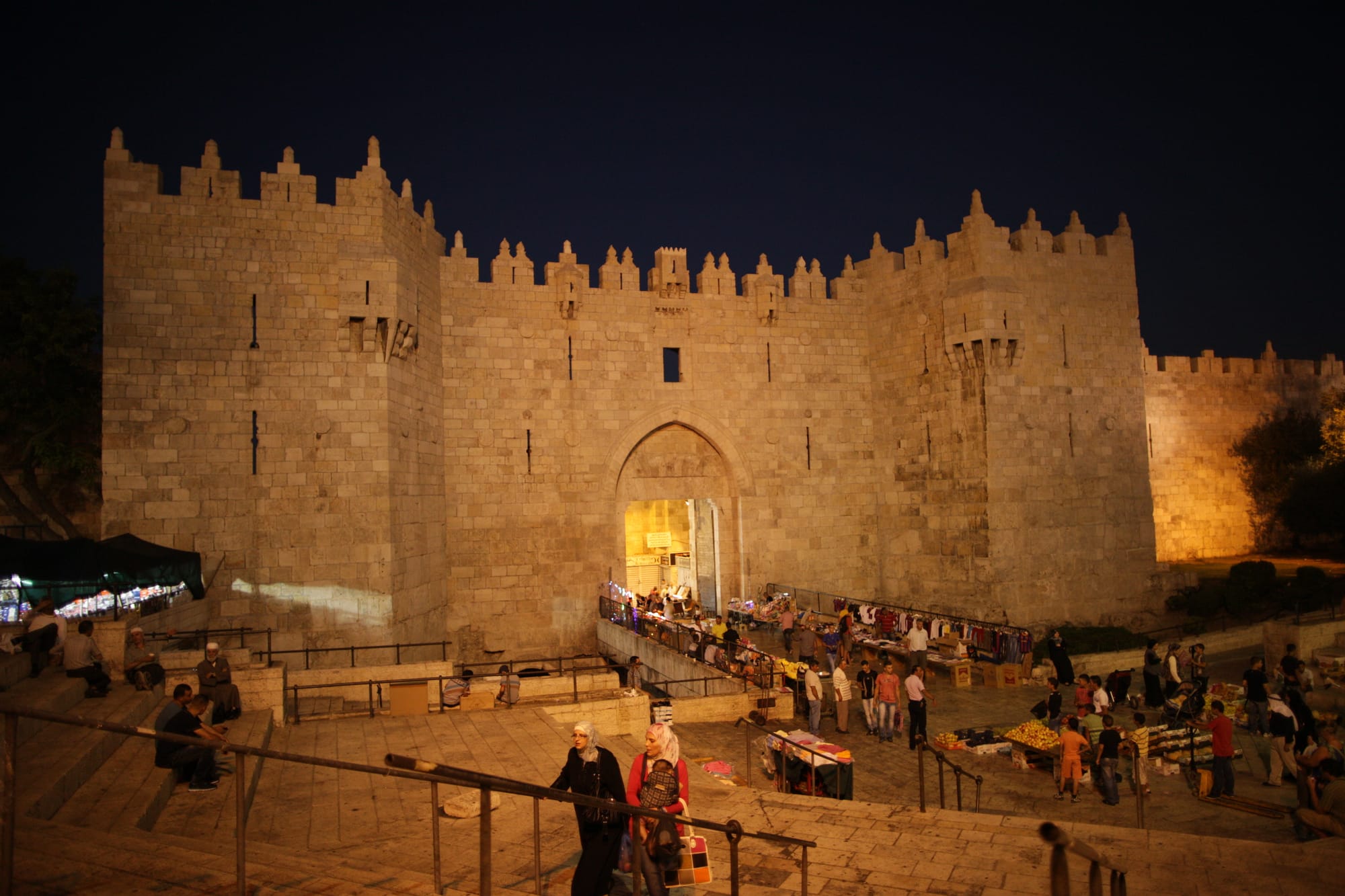
Under Sultan Suleiman the Magnificent, the city's walls were rebuilt during the 1530s and early 1540s.
These walls largely define the Old City's visible boundaries today.
Ottoman authorities administered Jerusalem through systems involving religious communities, local institutions and imperial law.
The empire governed the city until British forces captured it in 1917.
Across these centuries, Jerusalem repeatedly experienced changes in religious authority and political administration.
No period can be understood entirely through narratives of harmony or persecution.
Different communities encountered different conditions depending on the ruling authorities, political circumstances and historical moment.
The city's history demonstrates both the persistence of religious identity and the consequences of struggles for political control.
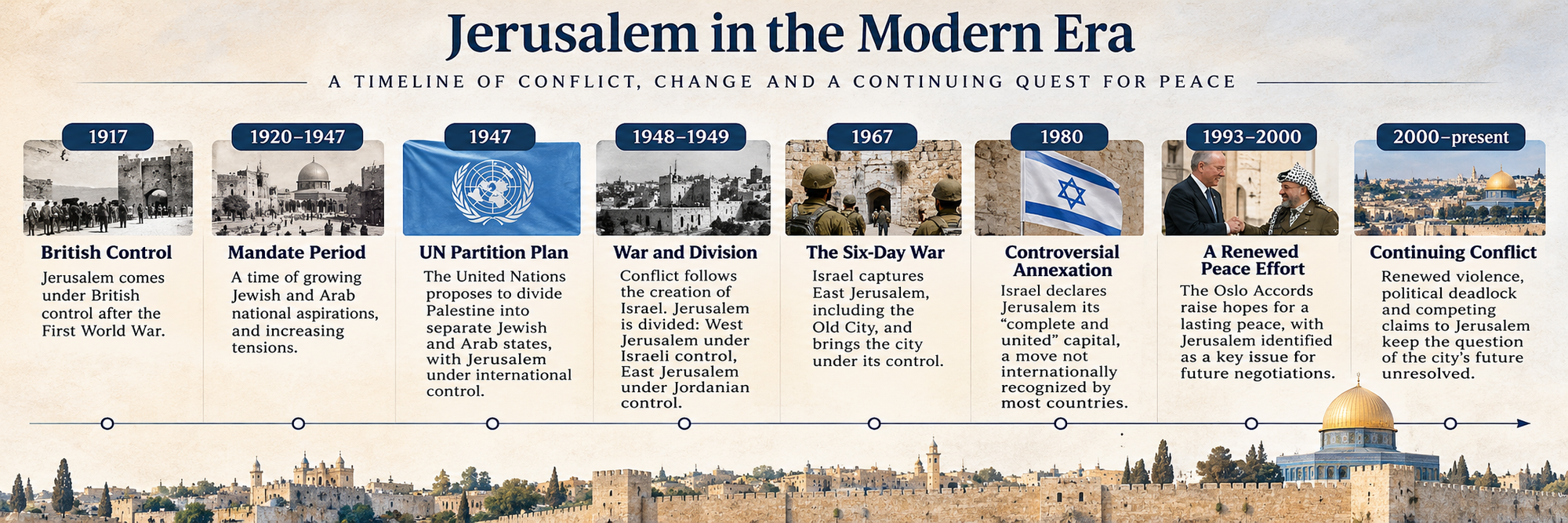
Chapter 7 — The British Mandate: The Emergence of Modern National Claims
The end of Ottoman rule marked a major turning point in Jerusalem's modern history.
British forces captured the city in December 1917 during the First World War.
The British Mandate for Palestine was subsequently formalised through the League of Nations.
It created a political framework in which Jewish national aspirations, Palestinian Arab demands for self-determination and British imperial interests increasingly came into conflict.
The Balfour Declaration of 1917 expressed British support for establishing a national home for the Jewish people in Palestine while also stating that the civil and religious rights of existing non-Jewish communities should not be prejudiced.
For many Jewish communities, particularly those facing persecution in Europe, the prospect of a national home represented security and self-determination.
For Palestinian Arabs, increasing immigration and competing political ambitions raised concerns about displacement, political representation and the future of their homeland.
Jerusalem became a focal point of these tensions.
Its religious places were closely connected to broader national movements.
Disputes concerning the Western Wall and the surrounding area contributed to growing confrontation.
Violence in 1929 demonstrated how arguments over sacred places could become intertwined with wider political grievances.
During the following decades, the situation became increasingly difficult.
The persecution of European Jews and the Holocaust intensified the demand for Jewish refuge and national independence.
At the same time, Palestinian Arabs continued to oppose political arrangements they believed threatened their own national future.
In November 1947, the United Nations General Assembly adopted Resolution 181.
It proposed dividing Mandatory Palestine into Jewish and Arab states.
Jerusalem and surrounding areas were to be placed under a special international administration, known as a corpus separatum.
The proposed arrangement reflected recognition that Jerusalem's significance extended beyond either national movement.
However, the international administration was never implemented.
Violence escalated, British rule ended and Jerusalem became one of the central locations of the 1948 war.
The consequences continue to influence political and religious relationships today.
Chapter 8 — 1948: A City Divided
The establishment of the State of Israel in May 1948 and the ensuing Arab-Israeli war transformed Jerusalem.
By the time the 1949 armistice agreements were concluded, the city had been divided.
West Jerusalem came under Israeli control.
East Jerusalem, including the Old City and many of its most important religious sites, came under Jordanian control.
The division had significant consequences for local communities.
Palestinian residents were displaced from neighbourhoods in West Jerusalem during the conflict.
Jewish residents were forced to leave the Jewish Quarter of the Old City after it came under Jordanian control.
Homes, businesses, religious buildings and family properties were lost or placed beyond the reach of their former inhabitants.
For Jewish communities, the loss of access to the Western Wall was particularly significant.
Despite provisions in the Israeli-Jordanian armistice agreement concerning access to holy places, Jewish worshippers from Israel were unable to visit the Western Wall during the period of Jordanian control.
Jewish religious sites in the Old City also suffered damage and destruction.
Palestinian families, meanwhile, experienced the wider consequences of displacement associated with the 1948 war.
Many lost homes, land and access to neighbourhoods that had formed part of their family histories.
These experiences became central to different national narratives.
For Israelis, 1948 represented independence and the establishment of a Jewish state after centuries of persecution.
For Palestinians, it represented the Nakba, the catastrophe associated with widespread displacement and the destruction of established communities.
Jerusalem was physically divided for nineteen years.
The dividing lines affected movement, family relationships, religious access and the city's overall development.
The events of 1948 demonstrate how political borders can transform sacred geography into a source of personal loss.
Remembering the experiences of one community does not require forgetting those of another.
Chapter 9 — 1967: The War That Changed Jerusalem
The Six-Day War of June 1967 fundamentally altered Jerusalem's political geography.
Israel captured East Jerusalem from Jordan, along with the West Bank.
For the first time since 1948, Jewish Israelis could again access the Western Wall.
For many Jewish people, this represented an event of extraordinary religious and historical significance.
Photographs of Jewish worshippers at the Wall became powerful symbols of restored access to a site central to Jewish identity.
For Palestinians in East Jerusalem, however, the events represented the beginning of Israeli occupation and a major change in their political and legal circumstances.
The same historical event therefore carries profoundly different meanings.
Following the war, Israel extended its laws, jurisdiction and administration to East Jerusalem and expanded the city's municipal boundaries.
These measures were not internationally recognised as establishing Israeli sovereignty over East Jerusalem.
The physical landscape surrounding the Western Wall also changed.
The historic Moroccan Quarter, located adjacent to the Wall, was demolished shortly after the war to create a large prayer plaza.
Palestinian residents lost their homes in the process.
Today, millions of worshippers and visitors use the Western Wall Plaza, but its creation remains part of the history of Palestinian displacement in Jerusalem.
The Administration of the Sacred Compound
After Israel captured East Jerusalem, the Islamic Waqf continued to administer the religious affairs of the Temple Mount/Haram al-Sharif under an arrangement established following the war.
Israel retained overall security control.
The arrangement was intended to manage access and worship at a location sacred to both Judaism and Islam.
Its implementation has remained a subject of controversy.
For Jewish Israelis, reunification became an important national narrative.
For Palestinians, the occupation of East Jerusalem remains an unresolved political and legal reality.
These differing interpretations influence contemporary debates concerning archaeology, settlements, religious freedom, sovereignty and access to sacred places.
Understanding 1967 requires recognising both the significance of restored Jewish religious access and the consequences of Israeli control for Palestinian residents.
Neither experience can simply be removed from the historical record.
Chapter 10 — The Holy Sites and the Fragile Status Quo
The expression status quo appears frequently in discussions about Jerusalem.
It generally refers to arrangements regulating the administration, religious use and accessibility of particular sacred places.
However, not every holy site operates under the same agreement.
Christian Holy Sites
The management of several Christian religious buildings reflects arrangements established during Ottoman rule.
Within the Church of the Holy Sepulchre, responsibilities are divided among different Christian denominations.
Specific rules govern religious ceremonies, access, maintenance and the use of particular areas.
Even apparently minor changes may require negotiation.
These arrangements illustrate how deeply historical rights and religious identity can influence the management of sacred spaces.
The Temple Mount and Haram al-Sharif
The traditional post-1967 arrangement at the compound allows Muslims to worship there, while non-Muslims may visit under regulated conditions.
The Islamic Waqf manages religious affairs, while Israeli authorities exercise security control and influence access.
Jordan's special role in Muslim holy places in Jerusalem was recognised in the 1994 peace treaty between Israel and Jordan.
However, questions concerning non-Muslim prayer, policing and access restrictions have generated repeated disputes.
Some Jewish activists argue that Jews should have greater opportunities to pray at Judaism's holiest site.
Muslim religious authorities and Palestinian representatives have expressed concern that changes could undermine established arrangements and threaten Islamic custodianship.
Israeli authorities have repeatedly stated their commitment to maintaining the status quo, although developments and enforcement practices have been disputed.
Security restrictions can also affect Muslims seeking access to the compound, particularly Palestinians travelling from the occupied West Bank.
Religious Freedom and Security
Managing access to sacred places requires balancing several issues:
The safety of worshippers.
The protection of historical monuments.
The preservation of religious traditions.
Freedom of worship.
The political consequences of changing longstanding arrangements.
These concerns do not always have straightforward solutions.
Restrictions defended by authorities as security measures may be experienced by worshippers as discrimination or interference with religious freedom.
Actions presented as expressions of religious rights may be perceived by another community as attempts to change political or religious control.
This makes careful communication and cooperation particularly important.
The protection of sacred places cannot depend entirely on security arrangements. It also requires trust in the institutions responsible for their administration.
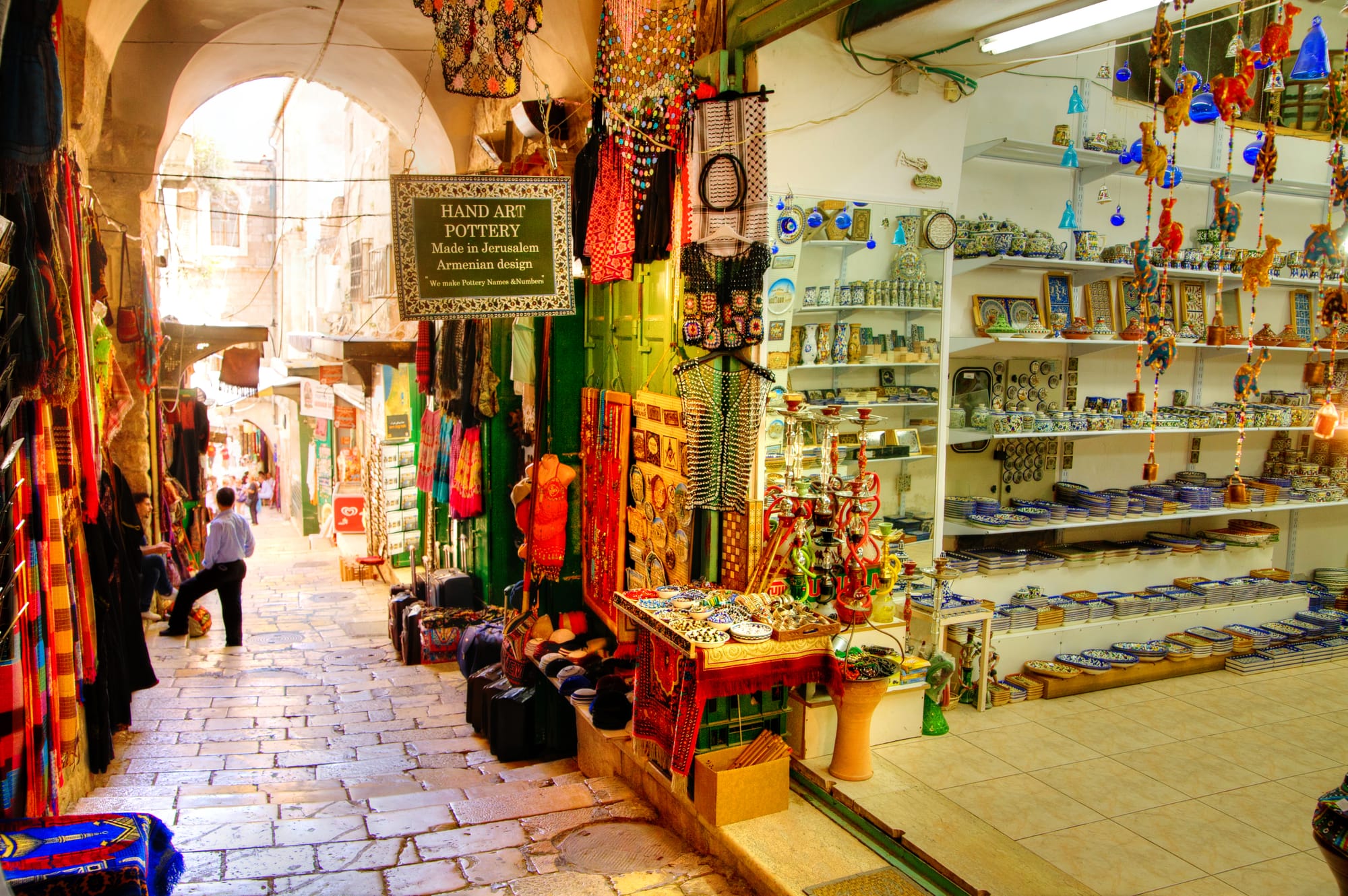
Chapter 11 — The People Who Call Jerusalem Home
Jerusalem is not simply an ancient city filled with religious monuments.
It is a modern city with a population exceeding one million people.
According to figures published by Israel's Central Bureau of Statistics in May 2026, Jerusalem's estimated population was approximately 1,063,000.
Preliminary data for the end of 2025 classified approximately 56.6 percent of residents as Jews and Others, 38.4 percent as Arabs and 4.9 percent as foreign residents.
The official category of Others includes people belonging to other religious classifications or recorded without a religious classification.
These figures reflect Israeli municipal boundaries and statistical definitions. They do not establish internationally recognised territorial sovereignty.
Behind the numbers are communities with different histories, legal circumstances, traditions and economic realities.
Jewish Jerusalem
Jerusalem's Jewish population includes secular, traditional, religious Zionist and ultra-Orthodox communities.
Their lifestyles, political views and approaches to religious observance vary considerably.
Different neighbourhoods reflect different expectations concerning education, employment, public transport, clothing and religious practice.
Debates over the relationship between religious institutions and secular public life influence municipal and national politics.
Palestinian Jerusalem
Palestinian communities form a substantial part of Jerusalem's population.
Many Palestinian residents of East Jerusalem hold Israeli permanent residency rather than citizenship.
Their legal status differs from that of Israeli citizens.
Obtaining housing permits, accessing public services, maintaining residency and navigating restrictions on movement can present significant challenges.
Palestinian residents participate in the city's economy, healthcare system, educational institutions and cultural life.
Their attachment to Jerusalem reflects family history, religious traditions and Palestinian national identity.
Christian and Other Communities
Jerusalem's Christian communities contribute to the city's educational, medical, cultural and religious institutions.
Armenian, Greek Orthodox, Catholic, Ethiopian, Syriac and other traditions form part of its religious landscape.
The Armenian Quarter represents one of the Old City's distinctive historical communities.
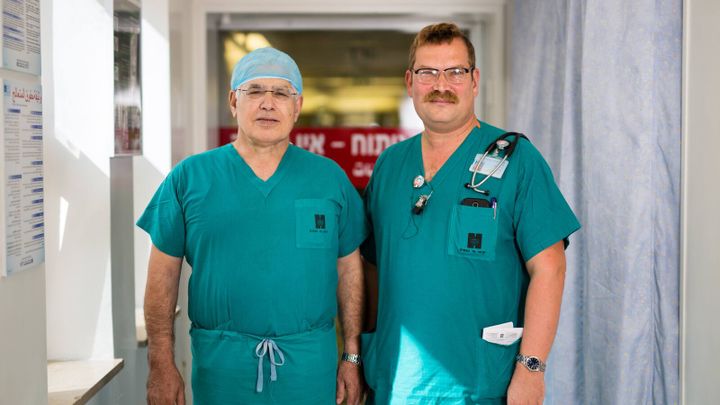
International clergy, religious scholars, pilgrims and humanitarian organisations also contribute to the city's diversity.
Everyday Life Beyond the Sacred Places
Most residents spend much of their time dealing with ordinary concerns.
Housing.
Employment.
Education.
Healthcare.
Traffic.
Family responsibilities.
However, everyday experiences are shaped by significant socioeconomic differences.
Poverty, housing shortages, uneven infrastructure and unequal opportunities affect communities in different ways.
These issues can deepen political grievances and contribute to mistrust.
At the same time, hospitals, commercial centres and educational institutions create opportunities for interaction between communities.
People may cooperate professionally while holding fundamentally different opinions about Jerusalem's future.
These ordinary encounters do not resolve political disputes.
But they reveal a city that cannot be understood solely through religious ceremonies or political confrontation.
Jerusalem is also home.
Chapter 12 — Jerusalem and International Law
The political status of Jerusalem is one of the most complex and contested issues in the Israeli-Palestinian conflict.
Understanding this subject requires distinguishing between historical connection, religious significance, political claims, effective control and internationally recognised sovereignty.
These concepts are related but are not interchangeable.
Israel's Position
Israel regards Jerusalem as its capital.
In 1980, the Israeli Knesset adopted the Basic Law concerning Jerusalem, declaring the complete and united city to be the capital of Israel.
Major Israeli government institutions, including the Knesset and Supreme Court, are located in Jerusalem.
Israel maintains that the city's political unity and Jewish historical connection are fundamental to its national identity.
Israeli representatives also emphasise the importance of maintaining access to holy places and addressing security concerns.
The Palestinian Position
Palestinians regard East Jerusalem as an integral part of the Palestinian territory occupied by Israel in 1967.
They seek East Jerusalem as the capital of a future independent Palestinian state.
Palestinian representatives argue that Israeli annexation measures, settlement activity and restrictions undermine Palestinian self-determination.
Jerusalem remains central to Palestinian religious, historical and political identity.
The International Position
The United Nations proposed a special international regime for Jerusalem in 1947, although this arrangement was never implemented.
In 1980, United Nations Security Council Resolution 478 rejected the legal consequences of Israel's Basic Law concerning Jerusalem.
The prevailing international position does not recognise Israeli annexation of East Jerusalem.
In its July 2024 advisory opinion concerning the occupied Palestinian territory, the International Court of Justice included East Jerusalem within its examination of Israeli occupation and concluded that Israel's continued presence in the occupied Palestinian territory was unlawful.
Israel rejected the advisory opinion, challenging its conclusions and arguing that it did not adequately address Israel's historical and security concerns.
An advisory opinion is not the same as a binding judgment between parties in a contentious case, although it carries significant legal authority.
Some governments have recognised Jerusalem as Israel's capital or established diplomatic missions there. These decisions do not necessarily imply recognition of Israeli sovereignty over all of East Jerusalem.
The city's final political status remains unresolved.
History Is Not the Same as Sovereignty
The ancient Jewish connection to Jerusalem is historically and religiously significant.
The centuries of Muslim worship and the Palestinian connection to the city are also historically significant.
Christian communities possess enduring religious and cultural ties.
Recognising these connections does not automatically establish which political arrangements should govern the city today.
International law, national self-determination, human rights, security and diplomatic negotiations remain separate considerations.
Jerusalem's political future cannot be determined by archaeological discoveries or religious texts alone.
It must also address the rights and circumstances of the people living there today.
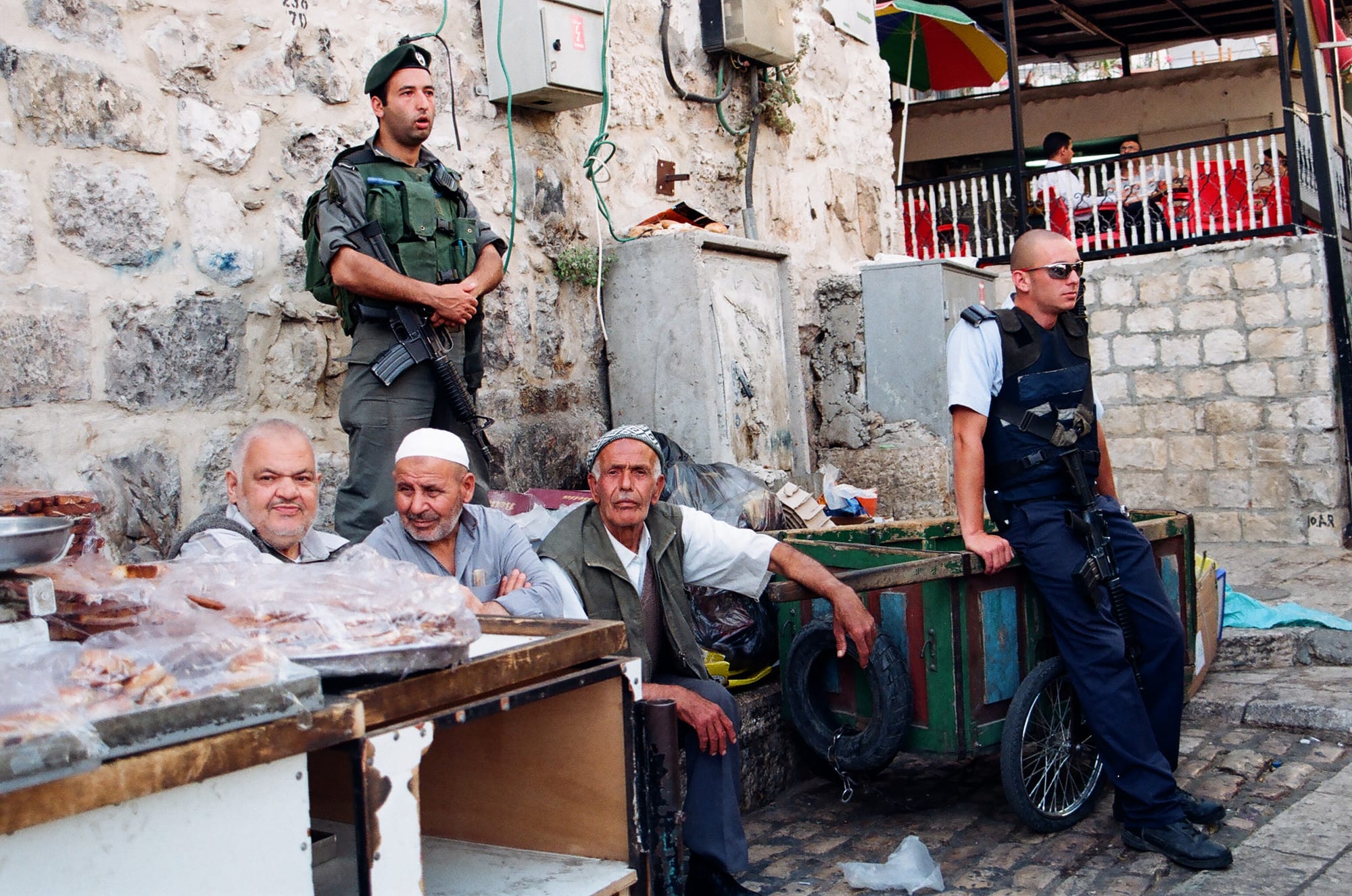
Chapter 13 — When Religion Becomes Part of Political Conflict
Religion can provide individuals with identity, moral guidance and a sense of community.
However, religious identity can also become entangled with political conflict.
Jerusalem demonstrates how sacred symbols may acquire meanings beyond worship.
A religious building can become a symbol of national sovereignty.
Access to a holy site can become a political issue.
Archaeological discoveries can be interpreted as supporting competing historical narratives.
Political leaders, activists and religious movements may invoke sacred history to reinforce contemporary claims.
This can create conditions in which compromise becomes particularly difficult.
When a political dispute is presented as a sacred struggle, disagreement may be interpreted as a threat to religious identity itself.
The consequences can extend far beyond Jerusalem.
Images and reports concerning the city's holy places can provoke emotional reactions across the world.
Social media can intensify these reactions by circulating misleading footage, incomplete historical explanations and inflammatory claims.
A photograph taken out of context can contribute to hostility towards an entire religious community.
An unverified allegation concerning a sacred site can spread internationally before its accuracy has been established.
Responsible journalism has an important role in preventing misinformation.
Reports must distinguish between confirmed events, allegations, religious interpretations and political statements.
They must avoid presenting individual actions as representative of entire populations.
Judaism is not synonymous with the policies of the Israeli government.
Islam is not synonymous with Islamist political movements or armed organisations.
Christianity cannot be reduced to the historical actions of Christian empires or contemporary political groups.
These distinctions are essential.
Criticism of political decisions is legitimate. So is historical examination of religious institutions.
But holding individuals collectively responsible because of their religious identity contributes to prejudice rather than understanding.
Jerusalem's religious communities cannot build meaningful relationships if each is expected to answer for every historical or contemporary action committed in the name of its faith.
Chapter 14 — Can Three Faiths Share One City?
Throughout its history, Jerusalem has experienced both religious confrontation and cooperation.
Today, interreligious initiatives continue to bring Jewish, Muslim and Christian participants together.
Their activities include educational programmes, community discussions, professional partnerships and efforts to address prejudice.
Organisations such as the Interfaith Encounter Association and the Jerusalem-based Rossing Center for Education and Dialogue have developed programmes encouraging participants to learn about different religious and cultural traditions.
The purpose of such initiatives is not necessarily to reach agreement on political questions.
Instead, they create opportunities for people to encounter perspectives beyond their own communities.
This can be particularly important in societies where education, residential patterns and social networks limit interaction between different groups.
Dialogue Without Erasing Differences
Meaningful dialogue does not require a Jewish participant to abandon the Jewish connection to Jerusalem.
It does not require a Palestinian Muslim to surrender religious or national identity.
It does not require a Christian community to compromise its theological traditions.
Dialogue begins with recognising that participants may hold beliefs and historical memories that cannot easily be reconciled.
It also requires willingness to listen when another community describes experiences of persecution, displacement, discrimination or fear.
Recognition is not the same as political agreement.
A person can acknowledge another community's religious attachment while disagreeing with its political demands.
The Role of Religious Leaders
Religious leaders can influence how communities understand one another.
Their words may strengthen respect and promote cooperation.
They may also contribute to hostility if they portray other communities as inherently threatening or illegitimate.
Religious institutions therefore possess an important social responsibility.
Education that accurately explains different faiths can challenge stereotypes.
Public statements condemning antisemitism, anti-Muslim hatred and anti-Christian hostility can demonstrate that protecting one community does not require neglecting another.
Cooperation between religious institutions can also support practical initiatives involving education, healthcare, poverty reduction and assistance to vulnerable families.
The Limits of Dialogue
Interfaith dialogue alone cannot resolve the Israeli-Palestinian conflict.
It cannot substitute for political negotiations, legal protection, accountability or measures addressing socioeconomic inequality.
It cannot remove the consequences of displacement or guarantee security.
These issues require institutional and political action.
However, dialogue can contribute to the social conditions necessary for people to recognise one another's humanity.
It can challenge the assumption that the existence or religious identity of another community represents a threat.
Jerusalem presents an extraordinary opportunity for such cooperation precisely because its religious communities possess different traditions while remaining connected to the same physical landscape.
Chapter 15 — Protecting Jerusalem for Future Generations
Jerusalem's future is not only a question for governments, religious authorities and international institutions.
It is also a question for the generations who will inherit the city.
Children growing up in Jerusalem may receive different explanations of its history.
They may learn about different wars, religious traditions, historical grievances and national aspirations.
What they are taught can influence whether they perceive neighbouring communities with curiosity, respect, suspicion or hostility.
Education has a particularly important responsibility.
Young people should have opportunities to understand their own heritage while learning that other communities possess histories and identities worthy of recognition.
Historical education should distinguish between evidence, religious belief and political interpretation.
It should not require children to deny documented events of persecution or displacement.
Nor should it encourage them to inherit hatred towards people who were not responsible for those events.
The preservation of Jerusalem's religious and cultural heritage is equally important.
Ancient buildings, archaeological remains, religious manuscripts, neighbourhoods and cultural traditions represent knowledge accumulated over centuries.
Their destruction or neglect would constitute a loss extending beyond individual communities.
UNESCO's recognition of the Old City reflects the international significance of this heritage.
However, preserving buildings is only part of the responsibility.
Living religious communities also need the ability to maintain institutions, practise their faith and pass traditions to future generations.
Without them, sacred places risk becoming historical monuments disconnected from the people who give them meaning.
The future of Jerusalem will depend on political developments, security arrangements, economic conditions and international diplomacy.
But it will also depend on whether the city's inhabitants can imagine a future in which their own dignity is compatible with the dignity of their neighbours.
Conclusion — One City, Millions of Prayers
Jerusalem has witnessed more than three thousand years of human history.
Its stones carry memories of ancient kingdoms, religious devotion, conquest, destruction, exile and reconstruction.
For Jewish people, Jerusalem represents an enduring connection to faith, history and collective identity.
For Christians, it represents the sacred journey of Jesus Christ and the foundations of Christian belief.
For Muslims, it represents a holy sanctuary connected to prophecy, prayer and centuries of Islamic tradition.
For Israelis and Palestinians, it also represents national identity, political aspiration, personal history and the meaning of home.
These realities cannot be separated simply by drawing lines on a map.
Nor can they be understood by recognising only one community's attachment.
The history of Jerusalem demonstrates what can happen when sacred places become instruments of political confrontation.
It also reveals how religious traditions can survive centuries of profound change.
The challenge for future generations is not to decide which religious tradition is more deserving of respect.
It is to understand that religious significance does not need to be exclusive.
A Jewish prayer at the Western Wall does not diminish the meaning of a Muslim prayer at Al-Aqsa.
A Christian lighting a candle in the Church of the Holy Sepulchre does not weaken the historical connection of another faith.
Different religious convictions can remain different without becoming reasons for hostility.
Political disputes must still be addressed.
The rights of residents, the protection of holy places, questions of sovereignty, security and Palestinian self-determination cannot be resolved solely through expressions of goodwill.
But no political process can build lasting trust if it begins by denying the humanity, history or identity of another community.
Jerusalem has spent centuries at the centre of humanity's search for God.
It has also witnessed what happens when people use religion to justify their refusal to recognise one another.
Across the Old City, prayers continue.
Candles are lit.
Sacred texts are read.
Children walk through streets where generations before them have worshipped, lived and struggled.
Their future has not yet been written.
Perhaps the greatest lesson Jerusalem can offer the world is that acknowledging the sacred experience of another person does not require surrendering one's own faith.
One city. Three faiths. Millions of prayers.
Different histories and different beliefs, but an equal human right to dignity, safety and religious freedom.
Understanding Jerusalem begins when we stop asking whether the attachment of one community must invalidate the attachment of another.
And start asking how a city of such extraordinary significance can be protected for everyone who holds it dear.
Sources and Further Reading
Historical and Cultural Heritage
- UNESCO World Heritage Centre — Old City of Jerusalem and its Walls.
https://whc.unesco.org/en/list/148/
- HISTORY — Jerusalem: Historical Background and Chronology.
https://www.history.com/articles/history-of-jerusalem
- Encyclopaedia Britannica — Jerusalem: History, Geography and Religious Significance.
https://www.britannica.com/place/Jerusalem
Religious History and Sacred Places
- The Hebrew Bible — 2 Samuel 5–6; 1 Kings 6–8; 2 Kings 25; Ezra 1–6.
- The New Testament — Matthew 26–28; Mark 14–16; Luke 22–24; John 18–20.
- The Quran — Surah Al-Isra 17:1; Surah Al-Baqarah 2:142–150; Surah As-Saffat 37:100–113.
Population and Contemporary Society
- Israel Central Bureau of Statistics — Selected Data on the Occasion of Jerusalem Day, 2026. Published 13 May 2026.
https://www.cbs.gov.il/he/mediarelease/DocLib/2026/146/11_26_146e.pdf
- Jerusalem Institute for Policy Research — The Jerusalem Database and Statistical Yearbook of Jerusalem.
https://jerusaleminstitute.org.il/en/projects/the-jerusalem-database/
- Jerusalem Institute for Policy Research — Statistical Yearbook 2026: Population by Age, Religion and Geographical Distribution, 2024.
https://jerusaleminstitute.org.il/wp-content/uploads/2026/05/shnaton_C1026.pdf
International Law and Political History
- United Nations — General Assembly Resolution 181 (II), Future Government of Palestine, 29 November 1947.
- United Nations — General Assembly Resolution 303 (IV), Question of an International Regime for the Jerusalem Area and the Protection of the Holy Places, 1949.
https://www.un.org/unispal/document/auto-insert-176255/
- United Nations — The Status of Jerusalem: Historical and Legal Background.
https://www.un.org/unispal/document/auto-insert-195301/
- United Nations Security Council — Resolution 478, 20 August 1980.
- United Nations General Assembly — Resolution ES-10/19, Status of Jerusalem, 21 December 2017.
https://mandates.un.org/mandate/A/RES/ES-10/19
- Treaty of Peace Between the State of Israel and the Hashemite Kingdom of Jordan, 26 October 1994. Article 9: Places of Historical and Religious Significance.
- International Court of Justice — Legal Consequences Arising from the Policies and Practices of Israel in the Occupied Palestinian Territory, including East Jerusalem. Advisory Opinion, 19 July 2024.
https://www.icj-cij.org/case/186
- Congressional Research Service — Israel: Background and U.S. Relations. Historical background on the Temple Mount/Haram al-Sharif status quo, June 2022.
Interreligious Dialogue
- Interfaith Encounter Association — Interreligious Understanding and Community Dialogue.
https://interfaith-encounter.org/
- Rossing Center for Education and Dialogue — Interreligious Education, Religious Diversity and Dialogue.
Editorial Statement
Beyond the Lines recognises the historical and religious significance of Jerusalem to Jewish, Christian and Muslim communities. This article distinguishes religious traditions from established historical evidence and political claims. Its purpose is to provide context, encourage understanding and examine the complex realities of Jerusalem without denying the experiences or dignity of any community.
Beyond the Lines — Independent Journalism. Beyond Headlines. Beyond Divisions.