The Women of October 7: Lives Lost, Courage Shown, Stories That Must Be Remembered
The stories of women who lost their lives, survived captivity or helped save others during the October 7 attacks.

They were mothers, daughters, nurses, soldiers, peace activists and young women beginning their adult lives. Some were killed. Others were taken hostage. Some risked their lives to save people around them. Their stories reveal a deeply human dimension of October 7, 2023.
The Women Behind the Headlines
On the morning of October 7, 2023, Hamas-led armed groups launched a coordinated assault on southern Israel.
Approximately 1,200 people were killed and 251 were taken hostage. The victims included women of different ages, backgrounds and professions.
Some were murdered in their homes. Others were attacked while attending a music festival. Female soldiers were killed or abducted from their military posts. Healthcare workers attempted to treat the wounded as attacks continued around them.
The experiences of women on October 7 cannot be reduced to a single story.
Some were victims of extraordinary violence. Others became rescuers while facing the same danger themselves. Some survived months of captivity and later began the difficult process of rebuilding their lives.
Their experiences deserve to be remembered not only because of how they suffered, but because of who they were.
Vivian Silver — A Life Dedicated to Peace
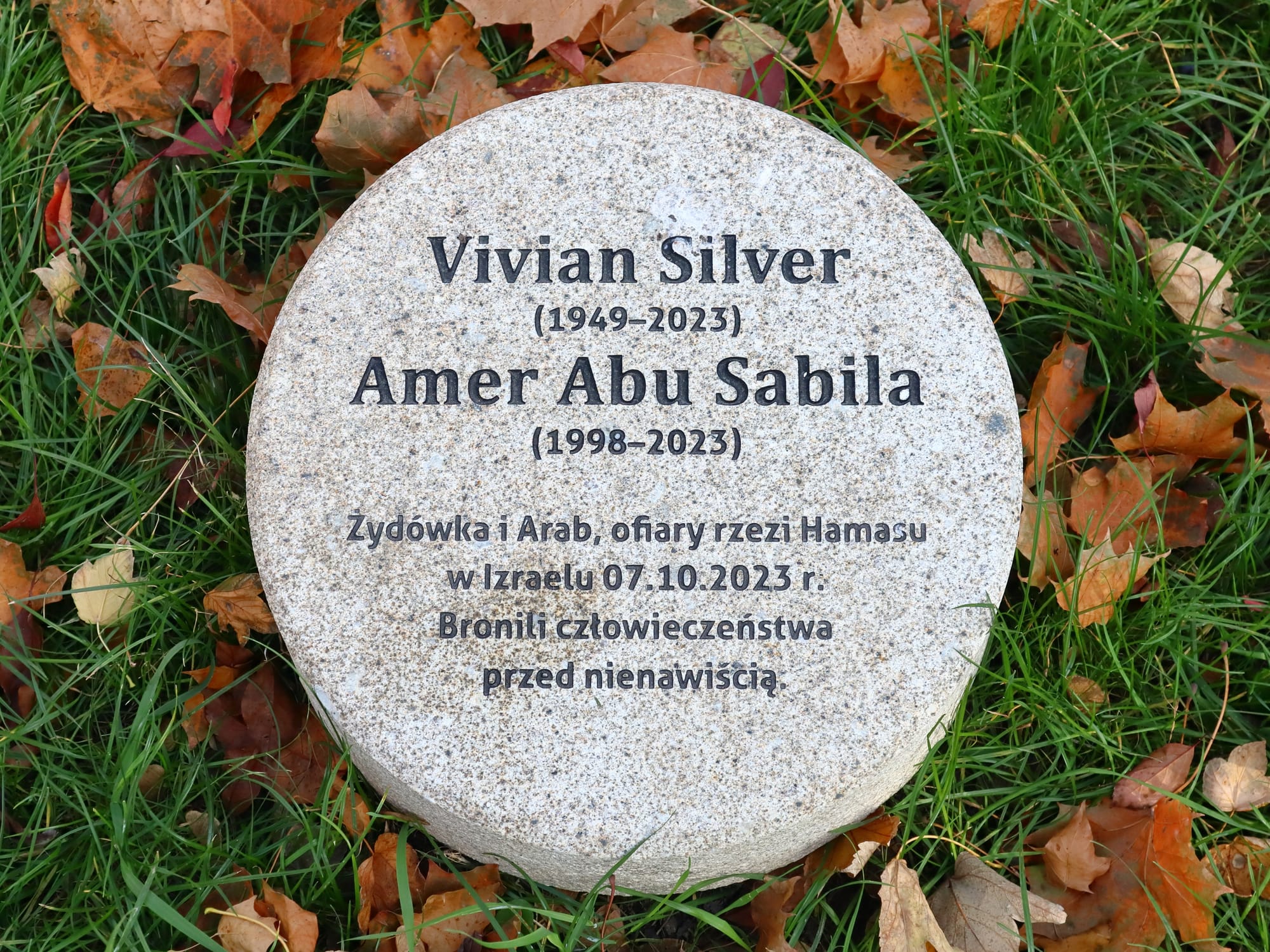
Vivian Silver was 74 years old when she was killed in her home in Kibbutz Be'eri on October 7.
A longtime peace activist, she had spent decades working to strengthen relationships between Jewish and Arab communities.
She was one of the founders of Women Wage Peace, an organization advocating a negotiated resolution to the Israeli-Palestinian conflict.
Silver also volunteered to transport Palestinian patients from Gaza to hospitals in Israel, helping people who needed medical treatment.
When the attack began, she was inside her home.
For several weeks, her family believed she might have been abducted to Gaza.
In November 2023, authorities confirmed that she had been killed on October 7.
Her death became particularly poignant because she had devoted so much of her life to dialogue and coexistence.
Silver's story is a reminder that the people killed that day represented many different political beliefs and visions for the future.
Among them were people who had actively worked for peace.
Amit Mann — The Paramedic Who Stayed With Her Patients
Amit Mann was 22 years old and worked as a paramedic with Magen David Adom, Israel's emergency medical service.
She lived in Kibbutz Be'eri.
When the attack began, Mann went to the community's medical clinic to help the wounded.
As gunfire and violence spread through the kibbutz, injured residents arrived in need of urgent treatment.
Mann continued providing medical assistance despite the danger.
Accounts published by Magen David Adom and Israeli organizations describe her treating patients for hours as the situation deteriorated.
She was killed when armed attackers reached the clinic.
Her story illustrates the dangers faced by medical personnel during attacks on civilian communities.
For Mann, the decision to help was connected to the profession she had chosen.
Even as the community around her came under attack, she continued doing the work for which she had trained: caring for people whose lives were in danger.
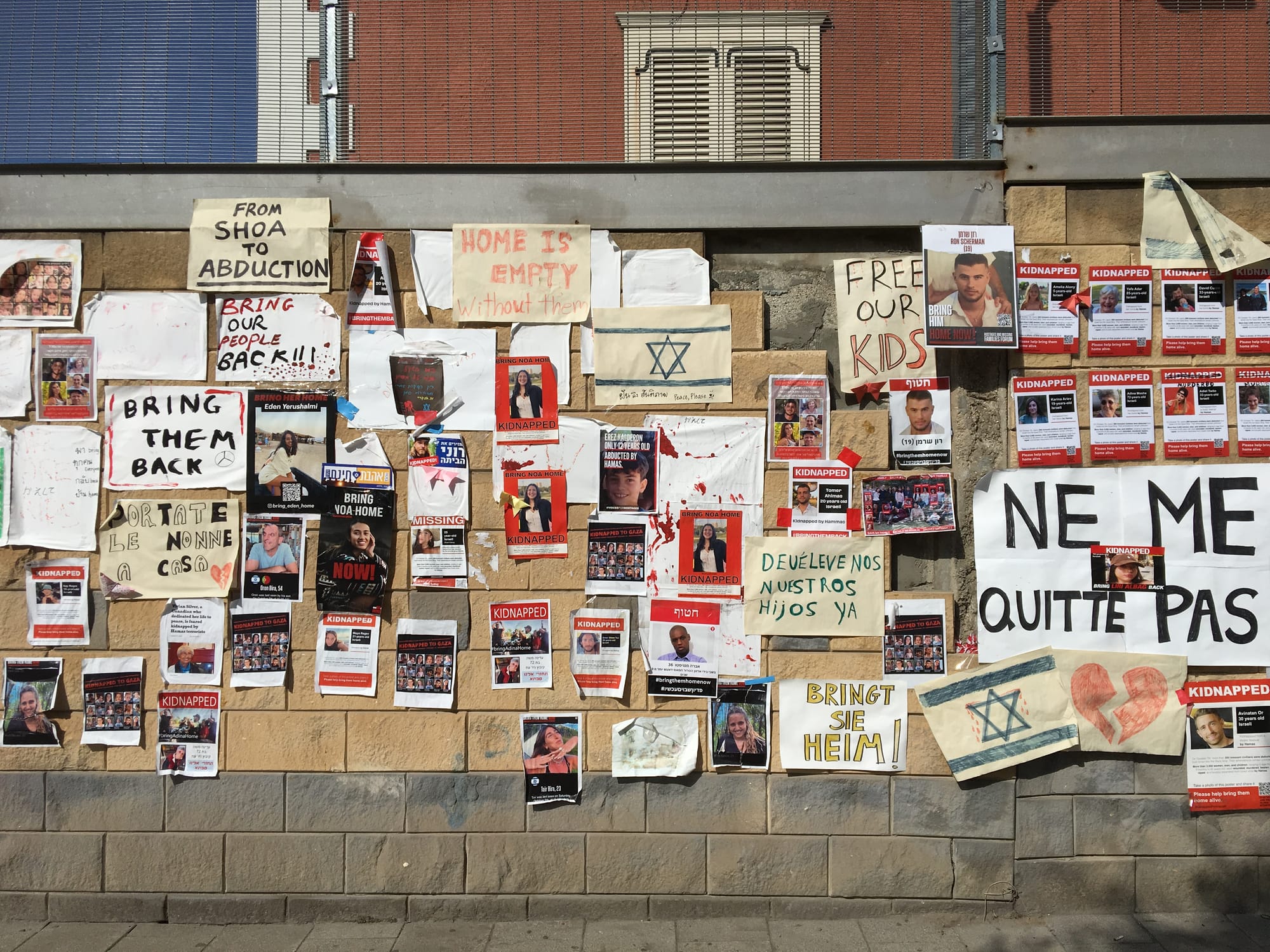
Nili Margalit — A Nurse Who Continued Caring in Captivity
Nili Margalit was a nurse at Soroka Medical Center and a resident of Kibbutz Nir Oz.
On October 7, she was abducted from her community and taken to Gaza.
During her captivity, she found herself surrounded by other hostages who needed medical assistance.
According to testimony published by Israel's Ministry of Health, Margalit used her professional knowledge to care for fellow captives while being held underground.
She helped people who had been her neighbors and members of her community.
Her ability to provide treatment was severely restricted by the conditions of captivity and limited access to medical supplies.
Nevertheless, she continued to assist those around her.
Margalit was released on November 30, 2023, after approximately 50 days in captivity.
Her experience demonstrates how professional identity can persist under extreme circumstances.
Even while deprived of her own freedom, she continued to see herself as a nurse with a responsibility to care for others.
Michaela Koretsky — A Home Becomes a Field Hospital
Michaela Koretsky was a midwife at Soroka Medical Center and a nurse in Kibbutz Alumim.
On October 7, as violence reached the area, she began treating wounded people in her community.
According to an account published by Soroka, her home effectively became an improvised field hospital.
With limited equipment available, Koretsky used whatever materials she could find.
She improvised ways to administer intravenous fluids and risked her safety to obtain medical supplies from the community clinic.
While she treated the wounded, her own children were being cared for at the hospital.
Her experience reveals another aspect of the attack: the responsibility carried by medical workers who were also parents and residents of the communities under threat.
Koretsky was not working in a fully equipped emergency department.
She was providing urgent care in the middle of an unfolding attack.
Her actions helped bridge the gap between the moment people were injured and the possibility of receiving hospital treatment.
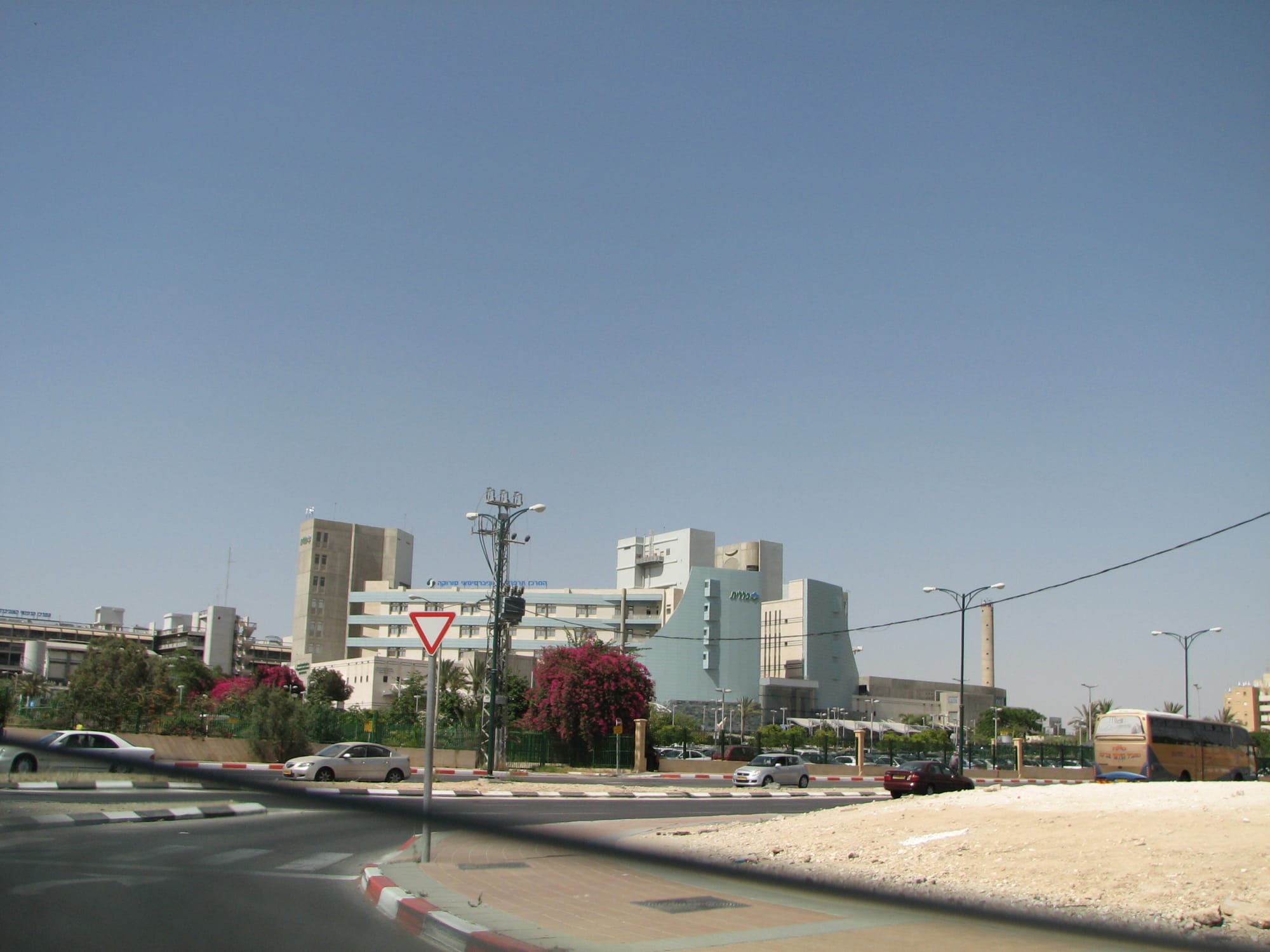
The Women of Soroka Medical Center
Soroka Medical Center in Beersheba became one of the principal hospitals treating casualties from the October 7 attacks.
Doctors, nurses and emergency personnel faced an extraordinary influx of patients.
Among those involved was Hagit Hadad, a senior nursing leader at Soroka.
The hospital reported treating approximately 700 casualties during the first day, while staff worked under the threat of rocket fire.
Medical teams had to prioritize patients, prepare operating rooms, manage shortages and communicate with families searching for loved ones.
Female nurses and physicians worked alongside their colleagues through an emergency that tested the hospital's resources.
Many healthcare workers were also worried about relatives and friends living in the affected communities.
Their experiences demonstrate that the consequences of October 7 extended beyond the locations where people were attacked.
Hospitals became places of urgent treatment, uncertainty and grief.
For medical staff, the work continued long after the first patients arrived.
Survivors needed surgery, rehabilitation and psychological support.
Released hostages later required specialized medical and emotional care.
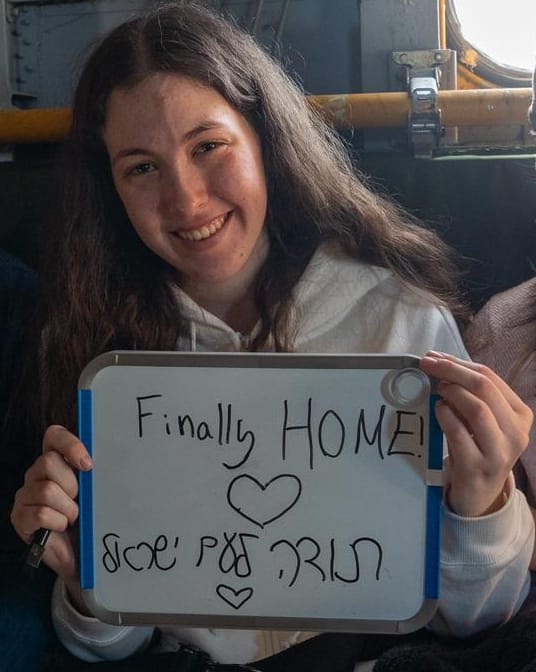
The Young Women Taken From Nahal Oz
Among those abducted on October 7 were young female Israeli soldiers serving as surveillance observers at the Nahal Oz military base near Gaza.
Their duties involved monitoring activity near the border and identifying possible security threats.
During the attack, several female soldiers were killed and others were taken hostage.
The abductions became internationally known through images and videos showing the young women in captivity.
Four of the soldiers — Naama Levy, Daniella Gilboa, Liri Albag and Karina Ariev — were released on January 25, 2025, as part of a negotiated exchange.
Another soldier, Agam Berger, was released several days later.
Their return brought relief to their families, but it also raised questions about the warnings reported by border observers before October 7 and the protection provided to personnel stationed near Gaza.
The women were young soldiers carrying out assigned duties.
Their experiences became part of a much larger national debate about security failures, military responsibility and the treatment of hostages.
Emily Damari — Life After Captivity
Emily Damari was abducted from Kibbutz Kfar Aza during the October 7 attacks.
She was injured during the assault and spent more than 15 months in captivity before being released in January 2025.
Her return was widely covered internationally.
But release did not mean that the effects of captivity had disappeared.
Like other survivors, Damari faced the challenge of rebuilding a life after prolonged confinement, uncertainty and separation from loved ones.
In an October 2026 Reuters feature, she was among former hostages describing how captivity had changed their understanding of ordinary freedoms and everyday experiences.
Her story represents a part of October 7 that continues long after the original events.
Survival is not the end of the story.
It is the beginning of another process involving recovery, personal choices and the attempt to regain control over one's future.
Women, Sexual Violence and the Importance of Evidence
The October 7 attacks also generated serious allegations and documented findings concerning sexual violence.
A United Nations mission led by the Special Representative of the Secretary-General on Sexual Violence in Conflict visited Israel in early 2024.
Its report found reasonable grounds to believe that conflict-related sexual violence, including rape and gang rape, occurred at multiple locations during the attacks.
The mission also identified clear and convincing information that some hostages had experienced sexual violence in captivity.
These findings are serious and require careful reporting.
Investigators also acknowledged challenges, including limited forensic evidence, the destruction of crime scenes and difficulties obtaining testimony.
Not every publicly circulated allegation has been independently verified.
Responsible journalism must distinguish between documented findings, credible allegations and claims for which sufficient evidence has not been established.
Survivors deserve dignity, privacy and protection from sensationalism.
The purpose of reporting on sexual violence should be to establish facts, support accountability and recognize the experiences of victims — not to turn their suffering into political spectacle.
The Women Who Never Returned
The stories included here represent only a small number of the women affected by October 7.
Many others were killed in their homes, at the Nova music festival, on roads and at military installations.
Some died while trying to protect family members.
Others were abducted and did not survive captivity.
Their lives were different.
They came from different communities, held different beliefs and had different plans for their futures.
Some were mothers raising children.
Others were students, professionals or young women beginning their careers.
Some were peace activists.
Others worked in emergency services or served in the military.
Remembering them requires more than repeating the circumstances of their deaths.
It means recognizing that each had a life before October 7 — relationships, interests, ambitions and a place within a family or community.
Beyond the Headlines: Remembering Their Lives
Three years after October 7, the experiences of these women remain part of Israel's collective memory.
For the families of those killed, remembrance continues alongside grief.
For former hostages, freedom has brought opportunities for recovery but cannot erase the experience of captivity.
For nurses, doctors and paramedics, the day remains connected to patients they treated and colleagues they lost.
The women of October 7 were not defined only by the violence they experienced.
Vivian Silver had spent decades advocating peace.
Amit Mann chose to care for wounded people despite extraordinary danger.
Nili Margalit continued nursing fellow captives while she herself was a hostage.
Michaela Koretsky turned her home into a place of emergency treatment.
Young women abducted from Nahal Oz returned to families who had spent months campaigning for their freedom.
Their experiences do not all tell the same story.
Together, however, they reveal something that is easily lost when reporting focuses only on military operations and political decisions.
Behind historical events are individual lives.
And behind every name is a story that deserves to be told.
Beyond the Lines — Independent Journalism. Reporting reviewed through October 10, 2026.
Sources & References
1. Women Wage Peace — Vivian Silver
Background on peace activist Vivian Silver, her work promoting Israeli-Palestinian dialogue and her death during the October 7 attacks.
https://www.womenwagepeace.org.il/en/
2. Magen David Adom — Emergency Medical Responders
Official information about Israeli emergency medical personnel, including paramedics who were killed while assisting victims of the October 7 attacks.
3. Israeli Ministry of Health — Hostages and Medical Care
Official information concerning healthcare professionals affected by the attacks, including nurse and former hostage Nili Margalit.
https://www.gov.il/en/departments/ministry_of_health/govil-landing-page
4. Soroka University Medical Center — Emergency Medical Response
Information about the medical teams and healthcare professionals who treated casualties from the October 7 attacks, including accounts of emergency nursing and hospital response.
https://hospitals.clalit.co.il/soroka/en/
5. International Committee of the Red Cross (ICRC) — Hostage Releases
Official humanitarian reporting on hostage and detainee transfer operations, including the release of women held in Gaza.
6. United Nations — Conflict-Related Sexual Violence
Findings from the United Nations mission investigating reports of sexual violence during the October 7 attacks and against hostages.
https://www.un.org/sexualviolenceinconflict/press-release/israel-west-bank-mission/
7. Human Rights Watch — October 7 Investigation (17 July 2024)
An investigation documenting attacks against civilians, hostage-taking and other crimes committed by Hamas-led armed groups.
https://www.hrw.org/news/2024/07/17/october-7-crimes-against-humanity-war-crimes-hamas-led-groups
8. United Nations Independent International Commission of Inquiry
Investigations into the October 7 attacks, the treatment of civilians and allegations of violations of international humanitarian law.
https://www.ohchr.org/en/hr-bodies/hrc/co-israel/index
9. Reuters — International News Reporting
Independent reporting on the women abducted from Nahal Oz, hostage releases, survivor testimonies and the consequences of captivity.
https://www.reuters.com/world/middle-east/
10. Associated Press — October 7 and Hostage Coverage
Reporting on victims, survivors, medical personnel and families affected by the October 7 attacks.
https://apnews.com/hub/israel-hamas-war
Editorial Note
This article is based on publicly available reporting, official statements, humanitarian documentation and independent investigations. Beyond the Lines seeks to distinguish verified facts, personal testimony and findings that remain subject to further investigation.
Sources reviewed through October 10, 2026.