Understanding Israel: A Country Beyond the Headlines
Beyond the headlines, Israel is a country shaped by history, diverse communities, democratic institutions, cultural traditions and complex regional relationships. This introductory guide explores the context needed to understand its society and the challenges it faces.
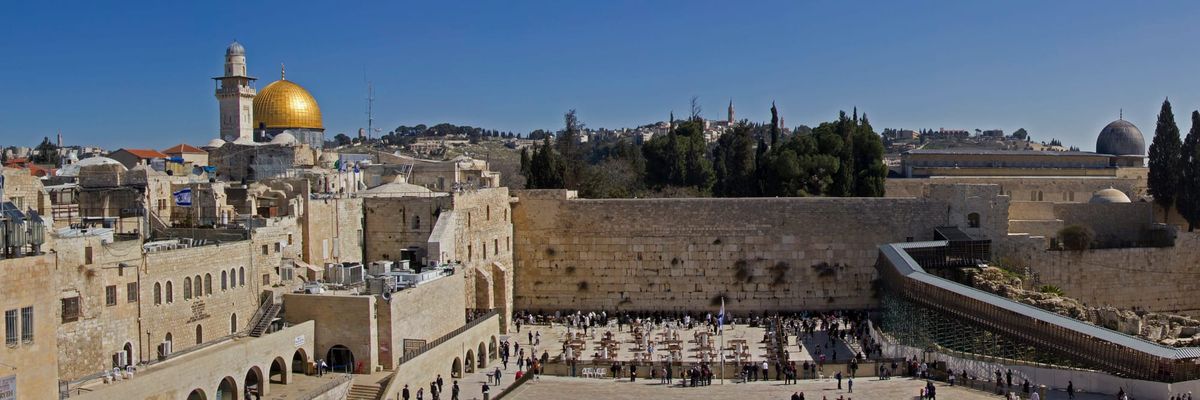
To understand Israel, we need to look beyond political debates and breaking news. We need to explore its history, people, institutions, cultures and the wider region in which it exists.
Israel frequently appears in international headlines. Reports about conflict, diplomacy, security and political disagreements often dominate public discussion. Yet these stories represent only part of a much broader and more complex society.
Understanding Israel requires more than following the latest developments. It means examining historical events, religious connections, national identities, democratic institutions and the everyday lives of the people who call the country home.
A Country Shaped by History
The modern State of Israel was established in May 1948, following decades of political developments under Ottoman and British rule, the growth of the Zionist movement and the aftermath of the Holocaust.
For Jewish communities, the establishment of Israel represented the realization of a longstanding movement for national self-determination in a land central to Jewish history and identity.
For Palestinians, the same period is remembered as the Nakba, or catastrophe, when hundreds of thousands of Palestinians fled or were expelled from their homes during the 1947–1949 war.
These different historical experiences remain fundamental to understanding the Israeli–Palestinian conflict today.
A Diverse Society
Israel is home to people from many cultural, religious and ethnic backgrounds.
Jewish Israelis have family histories connected to Europe, North Africa, the Middle East, Ethiopia and other regions. Arab citizens of Israel, including Muslims, Christians and Druze, are also an important part of the country's population.
Different languages, traditions, religious practices and political opinions contribute to a society that cannot be described through a single identity or perspective.
Understanding this diversity is essential when reporting on Israel.
Politics and Democratic Institutions
Israel operates as a parliamentary democracy.
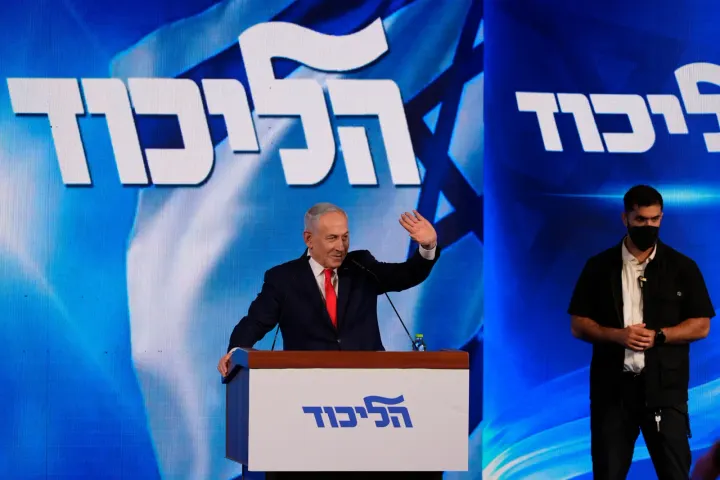
Its parliament, the Knesset, has 120 members elected through a system of proportional representation. Governments are generally formed through coalitions between political parties.
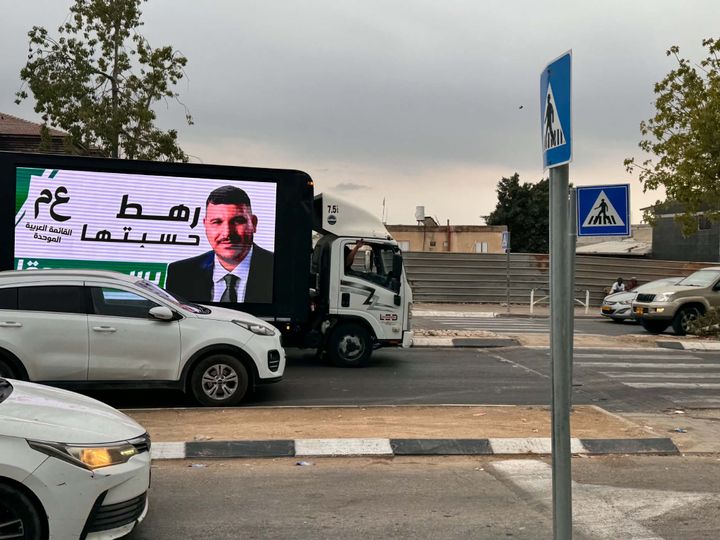
Political debate in Israel includes questions about security, religion and state, judicial authority, economic inequality, civil rights and relations with Palestinians and neighboring countries.
Israel's democratic institutions also face scrutiny and criticism, including debates about minority rights and the rights of Palestinians living under Israeli occupation.
Jerusalem: A City of Multiple Meanings
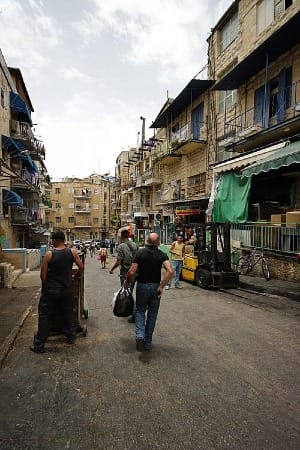
Jerusalem holds deep historical and religious significance for Jews, Muslims and Christians.
For Jews, the city is central to religious tradition and national history. For Muslims, it is home to the Al-Aqsa Mosque compound, one of Islam's holiest sites. For Christians, Jerusalem is closely connected to the life, crucifixion and resurrection of Jesus.
Jerusalem is also at the center of a longstanding political dispute. Israel considers the city its capital, while Palestinians seek East Jerusalem as the capital of a future Palestinian state. The city's final status remains contested internationally.
Understanding Jerusalem requires recognizing these overlapping histories, beliefs and political claims.
Life Beyond the News
Political developments are important, but they do not tell the entire story.
Across Israel, people work, study, raise families, build businesses, create art and participate in community life. Their experiences vary considerably depending on their backgrounds, locations and circumstances.
Journalism that focuses exclusively on conflict risks overlooking these everyday realities.
At the same time, meaningful reporting must not separate ordinary life from the political and security conditions that shape it.
Why Context Matters
Headlines are designed to communicate developments quickly. They cannot always explain decades of history, competing national narratives or the consequences of political decisions.
Responsible journalism therefore asks additional questions:
- What happened, and what evidence supports the reporting?
- What historical developments help explain the situation?
- Whose perspectives are represented, and whose are missing?
- How are ordinary people affected?
- What remains uncertain or disputed?
These questions are especially important when covering Israel, Palestinians and the wider Middle East.
Beyond the Headlines
Understanding Israel does not require agreeing with every decision made by its government, nor does it mean ignoring Palestinian experiences or perspectives.
It requires curiosity, careful research, verified information and a willingness to examine complexity.
At Beyond the Lines, our aim is to explore the stories behind international headlines through historical context, interviews, explanatory reporting and human experiences.
Because understanding begins where the headline ends.
Sources & Further Reading
Historical Background and the Establishment of Israel
Encyclopaedia Britannica — Israel
https://www.britannica.com/place/Israel
Palestinian History and the Nakba
United Nations — Question of Palestine
https://www.un.org/unispal/
Israel's Parliamentary System
The Knesset — Official Website
https://main.knesset.gov.il/en
Jerusalem's Religious and Historical Significance
UNESCO — Old City of Jerusalem
https://whc.unesco.org/en/list/148/