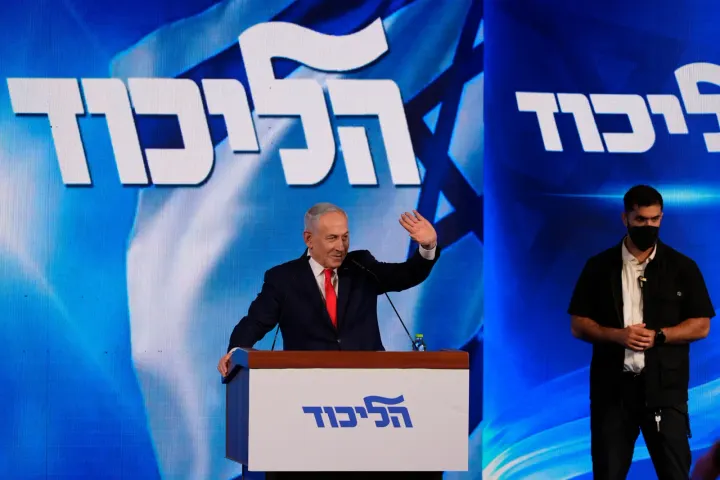
Silenced Voices? A Former UN Expert Challenges the United Nations Over October 7 Sexual Violence
A former UN expert questions how sexual violence against Israeli victims of October 7 was addressed within the United Nations.

A former United Nations expert has accused prominent colleagues of failing to adequately acknowledge sexual violence committed during the Hamas-led attacks of October 7, 2023. Her allegations raise difficult questions about institutional accountability, political impartiality and whether the United Nations has consistently applied its principles to Israeli and Palestinian victims.
By Beyond the Lines | October 2026
Introduction — When the Accusations Come From Within
The United Nations was established to defend international peace, protect human dignity and uphold fundamental human rights.
Its legitimacy depends on a principle that should transcend national borders, political alliances and ideological differences: victims of serious human rights violations deserve recognition, protection and justice, regardless of their nationality.
Yet the United Nations has repeatedly faced accusations of political selectivity, particularly concerning the Israeli-Palestinian conflict.
In October 2026, those concerns received renewed attention when Alice Jill Edwards, a former UN Special Rapporteur on Torture, publicly criticized the handling of sexual violence committed during the Hamas-led attacks against Israel on October 7, 2023.
Her criticism was directed at two prominent UN human rights experts: Francesca Albanese, the Special Rapporteur on the situation of human rights in the Palestinian territories occupied since 1967, and Reem Alsalem, the Special Rapporteur on violence against women and girls.
Edwards accused her former colleagues of failing to adequately document and acknowledge the sexual violence suffered by Israeli victims.
She also questioned the leadership of UN Secretary-General António Guterres and the institution's broader response to international conflicts.
These accusations are significant because they come from someone who spent years working within international human rights institutions, including on matters involving Palestinian refugees.
However, Edwards's allegations must be distinguished from independently established findings. Her criticism does not, by itself, prove that colleagues deliberately suppressed evidence or acted from political motives.
What is independently documented is that sexual violence occurred during the October 7 attacks and against hostages subsequently held in Gaza.
The United Nations itself reached important conclusions on these crimes in March 2024.
This creates a troubling question.
If UN investigators documented credible evidence of sexual violence against Israeli victims, why has the organization's wider response continued to generate accusations of denial, selective attention and institutional failure?
The answer requires examining the evidence, the individuals involved and the responsibilities of an institution that claims to defend universal human rights.
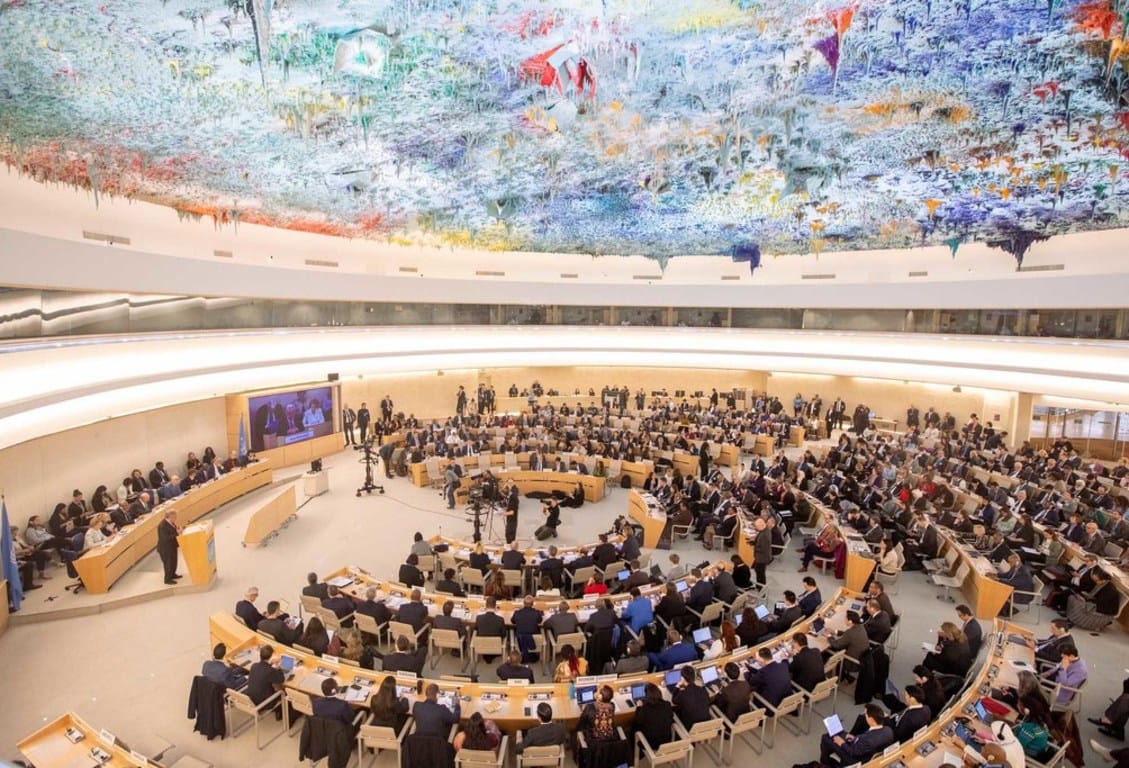
Chapter 1 — Alice Jill Edwards: A Human Rights Expert Challenges Her Former Colleagues
Alice Jill Edwards served as the United Nations Special Rapporteur on Torture and Other Cruel, Inhuman or Degrading Treatment or Punishment from 2022 until 2026.
Her professional background includes extensive work in international refugee law, human rights and the protection of vulnerable populations.
Before becoming a special rapporteur, she worked on legal questions concerning refugees and international protection, including matters involving Palestinians.
This background is relevant to understanding the controversy.
Edwards does not approach the Israeli-Palestinian conflict solely through the perspective of Israeli security concerns. Her professional career has also involved defending the rights of displaced and vulnerable Palestinian communities.
Her criticism therefore challenges a simplified political narrative in which concerns about the treatment of Israeli victims are automatically dismissed as expressions of support for Israeli government policy.
In October 2026, Edwards published an opinion article in Britain's The Telegraph, criticizing what she regarded as an excessive institutional focus on certain abuses while insufficient attention was given to others.
Her central argument concerned the principle of impartiality.
Human rights organizations cannot credibly condemn sexual violence in one conflict while minimizing comparable violations elsewhere.
For Edwards, the treatment of Israeli victims of October 7 raised questions about whether this principle had been consistently respected.
Her accusations focused particularly on the response to sexual violence committed during the attacks and against hostages.
She argued that evidence concerning Israeli victims had not received the attention it deserved from certain fellow UN experts.
Edwards also described disagreements surrounding a formal UN communication about the attacks.
According to her account, some colleagues objected to material included in the communication, and only one other special rapporteur ultimately joined her in signing it.
These claims deserve investigation because disagreements among independent experts can reveal important institutional tensions.
However, disagreement over the wording of a communication does not automatically establish deliberate concealment.
To determine whether evidence was improperly excluded, journalists would need to examine the original drafts, correspondence, proposed revisions and explanations provided by the participants.
The distinction is essential.
A disagreement over evidentiary standards may be legitimate. An attempt to remove credible evidence for political reasons would raise a fundamentally different concern.
Edwards's allegations bring precisely that distinction into focus.
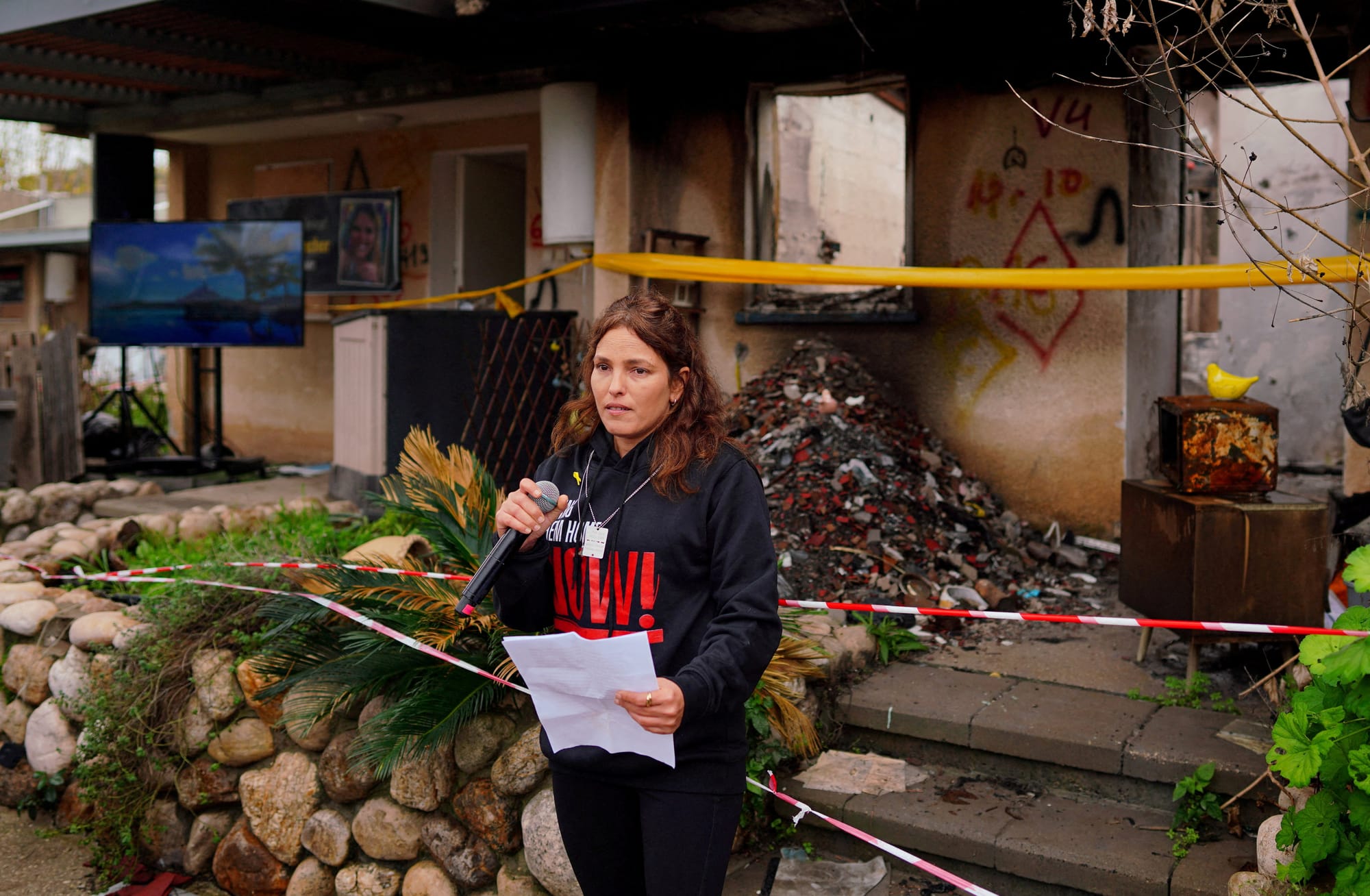
Chapter 2 — October 7: The Attacks That Changed Israel
On October 7, 2023, Hamas and other Palestinian armed groups launched a coordinated assault against southern Israel.
Armed attackers crossed the border from Gaza and entered Israeli communities, military installations and the site of the Nova music festival.
Approximately 1,200 people were killed during the attacks, and around 250 people were taken hostage.
The victims included Israeli civilians, foreign nationals, children, elderly people and members of the Israeli security forces.
The attacks involved killings, hostage-taking, destruction of civilian property and other serious violations of international humanitarian law.
For Israel, October 7 became one of the most traumatic days in the country's history.
Entire communities were devastated.
Families were murdered in their homes.
Young people attending a music festival were killed while attempting to escape.
Others were abducted and taken into Gaza.
The attacks also initiated a devastating war in Gaza, where Israeli military operations subsequently caused enormous civilian suffering, widespread destruction and large numbers of Palestinian deaths.
Both realities must be acknowledged.
The crimes committed against Israeli civilians on October 7 cannot be justified by the Israeli-Palestinian conflict.
Likewise, the atrocities of October 7 cannot justify unlawful attacks against Palestinian civilians.
International humanitarian law does not permit the deliberate targeting of civilians, hostage-taking, torture or sexual violence by any party.
Yet the debate surrounding October 7 quickly became deeply polarized.
Some discussions focused almost exclusively on the Hamas-led attacks.
Others concentrated on Israel's military response and the humanitarian catastrophe in Gaza.
Within this environment, allegations of sexual violence became the subject of intense public disagreement.
For survivors and families, that debate created an additional burden.
Beyond the original violence, they faced the possibility that their experiences would be questioned, politicized or denied.
This is where the response of international institutions became particularly important.
Chapter 3 — What the United Nations Actually Established About Sexual Violence
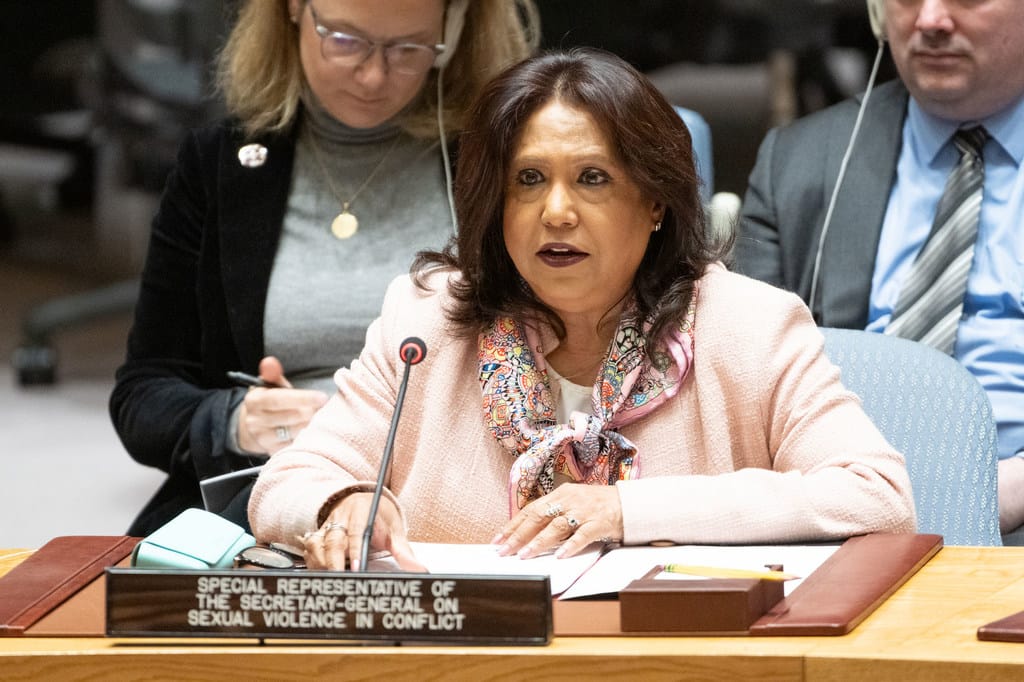
One of the most important documents concerning October 7 was published by the United Nations on March 4, 2024.
The report followed a visit to Israel and the occupied West Bank by Pramila Patten, the UN Special Representative of the Secretary-General on Sexual Violence in Conflict.
Patten led a team of experts that visited Israel between January 29 and February 14, 2024.
The mission examined allegations of conflict-related sexual violence committed during the October 7 attacks and against hostages.
The team reviewed more than 5,000 photographic images and approximately 50 hours of video footage.
It also conducted confidential interviews with 34 individuals, including witnesses, survivors of the attacks, released hostages, first responders and medical professionals.
Investigators visited locations affected by the attacks and examined available forensic information.
Their findings were significant.
The mission concluded that there were reasonable grounds to believe that conflict-related sexual violence, including rape and gang rape, occurred in multiple locations during the October 7 attacks.
These included the Nova music festival area, Road 232 and Kibbutz Re'im.
The investigators also identified patterns involving victims found partially or fully undressed, restrained and shot.
Such circumstances were considered potentially indicative of sexual violence, although the investigators emphasized that individual incidents required careful assessment.
Regarding hostages taken into Gaza, the mission found clear and convincing information that some had been subjected to sexual violence, including rape and sexualized torture.
These conclusions were not based solely on statements from the Israeli government.
They resulted from a UN verification process that evaluated multiple sources of information.
Nevertheless, the report also acknowledged important limitations.
Investigators could not determine the full scale of sexual violence.
They did not establish that every reported incident had occurred.
Some widely circulated allegations were found to be unfounded, while others could not be verified.
The mission also did not determine whether sexual violence had been used systematically as a tactic of war.
Its mandate was not equivalent to a comprehensive criminal investigation, and it did not establish individual criminal responsibility.
These distinctions matter.
Responsible journalism must not exaggerate the evidence.
But neither should the limitations of an investigation be used to dismiss its documented findings.
The UN report established a credible evidentiary basis for serious concern about sexual violence committed during the October 7 attacks and against hostages.
The central question is therefore no longer whether credible evidence exists.
It is whether international institutions responded to that evidence consistently, promptly and adequately.

Chapter 4 — The Dispute Over Recognition and Documentation
The controversy surrounding Edwards's statements involves more than disagreement about the existence of sexual violence.
It concerns how different UN experts addressed the evidence within their respective mandates.
The United Nations is not a single investigative body.
It consists of numerous institutions, agencies, committees and independent experts.
Special rapporteurs are appointed through the UN Human Rights Council's special procedures system.
They operate independently and are responsible for specific thematic or geographical mandates.
This structure allows experts to investigate different human rights concerns without requiring them to adopt identical conclusions or jointly endorse every statement.
However, independence also creates questions about consistency.
If one UN mechanism documents credible evidence of sexual violence, what responsibilities do other relevant experts have to acknowledge those findings?
Should a rapporteur whose mandate concerns violence against women publicly address credible evidence involving Israeli women?
Should a rapporteur examining the Palestinian territories explicitly acknowledge crimes committed against Israeli civilians when those crimes form part of the broader conflict?
There may be legitimate differences concerning jurisdiction, methodology and the scope of individual mandates.
But those differences should be clearly explained.
Otherwise, silence or limited engagement may be interpreted as indifference.
Edwards's allegations suggest that she believed the response of certain colleagues fell below the standards expected of independent human rights experts.
Her criticism raises the possibility that institutional disagreements may have influenced how evidence was presented.
Yet proving deliberate suppression requires more than identifying differences in emphasis.
It requires documentation showing that credible information was knowingly excluded for improper reasons.
Without such evidence, the allegation remains contested.
The controversy nevertheless highlights a genuine institutional challenge.
An organization that demands transparency from governments must also be willing to explain disagreements within its own human rights mechanisms.
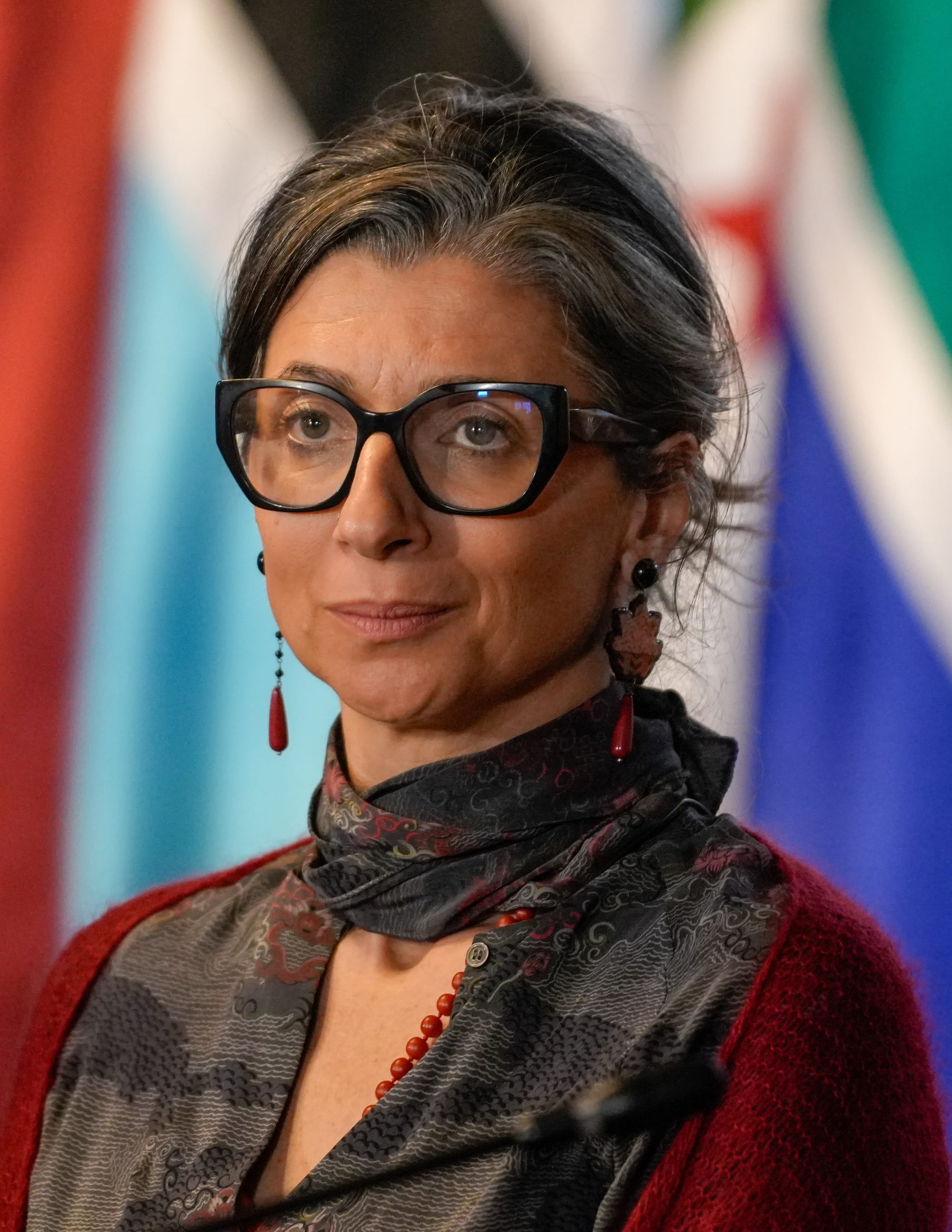
Chapter 5 — Francesca Albanese and Reem Alsalem: The Experts at the Centre of the Controversy
Two names feature prominently in Edwards's criticism.
Francesca Albanese has served as the UN Special Rapporteur on the situation of human rights in the Palestinian territories occupied since 1967.
Her work focuses primarily on the human rights consequences of Israeli policies and practices in those territories.
She has been a prominent critic of Israeli military operations and government policy.
Her statements and reports have attracted both international support and substantial controversy.
Reem Alsalem serves as the UN Special Rapporteur on violence against women and girls.
Her mandate addresses gender-based violence, discrimination and the protection of women and girls across different contexts.
Edwards's criticism raises different questions about each expert's responsibilities.
In Albanese's case, the central issue concerns the extent to which crimes committed against Israeli civilians should be addressed within a mandate focused on the occupied Palestinian territories.
In Alsalem's case, the question is more directly connected to the universal protection of women from violence.
Sexual violence committed against women does not become less serious because of their nationality.
Nor should the political identity of the alleged perpetrators determine whether victims deserve recognition.
However, the two rapporteurs have disputed the characterization of their conduct.
Alsalem has maintained that she condemned sexual violence against Israeli women and hostages.
She has also challenged aspects of Edwards's account concerning access to evidence.
These responses must be considered alongside Edwards's allegations.
It would be inaccurate to conclude, without further examination, that either rapporteur denied all sexual violence committed on October 7.
The more precise investigative question is whether their public statements, reports and actions adequately reflected the evidence available to them at the relevant times.
That question can be tested.
Their statements before and after the March 2024 UN report can be compared.
Their formal communications can be examined.
Their responses to requests for clarification can be documented.
Such an approach is more rigorous than assigning motives based on political disagreement.
It also creates a clearer standard of accountability.
The issue is not whether an expert supports Israel or Palestine.
It is whether the expert applies human rights principles consistently.
Chapter 6 — The Allegation of Internal Resistance
Among Edwards's most serious allegations is her account of resistance to a formal communication concerning the October 7 attacks.
According to Edwards, the communication addressed grave violations, including acts potentially constituting torture and other prohibited treatment.
She has stated that some fellow experts objected to parts of the document and sought changes.
Only one other special rapporteur, Morris Tidball-Binz, ultimately joined her in signing it.
The limited number of signatures is noteworthy.
However, it does not establish why other experts declined to participate.
Special rapporteurs may refuse to sign joint communications for several reasons.
They may disagree with the legal characterization of events.
They may believe the available evidence is insufficient for a particular allegation.
They may consider the communication outside their mandate.
They may also disagree with its wording or timing.
Those explanations are not necessarily improper.
Nevertheless, if credible information about serious crimes was excluded because it concerned Israeli victims, the implications would be profound.
Such conduct would undermine the principle that human rights protections apply universally.
The most important unanswered questions concern the documentary record.
What information was included in the original draft?
Which passages were challenged?
Who requested their removal?
What reasons were provided?
Were objections based on evidence, legal interpretation or political considerations?
Were the disputed materials later independently verified?
Without answers, it is impossible to determine whether the disagreement reflected legitimate professional scrutiny or institutional bias.
Edwards's account warrants serious examination.
But an investigation must avoid presenting her interpretation as an established finding.

Chapter 7 — António Guterres and the Question of UN Leadership
Edwards's criticism also extends to UN Secretary-General António Guterres.
The secretary-general occupies a central position in the United Nations.
He represents the organization internationally and is expected to uphold the principles of the UN Charter.
His statements during major conflicts can influence international debate.
Following October 7, Guterres condemned the attacks and called for the release of hostages.
He also repeatedly raised concerns about the humanitarian consequences of Israeli military operations in Gaza.
His approach has attracted criticism from different directions.
Israeli officials and supporters have accused him of insufficiently recognizing Israel's security concerns and the severity of Hamas's crimes.
Others have argued that the United Nations should have taken stronger action to protect Palestinian civilians.
Edwards's criticism belongs within this wider debate about leadership, impartiality and accountability.
However, an important institutional distinction must be maintained.
Special rapporteurs are independent experts.
They are not ordinary employees acting under the direct authority of the secretary-general.
Consequently, Guterres cannot automatically be held personally responsible for every statement or decision made by an independent rapporteur.
There is also evidence that the UN leadership supported investigations into sexual violence against Israeli victims.
In March 2024, Pramila Patten explicitly stated that the secretary-general had supported her mission and the publication of its findings.
This complicates any claim that UN leadership universally attempted to suppress evidence concerning October 7.
A more credible assessment must distinguish between the actions of individual experts, the decisions of UN institutions and the responsibilities of senior leadership.
The broader question remains legitimate.
Has the United Nations communicated its commitment to Israeli and Palestinian victims with equal clarity?
And when disagreements arise within its own human rights mechanisms, does the institution provide sufficient transparency to maintain public trust?
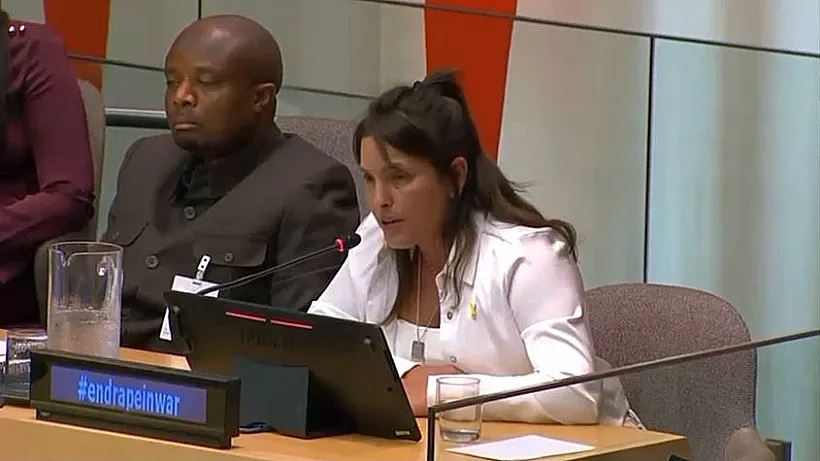
Chapter 8 — When Victims Become Part of a Political Argument
One of the most troubling consequences of political polarization is the treatment of victims as symbols rather than individuals.
For survivors of sexual violence, public recognition can be an important part of the pursuit of justice.
Recognition does not require abandoning investigative standards.
It requires taking allegations seriously, protecting survivors and examining evidence without prejudice.
The March 2024 UN mission identified a lack of trust in international institutions among some survivors and families of hostages.
That distrust affected the ability of investigators to obtain testimony.
This finding deserves particular attention.
When survivors believe that institutions may dismiss or politicize their experiences, they may become less willing to participate in investigations.
Sexual violence is already difficult to document.
Victims may experience severe trauma.
Some may be unable or unwilling to speak publicly.
Others may fear social stigma, retaliation or renewed psychological harm.
During the October 7 attacks, many potential witnesses and victims were killed.
This further complicated efforts to reconstruct events.
Investigators must therefore work carefully with forensic evidence, witness accounts, medical information and other available material.
But the absence of testimony from every victim does not mean that sexual violence did not occur.
Equally, allegations should not be accepted without scrutiny simply because they support a particular political narrative.
Both denial and exaggeration can harm survivors.
For Israeli victims, the international debate surrounding October 7 has often extended far beyond the original crimes.
Their experiences have become part of arguments about the legitimacy of Israel's military response, the conduct of Hamas and the wider Israeli-Palestinian conflict.
Yet the rights of victims should not depend on the outcome of those arguments.
A woman subjected to sexual violence is entitled to recognition and justice regardless of her nationality.
That principle applies equally to Israeli and Palestinian women.
It is precisely this universal standard that international human rights institutions are expected to defend.
Chapter 9 — The Credibility of the United Nations
The United Nations has an important role in documenting atrocities, promoting international law and providing humanitarian assistance.
Its agencies and independent mechanisms have investigated violations committed by numerous governments and armed groups.
That work remains essential.
But institutional credibility depends on consistency.
When the United Nations condemns sexual violence, its standards must apply to all perpetrators.
When it demands accountability, it must not allow political considerations to determine which victims receive attention.
And when its own experts disagree about serious allegations, those disagreements should be addressed transparently.
The controversy involving Edwards, Albanese and Alsalem illustrates the difficulty of maintaining confidence in an institution operating amid intense geopolitical divisions.
Different UN bodies may reach different conclusions because they have different mandates, evidence and methodologies.
Such differences do not necessarily demonstrate bias.
However, unexplained inconsistencies can damage public confidence.
The response should not be to abandon international institutions or dismiss their investigations.
It should be to demand stronger transparency, clearer communication and consistent evidentiary standards.
This is especially important when the subject concerns atrocities against civilians.
The United Nations cannot eliminate political disagreement.
But it can ensure that its human rights mechanisms remain accountable for how they assess and communicate evidence.
Chapter 10 — What Still Needs to Be Investigated?
The available information establishes several important facts.
Sexual violence occurred during the October 7 attacks and against hostages subsequently held in Gaza, according to the findings of the UN mission led by Pramila Patten.
Alice Jill Edwards has publicly criticized the response of certain UN colleagues.
She has also described disagreements surrounding a formal communication about the attacks.
The experts she criticized have disputed aspects of her account.
What remains unresolved is whether those disagreements involved improper suppression of credible evidence.
A comprehensive investigation would need to examine the complete communication process, including available drafts and correspondence.
It would also need to compare the public statements of the relevant experts with the evidence available at the time.
The timing matters.
A statement made before the March 2024 UN investigation cannot be evaluated in exactly the same way as a statement made after its findings became public.
Similarly, the decision not to sign a particular communication cannot automatically be interpreted as a denial of the crimes discussed in that document.
Another important question concerns the response to survivors and families.
Were their requests for recognition adequately addressed?
Were they offered appropriate opportunities to provide evidence?
Did UN mechanisms clearly explain their investigative limitations?
And were the findings of the March 2024 mission incorporated consistently into subsequent discussions about the conflict?
These questions are answerable through documents, interviews and public records.
They should form the next stage of the investigation.
Chapter 11 — A Broader Question: Can Human Rights Remain Universal?
The controversy extends beyond the personalities involved.
It raises a fundamental question about the international human rights system.
Can institutions remain impartial when they operate within conflicts that divide governments, political movements and public opinion?
The Israeli-Palestinian conflict is particularly challenging because it involves competing historical narratives, profound collective trauma and serious allegations of violations by multiple parties.
For many Israelis, October 7 reinforced fears about their physical security and the threat posed by armed groups committed to attacking Israel.
For many Palestinians, the subsequent war in Gaza brought catastrophic loss, displacement and destruction.
Both populations have experienced suffering that demands serious international attention.
But recognizing one population's suffering should never require denying the suffering of the other.
The credibility of human rights advocacy depends on resisting precisely that temptation.
An institution cannot claim universal moral authority while appearing to apply different standards according to the identity of the victims.
At the same time, accusations of institutional bias must themselves be supported by evidence.
Otherwise, legitimate criticism risks becoming another instrument of political polarization.
Edwards's allegations deserve scrutiny because they concern the conduct of individuals entrusted with defending human rights.
The responses of those individuals deserve scrutiny for the same reason.
Neither criticism nor institutional authority should be accepted without examination.
Chapter 12 — Conclusion: Justice Cannot Depend on Nationality
The allegations made by Alice Jill Edwards have reopened an uncomfortable debate about the United Nations and its handling of the October 7 attacks.
Her criticism is significant because it comes from a former independent UN expert with extensive experience in international human rights protection.
She has questioned whether fellow experts adequately acknowledged sexual violence against Israeli victims and whether institutional disagreements interfered with the recognition of serious crimes.
Those allegations have not all been independently established.
But the underlying crimes cannot simply be dismissed.
The United Nations' own March 2024 findings provide credible evidence of sexual violence during the October 7 attacks and against hostages held in Gaza.
The organization therefore faces a challenge that goes beyond any individual rapporteur.
It must demonstrate that its commitment to human rights does not depend on political identity.
It must also explain how independent experts can disagree over serious allegations without undermining public confidence in the institution's work.
For survivors, the issue is not an abstract argument about international politics.
It concerns recognition, dignity and justice.
For the families of those killed or abducted, it concerns whether the international community is willing to confront what happened without selective interpretation.
And for the United Nations, it concerns the principles on which its authority rests.
The protection of human rights cannot be conditional.
Sexual violence against Israeli civilians must be investigated and condemned.
Sexual violence against Palestinian civilians must be investigated and condemned.
No government, armed group or international institution should be exempt from scrutiny.
The challenge is not to decide which victims deserve compassion.
It is to ensure that all victims receive the protection, recognition and justice promised by international law.
Because when the credibility of human rights depends on whose rights have been violated, the principle of universal human rights begins to lose its meaning.
Sources and Further Reading
1. United Nations — Official Mission Report on Conflict-Related Sexual Violence
March 4, 2024.
Report of the visit by the Special Representative of the Secretary-General on Sexual Violence in Conflict to Israel and the occupied West Bank.
Primary source for the findings concerning sexual violence during the October 7 attacks and against hostages.
2. United Nations Security Council — Briefing by Pramila Patten
March 11, 2024.
Presentation of the mission's findings, methodology and recommendations to the Security Council.
3. United Nations — Security Council Meeting Coverage SC/15621
March 11, 2024.
Official record of the Security Council's discussion of conflict-related sexual violence during the October 7 attacks.
4. Alice Jill Edwards — The Telegraph
October 19, 2026.
As a UN Envoy, I Saw My Colleagues' Anti-Israel Obsession First-Hand.
Opinion article containing Edwards's criticism of fellow UN experts and the institution's response.
5. Ynetnews — Former UN Torture Expert Accuses Colleagues of Ignoring Hamas Sexual Violence
October 2026.
Reporting on Edwards's allegations and her criticism of the United Nations.
6. Associated Press — UN Findings on Sexual Violence During October 7
March 2024.
Independent reporting on the UN mission's findings, investigative limitations and calls for further investigation.
7. United Nations Human Rights Council — Special Procedures
Institutional information concerning the mandates, independence and responsibilities of UN special rapporteurs.
8. Alice Jill Edwards — Report on Torture and Hostage-Taking
UN Human Rights Council, 2025.
Research concerning hostage-taking, torture and the obligations of states under international human rights law.
Editorial note: This article distinguishes between independently documented findings and allegations made by individual UN experts. Edwards's accusations concerning the conduct and motives of her colleagues remain contested. The article does not establish that evidence was deliberately suppressed.
Beyond the Lines — Independent Journalism. Context Beyond the Headlines.