Beyond the Mountains: Life, Culture and Traditions in Northern Israel
Discover the people, traditions and everyday life of northern Israel, from Galilee's villages to Haifa, the Golan Heights and the Sea of Galilee.

From the Mediterranean streets of Haifa and Akko to the villages of Galilee, the Circassian communities, the orchards of the Golan Heights and the slopes of Mount Hermon, northern Israel is a region of remarkable cultural diversity. Its story is not only one of borders and conflict, but also of family, faith, language, food, work and belonging.
Beyond the Lines | The Many Faces of Israel — Article One
Introduction — The North Beyond the Headlines
Northern Israel frequently appears in international news because of its proximity to Lebanon and Syria. Border tensions, military operations and political disputes have shaped how the region is presented to audiences abroad.
But a map showing military positions and national boundaries cannot explain the lives of the people who inhabit this landscape.
Northern Israel is also a region of Mediterranean ports, ancient religious centres, olive groves, agricultural settlements, university campuses, mountain villages and communities whose histories reach far beyond the modern state.
In Haifa, Jewish and Arab residents participate in a modern urban economy. Universities, hospitals and businesses connect people from different backgrounds, even as social inequalities and political disagreements remain.
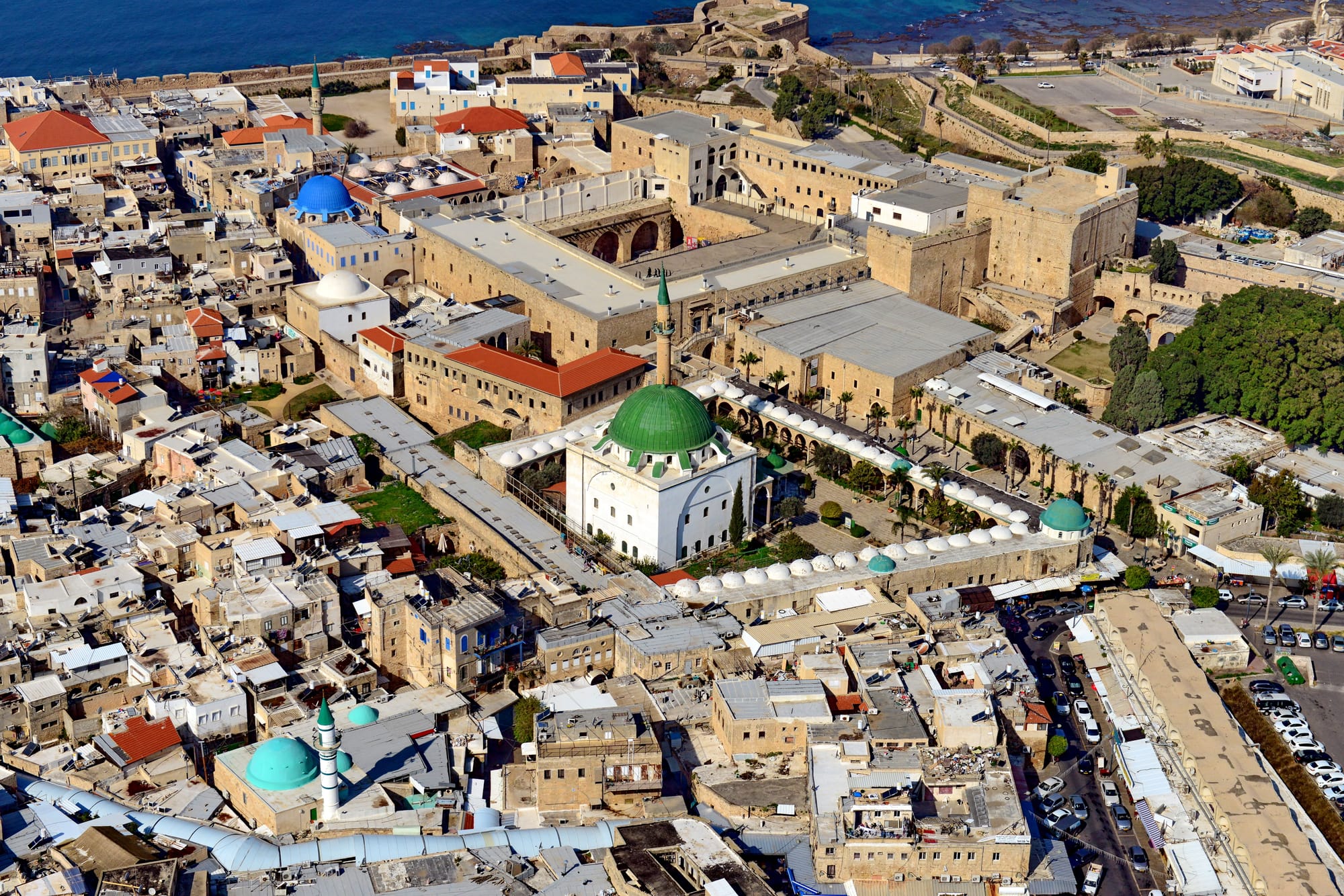
In Akko, families live among buildings that reflect centuries of Mediterranean trade, Crusader rule and Ottoman administration.
Across Galilee, Muslim, Christian, Jewish, Druze and Circassian communities maintain different religious calendars, languages and cultural traditions.
Nazareth combines its internationally recognised Christian heritage with contemporary Palestinian Arab cultural life.
Safed remains associated with Jewish mysticism and religious scholarship, while also functioning as a modern residential and commercial city.
On the Golan Heights, agricultural settlements and Druze towns exist within a territory whose sovereignty remains internationally disputed.
Near Mount Hermon, colder winters and mountain agriculture create another environment, while local communities maintain historical and cultural connections extending beyond present-day borders.
These places are geographically close, yet their residents may understand family, religion, identity and belonging in very different ways.
A religious Jewish family in Safed may organise its week around Shabbat. A Muslim family in Galilee may experience Ramadan through fasting, prayer and evening gatherings. A Christian family in Nazareth may celebrate Christmas and Easter according to its church traditions.
A Circassian family in Kfar Kama may work to preserve a language originating in the Caucasus. A Druze family in Majdal Shams may maintain a Syrian national identity while living under Israeli administration.
At the same time, members of these communities may study at the same university, work in the same hospital or share concerns about employment, housing and their children's future.
Northern Israel is therefore neither one unified culture nor a collection of completely separate societies.
It is a region where histories overlap, traditions endure and modern life continues to transform communities.
To understand it, we must examine not only the political events that attract international attention, but also the ordinary experiences that rarely become headlines.
Chapter 1 — Geography, History and the Making of Northern Israel
The cultural diversity of northern Israel begins with its geography.
The Mediterranean coast, the hills of Galilee, the Sea of Galilee, the Golan Heights and Mount Hermon form environments with different climates, agricultural possibilities and historical settlement patterns.
The Mediterranean coast
Haifa and Akko developed along a coastline connected for centuries to Mediterranean trade.
Ports brought merchants, travellers, goods and ideas from different regions.
The coastal cities experienced successive periods of political control, including Ottoman rule and the British Mandate.
Haifa developed into an important modern industrial and commercial centre, while Akko preserved much of its historic urban character.
Today, the coast combines residential neighbourhoods, industry, tourism and cultural institutions.
Galilee's hills and valleys
Galilee is commonly divided into Upper and Lower Galilee.
Its hills, forests and valleys have supported agriculture, villages and religious communities over long periods.
Olive cultivation is particularly associated with the region, alongside orchards, vineyards and other forms of farming.
The landscape also contains important Jewish and Christian historical sites.
The Sea of Galilee
The Sea of Galilee, also called Lake Kinneret, has religious, environmental and economic significance.
Its shores contain modern towns, agricultural communities, recreational areas and Christian pilgrimage destinations.
Historically important to Israel's water supply, the lake remains significant for environmental management even as desalination and modern infrastructure have changed the country's water system.
The Golan Heights
The Golan Heights form a plateau east and northeast of the Sea of Galilee.
Its volcanic terrain, orchards and elevated settlements distinguish it from the coastal region.
Israel captured the Golan Heights from Syria in 1967 and extended Israeli law and administration there in 1981.
The United Nations Security Council declared that decision legally invalid in Resolution 497. The United States recognised Israeli sovereignty in 2019, but most countries continue to regard the territory as occupied Syrian land.
This distinction is essential when discussing the identity and citizenship of the region's inhabitants.
A history of migration and displacement
Northern Israel's communities were shaped by centuries of settlement, migration, religious development and political change.
Jewish communities have deep historical roots in Galilee, including centres of religious scholarship.
Arab Muslim and Christian communities have longstanding histories in the region.
Druze communities developed distinctive religious and social traditions.
Circassians arrived during the Ottoman period following mass displacement from the Caucasus.
The 1948 war brought profound demographic changes, including Palestinian displacement and the transformation of many towns and villages.
The 1967 war subsequently changed the political situation of the Golan Heights.
These events remain important to how different communities understand their histories.
Chapter 2 — Galilee: Villages, Families and the Meaning of Belonging
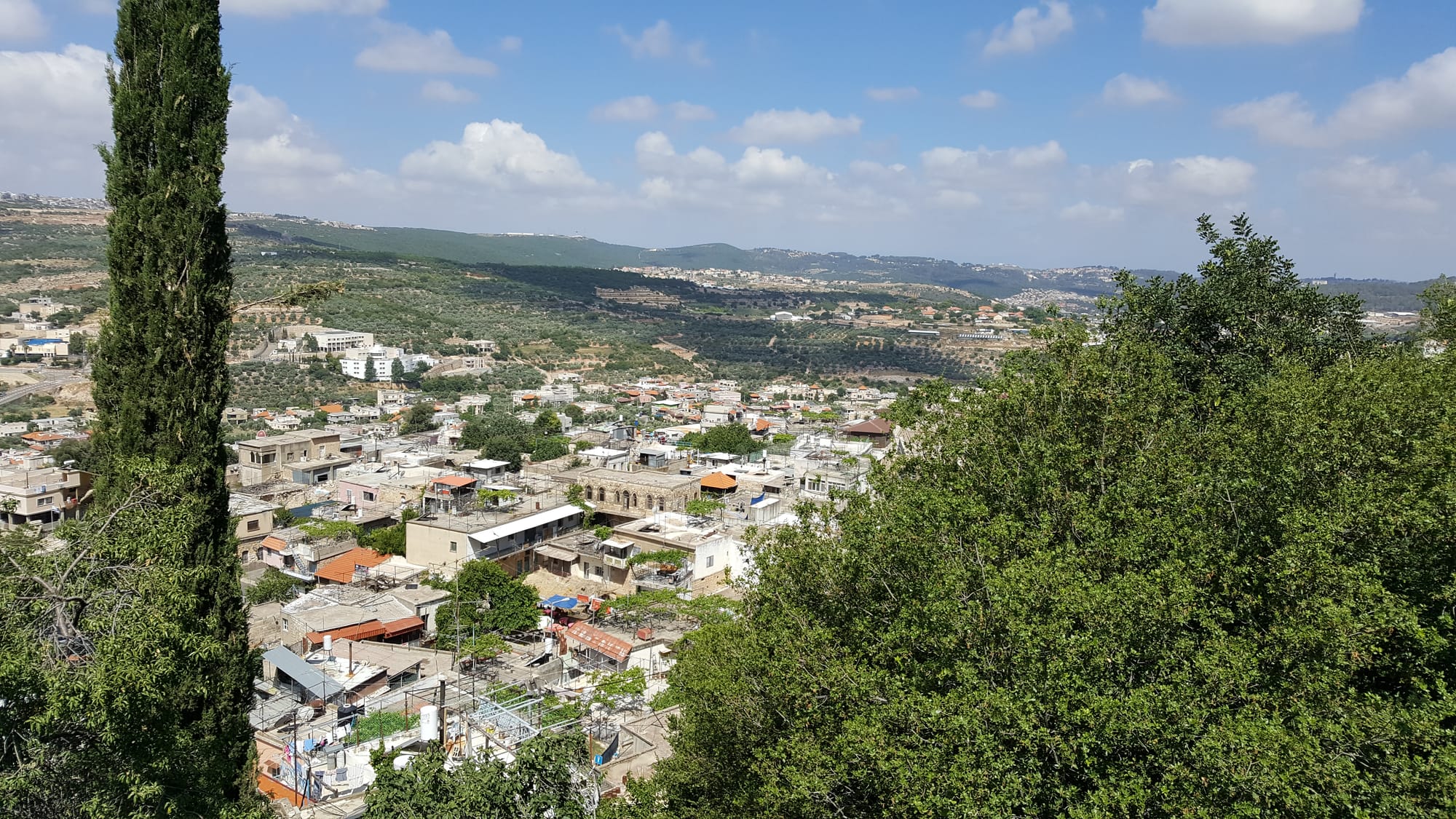
Galilee is often represented through images of olive trees, green hills and stone houses.
Yet its social character cannot be understood through scenery alone.
For many residents, belonging is connected to family history, language, religion and the place where previous generations lived.
Family relationships
Extended family networks remain important in many Galilean communities.
Parents, grandparents, cousins and other relatives may maintain frequent contact.
Weddings, funerals and religious holidays often bring families together.
Grandparents may assist with childcare or preserve family stories and traditions.
However, family arrangements vary.
Some households live close to extended relatives, while others are more independent.
Education, employment and housing costs influence where young adults establish their homes.
The role of the village
In smaller communities, residents may know one another through schools, businesses, religious institutions or family connections.
These networks can provide support during illness, financial difficulty or important family events.
At the same time, close community relationships can create expectations concerning marriage, family responsibilities and social behaviour.
Some young adults value this familiarity. Others seek greater independence.
Olive cultivation
Olive trees have deep historical and economic significance in Galilee.
For some families, an olive grove represents inherited land and memories of earlier generations.
Harvesting may involve family participation, hired workers or modern agricultural equipment.
Olive oil is widely used in local cooking and remains closely associated with regional food traditions.
Religion and the weekly rhythm
Observant Jewish families prepare for Shabbat before sunset on Friday.
Muslim communities mark Friday prayers and observe Ramadan.
Christian families celebrate religious festivals according to their church traditions.
Druze communities maintain their own religious observances.
These calendars influence family gatherings, school schedules and local business activity.
A changing society
Galilean villages are not isolated from modern technology or professional life.
Young people pursue higher education, use social media and participate in international cultural trends.
Some leave for employment in larger cities.
Others establish businesses locally or continue family agricultural enterprises.
The future of many communities depends on whether younger generations can find opportunities while maintaining meaningful connections to their hometowns.
The Villages Behind the Landscape: Peki'in, Jish and the Diversity of Galilee
The cultural differences of Galilee become especially visible when examining individual villages. Although communities may be separated by only a short distance, their histories, languages and religious institutions can be remarkably different.
Peki'in, known in Arabic as Buqei'a, is a mountain village in Upper Galilee associated with a long history of religious diversity. Its population is predominantly Druze, but the village is also known for Christian and Jewish historical connections.
Peki'in occupies an important place in Jewish religious tradition, particularly through stories associated with Rabbi Shimon bar Yochai. A historic synagogue and other local sites reflect the village's significance in Jewish memory.
Yet the village's present-day identity cannot be understood solely through its religious landmarks. Druze families, local businesses, schools and residential neighbourhoods form the foundation of contemporary life.
The relationship between religious heritage and everyday activity illustrates a recurring feature of Galilee: a place may hold deep historical meaning for one community while functioning as an ordinary hometown for another.
Jish, also known as Gush Halav, offers a different example.
Situated in Upper Galilee, Jish has important Christian and Muslim communities. It is particularly associated with Maronite Christian heritage and contemporary initiatives to preserve Aramaic and Syriac linguistic traditions.
Aramaic has historical significance across the Middle East and is closely connected to the religious heritage of several Eastern Christian churches.
In Jish, cultural organisations have promoted education and awareness surrounding Aramaic heritage. These efforts are significant because they demonstrate that cultural identity can involve more than a person's spoken language at home.
A family may speak Arabic in daily conversation while maintaining a religious and historical connection to Syriac liturgy or Aramaic heritage.
Identity in Jish is also a subject of differing interpretations. Some Christians emphasise Aramean identity, while others identify primarily as Palestinian Arabs or through a combination of identities. It would be inaccurate to present one organisation's understanding as the position of the entire community.
Religious heritage can be preserved through church services, family customs, language classes and cultural initiatives. At the same time, residents participate in modern professional and educational life.
These villages demonstrate why Galilee should not be described as a simple division between Jewish and Arab populations.
Within the Arab-speaking population itself are communities with different religious traditions, historical experiences and understandings of identity.
For younger generations, this diversity creates both opportunities and challenges.
Education and professional employment can bring people into contact with wider society. Digital technology provides access to international culture and communication. Yet families and local institutions may continue to emphasise the preservation of language, religious customs and community history.
The future of these villages will depend partly on whether younger residents can find meaningful opportunities without feeling that they must abandon the places and traditions from which they come.
Land, Memory and the Changing Galilean Village
The relationship between land and identity is particularly important in Galilee.
For agricultural families, land may represent an economic resource, an inherited responsibility and a connection to earlier generations.
Olive groves can carry family memories that extend beyond their immediate commercial value.
A plot of land may have been cultivated by grandparents or great-grandparents. Its importance can therefore be understood through family history as well as agricultural production.
However, agricultural livelihoods have changed.
Modern machinery, labour costs, water requirements and market competition influence whether farming remains financially sustainable.
Some families continue to cultivate land while earning most of their income from other professions.
Others have shifted away from agriculture entirely.
This transition can affect the relationship between generations.
Older relatives may remember a period when agricultural work occupied a central place in household life. Younger family members may spend their days in classrooms, offices, hospitals or technology workplaces.
Neither experience is necessarily more authentic.
Both are part of the continuing development of Galilean society.
Housing and land-use questions also affect village life. As families grow, younger adults may seek homes near their relatives. Available land, planning regulations, infrastructure and housing prices can influence whether they are able to remain.
These challenges have social consequences.
When young adults move away, family networks change. Grandparents may see grandchildren less frequently, and local businesses may lose potential customers or employees.
When younger generations remain, they may bring new professional skills, business ideas and expectations about public services.
Galilee's villages are therefore not static examples of traditional life.
They are communities negotiating the relationship between inherited identities and contemporary economic realities.
The Social Importance of Religious and Family Celebrations
Religious holidays and family celebrations often provide occasions when the wider community becomes especially visible.
In Christian communities, Easter and Christmas may bring relatives together for church services and family meals.
In Muslim communities, Ramadan changes the rhythm of daily life for observant households. Evening meals can create opportunities for extended family gatherings, while Eid celebrations bring visits and social activities.
In Jewish communities, Shabbat and annual festivals provide recurring occasions for family connection.
Druze religious observances and communal gatherings also reinforce relationships between families.
These occasions do not eliminate differences in religious belief or practice. Nor does every resident participate in the same way.
Their broader social importance lies in the relationships they help maintain.
For relatives who live or work elsewhere, holidays can provide opportunities to return home.
For children, celebrations may become an important part of cultural memory.
For older generations, they can provide a setting in which stories, customs and family relationships are passed on.
In this way, cultural identity is not preserved only through institutions or historical monuments.
It is also maintained through repeated experiences within families and communities.

Chapter 3 — Haifa: Modern Urban Life and Cultural Diversity
Haifa is one of northern Israel's principal urban centres.
Its port, universities, hospitals and industrial facilities make it an important regional economic hub.
The city contains Jewish and Arab populations, including Muslim and Christian communities, alongside residents from different migration backgrounds.
A city of work and education
For many residents, daily life begins with commuting.
Students travel to university campuses.
Healthcare professionals work in hospitals and clinics.
Engineers, teachers, business owners and public employees follow professional schedules.
The Technion and the University of Haifa contribute to the city's academic and research environment.
Neighbourhood identities
Haifa's neighbourhoods reflect different historical and social developments.
Wadi Nisnas is associated with Arab cultural heritage and local food businesses.
The German Colony contains buildings connected to nineteenth-century German Templer settlement.
Other districts include modern residential neighbourhoods, shopping centres and educational institutions.
The experience of living in Haifa therefore depends partly on neighbourhood, income and access to services.
Language and religion
Hebrew and Arabic are important languages in Haifa.
English and other languages are also used in academic and professional settings.
The city contains synagogues, mosques, churches and Bahá'í holy places.
The Shrine of the Báb and its surrounding gardens are internationally recognised landmarks.
Religious observance differs between households.
Some residents follow traditional practices closely, while others live largely secular lives.
Coexistence and its limitations
Haifa is often described as a city of Jewish-Arab coexistence.
Shared universities, workplaces, hospitals and public spaces create opportunities for interaction.
People from different backgrounds may study together, work together or form friendships.
Yet coexistence does not eliminate inequality, residential divisions or political disagreements.
An accurate portrait must recognise both everyday cooperation and the tensions that can exist within a diverse city.
Women and professional opportunity
Haifa provides access to higher education and professional employment for women from different communities.
Women work in healthcare, technology, education, commerce and public administration.
However, childcare, transportation, discrimination and family responsibilities can influence opportunities.
Haifa demonstrates how modern urban life connects communities without erasing cultural differences.
Kababir: The Ahmadiyya Community on Mount Carmel
Haifa's religious diversity extends beyond its better-known Jewish, Christian, Muslim and Bahá'í institutions.
On Mount Carmel lies Kababir, a neighbourhood closely associated with the Ahmadiyya Muslim community.
Ahmadiyya is a religious movement within Islam that emerged in British India during the late nineteenth century. Its followers recognise Mirza Ghulam Ahmad as a promised religious reformer, a belief that distinguishes the movement from mainstream Sunni and Shia interpretations.
These theological differences have contributed to controversy and, in some countries, discrimination against Ahmadi Muslims.
The community's presence in Haifa provides an important example of religious diversity within the city's Arab population.
Kababir's history also illustrates the transformation of rural communities during Haifa's urban expansion.
The area developed as a village before becoming part of the growing city.
Historical research by Na'ama Ben Ze'ev has examined how Kababir's residents understood their community's development, including the transition from rural life to an urban environment.
The research highlights the importance of local memory in explaining how residents interpret their collective history.
Kababir is particularly associated with the Mahmood Mosque, whose minarets form a recognisable feature of the neighbourhood.
Religious institutions provide spaces for worship, education and community activity.
However, Kababir should not be viewed only through its mosque.
Residents also participate in the wider social and economic life of Haifa.
The neighbourhood illustrates how religious identity can remain important even as a community becomes integrated into a modern city.
It also complicates simplified descriptions of Haifa's Muslim population.
Not all Muslim residents belong to the same religious tradition, just as Jewish and Christian communities contain different denominations and interpretations.
Haifa's Shared Institutions and Separate Experiences
Haifa's hospitals and universities are frequently presented as examples of cooperation between Jewish and Arab residents.
These institutions bring people into contact through professional responsibilities, academic study and public services.
A medical team may include professionals from different religious and linguistic backgrounds. Students may work together on research projects or attend the same lectures.
Such experiences can create practical relationships that cross community boundaries.
Yet shared institutions do not automatically produce equal opportunities.
Students may arrive from educational systems with different resources. Language proficiency, family income, transportation and previous educational opportunities can influence academic success.
Professional advancement can also be affected by wider social and economic inequalities.
For Arab residents, questions concerning cultural representation, equal access to services and political identity may remain important even when daily professional cooperation is positive.
For Jewish residents, Haifa may be understood through different combinations of national history, migration background, religious identity and urban belonging.
The city therefore offers an important distinction between coexistence as a public ideal and coexistence as an everyday process.
The latter involves practical cooperation, disagreement, institutional arrangements and unequal experiences.
Haifa's diversity is real, but it is not a guarantee that every resident experiences the city in the same way.
The Importance of Cultural Memory in a Changing City
Urban development can transform neighbourhoods without erasing their histories.
Older buildings may become restaurants, galleries or commercial spaces. Former industrial areas may be redeveloped. New residents may bring different expectations about housing and public life.
For longstanding residents, such changes can create both opportunities and concerns.
Investment may improve infrastructure and commercial activity.
At the same time, rising property costs or changes in neighbourhood character may affect the ability of families to remain in familiar surroundings.
Cultural heritage is therefore not only a question of preserving monuments.
It also concerns whether communities can continue living in the places associated with their histories.
In Haifa, the relationship between urban development and cultural identity deserves attention because the city's neighbourhoods carry different memories of migration, conflict, work and community life.
A city may celebrate diversity through festivals and public events, but the preservation of that diversity also depends on housing, education, employment and the ability of residents to participate in decisions affecting their neighbourhoods.

Chapter 4 — Akko: A Living City Beneath Centuries of History
Akko, also known as Acre, is one of the eastern Mediterranean's historic port cities.
Its old city contains substantial architectural remains from the Crusader and Ottoman periods.
Stone streets, markets, mosques, churches and historic residential buildings reflect centuries of political and cultural change.
UNESCO recognises the Old City of Acre as a World Heritage Site.
The old city as a home
Historic buildings are not merely monuments.
They also form part of a living residential environment.
Homes, shops, bakeries and restaurants occupy streets used by residents and visitors.
The physical environment creates frequent encounters between neighbours.
However, maintaining historic buildings presents challenges involving infrastructure, preservation and accessibility.
Arab cultural heritage
Arabic language and cultural traditions are important in parts of Akko, particularly within the old city.
Muslim and Christian residents maintain religious institutions and family customs.
Religious holidays influence social gatherings and household routines.
Jewish neighbourhoods
Akko also contains Jewish residential communities and modern urban districts.
Many residents live outside the historic centre.
Their daily lives involve schools, workplaces, shopping centres and family responsibilities.
The old city's atmosphere should not be mistaken for the identity of the entire city.
Food and Mediterranean traditions
Akko is associated with fish, seafood, hummus, pastries, spices and Levantine cuisine.
Markets and restaurants contribute to its culinary reputation.
Some businesses preserve family recipes, while others adapt traditional dishes to contemporary tastes.
Tourism and everyday life
Tourism supports restaurants, accommodation providers and cultural attractions.
At the same time, residents must navigate the relationship between preserving heritage and maintaining ordinary neighbourhood life.
Commercial development can create employment, but it may also affect public spaces and historic buildings.
Akko illustrates how history and contemporary society coexist within the same streets.
Chapter 5 — Nazareth: Christian Heritage and Contemporary Arab Life
Nazareth is internationally associated with the life of Jesus and the events described in the New Testament.
Its churches attract pilgrims from many countries.
Yet for its residents, Nazareth is also a contemporary Arab city with schools, workplaces, businesses and family networks.
Christian communities
The Basilica of the Annunciation is among the city's most important religious landmarks.
Nazareth's Christian population includes different denominations, with distinct liturgical traditions and calendars.
Christmas and Easter are important occasions for many families.
Church services may be followed by meals, visits and community gatherings.
Religious observance varies between households.
Muslim communities
Muslims form an important part of Nazareth's population.
During Ramadan, observant families fast from dawn until sunset.
The evening iftar meal often brings relatives together.
Eid al-Fitr and Eid al-Adha are important religious celebrations.
These occasions can involve prayer, charity, meals and family visits.
Arabic language and Palestinian identity
Arabic is central to everyday life in Nazareth.
Many residents identify as Palestinian citizens of Israel, while others use different combinations of Arab, Palestinian, Israeli, Christian, Muslim or local identities.
These descriptions are not interchangeable.
For some families, identity is closely connected to historical experiences, including the events of 1948.
For others, contemporary questions about employment, education, housing and civic participation are especially prominent.
Family and education
Extended family relationships remain important in many households.
Grandparents may assist with childcare and help preserve family traditions.
However, higher education, employment and housing costs have changed household arrangements.
Some young adults establish independent homes, while others remain close to relatives.
Women and professional life
Women in Nazareth participate in healthcare, education, business and public services.
Higher education can create professional opportunities.
Nevertheless, transportation, childcare, discrimination and local employment conditions may influence individual choices.
It would be misleading to assume that all Christian or Muslim women in Nazareth share the same lifestyle or ambitions.
Beyond pilgrimage
Religious tourism contributes to the local economy, but Nazareth is not dependent on pilgrimage alone.
Residents work in professional occupations, operate businesses and commute to other employment centres.
The city is both a place of religious significance and a contemporary community facing the practical challenges of urban life.
Chapter 6 — Safed: Jewish Mysticism, Religious Life and Art
Safed, known in Hebrew as Tzfat, is associated with Jewish religious scholarship and mysticism.
During the sixteenth century, the city became an influential centre of Kabbalistic thought.
Its religious heritage continues to shape its identity.
The history of Kabbalah
Scholars associated with Safed, including Rabbi Isaac Luria and Rabbi Joseph Karo, contributed to traditions that influenced Jewish religious thought.
The city's synagogues and historic streets attract visitors interested in Jewish scholarship and spirituality.
Shabbat and family life
In observant Jewish households, Shabbat begins before sunset on Friday.
Preparations may include cooking, shopping and organising family meals.
Candle lighting, synagogue attendance, prayer and shared meals are important traditions.
Restrictions on certain forms of work and technology influence how observant households organise the day.
In religious neighbourhoods, commercial activity may become noticeably quieter.
However, practices vary between families.
Religious education
Safed contains religious educational institutions.
Some families place substantial emphasis on Jewish religious study.
Others choose different educational approaches.
Clothing, social expectations and daily routines may reflect particular religious traditions, but not all residents follow the same practices.
The artists' quarter
Safed also has an artistic identity.
Galleries and workshops contribute to the city's cultural life.
Artists may draw inspiration from religious symbolism, architecture and the surrounding landscape.
Modern challenges
Residents work in education, healthcare, commerce, tourism and public services.
Like other smaller cities, Safed faces questions involving housing, employment and transportation.
Its religious history remains important, but contemporary life continues to evolve.
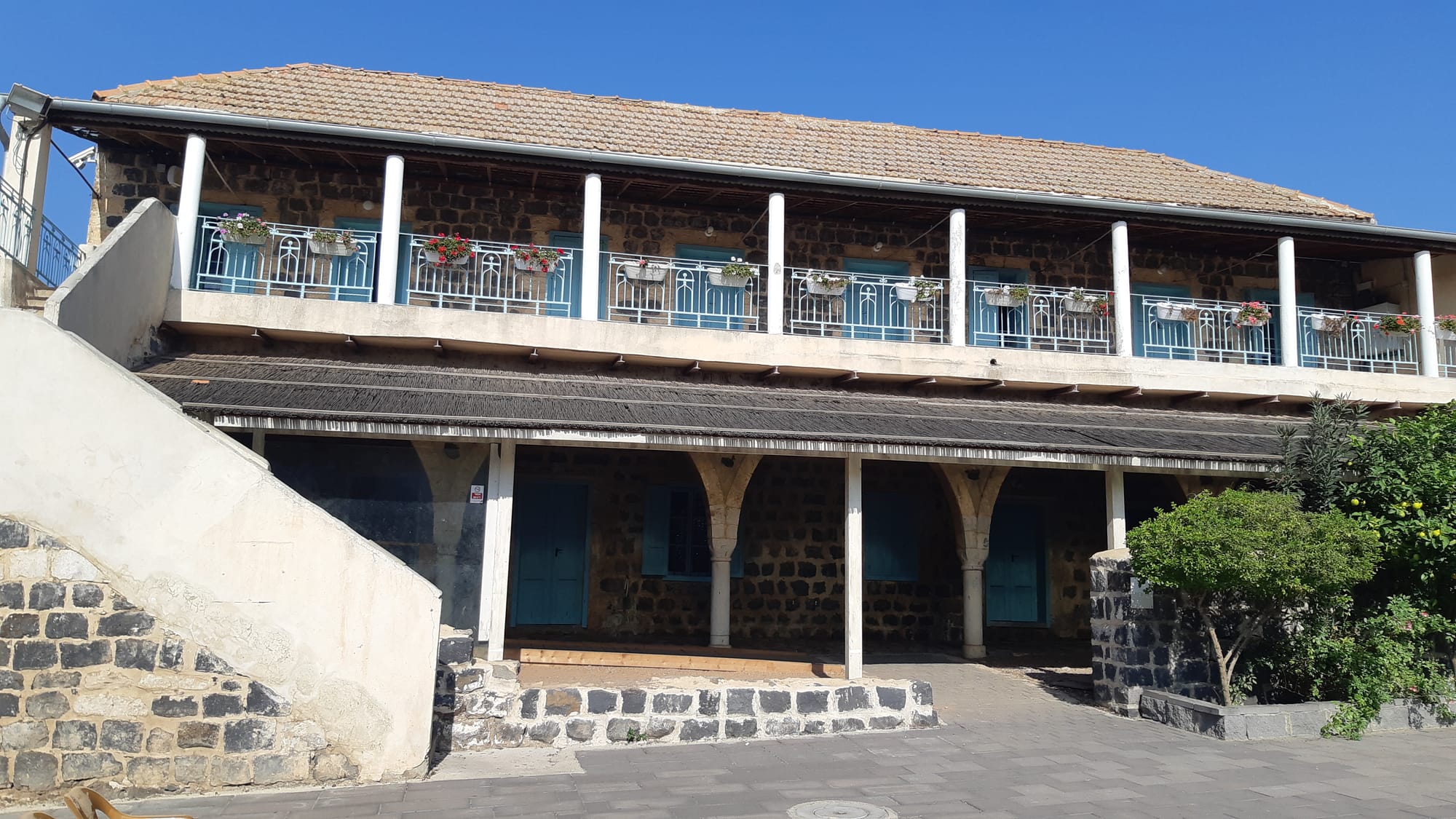
Chapter 7 — Kfar Kama and Rehaniya: Circassian Culture in Galilee
The Circassian communities of Kfar Kama and Rehaniya preserve a cultural heritage originating in the northwestern Caucasus.
Their presence in Galilee is connected to nineteenth-century displacement and migration during Russian imperial expansion.
A history of displacement
Circassian populations experienced war, expulsion and mass displacement from their ancestral homeland.
Many resettled within the Ottoman Empire.
Some established communities in the Levant.
Their descendants became part of northern Israel's social landscape while maintaining cultural connections to the Caucasus.
Language preservation
Circassian languages belong to the Northwest Caucasian language family.
They are distinct from Hebrew and Arabic.
Language preservation is important because smaller communities face the possibility of declining fluency across generations.
Families, schools and cultural initiatives help maintain the language.
Cultural traditions
Circassian customs are often associated with Adyghe Xabze, a framework of traditional values concerning respect, hospitality and social conduct.
Dance and music are important expressions of cultural heritage.
Community celebrations provide opportunities for younger generations to learn inherited traditions.
Religion and identity
Circassians in Israel are predominantly Sunni Muslim.
However, their cultural identity also includes language, ancestry and collective memories of displacement.
This demonstrates why religion alone cannot explain the differences between northern communities.
Modern life
Circassian residents participate in higher education, business, public services and other professions.
Some remain in their villages, while others move elsewhere.
Preserving cultural identity while participating in modern society remains an important concern.
Kfar Kama: Preserving a Caucasian Identity in the Middle East
Kfar Kama is an especially interesting example of how a small community can preserve a distinct cultural identity across generations.
The village was established in the nineteenth century by Circassians displaced from the Caucasus during Russian imperial expansion.
Its inhabitants brought languages, social customs and collective memories that differed from those of the surrounding region.
Over time, Kfar Kama became part of the social and economic landscape of Galilee while maintaining its Circassian heritage.
The village's historic centre contains buildings and streets associated with its early settlement history.
Preserving this environment has become part of wider efforts to maintain community identity.
The Circassian Heritage Center provides information about the community's history, traditional clothing, domestic life and cultural practices.
Its exhibits and educational activities offer visitors an introduction to the historical experiences that shaped the village.
The importance of such a centre extends beyond tourism.
For younger Circassians, cultural institutions can help connect family stories with a wider understanding of collective history.
They also provide a way to explain Circassian heritage to people who may know little about the Caucasus or the community's presence in Israel.
Language as a Connection Between Generations
Language preservation is one of the most significant challenges facing small diaspora communities.
Circassian languages have grammatical structures and sounds that differ considerably from Hebrew and Arabic.
Maintaining fluency requires more than occasional ceremonial use.
Children need opportunities to hear, speak and learn the language.
Families, schools and cultural organisations therefore play important roles.
A heritage language can connect younger generations to songs, stories and expressions that do not always translate easily into another language.
At the same time, Circassian residents need Hebrew and sometimes other languages for education, employment and public life.
This creates a practical form of multilingualism.
A person may use Circassian with relatives while studying or working in Hebrew.
Such experiences demonstrate that preserving cultural identity does not require isolation from wider society.
Circassian Dance and Social Traditions
Traditional dance is among the most visible expressions of Circassian heritage.
Performances may feature carefully coordinated movement, distinctive music and ceremonial clothing.
Dance can communicate ideas about dignity, social relationships and cultural memory.
However, it is important not to reduce Circassian identity to performances for visitors.
Cultural traditions are also maintained through language, family relationships, food and everyday social practices.
Adyghe Xabze, the customary framework associated with Circassian social conduct, emphasises values such as respect and appropriate behaviour.
The meaning of these customs changes as communities adapt to contemporary life.
Younger generations may reinterpret traditional expectations while continuing to identify strongly with their heritage.
Women and Cultural Continuity
Women have important roles in the preservation and public presentation of Circassian culture.
Educational initiatives, heritage activities and community organisations provide opportunities for participation.
The village's cultural programmes have also involved young people in presenting local history to visitors.
These activities connect heritage preservation with education and professional skills.
However, Circassian women should not be described only as guardians of tradition.
They also participate in contemporary education, employment and family life.
Their experiences are shaped by personal ambitions and economic circumstances as well as cultural expectations.
The Future of a Small Community
The long-term preservation of Circassian identity depends on choices made by families and younger generations.
Migration, intergenerational language transmission and access to education can influence the future of the community.
Some young adults may leave for university or employment.
Others may return or establish businesses in their hometowns.
Cultural preservation initiatives can help maintain a sense of belonging, but they cannot eliminate every pressure associated with modernisation.
Kfar Kama illustrates how a community can remain connected to an ancestral homeland while building its future in a very different geographical and political environment.
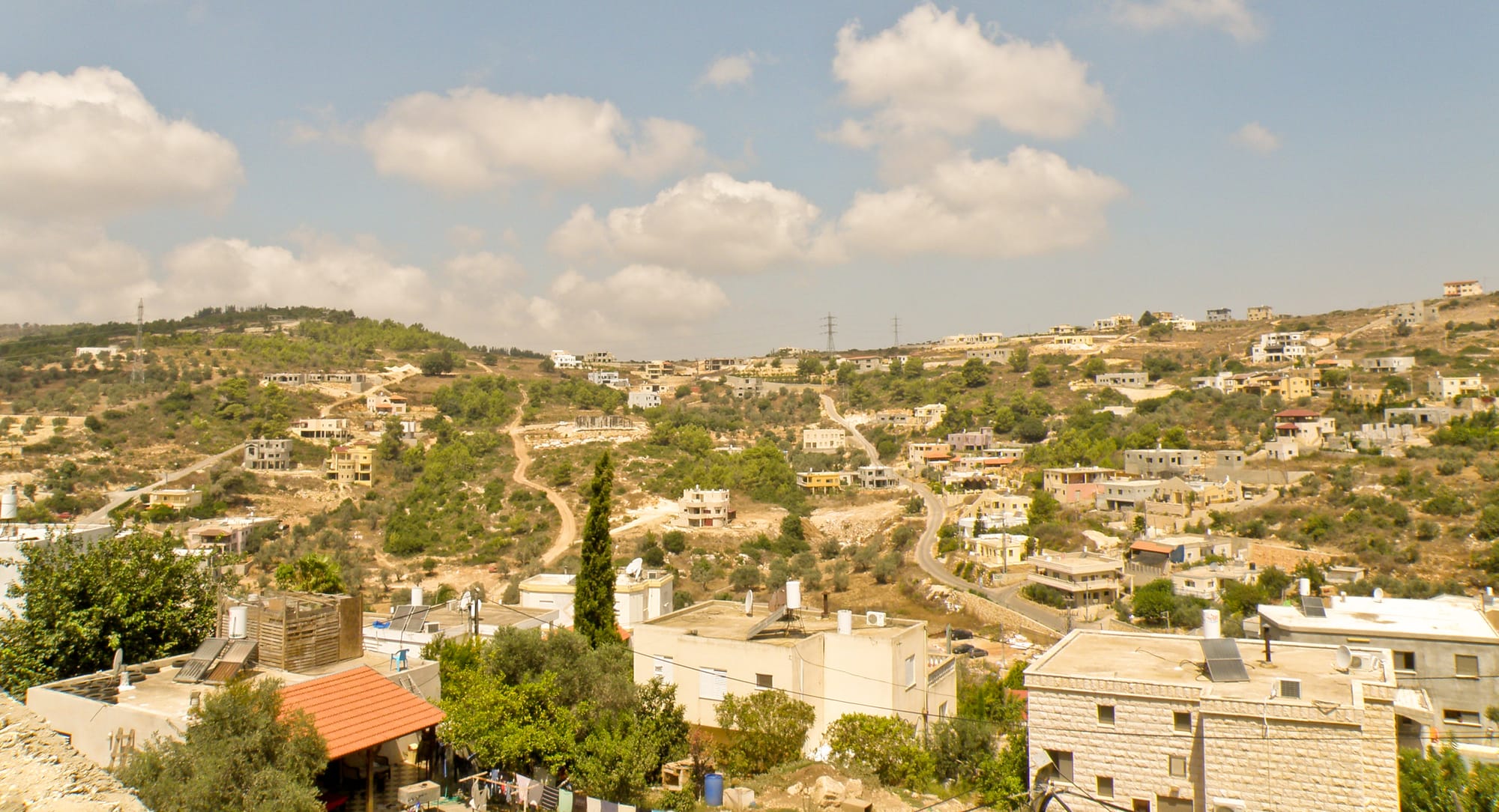
Chapter 8 — The Druze of Galilee and Mount Carmel
The Druze are an Arabic-speaking religious community whose faith developed in the Middle East during the eleventh century.
Druze populations live in Israel, Syria and Lebanon, with smaller communities elsewhere.
In northern Israel, Druze towns and villages are found in Galilee and around Mount Carmel.
The Druze faith
The Druze faith is monotheistic and has distinctive theological and philosophical teachings.
Members of the community commonly refer to themselves as al-Muwahhidun, meaning the Unitarians.
A significant feature is the distinction between initiated religious members, known as uqqal, and other members of the community.
Certain religious teachings are reserved for initiated members.
Not every Druze person follows the same degree of religious observance.
Family and community
Family networks are important in many Druze communities.
Respect for elders, hospitality and communal responsibility are often associated with traditional values.
Weddings, funerals and religious gatherings strengthen connections between households.
However, contemporary families differ in education, economic circumstances and social expectations.
Nabi Shu'ayb
The shrine of Nabi Shu'ayb near Hittin is an important Druze religious site.
The annual pilgrimage period provides an occasion for religious observance and community gathering.
Citizenship and military service
Most Druze residents of Galilee and Mount Carmel are Israeli citizens.
Druze men who meet the relevant criteria are generally subject to compulsory military service under Israeli law, although exemptions and individual circumstances exist.
Military service has influenced relations between Druze communities and Israeli institutions.
Nevertheless, Druze citizens hold diverse political opinions.
Women and education
Druze women participate in higher education, healthcare, teaching, business and other professions.
Professional opportunities are influenced by transportation, childcare, family expectations and local employment conditions.
A crucial distinction
The Druze of Galilee and Mount Carmel should not be treated as politically identical to Druze communities on the Golan Heights.
Their histories of citizenship and national identity differ significantly.

Chapter 9 — The Golan Heights: Agriculture and a Disputed History
The Golan Heights are among the most geographically distinctive and politically contested areas in the region.
The plateau contains volcanic terrain, orchards, vineyards and agricultural settlements.
The consequences of 1967
Israel captured the Golan Heights from Syria during the Six-Day War.
The fighting caused displacement and major demographic changes.
Israeli settlements were subsequently established in parts of the territory.
In 1981, Israel extended its law and administration to the Golan Heights.
United Nations Security Council Resolution 497 declared the decision legally invalid.
The United States recognised Israeli sovereignty in 2019, but most countries continue to regard the territory as occupied Syrian land.
Jewish Israeli communities
Jewish Israeli settlements include communities historically associated with kibbutzim and moshavim.
Kibbutzim originally emphasised collective organisation.
Moshavim generally combined family farming with cooperative structures.
Many communities have since changed economically.
Residents work in agriculture, tourism, education, technology and other professions.
Agriculture
The Golan is associated with orchards, vineyards and cattle farming.
Apple and cherry cultivation is particularly prominent in some areas.
Agriculture follows seasonal patterns and depends on weather, water, labour and market conditions.
Druze communities
The Golan contains Druze towns including Majdal Shams, Buq'ata, Mas'ade and Ein Qiniyye.
Arabic language, family networks and Druze religious traditions contribute to local identity.
Syrian identity and citizenship
Many Golan Druze have historically identified as Syrian.
For some residents, this identity is connected to family history and the circumstances of 1967.
Some have acquired Israeli citizenship, while others maintain different legal statuses.
Attitudes toward citizenship vary between individuals and generations.
Everyday life
Despite the territory's political complexity, residents lead ordinary lives.
Children attend school.
Families work and celebrate important occasions.
Farmers manage orchards.
Young adults pursue education and employment.
Political history matters, but it does not describe every aspect of life on the Golan.
Four Druze Towns, Different Local Experiences
The Druze communities of the Golan Heights are frequently discussed together, but each town has its own local character.
Majdal Shams is the largest and most widely recognised of the remaining Druze towns on the Israeli-controlled Golan.
Buq'ata, Mas'ade and Ein Qiniyye also maintain community histories connected to the plateau and the surrounding mountain environment.
The towns share aspects of Druze religious identity, Arabic language and historical connections to Syria.
However, their economic circumstances, settlement patterns and local institutions are not identical.
Agriculture has played an important role in the region, particularly the cultivation of apples and cherries.
Some families continue to work in orchards, while others depend on education, commerce, tourism or professional employment.
The availability of land, transportation and local jobs influences how younger residents plan their futures.
National Identity and the Meaning of Citizenship
The question of citizenship carries particular significance on the Golan Heights.
Following Israel's capture of the territory in 1967 and the extension of Israeli law in 1981, residents faced new political and administrative circumstances.
Many Druze maintained Syrian national identities and rejected the legitimacy of Israeli sovereignty over the territory.
Others have subsequently made different decisions concerning citizenship.
The reasons behind these choices cannot be reduced to one explanation.
For some individuals, citizenship may be connected to political beliefs.
For others, access to education, travel, employment and administrative services may influence practical considerations.
Some residents may experience these factors simultaneously.
It is important to distinguish between legal status and personal identity.
Possessing a particular passport does not necessarily explain how someone understands their ancestry, nationality or political future.
Likewise, maintaining a Syrian identity does not mean that a person is disconnected from the everyday institutions and economy in which they live.
Family History Across a Political Boundary
The separation between the Golan Heights and Syria has affected families whose histories extend across the territorial divide.
Relatives may have lived in different parts of the region before 1967.
Subsequent political and security restrictions changed opportunities for travel and contact.
For some families, memories of relatives and ancestral places remain important elements of community history.
The conflict in Syria after 2011 added further uncertainty and hardship to cross-border family connections.
These experiences demonstrate that international boundaries can have consequences far beyond diplomacy.
They influence family relationships, personal identity and the way historical events are remembered.
The Golan as an Agricultural Landscape
The Golan's volcanic soils, elevation and seasonal climate contribute to its agricultural character.
Orchards and vineyards are prominent features of parts of the plateau.
Agriculture requires substantial planning.
Farmers must consider irrigation, labour, weather conditions and market demand.
A successful harvest does not automatically guarantee financial security.
Transport costs, production expenses and market prices affect profitability.
For some younger residents, agriculture remains an attractive family enterprise.
Others pursue careers in different sectors because they see limited opportunities in farming.
These choices can transform the social structure of rural communities over time.
Tourism and the Risk of Simplifying Local Culture
The Golan attracts visitors interested in landscapes, outdoor recreation, food and agricultural tourism.
Druze restaurants and village visits can provide opportunities to encounter local traditions.
However, tourism can also encourage simplified presentations of cultural identity.
A restaurant menu or a short village tour cannot fully explain a community's history, political experiences or internal diversity.
Visitors may encounter traditional food without learning about questions of citizenship, education, land or historical belonging.
Responsible cultural tourism should therefore distinguish between enjoying local hospitality and claiming to understand the community as a whole.
The Golan Heights are a place of agriculture, family life and cultural traditions, but also of unresolved historical and political questions.
Understanding the region requires acknowledging all of these realities together.
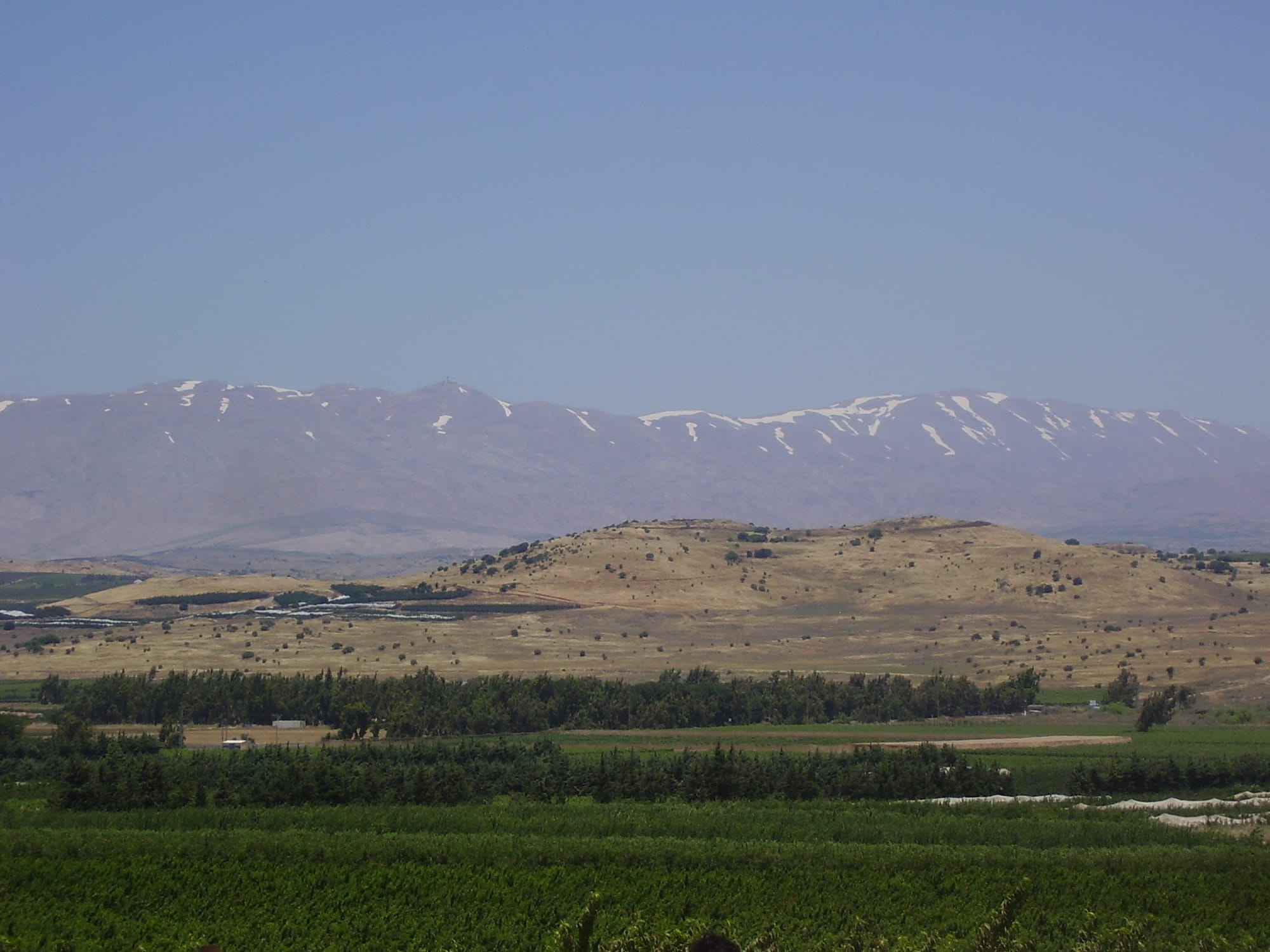
Chapter 10 — Majdal Shams and Mount Hermon: Mountain Life and Identity
Majdal Shams lies near the slopes of Mount Hermon.
Its location creates an environment different from the Mediterranean coast.
Colder winters, mountain agriculture and historical connections to Syria influence local life.
Climate and geography
Higher elevations experience colder weather and seasonal snowfall.
Winter conditions can affect transportation, agriculture and tourism.
The surrounding landscape contributes to the town's identity.
Orchards and seasonal work
Apple and cherry orchards are important features of the surrounding area.
Agricultural work follows seasonal cycles.
Weather can strongly influence harvests.
Some families maintain longstanding connections to farming, while others work in education, commerce, tourism and professional services.
Food traditions
Traditional Druze and Levantine foods include flatbreads, labneh, za'atar, stuffed vegetables and other dishes.
Restaurants introduce visitors to regional cuisine.
Within families, recipes may preserve memories of earlier generations.
Community relationships
In smaller mountain towns, family networks and local relationships can be especially visible.
Residents may know one another through schools, businesses or extended family connections.
These networks can provide support during important life events.
Education and mobility
Young adults may attend universities outside their hometowns.
Some return to establish businesses or careers locally.
Others remain in larger cities.
Employment, transportation and housing influence these choices.
Complex identities
For residents of Majdal Shams, identity may involve Druze religion, Arabic language, local belonging, Syrian historical connections and Israeli administrative realities.
These elements are understood differently by different individuals.
Majdal Shams is not simply a tourist destination or a symbol of a political dispute.
It is a contemporary community whose residents navigate tradition, economic change and unresolved questions of nationality.
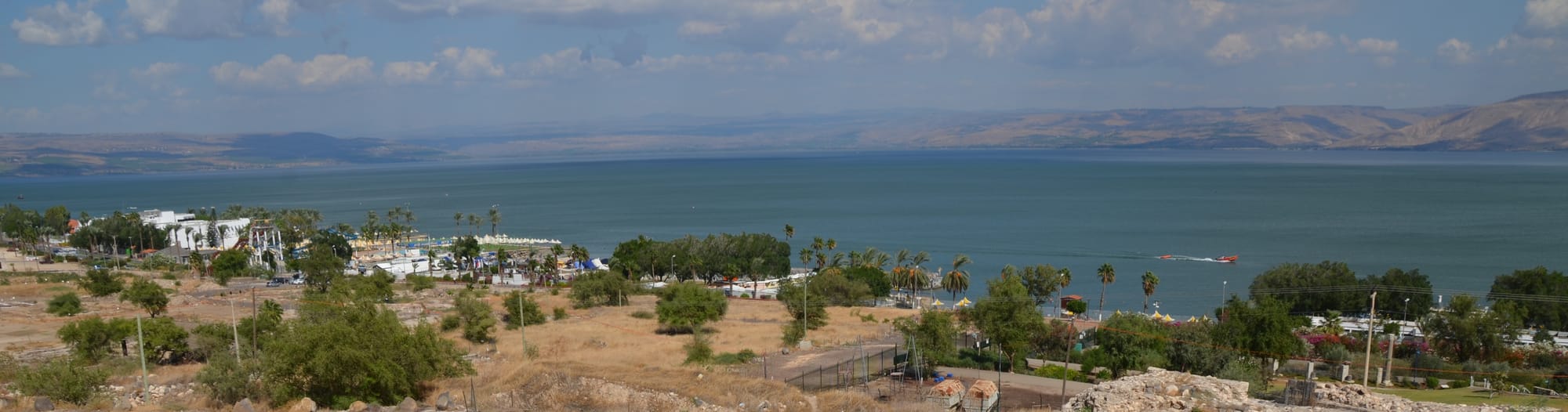
Chapter 11 — The Sea of Galilee and Tiberias
The Sea of Galilee has religious, environmental and economic significance.
Its shores contain towns, agricultural communities, religious sites and tourism businesses.
Tiberias
Tiberias was founded during the Roman period and later became an important centre of Jewish religious scholarship.
Today, it is a modern city with schools, residential neighbourhoods, religious institutions and commercial activity.
Christian pilgrimage
The Sea of Galilee is associated with events described in the New Testament.
Pilgrims visit locations such as Capernaum and the Mount of Beatitudes.
Religious tourism contributes to accommodation, guiding services and restaurants.
Agricultural settlements
Kibbutzim and moshavim around the lake have historically been associated with agriculture.
Some have developed tourism and recreational businesses.
Their economic structures have changed considerably over time.
Recreation and the environment
Families visit the lake for leisure activities.
Water levels, rainfall and ecological conditions remain important environmental concerns.
The lake demonstrates how religious heritage and contemporary life coexist around the same landscape.

Chapter 12 — Food, Hospitality and Cultural Identity
Food provides one of the most accessible ways to understand northern Israel.
Its cuisines reflect agriculture, religion, migration and centuries of cultural exchange.
Yet there is no single northern Israeli cuisine.
Olive oil and bread
Olive oil is central to many regional dishes.
Flatbreads are common in Arab and Druze cooking.
Challah is associated with Jewish Shabbat meals.
These foods have different cultural meanings, but they share an important role in family gatherings.
Palestinian and Arab Galilean cuisine
Dishes such as musakhan, maqluba, stuffed vegetables and lentil preparations are part of Palestinian and wider Levantine food traditions.
Recipes differ between families and localities.
Cooking can preserve memories of earlier generations.
Druze and Circassian traditions
Druze communities share many Levantine ingredients while maintaining local culinary customs.
Circassian cuisine reflects Caucasian heritage, including distinctive cheese and dough preparations.
Jewish culinary diversity
Jewish households may preserve culinary traditions associated with North Africa, Europe, the Middle East and other ancestral regions.
Shabbat and holiday meals differ according to family background.
Hospitality
Offering coffee, tea or food is important in many communities.
Hospitality can express respect, friendship and family connection.
However, practices differ between households.
Restaurants and cultural change
Restaurants in Haifa, Akko and Galilean towns present traditional and contemporary cuisine.
Some preserve inherited recipes.
Others reinterpret regional ingredients.
Food tourism creates opportunities, but everyday family cooking remains an important part of cultural identity.
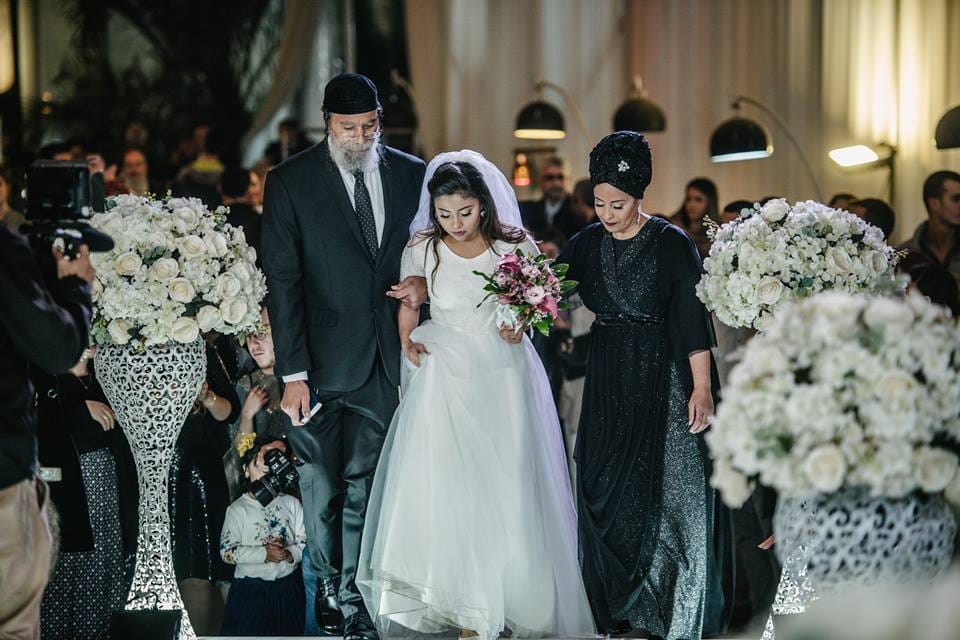
Chapter 13 — Weddings, Marriage and Family Traditions
Weddings reveal both cultural differences and shared concerns across northern communities.
Jewish weddings
Traditional Jewish weddings commonly take place beneath a chuppah.
Ceremonies may include blessings, a ketubah and the breaking of a glass.
Celebrations often involve music, dancing and meals.
Customs differ according to religious denomination and family background.
Muslim weddings
Muslim marriages involve religious and contractual elements, including the nikah.
Celebrations may include music, family gatherings and traditional dancing.
Dabke is associated with many Arab celebrations.
Christian weddings
Christian ceremonies follow the traditions of the couple's denomination.
Church services may be followed by family celebrations involving food, music and dancing.
Druze and Circassian weddings
Druze marriages are shaped by religious and communal traditions.
Circassian celebrations may include distinctive music, dance and customary practices.
Changing expectations
Education, employment and housing costs influence when people marry.
Some couples prefer smaller celebrations.
Others regard large gatherings as important expressions of family identity.
The meaning of marriage continues to evolve across communities.
Chapter 14 — Women, Education and Social Change
The experiences of women in northern Israel differ according to education, religion, geography, family background and economic circumstances.
No single description represents women from any one community.
Education and employment
Women pursue careers in healthcare, education, business, technology and public administration.
Higher education can provide opportunities for professional development.
However, childcare, transportation, discrimination and employment availability may influence choices.
Urban and rural differences
Women living in Haifa may have easier access to universities and major workplaces.
Those living in smaller villages may need to commute or relocate.
Extended family networks can sometimes provide childcare support.
Religion and personal choices
Religious observance may influence clothing and social expectations.
Some Muslim women wear hijab, while others do not.
Some Jewish women follow modest dress traditions.
Christian, Druze and Circassian women also make choices influenced by individual beliefs and family environments.
Clothing alone does not reveal a woman's education, independence or ambitions.
Family responsibilities
Some households maintain traditional divisions of domestic responsibilities.
Others organise childcare and employment differently.
Economic pressures and changing expectations affect both women and men.
Cultural preservation
Women often contribute to preserving family recipes, languages and religious traditions.
However, cultural preservation is a shared responsibility involving families, educators and community organisations.
The next generation
Young women increasingly encounter different opportunities through education, professional employment and digital communication.
Some seek careers outside their hometowns.
Others establish local businesses.
For many, the challenge is not choosing between tradition and modernity, but determining how both can fit into their lives.
Chapter 15 — Childhood, Language and Education
Children in northern Israel grow up within different linguistic, religious and educational environments.
Hebrew and Arabic
Many Jewish children attend Hebrew-language schools.
Arab children commonly attend Arabic-language schools.
Some institutions offer bilingual or shared educational programmes.
Religious education
Some Jewish schools emphasise religious study.
Other schools provide more secular programmes.
Muslim and Christian children may receive religious education through families, schools or community institutions.
Druze cultural identity is transmitted through family and community relationships.
Circassian language
Circassian communities work to preserve their heritage language.
For smaller cultural groups, language education can be essential to maintaining identity.
Technology and young people
Young people across northern Israel use smartphones, social media and digital entertainment.
International trends cross cultural boundaries.
Yet school environments, family expectations and religious calendars may differ.
Higher education
Students from smaller communities may travel or relocate for university.
Some return after graduation.
Others establish careers elsewhere.
Housing, employment and transportation influence these decisions.
Shared parental concerns
Parents across communities consider similar questions.
Will their children receive a good education?
Will employment opportunities be available?
Can young adults afford housing?
How can families preserve meaningful traditions while preparing children for contemporary society?
These concerns connect communities whose histories differ.
Chapter 16 — Work, Agriculture and the Northern Economy
Northern Israel's economy reflects its varied geography.
Haifa
Haifa is an important centre of higher education, healthcare, industry and technology.
Its institutions attract students and professionals from across the region.
Akko
Tourism supports restaurants, accommodation providers and cultural attractions.
The wider city also contains modern commercial and professional employment.
Nazareth
Religious tourism contributes to the local economy.
Residents also work in healthcare, education, commerce and other professions.
Safed
Religious institutions, art galleries and tourism businesses contribute to local economic activity.
Galilee
Olive groves, orchards, vineyards and other agricultural enterprises remain important in parts of the region.
Some businesses combine farming with tourism.
The Golan Heights
Agriculture, wineries and rural tourism contribute to the economy.
Seasonal weather, market conditions and security restrictions can affect livelihoods.
Shared challenges
Housing affordability, transportation and access to employment are important concerns.
Smaller communities may struggle to retain young professionals.
These challenges influence the region's future across cultural boundaries.
Chapter 17 — Conflict and the Disruption of Ordinary Life
Northern Israel's proximity to Lebanon and Syria has made security a recurring concern.
Periods of hostilities have affected homes, schools, businesses and agricultural enterprises.
Following the regional escalation after October 7, 2023, communities near the Lebanese border experienced evacuations and prolonged disruption.
Families leaving home
Displacement can affect almost every part of family life.
Children may have to attend unfamiliar schools.
Parents may lose access to workplaces.
Older residents may be separated from established community networks.
Temporary accommodation can create financial and emotional pressures.
Education
School disruption affects academic progress and social relationships.
Children may lose contact with familiar teachers and friends.
Educational and psychological support can be important during prolonged uncertainty.
Agriculture and tourism
Farmers may face difficulties accessing land during security restrictions.
Tourism businesses can experience cancellations.
Restaurants, hotels and shops may lose income.
Economic recovery can continue after immediate hostilities decrease.
Different experiences
The consequences of insecurity are not identical across northern Israel.
Some communities have experienced direct attacks or evacuation.
Others have faced indirect economic disruption.
Residents also hold different political opinions and interpretations of regional events.
It would be wrong to assume that all Jewish, Arab or Druze residents share one perspective.
The importance of local reporting
Military and government reports provide information about security developments.
But they cannot fully describe the experiences of ordinary residents.
Farmers, teachers, parents, healthcare workers and business owners may understand the consequences of the same events differently.
First-hand interviews can reveal how conflict affects family life, education, employment and cultural traditions.
Chapter 18 — What Northern Israel Reveals About Identity
Northern Israel demonstrates that identity is influenced by several overlapping factors.
Religion matters, but it is not the only influence.
Language, family history, geography, education, employment and individual choices also shape everyday life.
A Jewish family in Haifa may organise its week differently from an observant Jewish family in Safed.
A Christian family in Nazareth may maintain traditions different from those of a Muslim family living nearby.
A Druze family in Majdal Shams may have a different citizenship history from a Druze family near Mount Carmel.
A Circassian family in Kfar Kama may preserve cultural traditions originating in the Caucasus while participating in modern Israeli society.
These differences reveal why broad categories can be misleading.
Tradition does not necessarily mean isolation.
People may maintain religious customs, prepare inherited recipes and preserve heritage languages while pursuing university education and professional careers.
Modern life does not automatically erase identity.
Urban employment and digital technology can coexist with religious holidays and close family relationships.
Shared experiences do not eliminate historical differences or political disagreements.
They demonstrate that everyday life is more complicated than a single label can explain.
Conclusion — Beyond the Mountains, Beyond the Headlines
Northern Israel cannot be understood through one religion, one language or one cultural tradition.
Its landscape stretches from Mediterranean port cities to agricultural valleys, religious centres, volcanic plateaus and mountain communities.
Haifa offers a modern urban environment shaped by universities, hospitals, industry and cultural diversity.
Akko combines historic architecture and Mediterranean heritage with contemporary neighbourhood life.
Galilee contains Jewish, Muslim, Christian, Druze and Circassian communities whose traditions reflect different histories.
Nazareth brings together Christian religious significance, Palestinian Arab cultural identity and modern city life.
Safed remains associated with Jewish religious scholarship while supporting artistic and professional communities.
The Golan Heights combine agriculture, Israeli settlements, Druze towns and a disputed political history.
Mount Hermon introduces a mountain environment where seasonal weather and local traditions influence everyday routines.
Yet none of these places can be understood through one identity.
Within every community, individuals differ in religious observance, education, income, family expectations and personal choices.
Some preserve customs closely connected to earlier generations.
Others reinterpret those customs or adopt different lifestyles.
Many combine cultural heritage with contemporary professional ambitions.
The experiences of women, children, students, farmers, business owners and older residents reveal how identity is lived rather than merely described.
Understanding northern Israel therefore requires attention to both the traditions that distinguish communities and the ordinary experiences that connect them.
It also requires acknowledging history, political disagreement, inequality and social change.
Beyond the mountains, beyond the borders and beyond the headlines, northern Israel is home to people whose lives are shaped by overlapping histories and identities.
Their stories reveal a region far more varied than any single description can capture.
Beyond the Lines — Independent Journalism. Beyond the Headlines.
Sources and Further Reading
- UNESCO World Heritage Centre — Old City of Acre
https://whc.unesco.org/en/list/1042 - UNESCO World Heritage Centre — Bahá'í Holy Places in Haifa and the Western Galilee
https://whc.unesco.org/en/list/1220 - United Nations Security Council — Resolution 497 (1981)
https://www.un.org/unispal/document/auto-insert-180751/ - Israel Central Bureau of Statistics — Population, Society and Regional Statistics
https://www.cbs.gov.il/en/ - Encyclopaedia Britannica — Galilee
https://www.britannica.com/place/Galilee-region-Israel - Encyclopaedia Britannica — Druze
https://www.britannica.com/topic/Druze - Encyclopaedia Britannica — Golan Heights
https://www.britannica.com/place/Golan-Heights - University of Haifa — Education and Research
https://www.haifa.ac.il/ - Technion — Israel Institute of Technology
https://www.technion.ac.il/en/ - Israel Nature and Parks Authority — Heritage and Landscapes
https://en.parks.org.il/ - Bahá'í International Community — Religious History and Heritage
https://www.bahai.org/