Iran's Shadow Across the Middle East
An in-depth examination of Iran's regional influence, armed networks, political ambitions and the human cost of decades of conflict across the Middle East.
Power, Proxy Networks, Religious Ideology and the Human Cost of Regional Conflict
Beyond the Lines | Middle East, Geopolitics, History & International Security
Short Story — A Region That Cannot Escape the Shadow of War
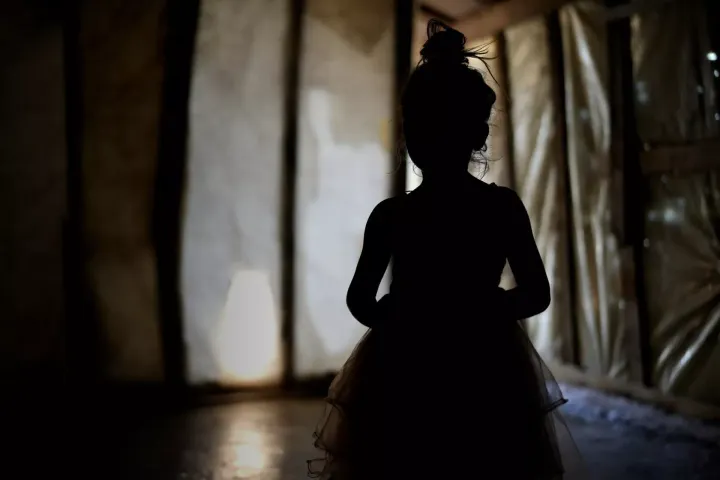
In Tehran, a mother sits at her kitchen table, calculating whether she has enough money to buy food for her family.
The cost of living has increased. Her savings have lost value. The future she once imagined for her children feels increasingly uncertain.
In Lebanon, another mother looks at the damaged buildings surrounding her neighbourhood and wonders whether her family will ever experience lasting peace.
In northern Israel, a family remembers the fear of having to leave its home because of cross-border hostilities.
In Gaza, a father searches for somewhere safe for his children, surrounded by destruction and uncertainty.
In Yemen, a young girl grows up in a country where conflict, hunger and political instability have shaped much of her childhood.
In the Kurdish regions of Iran, a young woman wonders whether expressing her identity and demanding fundamental freedoms could place her life in danger.
These people speak different languages.
They belong to different religious communities.
They have different histories, national identities and political perspectives.
They may never meet.
Yet their lives have been affected by overlapping conflicts, regional rivalries and political decisions made far beyond their immediate surroundings.
For decades, the Iranian government has invested in expanding its influence throughout the Middle East. It has developed relationships with armed organisations, supported political movements and pursued a security strategy that extends far beyond its national borders.
Iran's adversaries have responded with sanctions, military operations, diplomatic pressure and regional alliances.
The consequences cannot be attributed to a single government or organisation. Each conflict has its own history, causes and responsibilities.
But ordinary people repeatedly find themselves caught between competing visions of power.
Governments speak about national security.
Armed organisations speak about resistance.
World leaders speak about deterrence.
Religious authorities speak about sacrifice.
Yet the mother sitting at her kitchen table is thinking about something much simpler.
She wants her children to have a future.
She wants them to receive an education, find employment and grow up without constantly fearing the consequences of another political confrontation.
She does not want her country's identity to be defined by hostility.
She does not want religion to become a justification for violence.
And she does not want another generation to inherit a conflict it never chose.
Behind every geopolitical strategy stands a human reality.
Behind every military confrontation are families.
Behind every political ambition are people who must live with the consequences.
Understanding Iran's regional influence means understanding not only the power of its government, but also the lives affected by the struggle for that power.
Editorial note: This opening is an illustrative narrative reflecting documented circumstances across the region. It does not represent interviews with specific individuals.
Introduction — Understanding Iran Beyond Its Borders
Iran is one of the most historically significant countries in the Middle East.
Its civilisation has contributed to philosophy, literature, architecture, medicine, science and international trade for thousands of years.
Its population represents a diverse collection of ethnic, linguistic, cultural and religious communities.
Yet in contemporary international affairs, Iran is frequently discussed through a different collection of subjects: nuclear developments, economic sanctions, armed organisations, military confrontations and regional instability.
Since the Islamic Revolution of 1979, the Islamic Republic has developed a foreign policy combining revolutionary religious ideology, national security calculations and ambitions for regional influence.
Rather than relying exclusively on conventional diplomacy and military power, Tehran has cultivated relationships with political and armed movements across the Middle East.
These relationships extend into Lebanon, Gaza, Iraq, Syria and Yemen.
Some organisations maintain extensive ideological and institutional connections with the Iranian government. Others cooperate with Tehran while retaining significant local autonomy.
Together, they have formed part of what Iranian officials and allied movements describe as the Axis of Resistance.
Iran presents this network as a mechanism for resisting foreign interference, supporting the Palestinian cause and protecting itself against external threats.
Israel, the United States and several regional governments regard important elements of the same network as sources of terrorism, political instability and threats to national sovereignty.
The regional developments between 2023 and 2026 have placed significant pressure on Iran's ability to maintain this influence.
The fall of Bashar al-Assad's government in Syria in December 2024, the weakening of several Iranian-backed organisations and direct military confrontations involving Iran, Israel and the United States have altered the regional balance of power.
Hostilities that began on 28 February 2026 further exposed the dangers of a confrontation extending beyond traditional proxy relationships.
At the same time, Iran's domestic situation has become increasingly concerning.
United Nations investigators have documented serious repression, discrimination, arbitrary detention and allegations of crimes against humanity connected to the nationwide protests that began in December 2025.
The Iranian population is therefore confronting multiple challenges simultaneously: economic hardship, political repression and the consequences of international conflict.
Understanding these developments requires an essential distinction.
Iran is not its government alone.
The Iranian people are not the Islamic Revolutionary Guard Corps.
Persian culture is not synonymous with revolutionary political ideology.
And Islam is not represented exclusively by the interpretation promoted by Iran's religious establishment.
This article examines the historical development of Iranian regional influence, the organisations involved, the financial and political structures behind that influence, and the consequences for ordinary people.
Chapter 1 — The Iran That Existed Before 1979
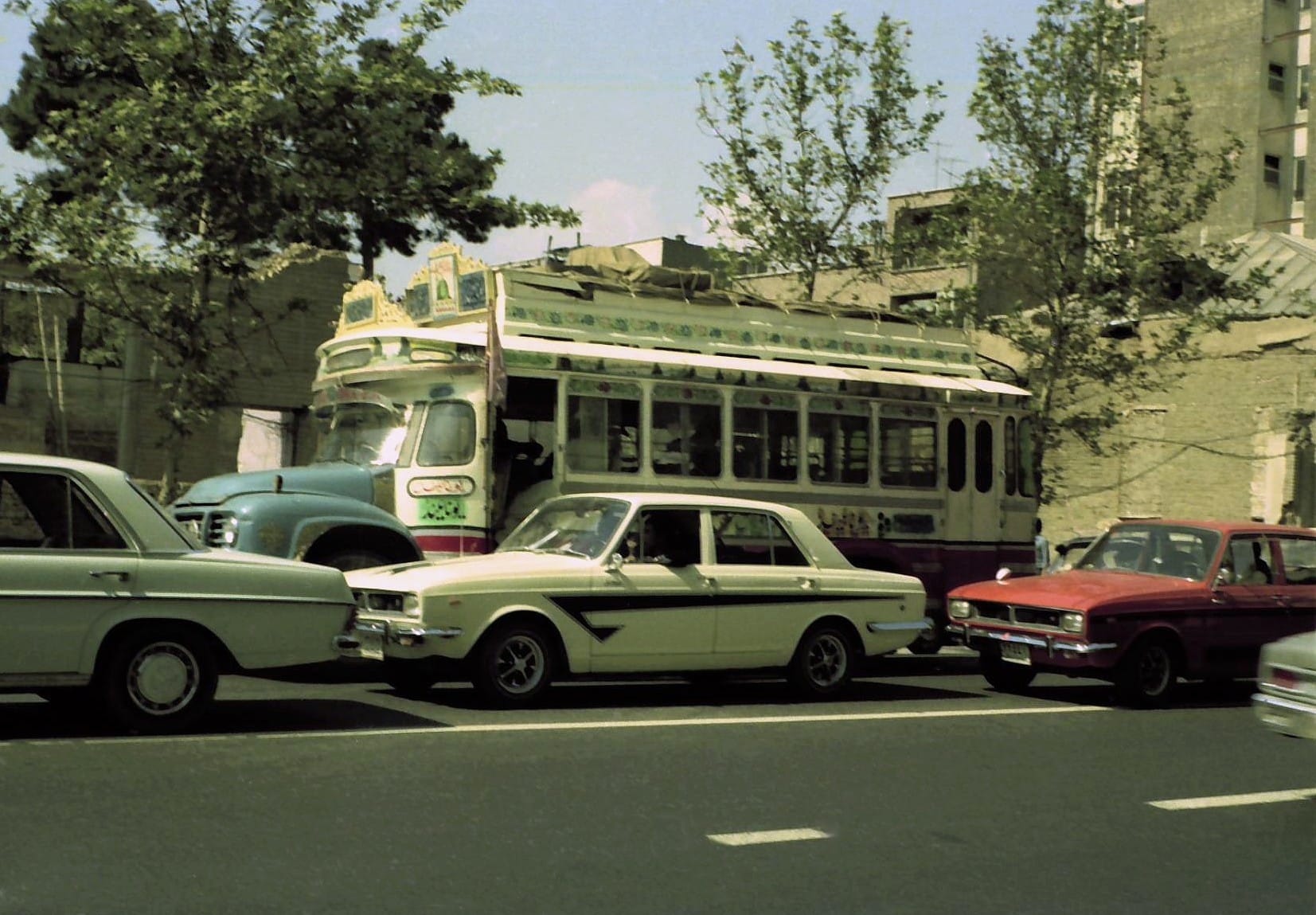
To understand contemporary Iran, it is necessary to look beyond the Islamic Revolution.
Iran's history extends thousands of years into the past.
Ancient Persia was home to powerful empires, sophisticated administrative systems and extensive cultural and commercial networks.
The Achaemenid Empire, established under Cyrus the Great in the sixth century BCE, became one of the most extensive empires of the ancient world.
Persian literature, poetry, philosophy and architecture subsequently influenced societies across Central Asia, the Middle East and the wider Islamic world.
Iranian identity developed through a complex interaction between ancient traditions, Islam, regional cultures and different ethnic communities.
It cannot be reduced to the ideology of any modern government.
The Pahlavi Era
From 1925 until 1979, Iran was governed by the Pahlavi dynasty.
Under Reza Shah Pahlavi and later his son, Mohammad Reza Pahlavi, Iran pursued programmes of centralisation, industrialisation and modernisation.
Educational institutions expanded.
Infrastructure developed.
Women gained access to new professional opportunities, and in 1963 they received voting rights.
Urban centres experienced significant social and economic transformation.
However, these developments existed alongside considerable political repression.
Opposition movements faced restrictions. The security apparatus, including SAVAK, became associated with surveillance, imprisonment and the mistreatment of political opponents.
Economic inequality and concerns about foreign influence generated additional dissatisfaction.
The 1953 Coup
In 1951, Prime Minister Mohammad Mossadegh pursued the nationalisation of Iran's oil industry.
The decision challenged British economic interests and contributed to an international confrontation.
In August 1953, an operation supported by American and British intelligence helped remove Mossadegh from power.
The coup strengthened the position of the Shah and became a lasting source of distrust towards Western involvement in Iranian affairs.
Its historical significance remains central to understanding Iranian political attitudes.
Criticism of the Islamic Republic should not erase the history of foreign intervention that preceded it.
A Society Divided Over Its Future
By the late 1970s, opposition to the Shah brought together religious conservatives, intellectuals, students, nationalists, socialists and other political movements.
These groups did not necessarily share the same vision for Iran's future.
Some wanted greater democracy.
Others sought stronger religious authority.
Many opposed political repression, social inequality or Western influence.
The revolution that followed was therefore supported by a diverse coalition.
The political system that emerged, however, would increasingly concentrate authority within a religious establishment.
Chapter 2 — The Islamic Revolution: A Turning Point in History
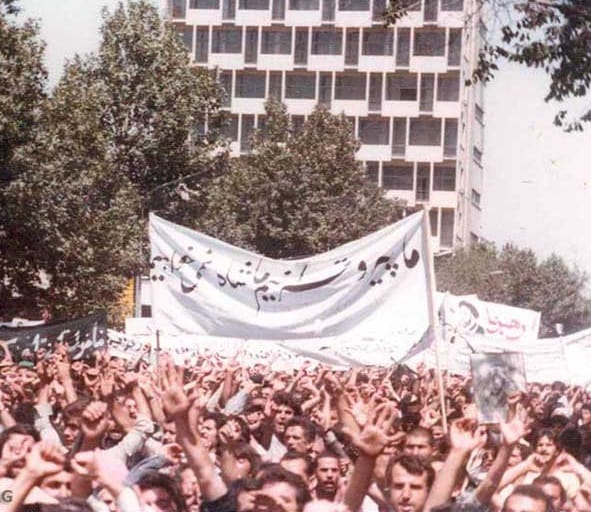
In February 1979, the Iranian monarchy collapsed.
Ayatollah Ruhollah Khomeini returned from exile and became the central figure in the establishment of the Islamic Republic.
The revolution represented more than a change of government.
It fundamentally transformed Iran's political institutions, international relationships and understanding of its role in the world.
The Establishment of Religious Authority
The new constitutional system introduced the doctrine of Velayat-e Faqih, generally translated as the guardianship of the Islamic jurist.
Under this framework, the Supreme Leader occupies a dominant position within the political structure.
Elected institutions, including the presidency and parliament, operate alongside unelected bodies possessing significant authority over political participation, legislation and national security.
Candidate vetting and restrictions on political opposition limit the range of available electoral choices.
The system combines republican institutions with religious oversight.
The Export of Revolutionary Ideology
The revolution's leadership promoted the idea that the transformation taking place in Iran should have significance beyond its borders.
The Islamic Republic positioned itself in opposition to American influence, Israel and governments it regarded as aligned with Western interests.
Supporting movements elsewhere became part of its international identity.
This ambition was not purely religious.
It also became connected to national security, regional competition and the pursuit of geopolitical influence.
The Iran-Iraq War
In September 1980, Iraq invaded Iran, beginning a devastating war that lasted until 1988.
The conflict reinforced Iranian perceptions of vulnerability.
The support Iraq received from various foreign governments contributed to Tehran's belief that it could not rely on existing international security arrangements.
The war also strengthened the institutions that would become increasingly influential in Iran's military and political structures.
Among them was the Islamic Revolutionary Guard Corps.
The experience of invasion helped shape Iran's subsequent preference for developing allied networks outside its own territory.
For Tehran, projecting influence abroad became associated with preventing strategic isolation at home.
Chapter 3 — The Islamic Revolutionary Guard Corps
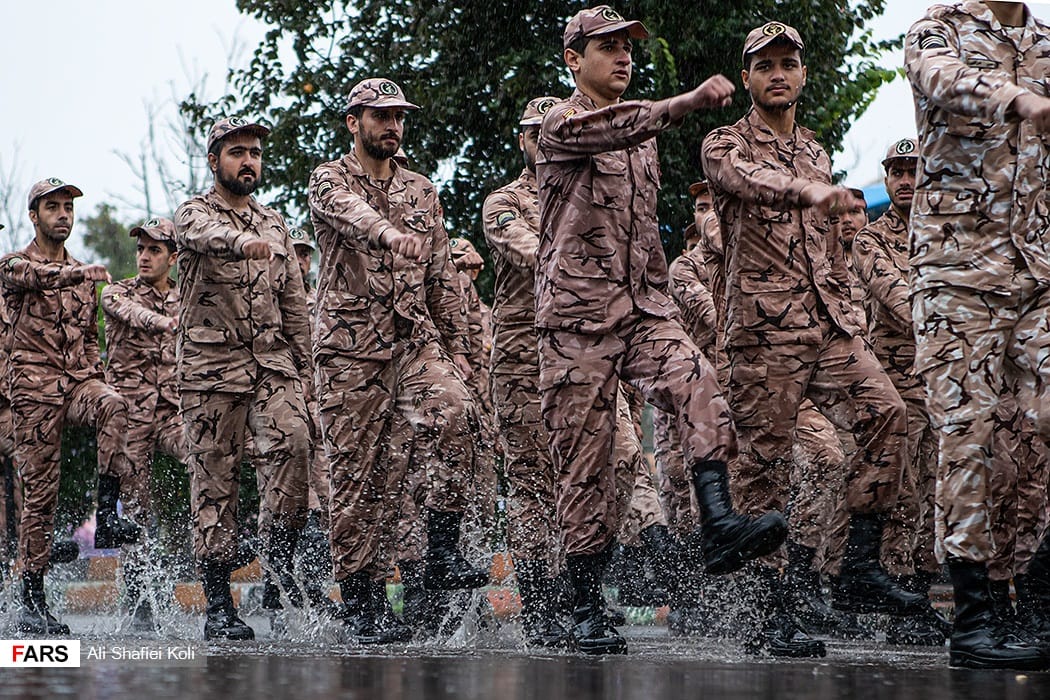
The Islamic Revolutionary Guard Corps, commonly known as the IRGC, was established in 1979 to protect the Islamic Revolution.
It developed alongside Iran's conventional armed forces but maintained a distinct institutional identity.
Its responsibilities have expanded considerably since its creation.
A Military and Political Institution
The IRGC is not simply a conventional military organisation.
It occupies an important position within Iran's security establishment and has developed significant influence in domestic politics and economic activity.
Its institutional responsibilities include protecting the political system, contributing to national defence and supporting Iran's regional security objectives.
The Basij, a mobilisation organisation operating under IRGC authority, has also played a role in domestic security and the suppression of dissent.
Human rights organisations and United Nations investigators have documented serious abuses attributed to Iranian security institutions, including actions connected to protest movements.
Economic Influence
Over time, institutions associated with the Revolutionary Guard have expanded into sectors including construction, energy, telecommunications and infrastructure.
The involvement of military-linked organisations in commercial activity raises questions concerning transparency, accountability and competition.
The exact scale of the IRGC's economic influence is difficult to establish independently.
Different estimates use different definitions of institutional ownership, indirect control and affiliated commercial activity.
Nevertheless, its economic position represents an important source of institutional power.
International Designations
The United States designated the IRGC as a Foreign Terrorist Organization in April 2019.
Canada also listed the IRGC as a terrorist entity in June 2024.
Other governments have imposed sanctions on the organisation, its officials and affiliated entities under different legal frameworks.
These designations reflect particular national legal decisions and should not be confused with a universal international classification.
The Iranian government rejects the terrorism designation and presents the IRGC as a legitimate military institution responsible for national defence.
Understanding the organisation requires examining both its official constitutional role and the documented activities that have led foreign governments to impose restrictions.
Chapter 4 — The Quds Force and Iran's Regional Strategy
Within the Revolutionary Guard, the Quds Force has historically played a central role in Iran's international military relationships.
It has been associated with cooperation involving allied governments, political movements and non-state armed organisations.
Influence Beyond National Borders
Iran's relationships with regional organisations have allowed Tehran to participate in conflicts and political developments without always deploying its conventional armed forces directly.
These relationships differ considerably.
Some organisations share religious and revolutionary commitments with Iranian leaders.
Others cooperate primarily because they possess overlapping political or military objectives.
The Quds Force has been identified by foreign governments and independent analysts as an important institution coordinating Iranian support.
Qasem Soleimani and the Development of Regional Networks
For more than two decades, Qasem Soleimani was one of the most influential figures associated with Iran's regional security strategy.
His role involved maintaining relationships with allied organisations and supporting Iran's position in regional conflicts.
Soleimani was killed in a United States military strike in Baghdad in January 2020.
The Iranian government regarded him as a national military figure, while the United States accused him of responsibility for activities that threatened American personnel and regional security.
His death demonstrated how Iran's regional relationships could generate direct confrontation between states.
However, the institutions and relationships through which Iran projected influence continued beyond his leadership.
The Limitations of Influence
Iran's ability to support an organisation does not necessarily mean it controls every decision made by that organisation.
Local political circumstances, leadership rivalries, economic interests and national identities influence how armed groups behave.
This distinction becomes particularly important when determining responsibility for specific incidents.
Evidence that Iran has provided financial or military assistance does not automatically establish that Tehran directed every subsequent action.
Journalistic and legal assessments must distinguish between support, coordination, influence and operational responsibility.
Chapter 5 — The Axis of Resistance: A Network of Influence
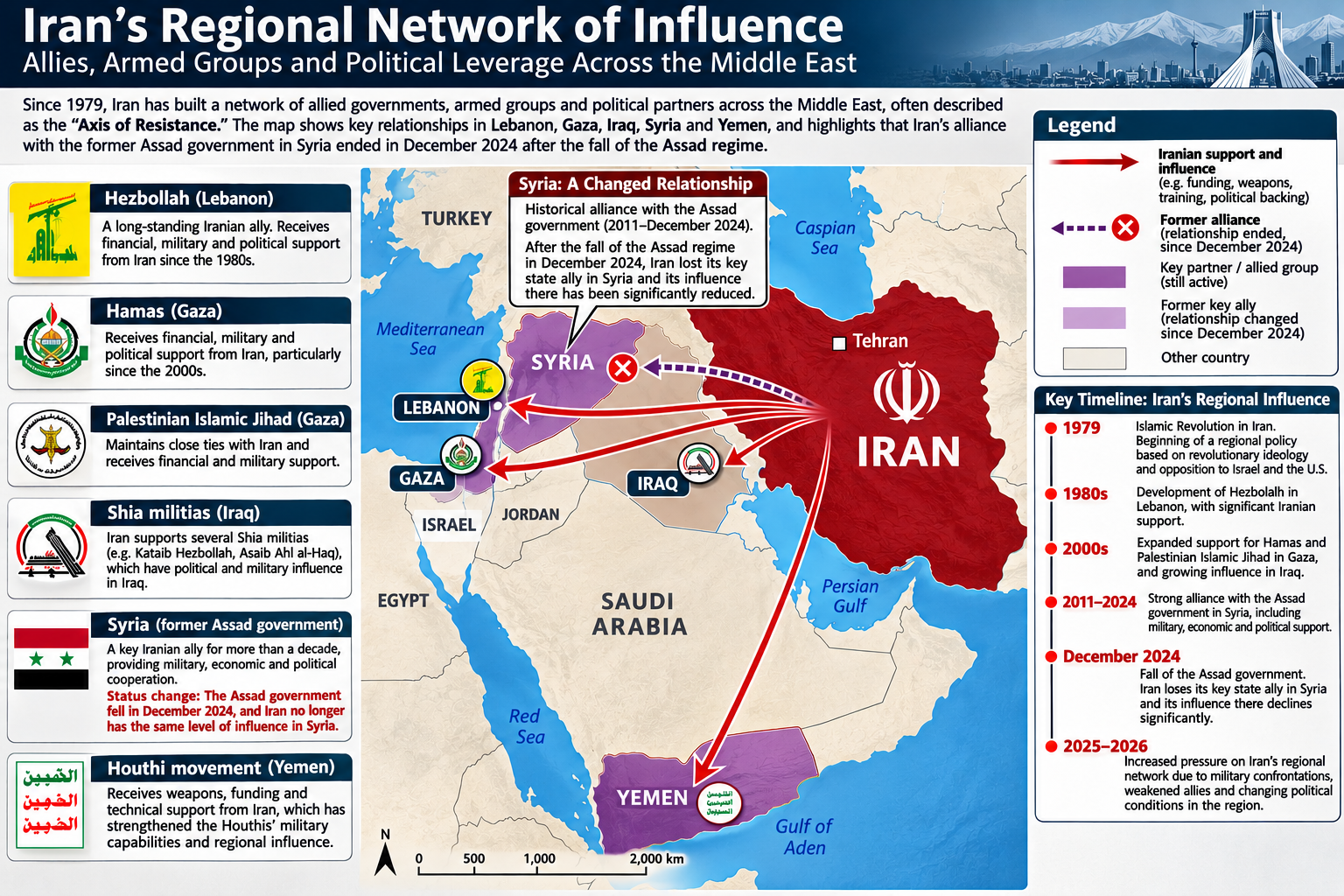
The expression Axis of Resistance describes a collection of governments, political movements and armed organisations that have shared opposition to Israel and American regional influence.
Iran has been its most important state supporter.
However, it is not a conventional military alliance with a single membership structure or a universally established chain of command.
The Principal Regional Relationships
Historically, the network has included:
Lebanon: Hezbollah, a political and armed organisation with extensive historical connections to Iran.
Gaza: Hamas and Palestinian Islamic Jihad, both of which have received Iranian support despite theological and organisational differences.
Iraq: Various armed factions, including organisations associated with Iran and operating within or alongside Iraqi security structures.
Yemen: Ansar Allah, commonly known as the Houthis, whose relationship with Iran developed in the context of Yemen's internal conflict.
Syria: The former government of Bashar al-Assad, which maintained a longstanding alliance with Tehran before its collapse in December 2024.
A Shared Enemy, Different Objectives
Hezbollah emerged within Lebanon's particular political and military circumstances.
Hamas developed within the Palestinian Islamist movement.
The Houthis originated in Yemen's Zaydi religious and political environment.
Iraqi armed organisations emerged from a variety of historical, religious and security developments.
Their relationships with Iran do not erase these local origins.
Nevertheless, cooperation has allowed otherwise distinct organisations to reinforce shared political objectives and place pressure on common adversaries.
A Network Under Pressure
Conflicts between 2023 and 2026 exposed significant weaknesses in this system.
Military confrontations, leadership losses, political changes and demands for disarmament have affected several Iranian-backed organisations.
The collapse of the Assad government represented a particularly significant disruption.
However, weakening an organisation militarily does not necessarily eliminate its political influence, social support or capacity to reorganise.
The future of the network depends on developments within each country as well as decisions made in Tehran.
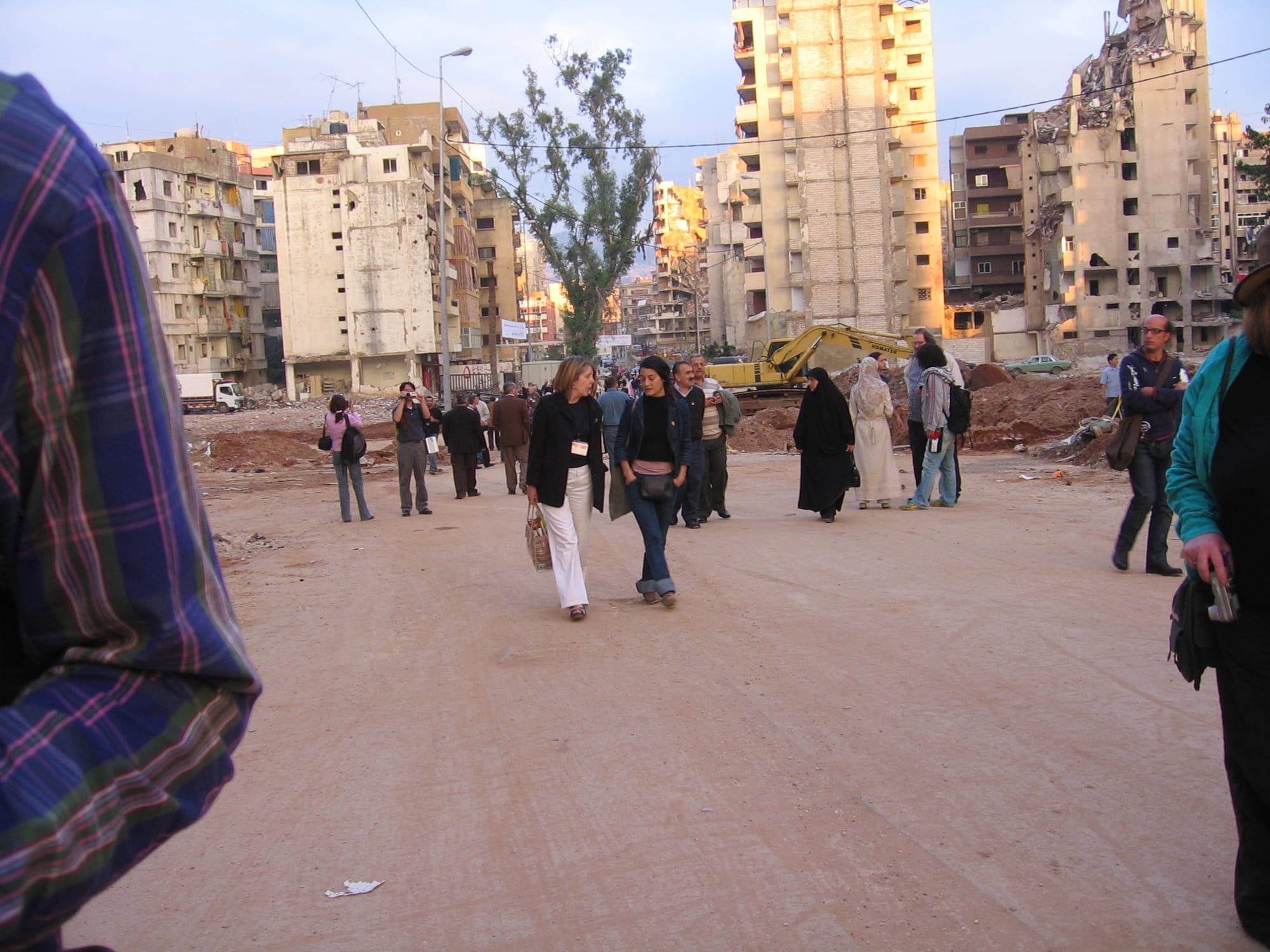
Chapter 6 — Hezbollah and Iran's Influence in Lebanon
Hezbollah emerged during the early 1980s, when Lebanon was experiencing civil war and Israeli military intervention.
Iran played a significant role in supporting the movement's development.
Over time, Hezbollah became one of the most influential organisations in Lebanon.
More Than an Armed Organisation
Hezbollah has participated in parliamentary politics, established social institutions and developed relationships within Lebanese communities.
Its influence therefore cannot be understood exclusively through its military activities.
For some supporters, Hezbollah represents resistance to Israel, protection of Lebanese sovereignty and access to social services.
For critics, its independent military capabilities undermine the authority of the Lebanese state and expose civilians to conflicts determined outside ordinary democratic institutions.
Both perspectives form part of Lebanon's internal political debate.
International Terrorism Designations
The United States, United Kingdom and several other governments designate Hezbollah as a terrorist organisation.
The European Union has designated its military wing.
These different approaches reflect distinctions made within national and regional legal frameworks.
The Question of Lebanese Sovereignty
A central issue concerns whether an armed organisation should maintain military authority outside the effective control of Lebanon's government.
Hezbollah argues that its military capabilities are necessary for resistance and national protection.
Its opponents argue that decisions concerning war and peace should belong to nationally accountable institutions.
United Nations Security Council resolutions, including Resolutions 1559 and 1701, address the disarmament of armed groups and the security arrangements necessary for Lebanese sovereignty and regional stability.
The Civilian Consequences
Repeated hostilities between Hezbollah and Israel have affected communities on both sides of the border.
Lebanese civilians have experienced displacement, damage to infrastructure and economic losses.
Israeli communities have also faced displacement, insecurity and disruption of ordinary life.
Questions concerning the conduct of military operations, civilian protection and responsibility under international humanitarian law apply to all parties.
Lebanon's future remains closely connected to its ability to strengthen national institutions and establish an accountable framework for security.
Chapter 7 — Hamas, Palestinian Islamic Jihad and Iranian Support
Iran's relationships with Palestinian armed organisations demonstrate that its regional policy is not restricted to Shia Islamic movements.
Hamas and Palestinian Islamic Jihad originate within Sunni Islamist traditions.
Their cooperation with Tehran has developed around overlapping political objectives, particularly opposition to Israel.
Hamas
Hamas was founded in 1987 during the First Intifada.
It developed political, religious, social and military structures.
In 2006, Hamas won Palestinian legislative elections.
Following violent conflict with Fatah in 2007, it established control over Gaza.
The United States, European Union, United Kingdom and several other governments designate Hamas as a terrorist organisation.
Iran has provided support to Hamas over an extended period, although their relationship has experienced disagreements and fluctuations.
Different positions concerning the Syrian civil war previously created significant tension between Hamas and Tehran.
This history illustrates that their relationship is not based on complete ideological agreement or unconditional obedience.
Palestinian Islamic Jihad
Palestinian Islamic Jihad maintains a longstanding relationship with Iran.
Unlike Hamas, it has generally focused more heavily on armed confrontation and has not exercised comparable governmental authority in Gaza.
It is designated as a terrorist organisation by the United States, European Union and other governments.
October 7 and the Regional Consequences
The Hamas-led attack on Israel on 7 October 2023 resulted in mass civilian suffering, hostage-taking and the subsequent war in Gaza.
Iran's longstanding support for Hamas became an important subject of international investigation and political debate.
However, evidence of that relationship should not be presented automatically as proof that Iranian leaders planned or directly authorised the attack.
The subsequent war caused extensive devastation and displacement among Gaza's civilian population.
International debates concerning responsibility encompass the conduct of Hamas, Israeli military operations, the treatment of hostages, humanitarian access and obligations under international humanitarian law.
The Palestinian Population Is Not Hamas
It is essential to distinguish Palestinian civilians from armed organisations operating within Palestinian territories.
Palestinians possess diverse political opinions, religious identities and personal experiences.
Their rights and dignity do not depend on their relationship with Hamas or any other political movement.
The legitimate humanitarian needs and national aspirations of Palestinians should not be confused with the objectives of organisations receiving Iranian support.
Likewise, criticism of Hamas cannot justify collective punishment or hostility towards Palestinians.
Chapter 8 — The Houthis and the Conflict in Yemen
Yemen's conflict represents another important dimension of Iran's regional relationships.
However, reducing Yemen's history to a confrontation between Iran and Saudi Arabia would overlook the country's internal divisions and political developments.
The Origins of the Houthi Movement
The Houthis emerged from Yemen's Zaydi religious and political environment.
Their movement developed in the context of disputes concerning political representation, regional marginalisation and the authority of Yemen's central government.
In 2014, the Houthis took control of Sana'a.
The following year, a Saudi-led military coalition intervened in support of Yemen's internationally recognised government.
The conflict subsequently developed into a prolonged humanitarian and political crisis.
Iranian Support
United Nations reporting and assessments by several governments have documented evidence of Iranian support for the Houthis.
The precise degree of Iranian influence over individual Houthi decisions remains debated.
The movement possesses its own leadership, local sources of authority and political objectives.
Its relationship with Tehran should therefore be understood as part of its development, rather than the exclusive explanation for its existence.
The Red Sea and International Trade
Following the outbreak of the Israel-Hamas war in 2023, Houthi attacks affecting international shipping increased regional tensions.
The Houthis presented their actions as support for Palestinians.
International governments condemned threats to maritime security and commercial navigation.
Disruptions to shipping have economic consequences extending far beyond the Middle East.
They affect transportation costs, international supply chains and access to essential goods.
Yemen's Humanitarian Reality
For ordinary Yemenis, the most immediate concerns often involve food, employment, healthcare and personal security.
Years of conflict have damaged public institutions and infrastructure.
The responsibility for Yemen's suffering cannot be assigned exclusively to one external power.
The conduct of the Houthis, the Saudi-led coalition, other Yemeni factions and international actors must all be examined.
Peace in Yemen requires more than addressing Iranian involvement.
It requires a political settlement capable of responding to Yemen's own divisions and humanitarian needs.
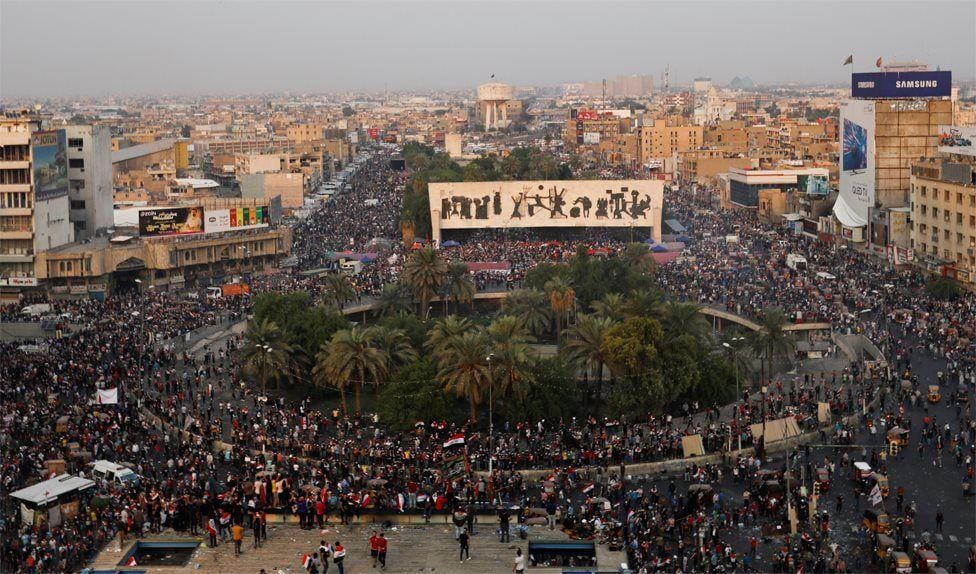
Chapter 9 — Iran's Influence in Iraq
Iran and Iraq share a long border, religious connections and a complicated history.
The devastating war between the two countries during the 1980s created an enduring legacy of trauma.
Following the United States-led invasion of Iraq in 2003 and the removal of Saddam Hussein, Iran gained new opportunities to develop relationships within Iraqi political and religious institutions.
Political Influence
Several Iraqi political movements maintain historical relationships with Iran.
Some Iraqi opposition figures lived in Iran during Saddam Hussein's government.
After 2003, changes in Iraq's political system allowed many previously excluded movements to participate in national institutions.
However, Iraqi Shia political identity should not be confused automatically with loyalty to Iran.
Many Iraqi politicians, religious authorities and citizens strongly defend their country's independence.
The Popular Mobilisation Forces
The rise of Islamic State in 2014 led to the mobilisation of numerous armed formations within Iraq.
Many subsequently became associated with the Popular Mobilisation Forces, known as the PMF or Hashd al-Shaabi.
The PMF contains diverse organisations with different origins, leadership structures and political relationships.
Some factions maintain extensive connections with Iran.
Others possess different religious, national or political commitments.
Although the PMF was incorporated into Iraq's formal security framework, questions remain regarding the effective accountability and autonomy of particular factions.
The Iraqi Demand for Independence
Iraqi protest movements have repeatedly expressed dissatisfaction with corruption, unemployment, weak public services and external political interference.
Some demonstrators have specifically opposed Iranian influence.
Others have criticised American involvement.
These protests demonstrate that Iraqi society cannot be understood solely through the interests of competing international powers.
For many Iraqis, the central objective is a sovereign state whose institutions respond to the needs of its own population.
Chapter 10 — Syria: The Rise and Disruption of Iranian Influence
Before the collapse of Bashar al-Assad's government, Syria represented one of Iran's most important regional alliances.
The relationship between Damascus and Tehran dated back to the early years of the Islamic Republic.
The Syrian Civil War
Following the outbreak of protests in Syria in 2011 and their escalation into armed conflict, Iran supported the Assad government.
Hezbollah and other Iran-backed organisations also participated in the conflict.
Their involvement contributed to the government's ability to survive for years despite extensive military and political opposition.
Iran presented its support as necessary to preserve an allied government, confront extremist organisations and defend regional security interests.
Critics accused Tehran of helping sustain a government responsible for extensive repression and human rights violations.
The Syrian war involved numerous domestic and international actors, including Russia, Turkey, the United States, Gulf governments, Kurdish-led forces and opposition organisations.
Each played a different role in shaping the conflict.
The Collapse of the Assad Government
In December 2024, Bashar al-Assad's government collapsed.
The development represented a major political transformation for Syria and a significant strategic setback for Iran.
For decades, Syria had provided Tehran with an important state-level relationship in the region.
Its loss disrupted established military, diplomatic and political connections.
Syria After Assad
The fall of a government does not automatically resolve the conflicts that developed under it.
Syria continues to face questions concerning national governance, minority protection, reconstruction and the relationship between different communities.
The rights of Kurds, Christians, Alawites, Druze and other groups remain central to discussions concerning the country's future.
A stable Syria requires institutions capable of protecting its diverse population rather than replacing one form of exclusion with another.
Iran's diminished influence may change the regional balance of power, but it does not independently guarantee peace or democratic governance.
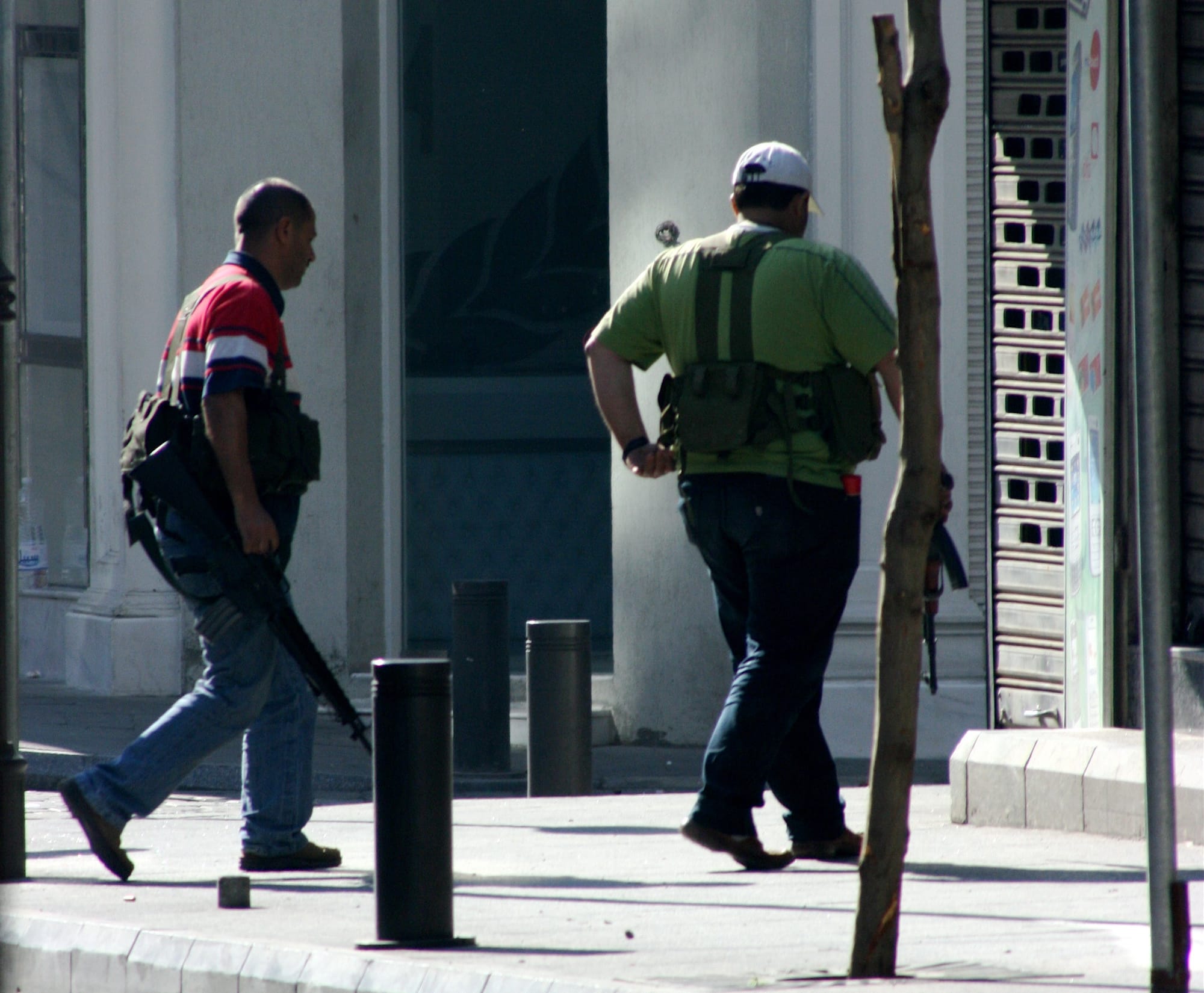
Chapter 11 — Following the Money: Financing Regional Armed Groups
One of the most difficult questions surrounding Iran's foreign policy concerns the financial cost of maintaining relationships with regional armed organisations.
Foreign governments have published estimates of Iranian assistance over many years.
However, establishing precise totals remains extremely difficult.
Historical Financial Estimates
American government assessments published before the most recent regional conflicts frequently estimated Iranian assistance to Hezbollah at hundreds of millions of dollars annually.
Historical estimates concerning Palestinian armed organisations included figures reaching approximately 100 million dollars annually across several groups.
These figures have been widely cited in discussions about Iranian financing.
They should nevertheless be treated as government intelligence estimates, not independently audited accounts.
They may also include different categories of assistance.
Financial and Material Support
Support can take different forms, including:
- Direct financial assistance.
- Military and technical assistance.
- Institutional cooperation.
- Training and logistical support.
- Commercial relationships.
- Assistance connected to political and social institutions.
Not all of these categories can be assigned reliable public monetary values.
Additionally, regional organisations may possess independent sources of funding.
The existence of Iranian support does not mean every part of their financial activity originates in Tehran.
Oil Revenues and the Iranian Economy
Iran possesses substantial oil and natural gas resources.
Revenue from energy exports represents an important component of its economy and state finances.
International sanctions have complicated access to financial markets and official trade relationships.
American authorities have imposed restrictions on individuals and commercial entities accused of financing Iranian military institutions and affiliated organisations.
However, tracing the full relationship between Iranian national revenues and particular foreign operations requires evidence that is not consistently available to the public.
Who Pays the Price?
The financial question becomes particularly important when considered alongside the domestic conditions experienced by Iranian citizens.
Inflation, currency depreciation, housing costs and employment difficulties affect households across the country.
Sanctions, domestic economic management, corruption, international conflict and structural economic problems all contribute to these conditions.
It would be misleading to attribute every economic difficulty exclusively to Iran's foreign policy.
Nevertheless, citizens are entitled to ask how national resources are allocated.
What proportion of public resources supports healthcare?
How much is invested in education?
How are military and foreign-policy expenditures supervised?
Who is responsible for ensuring financial accountability?
These are legitimate questions in any society.
The absence of transparent public accounting makes them particularly difficult to answer in Iran.
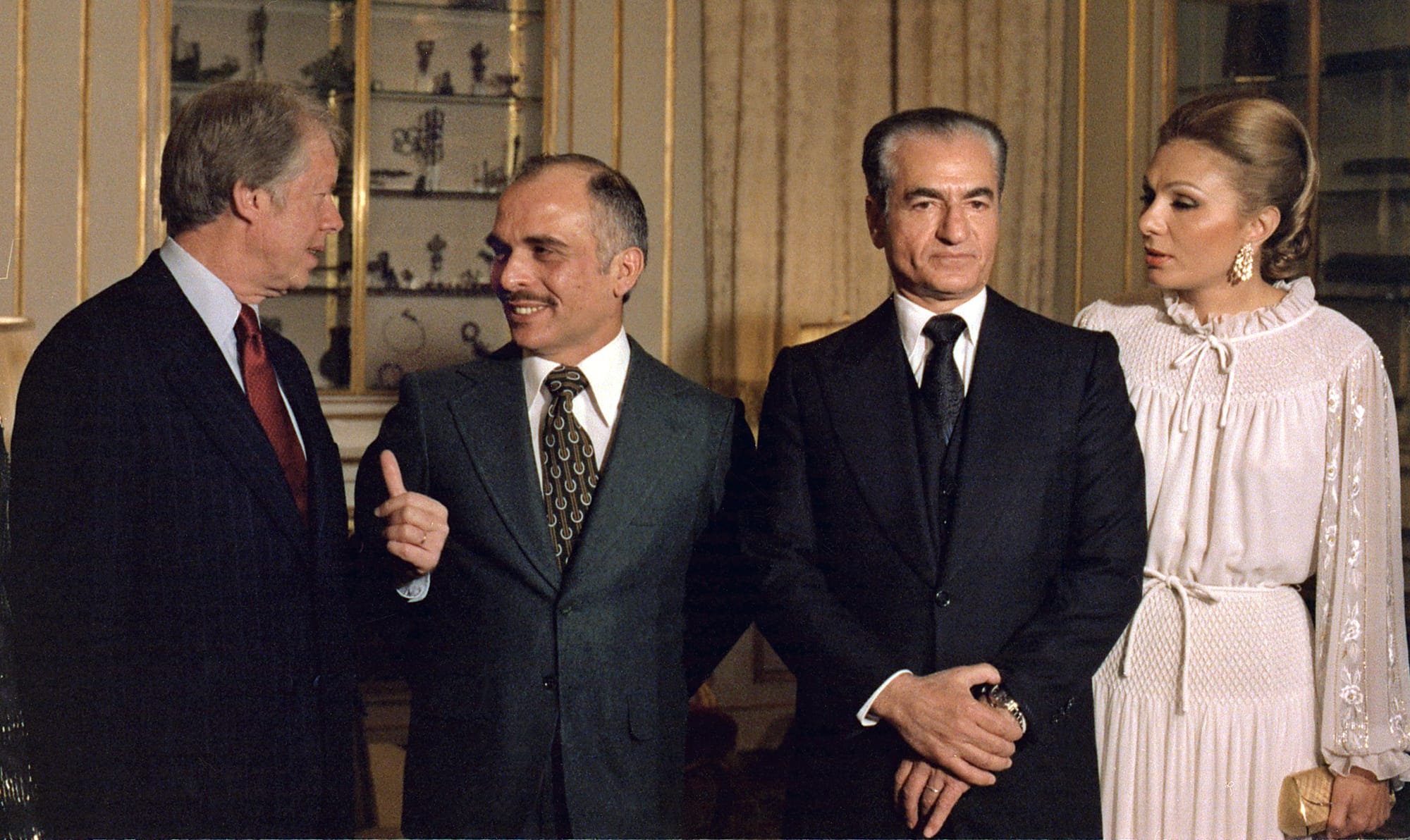
Chapter 12 — Iran and Israel: From Cooperation to Direct Confrontation
The relationship between Iran and Israel was not always characterised by hostility.
Before the Islamic Revolution, the two countries maintained significant informal relationships involving trade, intelligence and strategic cooperation.
Iran recognised Israel de facto in 1950, although their diplomatic relationship remained complex.
The revolution of 1979 fundamentally changed this relationship.
Ideological Hostility After 1979
The Islamic Republic rejected Israel's legitimacy and adopted support for the Palestinian cause as a central element of its foreign policy.
Iranian leaders have repeatedly employed hostile rhetoric concerning Israel.
Israeli governments have regarded Iran's support for armed organisations, military development and nuclear activities as significant national security threats.
The confrontation developed on several levels.
It involved regional alliances, intelligence activity, military pressure and diplomatic competition.
From Indirect to Direct Confrontation
For many years, substantial elements of the confrontation operated indirectly.
Iranian-backed organisations engaged in conflict with Israel.
Israel pursued measures intended to limit Iran's regional military influence.
During 2024, direct military exchanges between Iran and Israel demonstrated that the long-established pattern of indirect confrontation was becoming increasingly difficult to maintain.
In June 2025, direct hostilities escalated further, involving military action by Israel, Iran and the United States.
The 2026 Escalation
A further major escalation began on 28 February 2026.
The conflict involving Iran, Israel and the United States increased the risks facing civilian populations and regional infrastructure.
By the middle of 2026, parliamentary and international assessments described significant changes in Iran's military capacity and its ability to exercise regional influence.
Nevertheless, military pressure had not eliminated the broader political confrontation.
Diplomatic efforts and disagreements concerning regional security continued.
United Nations investigators subsequently raised serious concerns about civilian harm arising from the hostilities.
Security and International Law
Israel has a legitimate interest in protecting its population against attacks.
Iranian civilians possess the same fundamental right to protection.
Questions concerning the legality of military action must be assessed using the United Nations Charter and applicable international humanitarian law.
The legality of resorting to force and the legality of how military operations are conducted are related but distinct questions.
Security concerns do not remove the obligation to distinguish between civilians and military objectives.
Nor do they remove the requirements concerning proportionality and precautions.
The security of one population should not depend on denying the humanity of another.
Chapter 13 — Iran's Nuclear Programme and International Security
Iran's nuclear programme remains one of the most consequential subjects in international diplomacy.
The dispute concerns the relationship between Iran's right to peaceful nuclear technology, its international obligations and concerns about potential military applications.
The Origins of the Nuclear Programme
Iran's nuclear activities began before the Islamic Revolution.
Under the Shah, international cooperation contributed to the development of nuclear research.
After 1979, the programme experienced interruptions and subsequent expansion.
International concern increased as questions emerged concerning undeclared nuclear activities and the extent of Iran's compliance with its safeguards obligations.
The Nuclear Non-Proliferation Treaty
Iran is a party to the Treaty on the Non-Proliferation of Nuclear Weapons, commonly known as the NPT.
The treaty recognises the right of states to pursue peaceful nuclear activities subject to their international obligations.
It also establishes restrictions concerning nuclear weapons acquisition by non-nuclear-weapon states.
Iran maintains that its nuclear programme is intended for peaceful purposes.
Several foreign governments have questioned the nature and intentions of particular activities.
The 2015 Nuclear Agreement
In July 2015, Iran and six major powers reached the Joint Comprehensive Plan of Action, or JCPOA.
The agreement established restrictions on Iranian nuclear activities and expanded international monitoring in exchange for sanctions relief.
In May 2018, the United States withdrew from the agreement.
Iran subsequently departed from several limitations established under the JCPOA.
The developments weakened diplomatic confidence and complicated international monitoring.
Enrichment and Weaponisation Are Not Identical
Iran has produced uranium enriched to levels significantly exceeding those necessary for most conventional civilian power reactors.
This has generated serious proliferation concerns.
However, nuclear material enrichment does not automatically establish that a country has manufactured a nuclear weapon.
Assessments must distinguish between:
- Nuclear material production.
- Technical capabilities.
- Safeguards and inspection findings.
- Evidence of military weaponisation.
- Political decisions concerning nuclear weapons acquisition.
These distinctions are essential to accurate reporting.
Following the conflicts of 2025 and 2026, questions concerning the condition of Iranian nuclear infrastructure, the location of nuclear material and international inspection access became increasingly difficult to resolve.
Without reliable monitoring, categorical statements about the current nuclear inventory or weaponisation status would be inappropriate.
The International Atomic Energy Agency remains central to independent technical assessment.
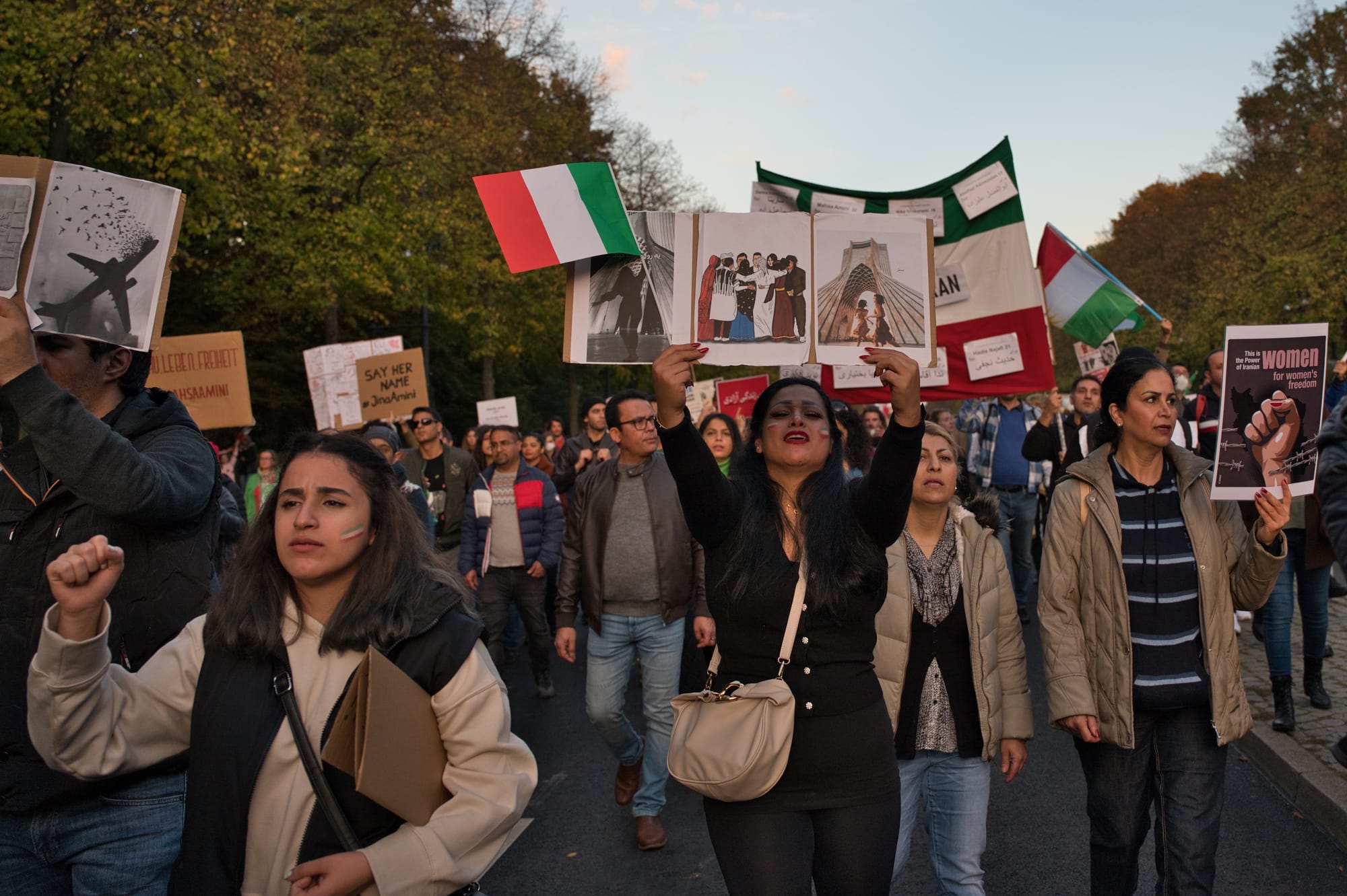
Chapter 14 — The Iranian People: Living Under the Regime
When Iran appears in international headlines, the focus frequently falls on government officials, military institutions and nuclear developments.
Less attention is given to the everyday experiences of Iranian citizens.
Yet their circumstances are essential to understanding the country.
Economic Hardship
Iran possesses substantial natural resources and a highly educated population.
Nevertheless, many households face significant economic difficulties.
Inflation has reduced purchasing power.
Currency depreciation has increased the cost of imported goods.
Young people face challenges concerning employment and housing.
International sanctions have affected investment, trade and financial transactions.
Domestic economic policies, corruption and institutional inefficiencies have also contributed to these difficulties.
The economic consequences of conflict in 2026 introduced further uncertainty.
Women's Rights and the Right to Choose
The death of Jina Mahsa Amini in September 2022 following her detention by Iran's morality police triggered nationwide protests.
The movement became internationally associated with the slogan Woman, Life, Freedom, originating in the Kurdish expression Jin, Jiyan, Azadî.
Demonstrators demanded fundamental freedoms, accountability and changes to compulsory dress regulations.
The movement expanded beyond women's clothing to involve wider questions of political authority and personal autonomy.
Iranian women continued to express diverse opinions concerning religion, identity and the country's political future.
Their demands should not be interpreted as rejection of Islam by all participants.
For many, the central issue is the right to make personal decisions without coercion.
The Protests of 2025–2026
A further nationwide protest movement began on 28 December 2025.
The Iranian authorities responded with extensive security measures.
In its reporting during 2026, the United Nations Independent International Fact-Finding Mission documented grave violations associated with the repression.
Its September 2026 findings concluded that numerous violations reached the threshold of crimes against humanity, including killings, imprisonment and torture.
These are findings by an international investigative mechanism, not individual criminal convictions.
Restrictions on communication, limited independent access and fear of retaliation have complicated the establishment of complete figures.
Civilians Caught Between Repression and War
Iranian citizens have also experienced the consequences of external military operations.
In September 2026, United Nations investigators raised concerns about alleged serious violations of international humanitarian law arising from American military action.
The mission found reasonable grounds to believe that certain strikes constituted war crimes.
These findings require further accountability processes.
Recognising the suffering caused by external military operations does not diminish the responsibility of Iranian authorities for domestic repression.
Both realities deserve independent scrutiny.
Iranian citizens should not have to choose between protection from their government and protection from foreign military action.
Chapter 15 — The Kurdish Population and Other Minorities
Iran is a multiethnic and multilingual country.
Alongside Persian-speaking communities, its population includes Kurds, Azerbaijanis, Baluch, Arabs, Turkmen, Lurs and other groups.
Religious diversity also forms an important part of Iranian society.
Understanding Iran means recognising this diversity.
The Kurdish Population
Kurdish communities live across Iran, Iraq, Turkey and Syria.
In Iran, Kurdish populations are concentrated primarily in western regions.
They maintain distinctive linguistic, cultural and historical traditions.
Relations between Kurdish political movements and Iranian central authorities have involved longstanding disputes concerning cultural rights, political representation and regional autonomy.
Some Kurdish organisations advocate greater autonomy or national self-determination.
Others emphasise democratic reform and minority protection within Iran.
Their political objectives are not uniform.
The Treatment of Minorities
Human rights organisations have documented discrimination and serious abuses affecting ethnic and religious minorities.
In August 2026, United Nations experts expressed concern about escalating repression affecting Kurdish and Baluch communities.
Reported violations included arbitrary detention, enforced disappearance, torture and executions following proceedings raising concerns about due process.
Minority activists have frequently faced accusations relating to national security.
While governments have legitimate responsibilities concerning public safety, national security legislation must not be used to criminalise peaceful cultural expression or political activity.
Religious Communities
Iran's population includes Shia and Sunni Muslims, Christians, Jews, Zoroastrians, Baháʼís and other religious communities.
The Iranian Constitution recognises certain minority religions while establishing Twelver Shia Islam as the official religion.
Legal recognition does not necessarily guarantee equal treatment.
Baháʼí communities have faced particularly extensive discrimination.
Converts from Islam and members of some Christian communities have also encountered serious restrictions.
Sunni Muslims have raised concerns involving religious participation and discrimination.
Identity Should Not Determine Rights
A person's ethnic or religious identity should not determine their access to education, employment, justice or political participation.
Protecting minority communities is essential to any future vision of a stable and inclusive Iran.
The country's diversity should be understood as part of its historical and cultural wealth, not as a threat requiring suppression.
Chapter 16 — Religion, Ideology and Political Power
The relationship between religion and political authority remains central to understanding the Islamic Republic.
However, it is equally important to understand the limitations of describing Iran's foreign policy as a purely religious project.
Shia Islam and Political Authority
Shia Islam contains diverse theological and intellectual traditions.
Not all Shia religious scholars support the Iranian model of government.
Different clerics and communities hold different views concerning the proper relationship between religious institutions and political leadership.
The doctrine of clerical guardianship adopted by the Islamic Republic represents a particular political interpretation.
It should not be treated as the only possible understanding of Shia Islam.
The Political Use of Religious Identity
Governments and political movements may use religious language to strengthen legitimacy, encourage solidarity and define political opponents.
Iranian officials frequently employ concepts involving resistance, sacrifice, justice and opposition to foreign domination.
Such language can resonate with communities experiencing conflict or political marginalisation.
At the same time, critics argue that revolutionary religious rhetoric has helped justify authoritarian institutions and intervention in other countries.
Both the religious language and the concrete political consequences require examination.
Antisemitism and Anti-Israel Rhetoric
Criticism of Israeli government policies is not inherently antisemitic.
However, political rhetoric can become antisemitic when it promotes hostility towards Jews collectively, invokes antisemitic conspiracy theories or denies established historical facts concerning the Holocaust.
Iranian political leaders have, at different times, promoted statements involving Holocaust denial and other forms of antisemitic rhetoric.
Such expressions should be distinguished from the legitimate debate surrounding Israeli policies and Palestinian rights.
Likewise, hostility towards Muslims cannot be justified by opposition to the Iranian government.
The Role of Interreligious Dialogue
Jewish, Muslim and Christian communities possess historical connections throughout the Middle East.
Their experiences include periods of cooperation, coexistence, discrimination and conflict.
Peacebuilding requires acknowledging this complex history rather than presenting religious communities as permanently incompatible.
Religious institutions can contribute by rejecting collective hatred, defending minority rights and encouraging meaningful dialogue.
The existence of political conflict does not make religious coexistence impossible.
Chapter 17 — The International Response: Sanctions and Diplomacy
International responses to Iran's domestic and regional policies have included economic sanctions, diplomatic negotiations, legal measures and military action.
These approaches possess different objectives and consequences.
Economic Sanctions
The United States, European Union and other governments have imposed sanctions connected to Iran's nuclear activities, human rights record and support for armed organisations.
Sanctions may target:
- Government officials.
- Financial institutions.
- Military organisations.
- Commercial entities.
- Energy-related economic activity.
- Individuals accused of serious human rights violations.
Supporters argue that sanctions can restrict resources available for harmful activities and encourage policy changes.
Critics argue that broad economic restrictions can impose substantial hardship on ordinary civilians without necessarily transforming government behaviour.
Both the intended effectiveness and the humanitarian consequences require evaluation.
Regional Diplomacy
Iran's relationships with neighbouring governments have not remained static.
In March 2023, Iran and Saudi Arabia agreed to restore diplomatic relations through an arrangement facilitated by China.
The development demonstrated that significant regional rivals could pursue diplomatic engagement despite longstanding differences.
Such initiatives do not eliminate disagreements concerning security, Yemen or political influence.
However, they provide opportunities to reduce tensions and establish communication.
The Role of International Institutions
The International Atomic Energy Agency monitors nuclear safeguards and provides technical assessments.
United Nations human rights mechanisms investigate allegations involving domestic repression.
International maritime and humanitarian institutions address the consequences of regional conflict.
These organisations operate under different mandates and possess different enforcement capacities.
Their findings should not be confused with the political positions of individual governments.
Military Confrontation and Its Limitations
Military action may affect the capabilities of governments and armed organisations.
However, military pressure alone cannot resolve every political, ideological or social source of conflict.
The hostilities of 2025 and 2026 demonstrated the possibility of considerable regional consequences, including civilian harm and economic disruption.
Assessing international responses requires examining not only immediate military outcomes, but also long-term security, diplomatic possibilities and humanitarian costs.
Chapter 18 — The Future of Iran and the Middle East
The regional developments of recent years have demonstrated that Iran's influence is neither permanent nor immune to political change.
Allied governments can collapse.
Armed organisations can lose military capabilities.
Diplomatic relationships can change.
Domestic populations can challenge existing political systems.
However, the weakening of particular institutions does not necessarily establish what will replace them.
The Future of Regional Armed Organisations
Discussions concerning Hezbollah, Hamas and armed factions in Iraq increasingly involve questions about disarmament, political participation and the authority of national governments.
These questions are complex.
Armed organisations may possess established political constituencies.
Their supporters may regard them as necessary for security.
Their opponents may regard their independent military authority as incompatible with national sovereignty.
Any durable political arrangement must address both security concerns and the accountability of those exercising power.
Iran's Domestic Future
The future of Iran should ultimately be determined by its population.
Iranian citizens hold different political views.
Some support reform within the existing political system.
Others advocate fundamental institutional change.
Secular movements, religious reformers, monarchists, republican organisations and minority political movements propose different visions.
No single opposition organisation can automatically claim to represent every Iranian.
Similarly, the absence of visible public opposition cannot be interpreted as proof of widespread support for the government, particularly where political expression carries considerable personal risk.
Regional Cooperation
The Middle East faces interconnected challenges involving water security, energy, employment, education, population displacement and economic development.
These challenges cross national and religious boundaries.
Long-term cooperation could include:
- Diplomatic communication between regional governments.
- Protection of religious and ethnic minorities.
- Economic development and transparent public institutions.
- Educational and cultural exchanges.
- Mechanisms for reducing military escalation.
- International accountability for serious violations.
- Meaningful participation by women and civil society.
These objectives do not require communities to agree on every political or theological question.
They require recognition that security cannot be sustainably achieved through the permanent insecurity of neighbouring populations.
The Importance of Ordinary Voices
The perspectives of ordinary Iranians, Israelis, Palestinians, Lebanese, Iraqis, Syrians, Yemenis and Kurdish communities deserve greater attention.
Their experiences are often overshadowed by official statements and military developments.
A mother concerned about her children's education may possess different priorities from a military commander.
A young person searching for employment may view international relations differently from a political leader.
A religious minority seeking protection may have concerns absent from national security discussions.
Understanding these perspectives is essential to building a more complete picture of the Middle East.
Conclusion — A Country Is More Than Its Regime
Iran is not simply a military power.
It is not merely a nuclear programme.
It is not exclusively a government defined by confrontation with Israel or the United States.
It is a country containing millions of people with individual identities, ambitions, beliefs and personal histories.
Its civilisation existed long before the Islamic Republic.
Its culture will continue beyond the political conflicts that dominate today's headlines.
Since 1979, the Iranian government has established an extensive network of regional relationships.
These relationships have enabled Tehran to exercise influence far beyond its borders.
They have also contributed to security confrontations, questions of national sovereignty and conflicts affecting civilian populations.
Yet Iran's regional strategy is only one element of a wider geopolitical environment.
Foreign intervention, local political divisions, authoritarian governance, armed movements and unresolved national conflicts have also shaped the region.
Recognising these complexities does not remove Iranian responsibility for its own decisions.
It allows that responsibility to be examined without reducing every Middle Eastern conflict to a single explanation.
The events between 2023 and 2026 have demonstrated the limitations of regional military networks and the dangers of direct confrontation between states.
Iran's influence has experienced significant setbacks.
But military developments alone cannot guarantee a peaceful future.
The questions facing the region are ultimately larger than the survival of any particular government or armed organisation.
Can national institutions protect their populations without discrimination?
Can governments provide security without denying fundamental freedoms?
Can religious communities coexist without allowing political ideologies to turn them against one another?
Can Iranian citizens influence how their country's resources are used?
Can Palestinians and Israelis live without the permanent threat of violence?
Can Lebanon, Iraq, Syria and Yemen develop institutions capable of making independent decisions on behalf of their own populations?
These questions cannot be answered exclusively through military power.
They require political accountability, respect for international law, protection of human rights and a willingness to recognise the dignity of people beyond national and religious boundaries.
The Iranian mother sitting at her kitchen table is not responsible for every decision made in Tehran.
The Israeli child living with the consequences of conflict is not responsible for every decision made by the Israeli government.
The Palestinian family searching for safety is not responsible for every decision made by Hamas.
The Lebanese civilian is not responsible for every decision made by Hezbollah.
The same principle applies throughout the region.
Ordinary people must not be reduced to the governments or armed organisations associated with their countries.
For too long, political leaders have presented regional conflicts through competing narratives of enemies, victories and resistance.
Behind these narratives are people who want to live.
People who want to raise their children.
People who want to preserve their cultures, practise their religions and build a future without fear.
Iran's shadow across the Middle East is a story of political power and regional influence.
But it is also a story of human potential constrained by conflict, repression and competing ambitions.
The future should not belong exclusively to those who possess the greatest military capabilities.
It should also belong to those who are prepared to build institutions, protect human dignity and create opportunities for the next generation.
A country is more than its government. A religion is more than its political interpretation. And a human life is worth more than any geopolitical ambition.
Sources and Further Reading
Current Developments — 2026
1. House of Commons Library — Iran in 2026: Six Months After the US/Israeli Strikes
Analysis of military and diplomatic developments, Iran's regional position and the status of Iranian-backed organisations. Published August 2026.
https://commonslibrary.parliament.uk/research-briefings/cbp-11075/
2. House of Commons Library — Iran: What Challenges Face the Country in 2026?
Analysis of Iran's domestic challenges, regional influence and the changing political environment.
https://commonslibrary.parliament.uk/research-briefings/cbp-10456/
Iran's Regional Influence and Armed Organisations
3. Congressional Research Service — Iran-Supported Groups in the Middle East and U.S. Policy
Report IF12587. Background on Iranian relationships with Hezbollah, Hamas, Palestinian Islamic Jihad, Iraqi armed groups and the Houthis.
https://www.everycrsreport.com/reports/IF12587.html
4. Congressional Research Service — Iran: Background and U.S. Policy
Report R47321. Analysis of Iranian political institutions, foreign policy, military structures and regional relationships.
https://www.everycrsreport.com/reports/R47321.html
5. Council on Foreign Relations — Iran's Regional Armed Network
Analysis of regional organisations associated with Iran and the objectives behind Tehran's foreign policy.
https://www.cfr.org/articles/irans-regional-armed-network
Human Rights in Iran
6. United Nations Human Rights Council — Report of the Independent International Fact-Finding Mission on the Islamic Republic of Iran
Document A/HRC/61/60, March 2026.
https://docs.un.org/en/A/HRC/61/60
7. United Nations Human Rights Council — Report of the Independent International Fact-Finding Mission on the Islamic Republic of Iran
Document A/HRC/63/61, September 2026.
https://docs.un.org/en/A/HRC/63/61
8. United Nations Office at Geneva — Human Rights Council Extends Mandates of Fact-Finding Mission and Special Rapporteur on Iran
23 January 2026. Investigation of violations connected to protests beginning on 28 December 2025.
9. United Nations Human Rights Office
Reports, statements and investigations concerning human rights violations, minority discrimination and the effects of armed conflict in Iran.
10. Abdorrahman Boroumand Center — September 2026 Report of the Independent International Fact-Finding Mission on Iran
https://www.iranrights.org/library/document/5359
11. Human Rights Watch — Iran
https://www.hrw.org/middle-east/north-africa/iran
12. Amnesty International — Iran
https://www.amnesty.org/en/location/middle-east-and-north-africa/iran/
Nuclear Programme and International Security
13. International Atomic Energy Agency — Iran
Official technical information, safeguards assessments and nuclear monitoring.
https://www.iaea.org/newscenter/focus/iran
14. United Nations Office for Disarmament Affairs — Treaty on the Non-Proliferation of Nuclear Weapons
https://disarmament.unoda.org/wmd/nuclear/npt/
15. United Nations Security Council — Resolution 2231 (2015)
https://docs.un.org/en/S/RES/2231(2015)
Lebanon and Regional Sovereignty
16. United Nations Security Council — Resolution 1559 (2004)
https://docs.un.org/en/S/RES/1559(2004)
17. United Nations Security Council — Resolution 1701 (2006)
https://docs.un.org/en/S/RES/1701(2006)
18. United Nations Interim Force in Lebanon
https://unifil.unmissions.org/
Financial Networks, Sanctions and Economic Conditions
19. United States Department of the Treasury — Office of Foreign Assets Control
Iran-related sanctions and official findings concerning designated individuals and organisations.
20. World Bank — Iran
Economic information and development indicators.
https://www.worldbank.org/en/country/iran
21. International Monetary Fund — Islamic Republic of Iran
Economic assessments and macroeconomic indicators.
https://www.imf.org/en/Countries/IRN
Historical Background and International Law
22. United States Department of State — Office of the Historian
Historical documentation concerning American involvement in Iran and the political developments of the twentieth century.
23. Encyclopaedia Iranica
Historical, cultural and religious research concerning Iran and Iranian civilisation.
24. Stockholm International Peace Research Institute
International research concerning military expenditure, security and armed conflict.
25. International Committee of the Red Cross
International humanitarian law and the protection of civilians during armed conflict.
Editorial Statement
Beyond the Lines examines Iranian regional influence through historical research, international reporting, government assessments and independent human rights investigations.
This article distinguishes the Iranian population from its government, religious traditions from political ideology, and civilian communities from armed organisations.
Government intelligence estimates concerning financial assistance should not be interpreted as independently audited accounts. International investigative findings and criminal allegations must also be distinguished from final judicial determinations.
We recognise the rights and dignity of Iranian, Israeli, Palestinian, Kurdish, Lebanese, Syrian, Iraqi and Yemeni civilians, regardless of their nationality, ethnicity or religion.
Beyond the Lines — Independent Journalism. Beyond Headlines. Beyond Divisions.